Executive Overview
For generations, the rhythmic churning of diesel engines against the cold, dark waters of Maine’s Casco Bay has marked the pulse of daily life in the region. For island residents, the ferries operated by Casco Bay Lines are not merely vessels of transit; they are literal lifelines. They transport children to schools, workers to employers, groceries to doorsteps, and neighbors to family gatherings. For visitors, a voyage across the bay offers an immediate, sensory-rich introduction to the rugged beauty of the Maine coast—complete with the sharp tang of salt spray, the cries of gulls, and the sprawling vistas of island communities like Peaks, Chebeague, and beyond.
Now, Casco Bay Lines is translating this rich maritime heritage into a tangible lifestyle. In a newly launched merchandising initiative, the historic ferry service has unveiled a fresh collection of branded apparel and accessories. Inspired by "island time," the adrenaline-fueled mad dashes down the gangway, and the enduring spirit of the boats that keep the bay moving, this new line is designed to resonate with both daily commuters and seasonal wanderers.
Far from a simple commercial venture, this collection serves as a cultural nod to a historic institution. As Casco Bay Lines continues to anchor the communities it serves, the new gear invites locals and visitors alike to wear their maritime pride quite literally on their sleeves. Available exclusively at the downtown Portland terminal, the collection blends utility with coastal aesthetics, cementing the ferry system’s status as a foundational pillar of Maine identity.

Detailed Chronology: The Evolution of Casco Bay Transit and Culture
To understand the significance of Casco Bay Lines’ latest retail offering, one must first look back at the historical trajectory that forged this unique island-mainland bond. The waters of Casco Bay have been heavily trafficked since European settlement, but the systematic organization of ferry transit began to take shape in the 19th century as Portland grew into a bustling commercial shipping hub.
The 19th Century: The Dawn of Scheduled Service
As the Industrial Revolution took hold of southern Maine, the islands of Casco Bay transformed from seasonal fishing and farming outposts into vibrant summer retreats and year-round residential enclaves. Private operators initially ran disparate routes using wooden steamers to ferry passengers, livestock, and mail. These early captains braved treacherous winter gales, thick fogs, and shifting tides to maintain contact between the islands and the mainland.
The 20th Century: Consolidation and Community Integration
By the mid-20th century, the patchwork of private ferry companies consolidated into a unified entity to ensure reliable, uninterrupted service for the growing island populations. This period birthed the modern operational framework of Casco Bay Lines. The ferries became deeply woven into the social fabric of the region. Generations of islanders grew up sharing cramped passenger cabins with mainland-bound commuters, high school students, postal workers, and tourists. The vessels served as floating living rooms where news was exchanged, romances blossomed, and community resilience was continually tested against the elements.
The Modern Era: Preserving Heritage While Embracing the Future
In recent decades, Casco Bay Lines has navigated sweeping demographic shifts, economic fluctuations, and modern infrastructural demands. Yet, the core mission has remained remarkably steadfast: to provide safe, dependable, year-round marine transportation.

The introduction of the new merchandise line represents a modern chapter in this storied chronology. By capturing the distinct subculture of the bay—the internal clock of "island time" contrasted with the frantic sprint of the fashionably late commuter—Casco Bay Lines is actively curating its own legacy. The brand is no longer just a service provider; it has evolved into a recognized lifestyle symbol synonymous with authentic Maine culture.
Supporting Context & Metrics: The Lifeline of Casco Bay
To fully appreciate the cultural footprint of Casco Bay Lines, one must examine the scale of its operations and the vital statistics that define its daily impact on the regional economy and social structure.
Operational Scale and Reach
Operating out of the Portland terminal located at 56 Commercial Street, Casco Bay Lines manages a fleet of hardworking vessels that run 365 days a year, weathering freezing winter blizzards and bustling summer tourist rushes alike. The service primarily connects the mainland to the "Calendar Islands"—so named for the romantic notion that there is an island for every day of the year. Regular year-round and seasonal stops include:
- Peaks Island: The most populous year-round community, functioning largely as a residential suburb of Portland.
- Greater Portland and Little Diamond Islands: Quintessential coastal retreats that swell in population during the warmer months.
- Long Island: An independent town reliant entirely on the ferry for freight, waste management, and public transit connectivity.
- Cheteague Island and Cliff Island: The farther reaches of the bay, where the arrival of the daily ferry remains a foundational community event.
Economic and Social Metrics
- Annual Ridership: Casco Bay Lines transports over one million passengers annually, alongside hundreds of thousands of vehicles, bicycles, and tons of essential freight.
- Year-Round Dependency: Unlike seasonal ferry operations found in other parts of New England, Casco Bay Lines operates a continuous schedule, making it an indispensable public utility for healthcare access, education, and commerce.
- Tourism Impact: Summer tourism injects millions of dollars into island economies, with the ferry acting as the primary economic conduit.
Analyzing the Retail Expansion
The launch of the new merchandise line is strategically aligned with this vast operational footprint. By offering items that directly reference the lived experience of its passengers, Casco Bay Lines is tapping into a powerful sense of place and belonging.
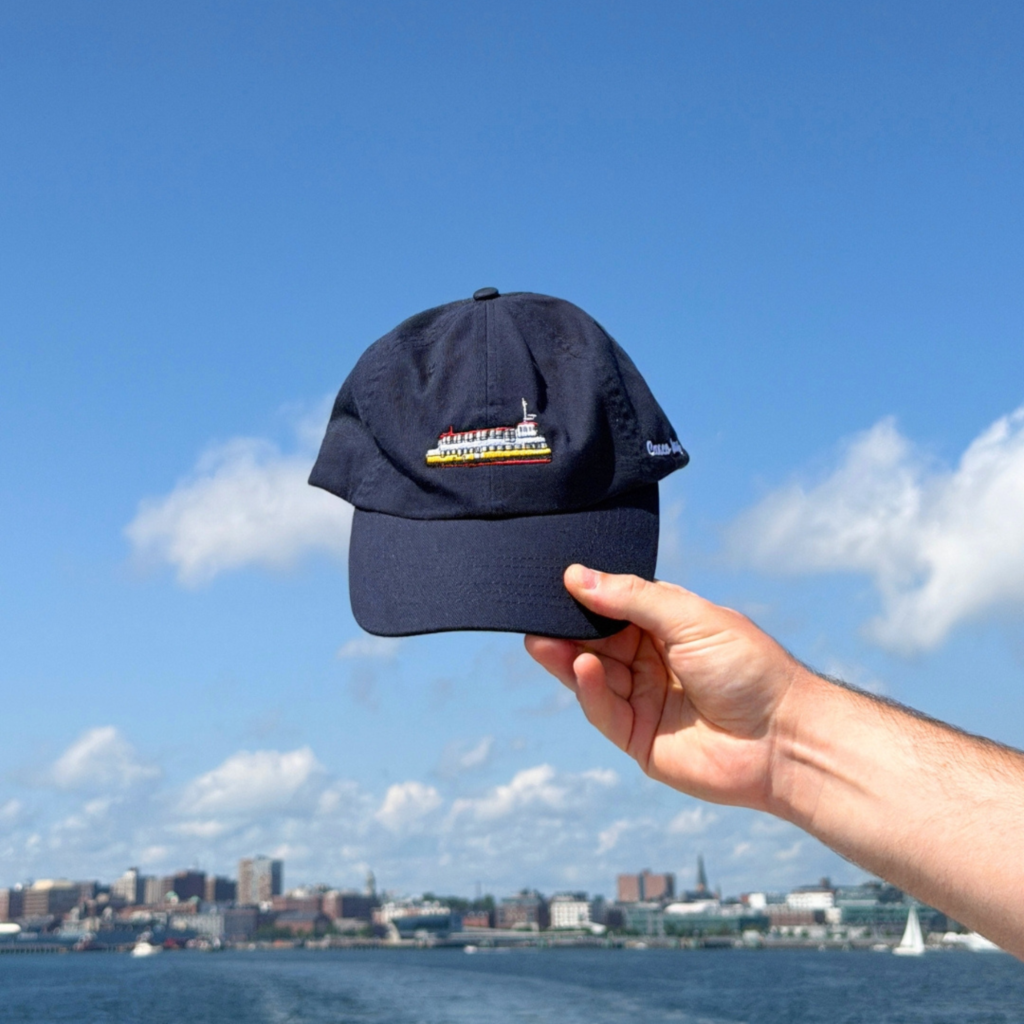
- The Ferry Dad Hat ($35): Crafted from 100% bio-washed cotton chino twill, this cap is engineered for durability and comfort. It speaks directly to the casual aesthetic of dock strolling and island hopping.
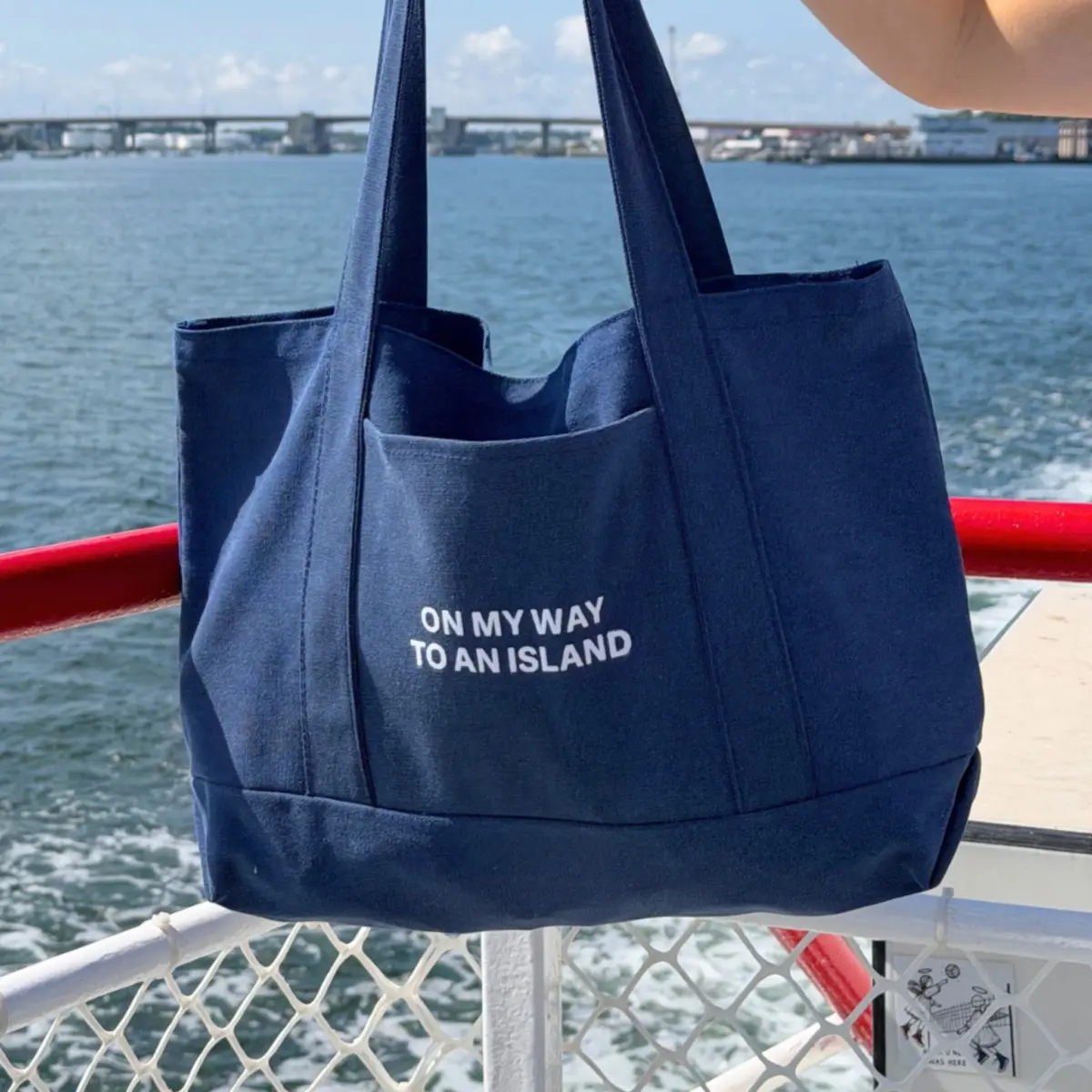
- The Island Time Tote ($30): Tailored for those carrying books, sunscreen, and snacks, this lightweight yet sturdy bag embodies the unhurried pace of island life, whether the destination is Peaks Island or simply a grocery run mimicking an excursion.
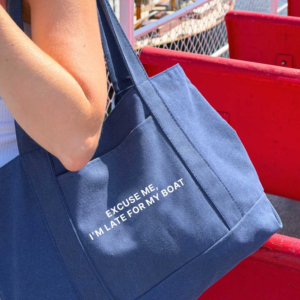
- The Running Late Tote ($30): A tongue-in-cheek nod to the universal panic of the commuter who realizes the ferry waits for no one. This roomy navy tote provides ample storage for those forced into a sudden speedwalk down Commercial Street.
- The Coastal Crew Sweatshirt ($45): Available in sizes small through extra-large, this garment is designed to combat cool ocean breezes and chilly Maine evenings, serving as a wearable piece of coastal comfort.
Official Statements and Cultural Significance
The introduction of the new collection has been met with enthusiasm from both management and the community of riders who depend on the service daily.
In statements accompanying the launch, representatives for Casco Bay Lines emphasized that the merchandise is designed to honor the people who have shaped the organization’s history.
"Our ferries are more than an excuse for good merch," leadership noted in the collection’s rollout. "For many, they’re a dependable part of daily life, connecting island communities to work, school, family, and one another. For others, a trip across the bay becomes an unforgettable part of their time in Maine. Casco Bay Lines is proud to carry forward a long tradition of ferry service on Casco Bay, connecting people and islands for generations. And after all that time on the water, we’ve picked up a little style along the way."
This sentiment underscores a broader institutional philosophy: that public transit can and should be a source of civic pride. In an era where many transportation networks struggle with impersonal efficiency, Casco Bay Lines maintains a deeply personal connection with its constituents. The captains, deckhands, ticket agents, and maintenance crews are familiar faces to the daily riders, forming a tight-knit maritime community.
Furthermore, the nod to the service’s longevity—acknowledging its deep roots and the collective gratitude owed to captains, crews, and riders—highlights an institutional self-awareness. The brand recognizes that its equity lies not in corporate positioning, but in the authentic, salty air memories of generations who have leaned against the ferry railings watching the Portland skyline recede into the fog.
Future Outlook: Sustaining Tradition in a Changing Maine
Looking ahead, Casco Bay Lines faces the dual challenge of preserving its historic character while modernizing to meet the environmental and infrastructural demands of the 21st century. As coastal Maine experiences shifting tourism patterns, climate considerations, and economic pressures, the reliability of the ferry service remains paramount.
The success of lifestyle branding initiatives like the new merchandise collection indicates a healthy, forward-looking organizational culture. By fostering a strong emotional connection with its audience beyond the physical commute, Casco Bay Lines builds a loyal community of advocates. These patrons—whether wearing a Coastal Crew Sweatshirt on a brisk autumn evening or sporting a Ferry Dad Hat miles away from the coast—act as ambassadors for Maine’s maritime heritage.
Ultimately, the new gear is an invitation to participate in a living tradition. Whether one is an islander commuting to the mainland for work, a visitor experiencing the magic of the bay for the first time, or a self-proclaimed member of the "fashionably ferry-late" club, the message from Casco Bay Lines is clear: pick your favorite piece, catch the ferry, and wear it well.
For those looking to secure items from the new collection, the entire line is available exclusively at the Casco Bay Lines Ferry Terminal, situated at 56 Commercial Street in the heart of downtown Portland.