











Executive Overview
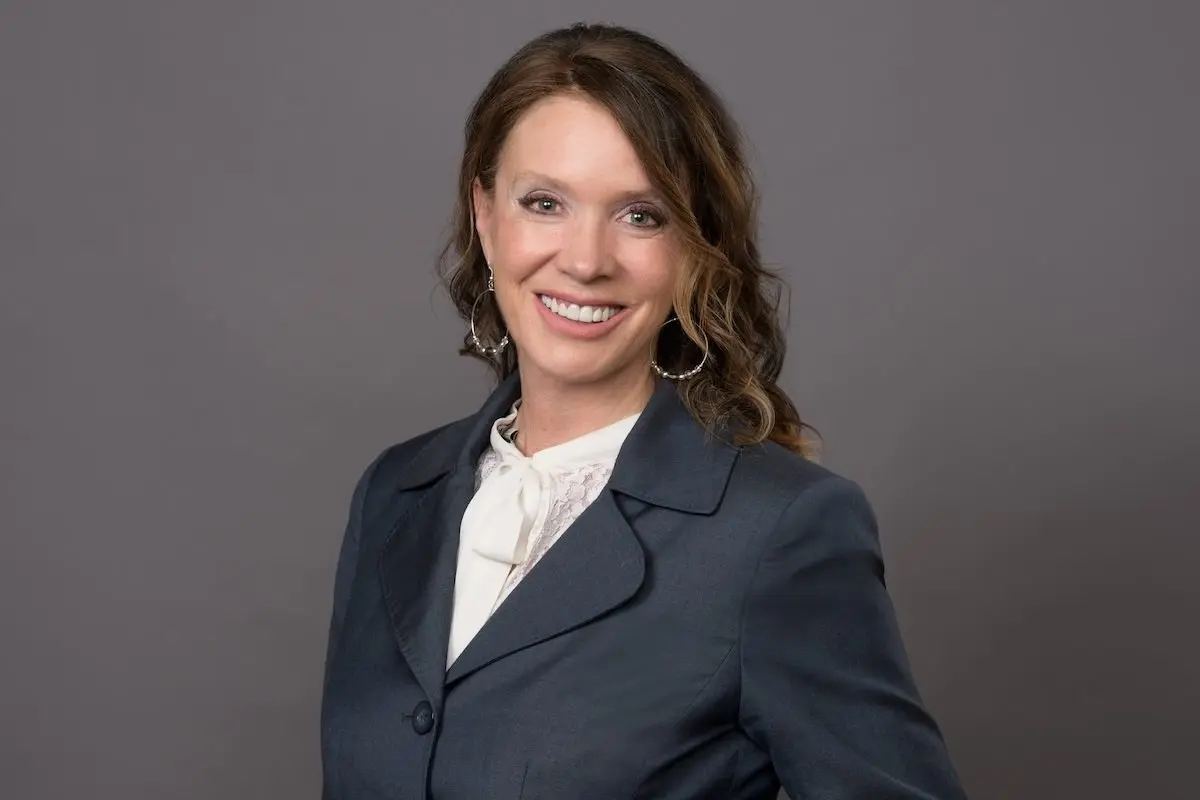
In a high-profile leadership transition that has sent ripples through the American tourism and destination marketing sectors, Brand USA has announced the appointment of veteran executive Caroline Beteta as its interim president and chief executive officer. Beteta, who recently stepped down after nearly three decades at the helm of Visit California, will officially assume her new responsibilities on November 9.
She steps into the role following the impending departure of current President and CEO Fred Dixon, whose exit after more than two years at the organization’s helm was first broken by industry publications in late August. Dixon’s departure concludes a short yet turbulent tenure at the nation’s destination marketing organization (DMO), paving the way for Beteta—widely regarded as one of the most accomplished and influential destination marketing executives in the United States—to steady the ship.
Beteta’s appointment is not merely a routine administrative handover; it represents a homecoming and a stabilizing force for Brand USA at a critical juncture for the American travel economy. As the global tourism landscape continues to evolve in the wake of post-pandemic structural shifts, fluctuating currency values, and fierce international competition, the leadership shuffle at the federal tourism marketing entity mirrors a broader wave of executive realignments across the DMO ecosystem. This report provides an exhaustive examination of the leadership transition, detailed timelines, the broader context of destination marketing leadership shifts, and an outlook on what Beteta’s interim tenure means for the future of inbound travel to the United States.
Detailed Chronology of the Transition
The sequence of events leading to Caroline Beteta’s appointment at Brand USA reflects a cascading series of high-level executive movements that have reshaped the American tourism leadership map over the past year.
January: The Retirement Announcement
The narrative began in January when Caroline Beteta shocked the domestic travel industry by announcing her intention to step down from her monumental role as president and CEO of Visit California. Having led the state’s DMO for nearly 30 years, Beteta had become synonymous with California’s global tourism brand. Under her visionary guidance, Visit California transformed from a modest state-funded promotional office into a multi-million-dollar marketing juggernaut that successfully navigated economic recessions, natural disasters, and global pandemics, cementing California as a premier global destination. Her retirement was widely perceived as the end of an era for Western state tourism.
June: The Domino Effect and Leadership Replacements
The ripple effects of Beteta’s impending departure were felt swiftly across the national tourism landscape. In June, Visit California announced that it had secured Julie Coker—then serving as the head of New York City Tourism + Conventions—to succeed Beteta. Coker’s departure from New York’s premier DMO created its own cascading vacancy, setting off a chain reaction of executive searches among top-tier destination marketing organizations in major metropolitan markets and state agencies alike.
Late August: The Skift Report on Fred Dixon
As the summer progressed, rumors regarding the stability of Brand USA’s executive suite began to circulate within elite industry circles. In late August, investigative reporting by Skift broke the news that Fred Dixon, who had served as Brand USA’s president and CEO for just over two years, was set to depart the organization in November. Dixon, who had previously earned widespread acclaim for his long-term stewardship of NYC & Company (now New York City Tourism + Conventions), had taken the reins at Brand USA with high expectations to revitalize international inbound travel to the United States following the stagnation of the pandemic era.

October: Beteta’s Appointment as Interim CEO
With Dixon’s departure slated for November, Brand USA’s board of directors faced an urgent imperative: secure a steady, highly respected, and operationally bulletproof leader capable of stepping into the role without a steep learning curve. The board found the ideal candidate in Beteta, whose retirement was freshly underway. By appointing Beteta as interim president and CEO effective November 9, Brand USA successfully leveraged decades of institutional knowledge, deep political acumen, and unmatched industry relationships to bridge the gap while a permanent national search is conducted.
Supporting Context & Metrics: The State of Brand USA and DMO Leadership
To fully understand the significance of Caroline Beteta’s return to the national stage, one must analyze the unique operational landscape of Brand USA and the broader metrics defining the U.S. inbound travel sector.
The Mandate and Mechanism of Brand USA
Established by the Travel Promotion Act of 2009 (and officially launched in 2011), Brand USA serves as the nation’s first public-private partnership dedicated to increasing international visitation to the United States. Funded through a unique hybrid model—combining private-sector contributions with matching funds generated through the Electronic System for Travel Authorization (ESTA) international visitor fees—Brand USA’s core mission is to spur economic growth by welcoming international travelers.
However, the organization has historically faced unique headwinds compared to state or municipal DMOs:
- Federal Oversight and Funding Vulnerabilities: Brand USA’s reliance on federal fee structures subjects its operational budgets to shifting legislative priorities and macroeconomic disruptions in global aviation and travel volumes.
- The Post-Pandemic Recovery Gap: While domestic leisure travel rebounded aggressively within the U.S. market by 2022 and 2023, long-haul international inbound travel has faced a more complex recovery curve. Factors such as prolonged visa interview wait times at U.S. embassies abroad, high exchange rates for the U.S. dollar, and fierce promotional campaigns from rival global destinations (such as Europe, Japan, and the Middle East) have complicated the path back to 2019 visitor volumes.
The Broader DMO Executive Carousel
Beteta’s appointment and Dixon’s departure are symptomatic of a wider generational shift within destination marketing. Over the past twenty-four months, the DMO sector has witnessed an unprecedented turnover of veteran leadership. Major tourism boards across the country—from New York and California to regional and municipal entities—are transitioning from long-tenured executives who built the modern destination marketing playbook to a new generation of leaders tasked with digital transformation, sustainable tourism management, and data-driven attribution models.
By bringing back Beteta, Brand USA is intentionally leaning on "old-school" gravitas and proven crisis-management expertise. Beteta’s tenure at Visit California coincided with some of the most challenging chapters in modern tourism history, including the 2008 financial crisis, the September 11 aftermath, devastating wildfire seasons, and the COVID-19 pandemic. Her ability to navigate bipartisan political environments, forge lucrative public-private partnerships, and advocate effectively at the federal level makes her uniquely suited to guide Brand USA through its current leadership transition.
Official Statements and Industry Reactions
The announcement of Beteta’s appointment has generated widespread commentary from tourism leaders, trade associations, and government stakeholders, underscoring her immense stature within the global travel community.
While formal press releases from Brand USA highlighted Beteta’s decades of stellar achievement in California, industry reactions have universally praised the board’s decision to tap a leader of her caliber for the interim role.
Industry analysts point out that Beteta’s familiarity with Brand USA—having served in advisory and board capacities throughout the organization’s history—ensures absolute continuity. Unlike an external corporate executive unfamiliar with the intricacies of international tourism boards, embassy networks, and international trade shows (such as IPW), Beteta can hit the ground running on day one.
In statements circulating among tourism trade networks, colleagues noted that Beteta’s leadership style is characterized by rigorous strategic planning, collaborative stakeholder engagement, and an unwavering commitment to data-backed marketing efficacy. Her interim leadership is expected to provide Brand USA’s staff and global agency partners with a steady anchor, alleviating any organizational anxiety prompted by Dixon’s departure.
Future Outlook: What Lies Ahead for Brand USA
As Caroline Beteta prepares to take the reins on November 9, attention immediately turns to the strategic roadmap ahead for Brand USA. While her title is "interim," industry observers note that interim leaders in high-stakes DMO environments frequently shape the long-term trajectory of their organizations through operational restructuring, budget allocations, and foundational priority setting.
Key Priorities for Beteta’s Interim Tenure
- Re-energizing International Markets: With key source markets like China, the United Kingdom, Canada, and Western Europe exhibiting shifting travel behaviors, Beteta is expected to refine Brand USA’s targeting strategies to capture high-value, long-haul travelers.
- Navigating Visa and Entry Friction: One of the most persistent bottlenecks for U.S. inbound tourism has been exorbitant wait times for visitor visas in emerging economies. Beteta’s extensive advocacy experience will be vital as Brand USA collaborates with federal agencies—including the Department of State and the Department of Homeland Security—to streamline entry processes without compromising national security.
- Enhancing Public-Private Synergy: Brand USA’s funding model relies heavily on the buy-in of major hospitality brands, airlines, and attractions. Beteta’s legendary rapport with private-sector stakeholders will be instrumental in securing continued financial commitments during a period of macroeconomic uncertainty.
- Guiding the Permanent Succession Search: Simultaneously, Beteta will work closely with the Brand USA Board of Directors to establish a transparent, rigorous process for identifying and vetting candidates for the permanent president and CEO position, ensuring that the eventual successor inherits a stable, high-performing organization.
Conclusion
The departure of Fred Dixon after a pivotal two-year chapter marked a moment of introspection for Brand USA. However, by securing the services of Caroline Beteta—a titan of American destination marketing—the organization has executed a masterclass in stability and strategic continuity. As the global travel economy competes aggressively for every tourist dollar, Beteta’s steady hand, visionary outlook, and unmatched industry respect ensure that Brand USA remains well-positioned to champion the United States on the world stage.


