











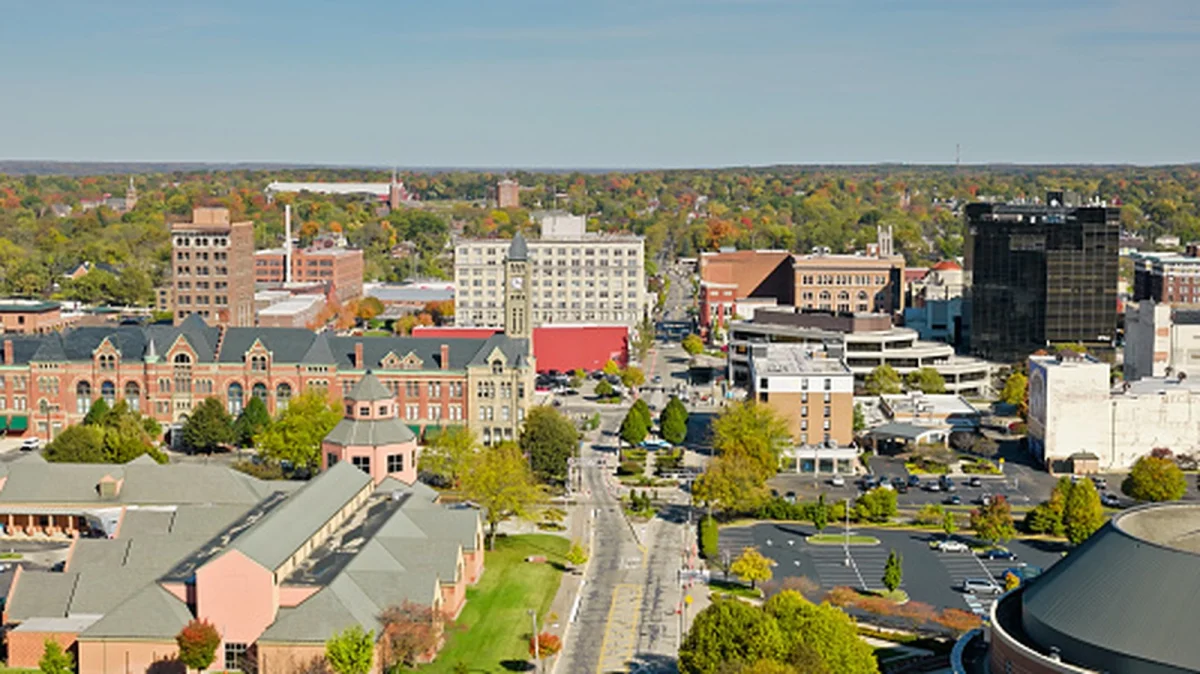
Executive Overview
For decades, millions of motorists driving down Interstate 70 in the American Midwest treated the stretch between Dayton and Columbus as a featureless corridor—a monotonous landscape of asphalt bridged by quick fuel stops, fast-food drive-thrus, and perfunctory restroom breaks. Situated approximately 27 miles northeast of Dayton and 45 miles west of Columbus, Springfield, Ohio, was long relegated to the periphery of travelers’ consciousness.
However, a quiet, multi-faceted revitalization has redefined the identity of this historic municipality. No longer content to serve as a mere highway waypoint, Springfield has emerged as a vibrant, multifaceted destination in its own right. Boasting a remarkably dense concentration of nationally recognized antique markets, a meticulously preserved 19th-century architectural core, robust outdoor recreation centered on dynamic waterways, and a surprisingly cosmopolitan culinary scene, the city offers an immersive travel experience.
This deep-dive report explores how Springfield successfully leveraged its historic assets, natural topography, and entrepreneurial spirit to capture the attention of regional tourists, serious collectors, and culinary enthusiasts alike. Through strategic preservation, outdoor infrastructure development, and a burgeoning foodie culture, Springfield has transformed its local economy and established a new benchmark for Midwestern mid-sized city renewal.
Detailed Chronology: From Industrial Giant to Cultural Tapestry
To understand Springfield’s contemporary renaissance, one must first examine its deep historical roots. Founded in the late 18th century along the banks of Buck Creek, Springfield grew rapidly during the Industrial Revolution. By the late 1800s, it had evolved into a powerhouse of manufacturing, agricultural machinery production, and publishing, earning it prosperity that directly funded the architectural grandeur still visible today.
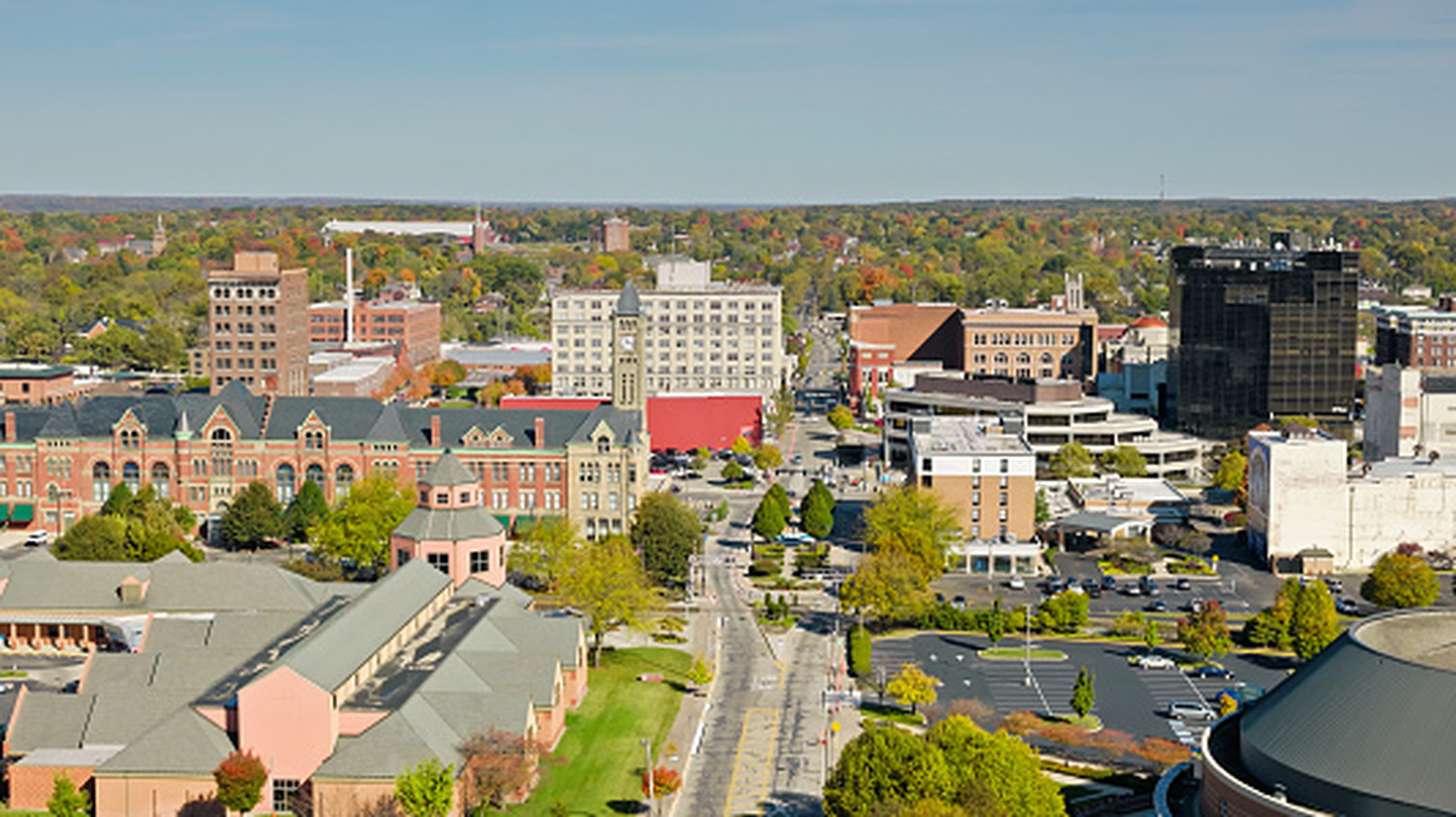
The 19th-Century Architectural Legacy
The physical evidence of Springfield’s golden age remains strikingly intact, anchoring its modern appeal.
- 1890: The construction of the Heritage Center Museum is completed. Designed in the imposing Richardsonian Romanesque style, this architectural masterpiece serves as the modern gateway to the city’s downtown history, welcoming visitors with permanent and rotating exhibits, comprehensive archives, and artifacts detailing the region’s industrial and social evolution.
- Turn of the 20th Century: The development of the South Fountain Historic District solidifies the city’s aesthetic identity. Today, this walkable neighborhood features an extraordinary collection of elaborate Victorian homes, Queen Anne structures, and historic civic landmarks that transport visitors back to an era of craftsmanship and civic pride.
The Antiquing Boom
As traditional manufacturing gave way to service and retail economies in the late 20th century, Springfield identified a unique economic engine: heritage tourism and antiquing.
- Late 20th Century to Present: Mega-scale antique malls and recurring regional events began staking their claims along the I-70 corridor. The opening of massive commercial spaces—such as the 122,000-square-foot Heart of Ohio Antique Center and the expansive Springfield Antique Center—cemented the city’s reputation as a national capital for collectors.
- Ongoing (Nine times annually): The Springfield Antique Show and Flea Market at the Clark County Fairgrounds establishes a recurring national pilgrimage for collectors, earning high praise from lifestyle authorities like Martha Stewart and transforming routine weekends into major economic events for local hospitality providers.
The Natural and Culinary Pivot
In the 21st century, municipal leaders and local entrepreneurs recognized that a modern destination requires more than heritage; it requires experiential diversity.

- The Park and Trail Expansion: The National Trail Parks and Recreation District systematically connects urban parks like Snyder Park, Veterans Park, and Old Reid Park via the paved, 9-mile Buck Creek Trail, turning industrial waterways into greenways.
- The Culinary Awakening: Downtown revitalization efforts begin attracting independent restaurateurs. Establishments like Speakeasy Ramen and Stella Bleu Bistro open their doors in historic downtown structures, shifting the culinary paradigm from traditional diner fare to inventive, globally inspired gastronomy.
Supporting Context & Metrics: The Anatomy of Springfield’s Appeal
A closer look at the logistical, economic, and physical metrics of Springfield reveals why this destination punches well above its weight class.
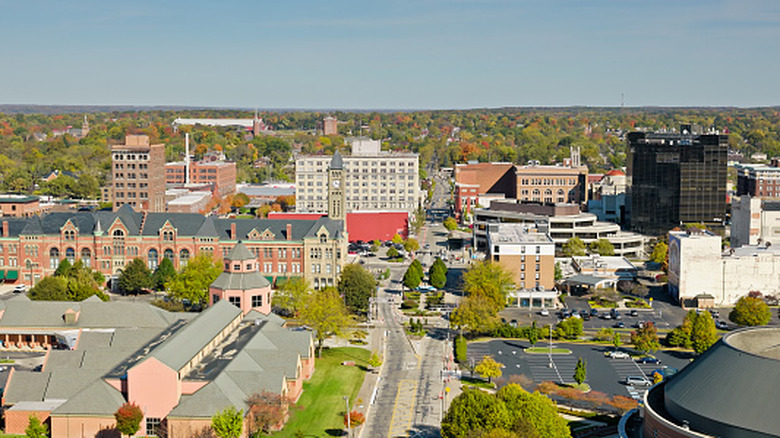
Geographic Accessibility
- Dayton Proximity: 27 miles northeast (approx. 30-minute drive via I-70 E).
- Columbus Proximity: 45 miles west (approx. 45-minute drive via I-70 W).
- Highway Integration: Immediate proximity to Interstate 70 makes it an effortless diversion for cross-state commuters and long-haul road-trippers.
Retail Scale: The Antiquing Metrics
Springfield’s dominance in the antiquing world is backed by staggering physical measurements:
- Heart of Ohio Antique Center:
- Total floor space: 122,000 square feet.
- Vendor capacity: Over 800 antique vendors.
- Booth count: Approximately 1,425 individual booths.
- Vendor geographic diversity: Sellers hailing from dozens of U.S. states and Canada.
- Springfield Antique Center:
- Total floor space: 75,000 square feet spread across two expansive buildings.
- Staffing model: Continuous floor-walking personnel designed to assist with locked cases and expedite checkout lines.
- Springfield Antique Show and Flea Market (The "Extravaganza"):
- Frequency: Hosted 9 times a year at the Clark County Fairgrounds.
- National Standing: Widely recognized as one of the premier flea markets in the United States.
Natural Recreation and Geography
The city’s topography offers distinct geographical diversity across its public spaces:
- Buck Creek Trail: 9 miles of continuous, paved multi-use paths linking forested riverbanks, historic metal bridges, and recreational lakes.
- Snyder Park: 226 acres encompassing tranquil lagoons, historic stone bridges, expansive green spaces, and meticulously maintained gardens straddling Buck Creek.
- Mad River Gorge and Nature Preserve: 91 acres featuring rugged wooded trails along abandoned rail tracks, alongside rare dolomite cliffs reaching heights of up to 50 feet—a premier destination for regional bouldering and rock climbing.
Official Perspectives and Expert Commentary
Tourism officials, business owners, and visiting critics have increasingly spotlighted Springfield as a model for Midwestern revitalization.
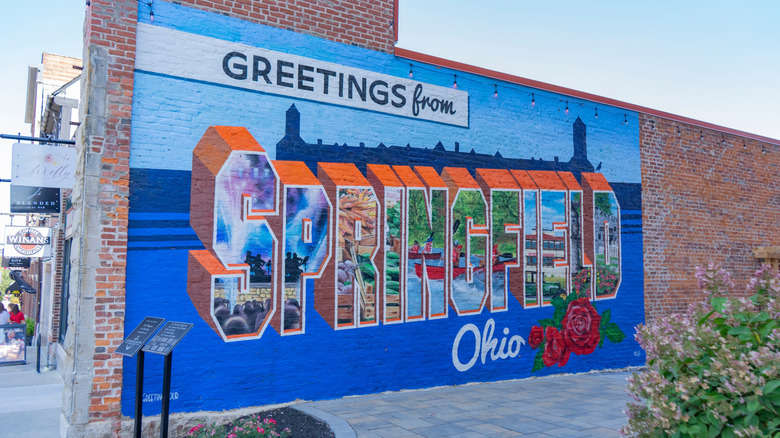
Local economic development boards emphasize that the city’s success lies in cross-promotion between distinct sectors. Visitors drawn in by the massive scale of the interstate antique malls are increasingly directed toward the historic downtown core—thanks to cooperative marketing initiatives and accessible wayfinding. Retailers in the South Fountain Historic District and downtown hubs like Champion City Guide & Supply report a steady influx of weekend tourists who arrive for a morning of treasure hunting and stay for an afternoon of boutique shopping.
Furthermore, outdoor recreation advocates highlight the deliberate integration of natural assets into the urban fabric. Representatives from the National Trail Parks and Recreation District note that infrastructural investments in trails and parks have fundamentally changed how residents and visitors interact with the local environment, transforming industrial-era waterways into ribbons of ecological and recreational health.
On the culinary front, food critics and patrons alike have lauded Springfield’s willingness to embrace culinary risk. Reviewers comparing the city’s restaurant scene to larger metropolitan centers have singled out establishments like Speakeasy Ramen—housed within the urban core—as evidence that small Midwestern cities can sustain high-concept, destination dining. Patrons frequently cite dishes featuring slow-cooked broths and artisanal ingredients as experiences that redefine expectations for road-trip dining in Ohio.
Future Outlook: Sustaining Momentum
As Springfield looks toward the future, its trajectory points toward sustainable, experiential growth. City planners and local business coalitions are focusing on several key areas to maintain momentum:
- Expanded Hospitality Infrastructure: With a growing number of visitors extending day trips into weekend getaways—attracted by multi-day antique events, extensive park systems, and vibrant dining options—local tourism boards are prioritizing the expansion of boutique lodging and bed-and-breakfast accommodations within the historic downtown footprint.
- Enhanced Trail Connectivity: Future municipal projects aim to further link regional trail systems, tying the Buck Creek and Mad River corridors more directly into residential neighborhoods and commercial districts, thereby encouraging non-vehicular mobility for tourists and locals alike.
- Culinary and Retail Diversification: By continuing to foster an environment friendly to independent small businesses, Springfield aims to attract a new wave of artisans, makers, and restaurateurs. This ongoing influx of creative talent promises to keep the city’s commercial core dynamic and resilient.
Ultimately, Springfield, Ohio, has firmly shed its identity as a passive highway pit stop. By weaving together its 19th-century architectural heritage, world-class antiquing infrastructure, pristine natural waterways, and an adventurous culinary scene, the city has established a blueprint for how a historic Midwestern community can reinvent itself as an essential, multi-day destination.


