











Executive Overview
For decades, the standard playbook for youth employment during summer break across municipal, county, and state agencies followed a predictable, transactional path. College students looked for temporary work to pad their bank accounts, and civic institutions looked for inexpensive, short-term labor to fill seasonal gaps in landscaping, toll collection, and administrative filing.
Today, that archaic model is rapidly collapsing under the weight of modern economic realities, shifting candidate expectations, and a severe labor crunch across the transportation sector. Enter the Delaware River Port Authority (DRPA) and its subsidiary, the Port Authority Transit Corporation (PATCO). Rather than accepting recruitment shortfalls as an inevitable consequence of post-pandemic labor market shifts, DRPA leadership took a radical approach: they completely dismantled their legacy summer employment model and rebuilt it from the ground up as an intensive, comprehensive workforce development engine.
Under the guidance of Toni P. Brown, Chief Administrative Officer at DRPA, the organization shifted its philosophy away from simply filling shifts and toward cultivating future leaders. "Don’t build a summer jobs program for students; instead, build a program that is focused on providing a quality learning experience," Brown asserts.
This deep dive examines how DRPA and PATCO transformed a routine summer initiative into an award-winning professional development incubator. By blending rigorous technical assignments with an intentional focus on "soft skills," institutional storytelling, and personal branding, the bi-state agency is not only securing its own talent pipeline but also addressing a broader industry-wide crisis: how to convince the next generation of professionals that public transit is a vibrant, multifaceted, and mission-driven career destination.
Detailed Chronology: From 1960s Student Jobs to Modern Talent Incubator
To understand the scope of DRPA’s current internship and student work ecosystem, one must look back at its origins and the catalyst that forced a complete operational overhaul.
The Legacy Model (Late 1960s–2019)
Dating back to the late 1960s, the DRPA summer program was designed with simplicity in mind. For over half a century, its primary utility was to provide college-bound or returning undergraduates with an accessible paycheck during their academic breaks. While the model successfully injected temporary income into local student households, it lacked structured mentorship, cross-departmental exposure, and formalized career pathway training. Students generally arrived, performed isolated operational or clerical duties for eight to ten weeks, collected their earnings, and departed. For generations, this transactional relationship sufficed.
The Pandemic Disruption (2020–2021)
The COVID-19 pandemic served as a profound structural shock to the labor market. Like many transportation authorities nationwide, DRPA witnessed a steep, immediate decline in student applicant pools. Remote work options, private-sector wage inflation, and general uncertainty about public-facing employment dramatically altered student behavior.
Rather than doubling down on outdated recruitment tactics—such as raising hourly wages without altering job content—DRPA leadership recognized an opening for systemic reinvention. The agency asked a fundamental question: If students are hesitant to return to traditional summer roles, what value proposition can a regional transportation agency offer that a fast-food chain or retail outlet cannot?
The Reinvention and Modernization (2022–Present)
The answer was a comprehensive redesign centered on holistic personal and professional growth. DRPA separated its offerings into two distinct tracks:
- The Internship Program: Geared toward college students pursuing specific academic disciplines, placing them directly within departments such as finance, human resources, risk management, government relations, grants administration, and homeland security.
- The Student Work Program: Focused on operational support roles, offering hands-on experience in areas like ground maintenance, custodian services, and customer-facing transit operations.
Crucially, DRPA ensured that no matter which track a student entered, the core philosophy remained uncompromised: Every student performs meaningful work that directly impacts the organization’s mission. Busywork and passive observation were systematically eliminated from the curriculum.
Supporting Context & Metrics: Navigating the Transportation Labor Crisis
The modernization of the DRPA/PATCO program arrives at a critical juncture for the broader transportation industry. Agencies across North America are facing an aging workforce, high retirement rates, and intense competition from the private sector for top-tier analytical and technical talent. According to recent workforce reports by transit advocacy groups, attracting younger demographics requires structural shifts in workplace culture, transparency regarding career mobility, and intentional diversity and inclusion initiatives.
Dispelling Public Misconceptions
One of the most persistent hurdles for public transit agencies is the "surface perception" problem. When young people think of a bridge and port authority or commuter rail line, they typically visualize toll booth operators, ticket agents, or train conductors. While these roles are vital to daily operations, they represent only a fraction of the total workforce required to keep a regional transit network functional.
DRPA’s internal surveys and exit interviews revealed a stark reality: initially, incoming students had little to no comprehension of the vast array of professional disciplines operating behind the scenes. Through immersive departmental rotations and executive presentations, interns quickly discovered that transportation networks require heavy investment in:
- Civil, mechanical, and electrical engineering
- Information technology and cybersecurity
- Strategic financial planning and capital grants administration
- Legal services, compliance, and risk management
- Corporate communications, marketing, and digital media
- Safety, security, and emergency management planning
Measuring Success: Beyond the Conversion Rate
Many corporate internship programs measure their return on investment (ROI) strictly through conversion rates—the percentage of interns who accept full-time offers post-graduation. While DRPA tracks this metric closely, Chief Administrative Officer Toni P. Brown cautions against viewing hiring metrics as the sole indicator of success.
To date, DRPA has identified approximately 28 current full-time employees who originally entered the agency as summer interns or cooperative education (co-op) students. The impact of this pipeline is visible at the highest levels of the organization:
- DRPA’s Chief Engineer began their career as a summer intern.
- PATCO’s General Manager started as a co-op student.
- Numerous managers and specialists within human resources, finance, and engineering trace their professional roots back to the agency’s student programs.
However, the agency views its broader mission as a form of civic stewardship. Whether a student returns to DRPA, transitions to a private engineering firm, or enters an entirely unrelated field, the ultimate metric of success is the professional transformation the student undergoes during their tenure.
Official Statements and Qualitative Feedback
The true efficacy of the DRPA/PATCO program is best understood through the voices of its leadership and the written reflections of its participants. The agency employs a rigorous two-tier feedback mechanism, surveying students at both the midpoint and the conclusion of their summer terms. This allows real-time course correction, ensuring that student assignments remain intellectually stimulating and department integration remains seamless.
The "Secret Sauce": Hard vs. Soft Skills
Reflecting on the core philosophy of the revamped initiative, Toni P. Brown emphasizes that technical competency alone is insufficient for modern career survival.
"We wanted the program to be more than a summer job. We wanted it to allow students to grow personally and professionally while earning an income," Brown explains. "We were not focused entirely on developing those hard skills, but what I like to say, the soft skills. When you have both of those skills—the hard skills and the soft skills—students are better prepared to become productive members of today’s workforce."
These soft skills—often referred to by Brown as the "secret sauce" of professional success—form the backbone of the agency’s specialized training initiative: The Bridge to Success Professional Development Program.
The Bridge to Success Curriculum
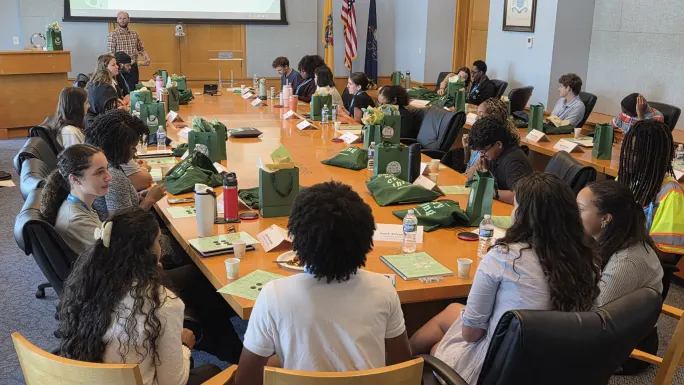
The six-session professional development series addresses the often-overlooked nuances of workplace navigation. Topics covered in the curriculum include:
- Effective Communication Strategies: Mastering professional writing, email etiquette, and verbal articulation in cross-functional team meetings.
- Professional Branding: Understanding how personal accountability, punctuality, and reliability construct a lasting professional reputation.
- Financial Literacy: Making sound decisions regarding budgeting, personal finance, and retirement planning early in life.
- Digital Wellness & Stress Management: Managing workplace anxiety, practicing self-care, and maintaining healthy boundaries in a hyper-connected digital age.
Unsolicited Student Testimonials
The emotional and professional transformation experienced by participants is frequently captured in unsolicited emails, LinkedIn posts, and end-of-summer evaluations. In the previous program cycle, the initiative achieved a 100% recommendation rate from participating students.
Feedback gathered from exit reflections highlighted profound personal growth:
- “I always tell them during orientation that of all the things I do here at DRPA, this program is my favorite,” Brown notes, describing the tradition of comparing students’ orientation photographs with their exit photos. “Many of them said, ‘I don’t recognize the person that’s in this photo. So much has happened. I’ve grown so much.’”
- Participants frequently expressed gratitude for mentorship regarding their "professional brand," noting that the expectation of full-time, in-person collaboration provided a crucial bridge from the isolated virtual learning environments many experienced during the pandemic.
Future Outlook: Building a Replicable Industry Blueprint
As the Delaware River Port Authority looks toward the future, its internship and student work model serves as a forward-thinking blueprint for public sector agencies nationwide. Competing against high-paying technology and consulting firms requires public entities to lean heavily into their core strengths: purpose-driven work, community impact, and holistic employee development.
Intentional Recruitment and Modern Outreach
To maintain a steady influx of top-tier candidates, DRPA has abandoned passive job postings in favor of a multi-faceted recruitment strategy. The agency leverages Handshake (the leading career platform for university students), active social media campaigns, and internal employee referral networks. By empowering current staff to leverage their personal and professional connections, DRPA builds authentic bridges to regional colleges and universities.
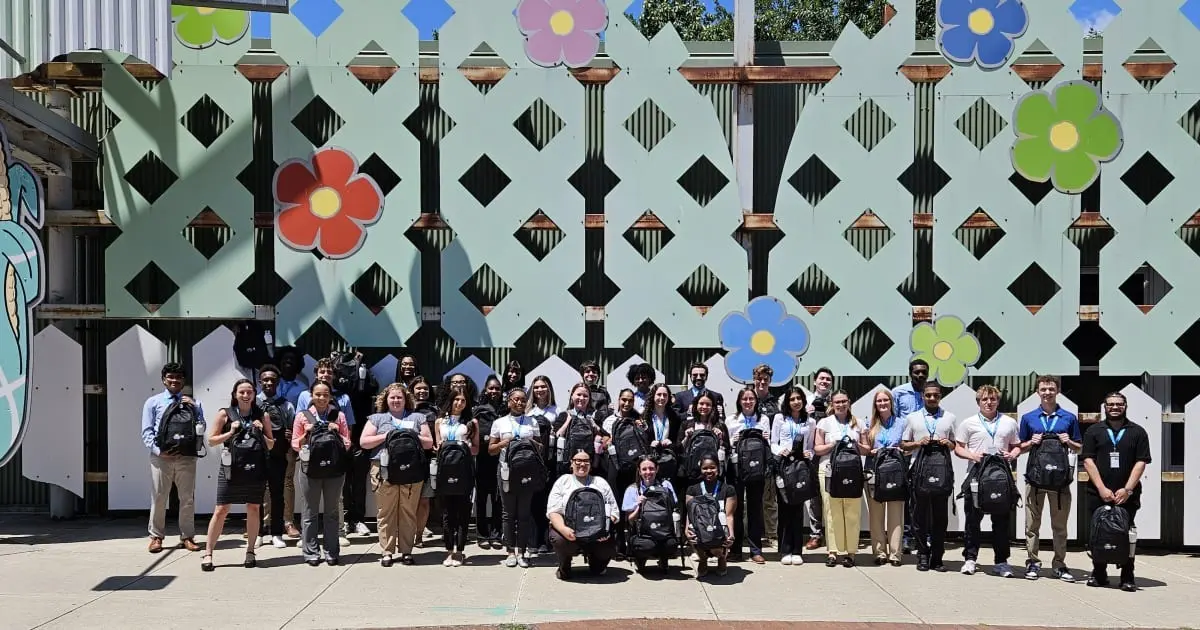
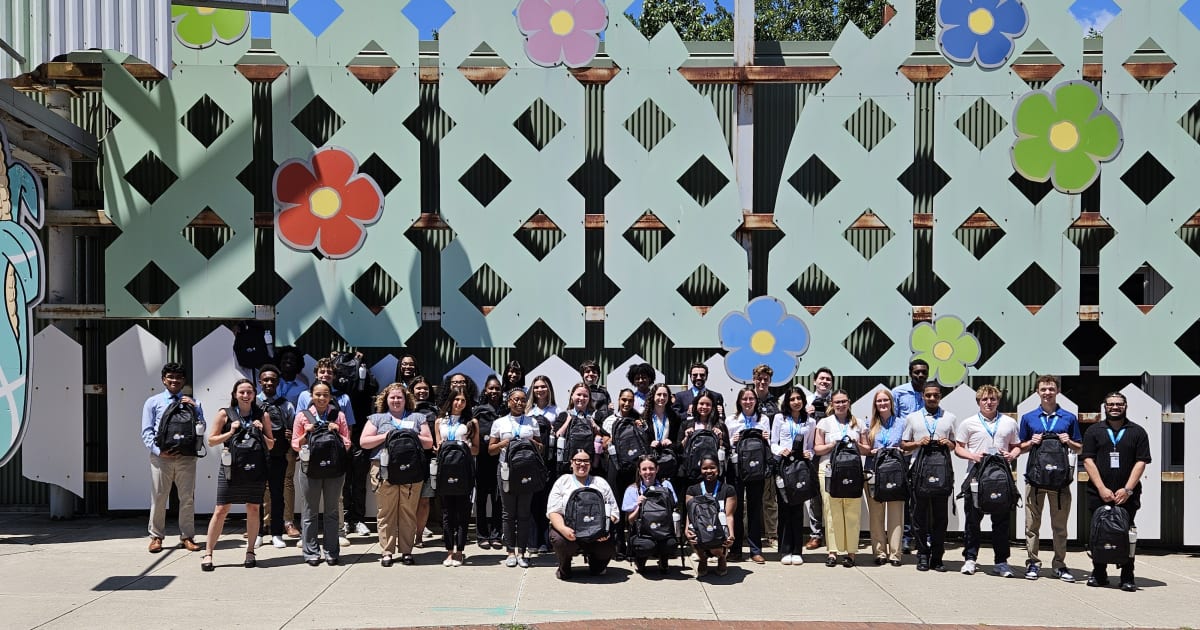
Furthermore, the agency invests heavily in physical and digital branding. Interns are provided with branded backpacks and orientation materials that serve as mobile advertisements on college campuses, raising institutional visibility and planting seeds of interest among prospective applicants long before application windows officially open.
Advice for Industry Peers
For transportation authorities, municipal departments, and public agencies struggling to attract young talent, Toni P. Brown offers a concise, actionable directive rooted in DRPA’s success:
- Abandon the Transactional Mindset: Stop building programs designed solely to fill seasonal labor gaps. Build programs centered on quality learning experiences.
- Be Intentional with Outreach: Define the demographic you wish to reach and actively showcase the full, hidden breadth of career opportunities within your organization.
- Blend Hard and Technical Training with Soft Skills: Equip students not just to execute tasks, but to communicate effectively, manage stress, and build a resilient professional brand.
- Institutionalize Feedback Loops: Implement mid-program surveys to enable real-time adjustments, ensuring mutual benefit for both the agency and the student.
- Cultivate Stewardship over Quotas: Measure success not merely by immediate hiring conversion rates, but by the long-term professional development of every young person who walks through your doors.
By treating young workers as future leaders rather than temporary placeholders, the Delaware River Port Authority and PATCO have proven that public agencies can successfully adapt to the demands of a modern workforce—securing their own operational future while enriching the professional trajectory of an entire generation.


