











Executive Overview
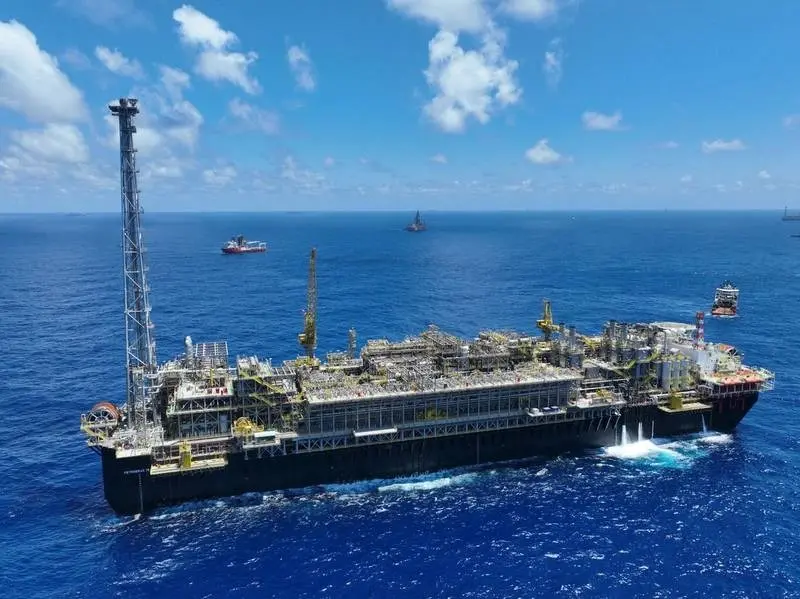
In a deal that underscores the critical importance of operational uptime and asset integrity in deepwater oil and gas production, Norwegian pump manufacturer Framo has secured a major four-year service agreement with Petróleo Brasileiro S.A. (Petrobras). This contract, heralded by the Bergen-headquartered manufacturer as its largest-ever service agreement of this type, establishes a comprehensive framework for the inspection, maintenance, and operational optimization of pumping systems across Petrobras’s massive fleet of approximately 30 floating production, storage, and offloading (FPSO) vessels.
Under the terms of the agreement, Framo will deliver specialized engineering support, preventative and corrective maintenance, routine inspections, and advanced technical training for personnel. The scope of work encompasses the entire spectrum of Framo-engineered pumping systems installed across the Petrobras fleet, including vital seawater lift, firewater, cargo offloading, and water injection systems.
The contract comes at a time of unprecedented growth for the Brazilian offshore sector. Driven by the continuous development of the country’s prolific pre-salt plays, Framo projects that its installed base of marine and offshore pumps in Brazilian waters will exceed 1,500 units by 2028. To support this rapid expansion and fulfill its commitments under the new Petrobras agreement, Framo is significantly upgrading its local infrastructure in Rio de Janeiro, highlighted by the establishment of a state-of-the-art maintenance and training facility near Galeão International Airport.

+-----------------------------------------------------------------------------+
|                         CONTRACT AT A GLANCE                                |
+----------------------+------------------------------------------------------+
| Client               | Petrobras (Petróleo Brasileiro S.A.)                 |
| Contractor           | Framo Services (Subsidiary of Alfa Laval Group)      |
| Duration             | 4 Years                                              |
| Fleet Scope          | Approx. 30 Floating Production, Storage & Offloading |
|                      | (FPSO) Units                                         |
| Key Systems Covered  | Seawater lift, firewater, cargo, and water injection |
| Location of Work     | Rio de Janeiro (Offshore & Galeão Service Center)    |
| Growth Projection    | >1,500 Framo pumps active in Brazil by 2028          |
+----------------------+------------------------------------------------------+
Detailed Chronology: Framo’s Decades-Long Brazilian Footprint
The signing of this landmark service agreement is not an isolated success but rather the culmination of a nearly three-decade-long strategic commitment by Framo to the Brazilian maritime and offshore energy sectors.
1995: Establishing the Beachhead
Framo entered the Brazilian market in 1995, a pivotal period when Brazil was beginning to transition from a deepwater pioneer into a global offshore superpower. In the mid-1990s, Petrobras was rapidly expanding its operations in the Campos Basin, testing the limits of subsea engineering and floating production. Recognizing the need for highly reliable, hydraulically driven submerged pumping systems capable of handling heavy, viscous Brazilian crude, Framo established its local subsidiary in Rio de Janeiro. This localized presence ensured that operators had direct access to OEM expertise without the logistical delays associated with transatlantic shipping.
2006–2014: The Pre-Salt Boom and Corporate Consolidation
The discovery of the ultra-deepwater pre-salt reserves in 2006 transformed the global energy landscape and fundamentally altered Framo’s growth trajectory in the region. The pre-salt fields—characterized by extreme depths, high pressures, and corrosive carbon dioxide and hydrogen sulfide environments—demanded highly specialized, robust pumping technologies. Framo’s cargo pumping systems and seawater lift technologies became industry standards for the new generation of ultra-large FPSOs commissioned by Petrobras and international charterers.
In 2014, Swedish engineering giant Alfa Laval acquired Framo’s parent company, Frank Mohn AS, for NOK 13 billion (approximately USD 2.2 billion). This acquisition integrated Framo into a global powerhouse of heat transfer, separation, and fluid handling technologies. Crucially, the backing of the Alfa Laval Group provided Framo with the capital and global supply chain network required to scale up its service and aftermarket operations in key hubs, particularly in Latin America.

2015–2023: The Transition from Transactional to Lifecycle Services
Over the past decade, the relationship between Framo and Petrobras evolved from a transactional equipment-supply model to a collaborative partnership focused on lifecycle management. As the average age of Brazil’s early FPSO fleet increased, the industry’s focus shifted from capital expenditure (CAPEX) on newbuilds to operational expenditure (OPEX) optimization, asset life extension, and safety.
Recognizing this trend, Framo began laying the groundwork for fleet-wide, long-term service agreements. This strategy culminated in the historic four-year contract signed in 2024, representing a paradigm shift in how both companies approach offshore equipment maintenance.
Supporting Context & Metrics: The Critical Role of Pumping Systems in Offshore Production
To appreciate the scale and significance of this contract, one must understand the technical and financial stakes associated with FPSO operations in the deepwater environment. An FPSO is essentially a floating oil refinery moored in the open ocean. Because these vessels operate miles from shore, any equipment failure can lead to catastrophic financial losses, environmental hazards, or safety emergencies.
Technical Breakdown of Covered Systems
The four-year agreement covers four critical pumping segments, each playing an indispensable role in the daily operations of an FPSO:
- Cargo Pumping Systems: Framo’s signature hydraulically driven submerged cargo pumps are the heart of the FPSO’s offloading operations. They are responsible for transferring crude oil from the vessel’s storage tanks to shuttle tankers. These pumps must handle high-viscosity fluids under variable pressure conditions while ensuring zero leakage.
- Seawater Lift Systems: These systems draw massive volumes of seawater from deep ocean layers to supply the vessel’s cooling systems, process plants, and water-making facilities. A failure in the seawater lift system can force an immediate shutdown of the onboard power generation plant, bringing all production to a halt.
- Water Injection Systems: To maintain reservoir pressure and sweep oil toward production wells in pre-salt fields, high-pressure water injection is vital. Framo’s water injection pumps are engineered to handle highly treated seawater or produced water, operating continuously under extreme pressures.
- Firewater Systems: As the primary line of defense against offshore fires, firewater pumps must remain in a state of constant readiness. These systems are subject to stringent regulatory compliance and must be capable of starting instantly and running reliably under emergency conditions.
The Financial Cost of Offshore Downtime
For a modern pre-salt FPSO producing between 150,000 and 225,000 barrels of oil equivalent per day (boepd), unplanned downtime is extraordinarily costly. At an estimated oil price of $80 per barrel, a single day of lost production on a major unit represents a gross revenue loss of $12 million to $18 million.
By consolidating the maintenance of these critical pumping systems across approximately 30 vessels under a single, structured OEM contract, Petrobras aims to:
- Maximize mean time between failures (MTBF).
- Minimize mean time to repair (MTTR) through localized spare parts availability and rapid-response engineering teams.
- Ensure absolute compliance with Brazilian maritime and safety regulations (such as those enforced by ANP and IBAMA).
Unplanned Downtime Financial Impact (Per Day, 150k bpd FPSO):
+-------------------------------------------------------------+
| Gross Revenue Loss: ~$12,000,000 - $15,000,000              |
| Emergency Repair Logistics: ~$250,000                       |
| Potential Regulatory Fines: Variable                        |
+-------------------------------------------------------------+
Structured OEM Service Contract Mitigation:
  -> Preventative Maintenance Diagnostics
  -> 24/7 Local Engineering Dispatch from Rio de Janeiro
  -> Rapid Spare Parts Access via Galeão Logistics Hub
Infrastructure Expansion: The Galeão Facility
A key pillar of Framo’s strategy to support this contract is the expansion of its service capacity in Rio de Janeiro. The company is establishing a new, advanced maintenance and training facility at Galeão.
Strategically located near the international airport, this facility offers distinct logistical advantages:
- Rapid Import/Export: Speeds up the customs clearance and transport of specialized components shipped from Framo’s manufacturing plants in Norway.
- Advanced Workshops: Equipped with specialized balancing machines, hydraulic test beds, and cleanroom areas for rebuilding pump seals and hydraulic control valves.
- Interactive Training Center: Features high-fidelity simulators and cutaway pump models, allowing Petrobras engineers and offshore technicians to undergo hands-on training in a controlled, land-based environment.
Official Statements & Strategic Alignment
The signing of the contract represents a major milestone for both organizations, aligning with their respective long-term strategic visions.
The Supplier’s Perspective: Lifecycle Partnership
Morten Sivertsen, Director of Framo Services Offshore, emphasized the shift toward integrated, preventative asset management:
“This agreement represents a significant step in how we support Petrobras across the lifecycle of its equipment. Rather than looking at individual service requirements in isolation, we will be working across a large fleet under a structured programme covering inspection, maintenance and training.”
Sivertsen’s statement highlights a broader trend in the offshore marine sector: the transition from "break-fix" reactive maintenance to predictive, data-driven lifecycle management. By monitoring pump performance indicators across 30 identical or similar installations, Framo’s engineers can identify fleet-wide wear patterns, optimize spare parts inventory, and schedule preventative maintenance during planned vessel turnarounds, thereby avoiding unexpected operational disruptions.
The Operator’s Perspective: Optimizing OPEX and Safety
For Petrobras, the contract aligns perfectly with its Strategic Plan 2024-2028+, which emphasizes operational efficiency, decarbonization, and safety. Petrobras has historically managed a complex web of third-party service providers. Consolidating the maintenance of its entire Framo pump portfolio under the original equipment manufacturer (OEM) reduces administrative overhead, guarantees the use of genuine spare parts, and ensures that maintenance is performed to the highest engineering standards.
Furthermore, training offshore personnel locally in Rio de Janeiro reduces international travel costs and ensures that Brazilian technicians are fully competent in the latest pump diagnostic and safety protocols.
Future Outlook: Brazil’s Pre-Salt Boom and the Road to 2028
The outlook for Framo in Brazil is intrinsically tied to the country’s ambitious offshore production targets. According to data from the Brazilian Petroleum, Gas and Biofuels Institute (IBP), Brazil is poised to become one of the world’s top five oil producers by the end of the decade, with production expected to surpass 5 million barrels per day.
The 1,500-Pump Milestone
Framo’s projection that its installed base in Brazil will exceed 1,500 pumps by 2028 is a direct reflection of the upcoming pipeline of FPSO projects. Petrobras and its partners plan to deploy more than a dozen new floating production units in the pre-salt polygon over the next five years.
Projected Growth of Framo's Installed Pump Base in Brazil:

Year | Installed Pumps (Cumulative)
-----+-----------------------------------------
2024 | [====================] ~1,100
2026 | [========================] ~1,300
2028 | [==============================] >1,500 (Projected)
Each new ultra-deepwater FPSO typically requires between 30 and 50 high-capacity pumps for various process, utility, safety, and marine applications. This massive influx of new hardware ensures a steady stream of aftermarket service demand for Framo well into the 2030s.
Digitalization and Remote Monitoring
Looking ahead, the next frontier for the Framo-Petrobras partnership lies in digital transformation. Under the umbrella of Alfa Laval’s digital initiatives, Framo is increasingly integrating smart sensors and IoT connectivity into its pumping systems.
This technology enables:
- Real-Time Vibration Analysis: Detecting bearing wear and shaft misalignment before a catastrophic failure occurs.
- Predictive Performance Modeling: Using machine learning algorithms to compare real-time pump data against baseline performance curves, identifying efficiency losses due to internal wear or cavitation.
- Remote Support: Allowing onshore specialists in Rio de Janeiro or Norway to assist offshore crews via augmented reality (AR) headsets during complex maintenance procedures.
Conclusion
As Petrobras continues to push the boundaries of deepwater oil recovery, the reliability of its auxiliary and processing systems remains paramount. Framo’s historic four-year service contract, backed by its infrastructure expansion at Galeão and its 29-year history in Brazil, positions the Norwegian pump manufacturer as an indispensable partner in South America’s most dynamic energy market. By securing this agreement, Framo has not only guaranteed a stable, high-margin revenue stream for its aftermarket division but has also cemented its role as a guardian of operational efficiency and safety across Brazil’s offshore fleet.


