










Executive Overview
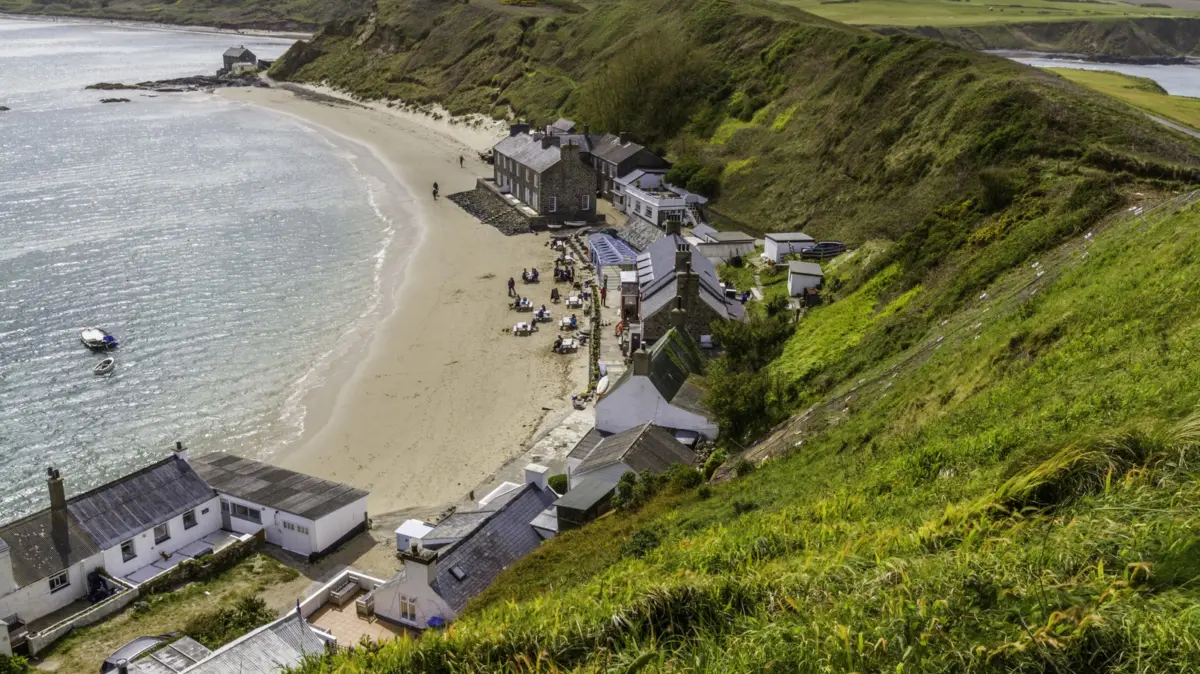
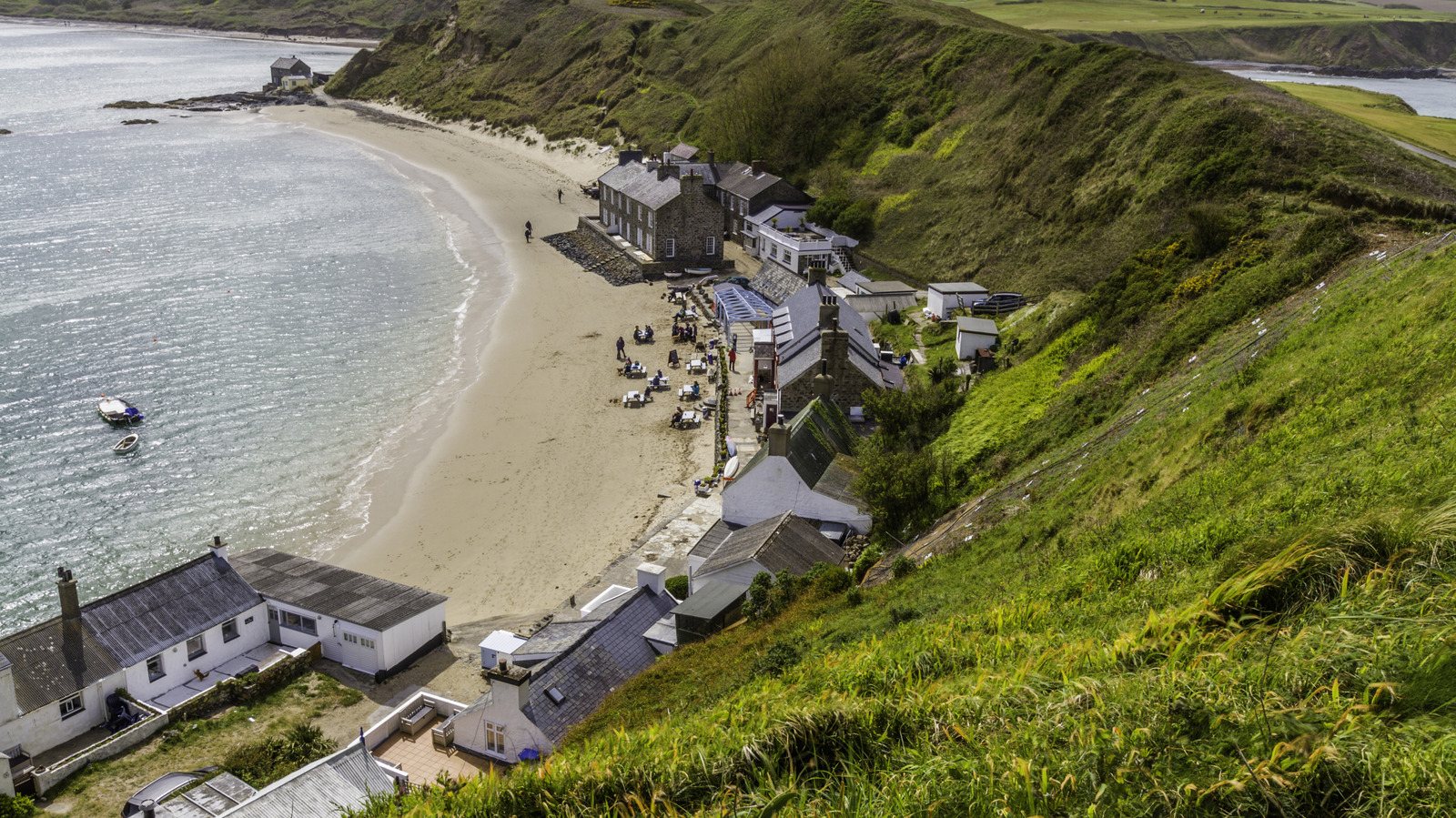
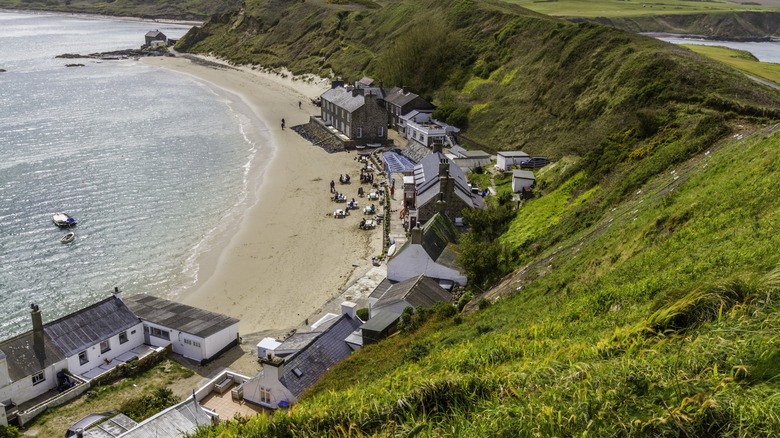
Tucked beneath a sweeping, emerald-hued promontory on the northern coastline of Wales’ dramatic Llŷn Peninsula lies Porthdinllaen—a picturesque, car-free harbor hamlet that feels entirely suspended in time. Comprising little more than a cluster of salt-caked, stoop cottages backed by rolling coastal hills and fronted by the crystalline, sapphire expanse of the Irish Sea, this secluded coastal enclave offers a masterclass in preservation.
Today, much of Porthdinllaen and its surrounding headland are owned and meticulously managed by the National Trust, Europe’s largest conservation charity. This stewardship has shielded the village from the relentless march of modern commercialization and hyper-development. Visitors arriving at this remote oasis will discover a deliberate absence of traffic: vehicular access to the narrow lane weaving across the headland is strictly restricted to permanent residents.
For travelers, the journey to Porthdinllaen requires a conscious shedding of urban velocity. Located roughly a two-hour drive west of Liverpool, the hamlet serves as an ideal escape for those seeking refuge from the metropolitan bustle. Yet, despite its relative accessibility from northwest England, Porthdinllaen retains the aura of a remote frontier. Flanked by pristine white-tinged beaches, vibrant marine ecosystems, and home to the world-renowned Tŷ Coch Inn, this Welsh hideaway delivers a rare combination of geographical seclusion, rich maritime heritage, and rugged natural beauty.

Detailed Chronology: From 19th-Century Port Ambitions to National Trust Conservation
To fully appreciate the tranquil isolation of Porthdinllaen today, one must examine the ambitious, albeit unrealized, historical forces that once threatened to transform its sleepy shores into a bustling maritime nexus.
The Industrial Genesis and Port Aspirations
During the early decades of the 19th century, Porthdinllaen was earmarked for a vastly different destiny. Propelled by the rapid industrialization of the British Empire and the booming maritime trade routes linking Great Britain with Ireland, visionaries and investors recognized the natural protection offered by Porthdinllaen’s sheltered bay. Plans were drawn up to convert the quiet fishing hamlet into a major deep-water port, designed to serve as the primary packet station for passenger and cargo ferries crossing to Ireland.
Had these grand designs materialized, Porthdinllaen would have sprouted docks, rail terminals, warehouses, and the inevitable urban sprawl that accompanies industrial ports. However, fierce political lobbying, engineering challenges, and the ultimate selection of Holyhead on nearby Anglesey as the primary Irish ferry terminal halted Porthdinllaen’s expansion. The unfulfilled port ambitions effectively froze the hamlet in time, leaving behind a fascinating architectural footprint from an era that never quite arrived.
The Rise of Maritime Commerce and the Red House
As the grand port schemes dissolved, the local economy pivoted back toward maritime activities, shipbuilding, and coastal fishing. It was during this pivotal transitional period—specifically in 1823—that the hamlet’s most famous landmark was established. Originally built as a vicarage before being converted into an inn to cater to local shipbuilders, fishermen, and mariners traversing the Irish Sea, the Tŷ Coch Inn became the social heartbeat of Porthdinllaen.

The Preservation Era and National Trust Stewardship
As the 20th century progressed, the vulnerabilities of such fragile coastal ecosystems became glaringly apparent. Recognizing the irreplaceable ecological, historical, and aesthetic value of Porthdinllaen, the National Trust stepped in. Over subsequent decades, the organization acquired the majority of the buildings, the surrounding headland, and the adjacent intertidal zones.
By implementing strict conservation policies—including the total ban on non-resident vehicular traffic and the preservation of vernacular architecture—the National Trust ensured that Porthdinllaen would remain an authentic window into Wales’ past. Today, the village operates as a living museum where modern conservation science meets sustainable community habitation.
Supporting Context & Metrics: Geography, Accessibility, and Ecology
Navigating to Porthdinllaen requires an understanding of its unique topography and regional geography. The hamlet sits at the terminus of the Llŷn Peninsula in Gwynedd, northwest Wales, a region celebrated for its designated Area of Outstanding Natural Beauty (AONB).
Accessibility and the Car-Free Mandate
The geographical isolation of Porthdinllaen is enforced by design. Visitors driving to the area must park their vehicles in the designated National Trust car park situated near the neighboring coastal town of Morfa Nefyn. From this point onward, travelers must proceed on foot.
There are two primary pedestrian routes to the village:
- The Beach Route: A leisurely 15-minute stroll along the expansive sands of Morfa Nefyn Beach. This route is heavily dependent on tidal conditions; at low tide, it offers a wide, firm expanse of sand, whereas high tide requires travelers to navigate the elevated terrain.
- The Clifftop Pathway: When the tide is high, visitors take the rugged clifftop trail that winds past the local golf course. This elevated route provides panoramic vistas of the Irish Sea and connects to official National Trust walking circuits.
Proximity to Major Transportation Hubs
While Porthdinllaen feels worlds away from urban civilization, it remains surprisingly reachable for regional travelers:
- From Liverpool, England: Approximately a 2-hour and 15-minute drive west, making it a favored weekend getaway for Merseyside residents.
- From Manchester, England: Roughly a 2.5-hour drive across the English border, providing access to the nearest international airport with significant transatlantic flight arrivals.
- From Cardiff, Wales: Located in the nation’s capital to the south, Cardiff is a substantial 5-hour drive away, underscoring the regional cultural and geographical divide between South and North Wales.
Ecological Richness and Marine Habitats
Porthdinllaen’s sheltered bay is not merely an aesthetic marvel; it is an ecologically vital marine zone. The seabed immediately fronting the village features extensive meadows of native seagrass (Zostera marina), a critical habitat that sequesters carbon, stabilizes coastal sediments, and serves as a vital nursery ground for numerous fish and invertebrate species.
Furthermore, the surrounding rocky reefs and clifftops support a diverse array of coastal wildlife. Visitors walking the extended 2.5-mile National Trust headland trail frequently spot grey seals hauled out on the rocks below, seabirds nesting in the craggy cliffs, and, on clear days, distant panoramas stretching toward the towering peaks of Eryri (Snowdonia) National Park.
Official Statements and Conservation Insights
The delicate balance between public recreation and environmental preservation in Porthdinllaen is a subject of ongoing dialogue among conservationists, local authorities, and community stakeholders.
Representatives from the National Trust have repeatedly emphasized that the preservation of Porthdinllaen’s unique character depends entirely on visitor cooperation and sustainable management practices. In official conservation briefs regarding the Llŷn Peninsula portfolio, National Trust spokespersons have noted:
"Porthdinllaen represents a rare synthesis of cultural heritage and natural splendor. Our primary mandate is to protect the fragile marine ecosystems—particularly the sensitive seagrass beds within the bay—while allowing the public to experience the profound tranquility of this historic settlement. By restricting vehicular access and maintaining the traditional built environment, we ensure that future generations can witness Wales’ coastal history untainted by modern overdevelopment."
Local maritime historians and community leaders have similarly highlighted the importance of safeguarding the hamlet’s architectural integrity. Preservationists point out that the vernacular construction methods used in the historic cottages—employing local stone, lime mortar, and traditional slates—require specialized maintenance that respects the heritage of the 19th-century fishing community.
Additionally, operators of the iconic Tŷ Coch Inn frequently stress their commitment to maintaining the pub’s authentic atmosphere. Despite its global acclaim and inclusion on international travel rankings, management maintains a strict ethos focused on community integration, local sourcing, and environmental respect, ensuring that the establishment remains a rustic sanctuary rather than a commercialized tourist trap.
Future Outlook: Sustainability, Climate Resilience, and Tourism Management
As Porthdinllaen looks toward the future, it faces a complex matrix of modern challenges, chief among them being climate change, coastal erosion, and the balancing act of sustainable tourism.
Climate Resilience and Sea-Level Rise
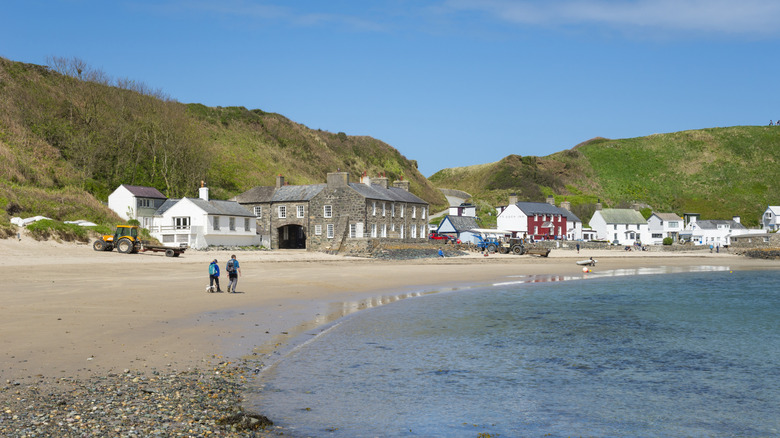
Like many low-lying coastal communities across the British Isles, Porthdinllaen is increasingly vulnerable to rising sea levels and the increasing frequency of severe Atlantic storms. The salt-caked cottages that sit practically at the water’s edge are exposed to high-tide surges and storm-driven wave action.
In response, the National Trust and local geological surveyors have integrated climate adaptation strategies into their long-term management plans. These initiatives focus on monitoring coastal retreat, reinforcing natural defenses through the protection of offshore reefs and seagrass beds, and ensuring that any necessary structural repairs to historic buildings utilize resilient, traditional materials capable of withstanding harsher marine weather patterns.
Managing Visitor Volume
The growing global recognition of Porthdinllaen—fueled in part by accolades such as the Tŷ Coch Inn being named one of the top three beachside bars in the world—has driven a steady increase in tourist footfall during the peak summer months.
To prevent overtourism from degrading the very qualities that draw visitors to the hamlet, future management frameworks will likely focus on:
- Promoting Off-Peak Travel: Encouraging visitors to explore the Llŷn Peninsula during spring and autumn, when the environmental impact is lower and the hamlet’s serene ambiance is most pronounced.
- Enhanced Visitor Education: Expanding interpretive signage and digital resources managed by the National Trust to educate hikers on marine conservation, wildlife disturbance prevention, and Leave No Trace principles.
- Infrastructure Optimization: Carefully managing parking capacity at Morfa Nefyn to cap daily visitor numbers without placing undue strain on the narrow access lanes and local residential community.
By proactively addressing these challenges, Porthdinllaen is poised to retain its status as a timeless coastal sanctuary—a place where visitors can step off the map, wander car-free lanes, and experience the raw, enduring magic of the Welsh coastline for generations to come.


