







Executive Overview
Prince Edward Island (PEI) has long occupied a cherished place in the global imagination. Often characterized by gentle rolling hills, meticulously tended farmland, and over 680 miles of striking red-sand coastline, Canada’s smallest province evokes a sense of storybook nostalgia. Each year, nearly two million visitors are drawn to this maritime sanctuary, seeking the tranquility of its shores, the warmth of its communities, and a pace of life that feels refreshingly divorced from modernity. While bustling hubs like Charlottetown and scenic destinations like Summerside capture a significant share of tourism marketing, a quieter, deeply authentic East Coast experience awaits those who venture eastward into Kings County.
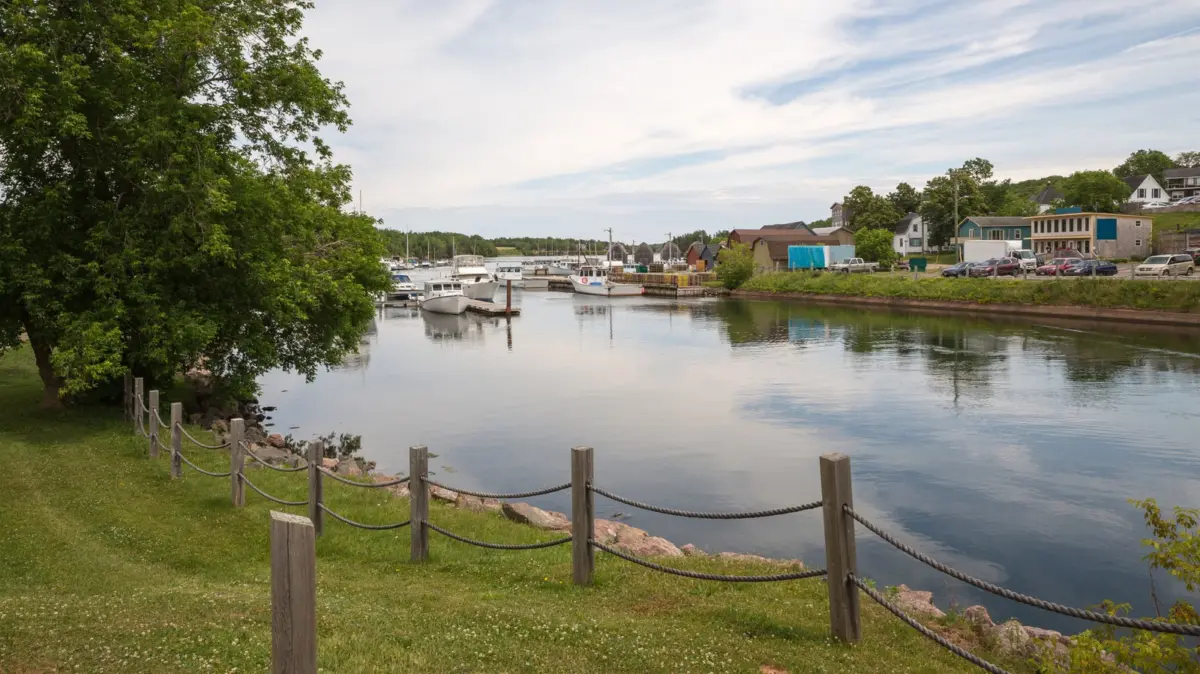
Enter Montague—a picturesque, historically rich community that straddles the glistening waters of the Montague River. Home to a permanent population of just around 90 residents, this intimate enclave defies its modest size through an outsized offering of vibrant local culture, culinary innovation, and natural splendor. Far from being merely a sleepy hamlet, Montague functions as a dynamic cultural and recreational waypoint. It boasts access to Canada’s premier trail systems, a thriving craft beverage scene, and a preserved architectural heritage that speaks volumes about the island’s rich past.
This comprehensive report explores the unique appeal of Montague, detailing its historical roots, recreational infrastructure, culinary renaissance, logistical framework, and its broader significance within the tourism ecosystem of Prince Edward Island.
Detailed Chronology: From Agrarian Roots to Modern Sanctuary
To truly appreciate the understated charm of Montague, one must trace its evolution from a collection of isolated pioneer homesteads into a tightly knit maritime community.
The Early Settlement Era (Early to Mid-19th Century)
The narrative of Montague began in the early 1800s, when settlers recognized the fertile potential of the land flanking the Montague River. Initially established as a cluster of modest family farms, the settlement capitalized on its strategic waterfront positioning. In an era before modern highways and rail networks, waterways served as the primary arteries of commerce and communication. The river facilitated the transport of agricultural yields, timber, and manufactured goods, laying the groundwork for a burgeoning regional economy.
Architectural Milestones and Civic Identity (Late 19th Century)
As the population slowly expanded through the mid-to-late 1800s, the need for centralized civic institutions became paramount. A major turning point in the town’s architectural and administrative history occurred in 1888 with the construction of a stately brick building designed to serve as the community’s post office and customs house. This building, showcasing the sturdy craftsmanship of the Victorian era, anchored the commercial core of the village. Today, it stands as the Garden of the Gulf Museum, serving as a tangible link to the industrious spirit of nineteenth-century PEI.
The Modern Consolidation (The Three Rivers Era)
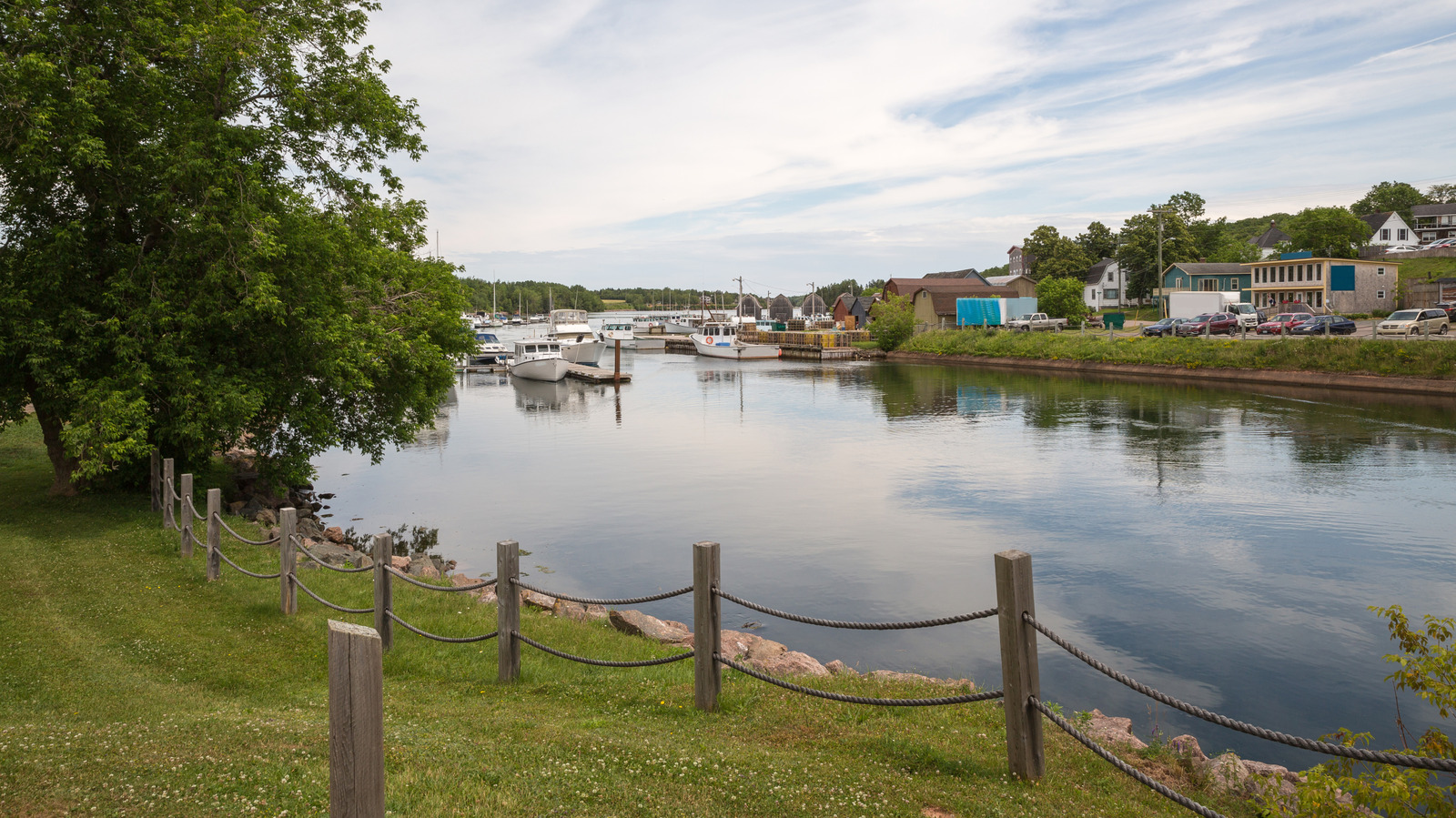
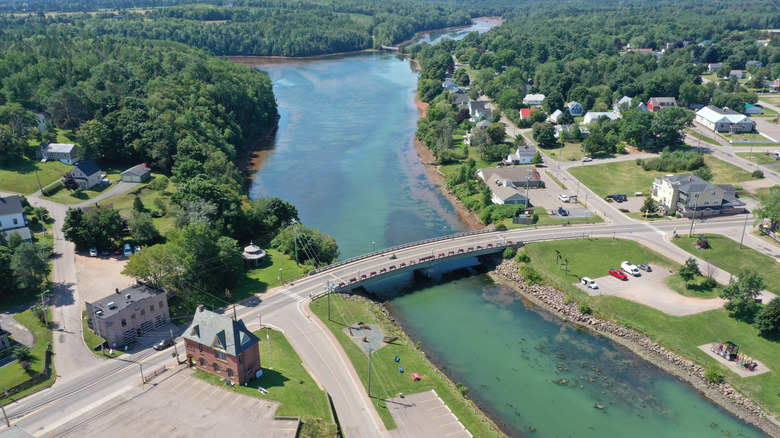
As municipal boundaries and governance models shifted across Prince Edward Island to optimize local resource management, Montague became integrated into the larger municipal entity known as Three Rivers. Formed through the amalgamation of several surrounding towns and communities, Three Rivers allows Montague to retain its distinct, village-like character while benefiting from regional administrative support. Despite administrative realignments, the community’s identity remains firmly tied to its riverbanks, its historic bridge crossings, and its tight-knit population of roughly 90 permanent residents, who act as steadfast custodians of local heritage.

Supporting Context & Metrics: Geography, Infrastructure, and Tourism
Understanding Montague requires an analysis of the geographic and demographic metrics that define Prince Edward Island’s eastern corridor.
Geographic and Demographic Profile
- Province: Prince Edward Island, Canada
- County: Kings County (the island’s easternmost municipality)
- Permanent Population: Approximately 90 residents (within the core community boundaries)
- Waterway: Straddles the Montague River, a key component of the Three Rivers watershed system
- Accessibility: Situated roughly 45 minutes by road from Charlottetown and approximately 90 minutes from the Confederation Bridge.
Recreational Infrastructure and Trails
Montague punches well above its weight class when it comes to outdoor recreation, serving as a vital nexus for active travelers:
- The Confederation Trail: Spanning nearly 280 miles across Prince Edward Island, this legendary multi-use trail system connects the tip of the island to its western shores. A primary trailhead is located directly adjacent to the Montague Waterfront Marina, granting visitors seamless entry to cross-island cycling and hiking expeditions.
- The Montague Trail: For those seeking a localized trek, this rustic 1.5-mile loop winds through lush local woodlands. Offering a modest elevation gain of 121 feet, it provides a rewarding physical challenge coupled with immersive forest views.
Culinary and Brewing Metrics
The East Coast culinary scene has undergone a quiet revolution over the past decade, shifting from traditional fare to farm-to-table and sea-to-table innovations paired with artisanal craft beverages. Montague has positioned itself at the vanguard of this movement:
- Copper Bottom Brewing: Founded by local entrepreneurs Ashley Condon and Ken Spears, this waterfront establishment anchors the town’s social fabric, offering locally crafted beers and hard seltzers alongside elevated pub fare.
- Bogside Brewing: Representing one of three regional locations on PEI, this venue extends the local culinary footprint with diverse beverage offerings, wood-fired pizzas, and classic maritime staples like fresh lobster rolls and smoked pulled pork.
Official Statements and Local Perspectives
The allure of Montague is best understood through the voices of those who live, work, and champion the region. Local stakeholders and tourism advocates frequently emphasize the balance between quiet authenticity and vibrant community enterprise.
Ashley Condon, co-founder of Copper Bottom Brewing, has often articulated the vision behind establishing a cultural hub in a small-town setting:
"We wanted to create a space that not only celebrates exceptional craft beverages but also honors the creative and communal spirit of Kings County. Montague has a rhythm all its own—one that invites people to slow down, share a meal, and connect with the landscape and each other."
Tourism development officials on Prince Edward Island frequently highlight communities like Montague as essential components of a diversified travel strategy. While primary destinations like Charlottetown draw high volumes of transient foot traffic, regional promotion boards note that prolonged economic sustainability relies on distributing visitors across smaller municipalities.
A spokesperson for regional tourism initiatives observed:
"Travelers today are increasingly seeking depth over breadth. They want authenticity, local interactions, and unhurried experiences. Montague offers precisely that—a place where history is visible in the architecture, where the trails invite personal exploration, and where local business owners welcome you like a neighbor."
Furthermore, cultural preservationists associated with the Garden of the Gulf Museum stress the importance of safeguarding local history for future generations. Maintaining structures like the 1888 former customs house ensures that the narrative of early maritime commerce remains accessible, providing educational value to both visiting families and local youth.
Future Outlook: Sustainable Tourism and Community Growth
As Prince Edward Island continues to navigate the complexities of managing nearly two million annual visitors, the future of smaller communities like Montague hinges on sustainable growth, infrastructure preservation, and the cultivation of year-round economic activity.
Balancing Preservation with Accessibility
The primary challenge facing micro-communities in maritime Canada is the preservation of their tranquil character in an era of expanding global tourism. Montague’s leadership and local business cooperatives are acutely aware of this dynamic. By prioritizing low-impact recreational tourism—such as cycling along the Confederation Trail, kayaking the Montague River, and supporting hyper-local culinary ventures—the town safeguards its environmental integrity while stimulating economic vitality.
Expanding the Shoulder Seasons
Historically, PEI tourism has experienced intense concentration during the peak summer months, tapering off significantly as autumn yields to winter. Initiatives to promote craft breweries, cozy bed-and-breakfast accommodations like Dewars Montague B&B, and historic indoor attractions such as the Garden of the Gulf Museum are paving the way for expanded shoulder-season tourism. Fall foliage tours, autumn harvest food festivals, and winter weekend getaways are gaining traction among regional road-trippers from New Brunswick, Nova Scotia, and New England.
Infrastructure Enhancements
Looking ahead, municipal planning frameworks in the Three Rivers region continue to prioritize the maintenance of green spaces, waterfront parks, and pedestrian bridges. Ensuring that infrastructure supports both non-motorized transport (such as walking and cycling) and vehicular access from major arteries like the Confederation Bridge will remain a central focus.
In conclusion, Montague stands as a testament to the enduring appeal of Canada’s East Coast. By harmonizing its rich 19th-century heritage with a modern, progressive culinary and recreational landscape, this charming riverside town offers a compelling blueprint for sustainable, authentic travel. Whether viewed as a rewarding day-trip destination from Charlottetown, a crucial milestone along the Confederation Trail, or a peaceful sanctuary for a weekend retreat, Montague captures the very essence of the Prince Edward Island daydream.