





Executive Overview
In a major escalation of its "maximum pressure" economic campaign against the Islamic Republic of Iran, the Trump administration has unveiled a sweeping set of sanctions designed to paralyze Tehran’s land-based trade routes, heavy industries, and sophisticated sanctions-evasion networks. Operating under the banner of "Operation Economic Outcast," the U.S. Department of the Treasury announced two interconnected actions targeting previously resilient sectors of the Iranian economy.
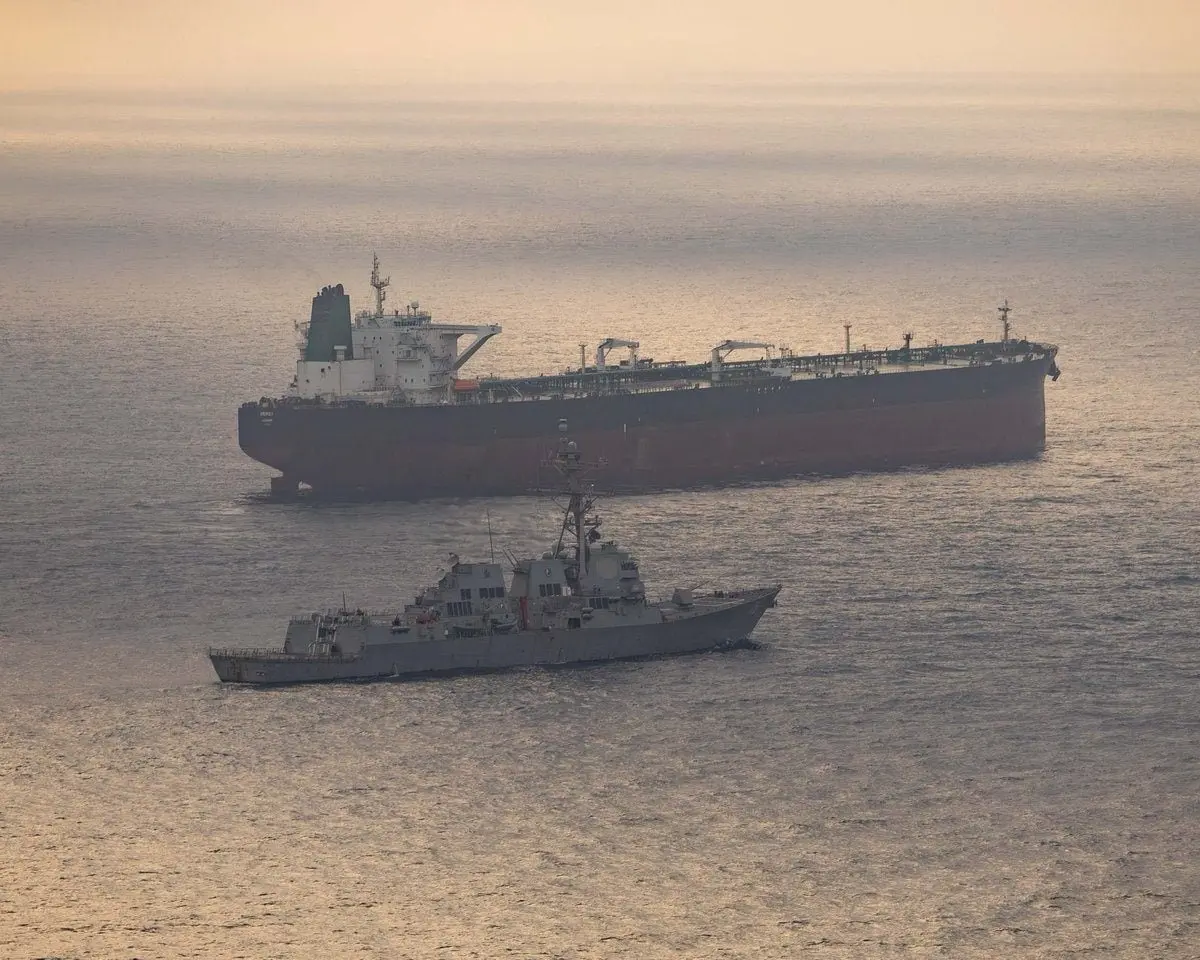
For years, Washington’s economic warfare focused primarily on Iran’s maritime petroleum exports. However, as a sustained U.S. military blockade and aggressive maritime interdictions have severely constrained traditional tanker routes, Tehran has adapted. The Treasury’s latest actions reveal that Iran has increasingly substituted maritime transport with its domestic and regional rail infrastructure, while relying on highly complex "shadow banking" networks—frequently routed through Russia and third-country intermediaries—to move billions of dollars in illicit oil and steel revenues.
┌─────────────────────────────────────────────────────────────────┐
│                 OPERATION ECONOMIC OUTCAST                      │
├────────────────────────────────┬────────────────────────────────┤
│      SECTORAL EXPANSION        │    SHADOW FINANCIAL SYSTEMS    │
│  (Executive Order 13902)       │  (FinCEN & OFAC Joint Action)  │
├────────────────────────────────┼────────────────────────────────┤
│ • State Railway (RAI) & Cargo  │ • Russia-linked "A7 Network"   │
│ • Auto Giants (Khodro, SAIPA)  │ • $17B+ in illicit transactions │
│ • Heavy Machinery (HEPCO)      │ • Ruble-backed Crypto (A7A5)   │
│ • Steel Supply Chains (Global) │ • Global front-company network │
└────────────────────────────────┴────────────────────────────────┘
By designating the state-owned rail system, the country’s dominant automotive manufacturers, and a multi-billion-dollar transnational financial network linked to Russian intelligence and financial markets, the United States is attempting to close the remaining loopholes in the international embargo. The actions signal a strategic shift: Washington is no longer merely policing the high seas; it is systematically dismantling the terrestrial and digital infrastructure that allows Tehran to survive under global isolation.
Detailed Chronology of the New Sanctions
The Treasury Department’s double-pronged offensive, executed on Thursday, represents a calculated expansion of Executive Order (E.O.) 13902, which grants the executive branch broad authority to target any sector of the Iranian economy.
Phase I: Targeting the Terrestrial Arteries (Rail, Auto, and Heavy Industry)
The first action formally establishes Iran’s automotive and railway industries as sanctionable sectors under E.O. 13902. This designation allows the Office of Foreign Assets Control (OFAC) to target not only Iranian state enterprises but also any foreign entity, supplier, or financial institution facilitating transactions for these industries.
1. The Railway Network
At the center of this designation is the state-owned Islamic Republic of Iran Railway Company (RAI). Alongside RAI, the Treasury blacklisted Raja Passenger Trains Company and the prominent cargo and freight operator Sherkat-E Rah Ahan-E Khamle-O-Naghle. According to intelligence cited by U.S. officials, as the U.S. naval presence restricted maritime trade in the Persian Gulf and the Red Sea, the Iranian regime pivoted to rail corridors. These networks have been used to transport bulk commodities, industrial inputs, and refined petroleum products to neighboring countries, bypassing maritime choke points entirely.
2. The Automotive Monopolies
The automotive sector is Iran’s second-largest industry after oil and gas, representing a crucial pillar of domestic employment and industrial capacity. The Treasury targeted Iran Khodro Company and SAIPA Iranian Automobile Manufacturing Company, which together control over 90% of Iran’s domestic automotive market. The sanctions also swept up a vast ecosystem of truck, bus, and motorcycle manufacturers, alongside procurement networks spanning the United Arab Emirates (UAE), Turkey, Indonesia, and Hong Kong that supply critical dual-use components.

3. Heavy Equipment and Metallurgy
Further extending its reach into heavy industry, the Treasury designated the Heavy Equipment Production Company (HEPCO), Iran’s largest heavy machinery manufacturer, along with its China-based subsidiary. U.S. officials assert that HEPCO’s industrial machinery is directly utilized by the Islamic Revolutionary Guard Corps (IRGC) to construct military fortifications, underground missile silos, and strategic logistics depots.
In tandem, a global crackdown on Iran’s steel sector targeted intermediary firms in Germany, the UAE, China, and Hong Kong. These firms are accused of supplying raw graphite and metallurgical inputs to Iranian producers or facilitating the export and laundering of Iranian steel payments.
                     ┌───────────────────────────┐
                     │  Iran Steel & Oil Exports │
                     └─────────────┬─────────────┘
                                   │ (Illicit Shipments)
                                   ▼
                    ┌─────────────────────────────┐
                    │ Ramin Keshvardoust Network  │
                    └─────────────┬─────────────┘
                                   │ (Payment Laundering)
                                   ▼
                    ┌─────────────────────────────┐
                    │    Shadow Banking System    │
                    └─────────────────────────────┘
This industrial dragnet also targeted a network managed by Ramin Keshvardoust, an Iranian-Dominican dual national. Treasury investigators allege that Keshvardoust utilized a complex array of front companies under his personal control to disguise and facilitate tens of millions of dollars in Iranian steel and oil shipments, funneled directly through clandestine financial channels.
Phase II: Dismantling the "A7 Network" Shadow Bank
The second, and perhaps more sophisticated, action focused on the A7 Network, a highly structured, Russia-linked financial apparatus. U.S. officials identify the A7 Network as a critical "shadow banking" system used by the Iranian regime to move capital, liquidate oil revenues, and fund covert weapons procurement.
In a coordinated move, the Treasury’s Financial Crimes Enforcement Network (FinCEN) proposed a specialized rule to prohibit U.S. financial institutions from processing transfers involving specific companies acting as sub-agents for the A7 Network. Concurrently, OFAC designated the broader A7 Network as a Significant Transnational Criminal Organization (TCO), putting it on par with major international drug cartels and syndicates.
The mechanics of the A7 Network reflect the evolving sophistication of modern sanctions evasion:
- Trade-Based Money Laundering: The network operates through shell companies established in third-country jurisdictions. These entities generate falsified trade documents, altered import-export records, and dummy descriptions of goods to present illicit financial transfers as benign, routine commercial transactions.
- The $17 Billion Ledger: According to Treasury data, A7-linked companies processed an astonishing $17 billion between January 2025 and June 2026 alone.
- Maritime Integration: One designated A7 sub-agent transacted directly with entities managing Iran’s "shadow fleet"—the aging, uninsured tankers that transport Iranian crude under flags of convenience. This sub-agent, alongside an associated shell company, allegedly received nearly $140 million directly from entities tied to Iranian state-sponsored sanctions evasion.
- Weapons Procurement: Another branch of the network was caught transferring approximately $1.6 million to a front company linked to the procurement of dual-use electronics destined for Iranian drone and missile programs.
- Cryptocurrency Integration: To bypass the SWIFT banking network entirely, the A7 Network utilized the A7A5 digital token. This ruble-backed cryptocurrency was issued by Old Vector LLC, a previously sanctioned Russian fintech firm. The token was explicitly engineered to facilitate cross-border, high-value B2B transactions outside the view of Western regulators.
Supporting Context & Metrics: The Geopolitical and Economic Landscape
To understand the scale of these sanctions, it is necessary to examine the macroeconomic pressures bearing down on the Iranian regime.
The Shift from Sea to Land
For decades, Iran’s economic lifeline was its maritime oil trade. However, the U.S. military’s enhanced maritime interdiction efforts, combined with aggressive secondary sanctions on international shipping registries, insurers, and port operators, have severely restricted the movement of Iranian tankers.
While the Treasury Department claimed on Thursday that Iranian oil revenues have "fallen to zero" under the weight of the current blockade, independent energy analysts and maritime tracking firms view this claim with skepticism. While official, direct exports to traditional buyers have plummeted, clandestine transfers—often involving ship-to-ship (STS) transfers in international waters, AIS transponder spoofing, and renaming of vessels—continue to leak crude to private refiners, primarily in China.
Nevertheless, the pressure on maritime routes has forced Tehran to rely on terrestrial alternatives. Iran’s rail network, operated by RAI, connects the country to Central Asia, Turkey, and ultimately Europe and China. By utilizing rail, Iran can transport petrochemicals, condensate, and industrial goods across land borders where U.S. naval assets have no jurisdiction.
       CONVENTIONAL MARITIME PATHWAY       │        TERRESTRIAL RAIL PATHWAY
                                           │
  ┌─────────────────────────────────────┐  │  ┌─────────────────────────────────────┐
  │      Iranian Oil Terminal           │  │  │      Industrial Production Site     │
  └──────────────────┬──────────────────┘  │  └──────────────────┬──────────────────┘
                     │                     │                     │
                     ▼                     │                     ▼
  ┌─────────────────────────────────────┐  │  ┌─────────────────────────────────────┐
  │   Shadow Fleet Tanker (AIS Spoofed) │  │  │  State Railway (RAI) / Cargo Rail   │
  └──────────────────┬──────────────────┘  │  └──────────────────┬──────────────────┘
                     │                     │                     │
                     ▼                     │                     ▼
  ┌─────────────────────────────────────┐  │  ┌─────────────────────────────────────┐
  │  Naval Interdiction / Port Denial   │  │  │ Land Borders (Central Asia/Turkey)  │
  │         (High Western Risk)         │  │  │        (Zero Maritime Risk)         │
  └─────────────────────────────────────┘  │  └─────────────────────────────────────┘
The Scale of the Shadow Financial Infrastructure
The discovery of the A7 Network’s $17 billion transaction volume over an 18-month period highlights the massive scale of the parallel financial system constructed by Moscow and Tehran. Since the invasion of Ukraine and the subsequent imposition of Western sanctions on Russia, the two nations have rapidly integrated their financial systems.
This integration is characterized by:
- The Linking of National Payment Systems: Connecting Russia’s SPFS (System for Transfer of Financial Messages) with Iran’s Shetab network.
- The Use of Stablecoins and Crypto: Utilizing assets like the ruble-backed A7A5 token to settle bilateral trade balances without converting funds into U.S. dollars or Euros.
- The Proliferation of "Nest" Accounts: Establishing accounts in regional hubs—such as the UAE, Turkey, and Central Asian republics—held by shell companies but controlled by state-backed actors in Moscow and Tehran.
Official Statements and Policy Intent
The announcements were accompanied by strong rhetoric from senior administration officials, signaling a determination to close all remaining financial escape routes.
Treasury Secretary Scott Bessent framed the designations as a decisive blow against the financial networks sustaining the Iranian regime’s regional activities and domestic survival.
"Today’s action directly targets Iran’s enablers and lays the groundwork for the United States and our partners to drain the regime’s revenue once and for all," Bessent stated. "We will not allow Tehran to exploit alternative transport sectors or sophisticated digital financial networks to evade the consequences of its destabilizing behavior. The international financial system must remain hostile to those who facilitate Iran’s illicit commerce."
Administration officials also emphasized that these actions are part of a coordinated, multi-agency effort. The Department of Justice and the Department of Commerce are reportedly working alongside Treasury to investigate and prosecute corporate entities and individuals who violate these expanded sanctions, particularly those operating in third countries like Turkey, the UAE, and Germany.
Future Outlook: The Escalating Chokepoints of Economic Warfare
The expansion of sanctions to Iran’s rail, automotive, and shadow banking sectors marks a new chapter in the economic confrontation between Washington and the Tehran-Moscow axis.
Key Implications for Global Stakeholders
┌─────────────────────────────────────────────────────────────────────────┐
│                       IMMEDIATE GLOBAL IMPACTS                          │
├───────────────────────────────┬─────────────────────────────────────────┤
│                               │ • Multi-national supply chains face     │
│  Secondary Sanctions Risk     │   severe compliance burdens.            │
│                               │ • Foreign banks risk loss of U.S.       │
│                               │   correspondent accounts.               │
├───────────────────────────────┼─────────────────────────────────────────┤
│                               │ • Traditional maritime corridors are    │
│  Logistics & Infrastructure   │   deemed highly insecure.               │
│                               │ • Investment in Eurasian rail projects  │
│                               │   (INSTC) faces compliance freezes.     │
├───────────────────────────────┼─────────────────────────────────────────┤
│                               │ • Russia-Iran financial integration     │
│  Financial Technology         │   will accelerate via sovereign digital │
│                               │   currencies and alternative systems.   │
└───────────────────────────────┴─────────────────────────────────────────┘
1. Severe Secondary Sanctions Exposure
The inclusion of the automotive and rail sectors under E.O. 13902 dramatically increases the risk of secondary sanctions for foreign companies. Any international logistics provider, equipment supplier, or bank doing business with RAI, Iran Khodro, or SAIPA now faces the prospect of being cut off from the U.S. financial system. This will likely freeze legitimate foreign investment and trade in these sectors, further isolating the Iranian domestic economy.
2. The Battle Over Eurasian Transport Corridors
By targeting the rail sector, the United States is directly challenging the development of the International North-South Transport Corridor (INSTC)—a multi-modal transit network designed by Russia, Iran, and India to bypass traditional Western-dominated maritime trade routes. Washington’s ability to monitor and disrupt terrestrial trade along this corridor will serve as a key test of the limits of U.S. economic hegemony.
3. Accelerated Russia-Iran Financial Convergence
As Western sanctions drive Russia and Iran closer together, the development of alternative financial mechanisms will likely accelerate. The use of the A7A5 digital token is a harbinger of future state-backed efforts to construct sovereign, blockchain-based clearing systems that operate entirely outside the jurisdiction of Western regulators. The U.S. Treasury’s ability to trace, identify, and neutralize these digital assets will determine the long-term efficacy of its sanctions program.
4. Compliance Pressures on Third-Country Hubs
The explicit targeting of intermediaries in the UAE, Turkey, and Hong Kong signals that Washington is losing patience with jurisdictions that tolerate "shadow" operations. Financial institutions in these regional hubs will face increased pressure from U.S. regulators to enhance their Know Your Customer (KYC) and Anti-Money Laundering (AML) protocols, or risk losing their vital U.S. dollar correspondent banking relationships.
Ultimately, "Operation Economic Outcast" represents an attempt to build an airtight economic barrier around Iran. As the Trump administration targets the final remnants of Tehran’s industrial and financial infrastructure, the conflict has evolved from a battle over oil tankers into a highly technical war of attrition waged across railway networks, foreign corporate registries, and digital ledgers.