









Executive Overview
Tucked away in the dense pine forests of East Texas, roughly 55 minutes north of downtown Houston and a little over two hours southeast of Waco, lies a glittering 22,000-acre aquatic playground known as Lake Conroe. Created out of sheer necessity during the crippling statewide droughts of the 1950s, this massive man-made reservoir has transformed over the decades from a utilitarian water-supply project into one of the premier leisure, boating, and residential destinations in the American South.
Boasting 157 miles of scenic shoreline, Lake Conroe bridges the gap between urban convenience and natural escape. It serves as a vital economic engine for Montgomery County—one of the fastest-growing regions in the United States—while simultaneously offering a dizzying array of recreational opportunities. From upscale resorts and charming marina villages to tranquil sandy coves and vibrant nightlife, the lake attracts hundreds of thousands of visitors each year.
Yet, this rapid ascension comes with inherent growing pains. As Lake Conroe has evolved into a premier hotspot for water sports, luxury real estate development, and weekend tourism, it has also grappled with high-stakes challenges. Balancing the needs of municipal water management, explosive residential growth, environmental preservation, and public safety on increasingly crowded waters remains a complex puzzle for local authorities, residents, and business owners alike.
Detailed Chronology: The Genesis and Rise of Lake Conroe
The Desperation of the 1950s Drought
The story of Lake Conroe is fundamentally a tale of human ingenuity born out of environmental crisis. During the 1950s, the state of Texas was gripped by a historic, multi-year drought that decimated local agriculture, choked municipal water supplies, and forced civic leaders to rethink how the region stored and managed its scarce water resources.
The San Jacinto River, which historically flowed freely through the region, was identified as a prime candidate for impoundment. Planners realized that harnessing the river’s watershed could create a reliable, alternative surface-water reservoir to supplement the rapidly depleting underground aquifers and supply the burgeoning metropolitan needs of Houston and Montgomery County.
Construction and Filling (1960s–1970s)
Planning and construction of the dam and reservoir commenced in earnest, leading to the official impoundment of water to form Lake Conroe in the late 1960s and early 1970s. The project permanently altered the local landscape, submerging timberlands, riverbeds, and rural acreage to carve out a massive aquatic basin.
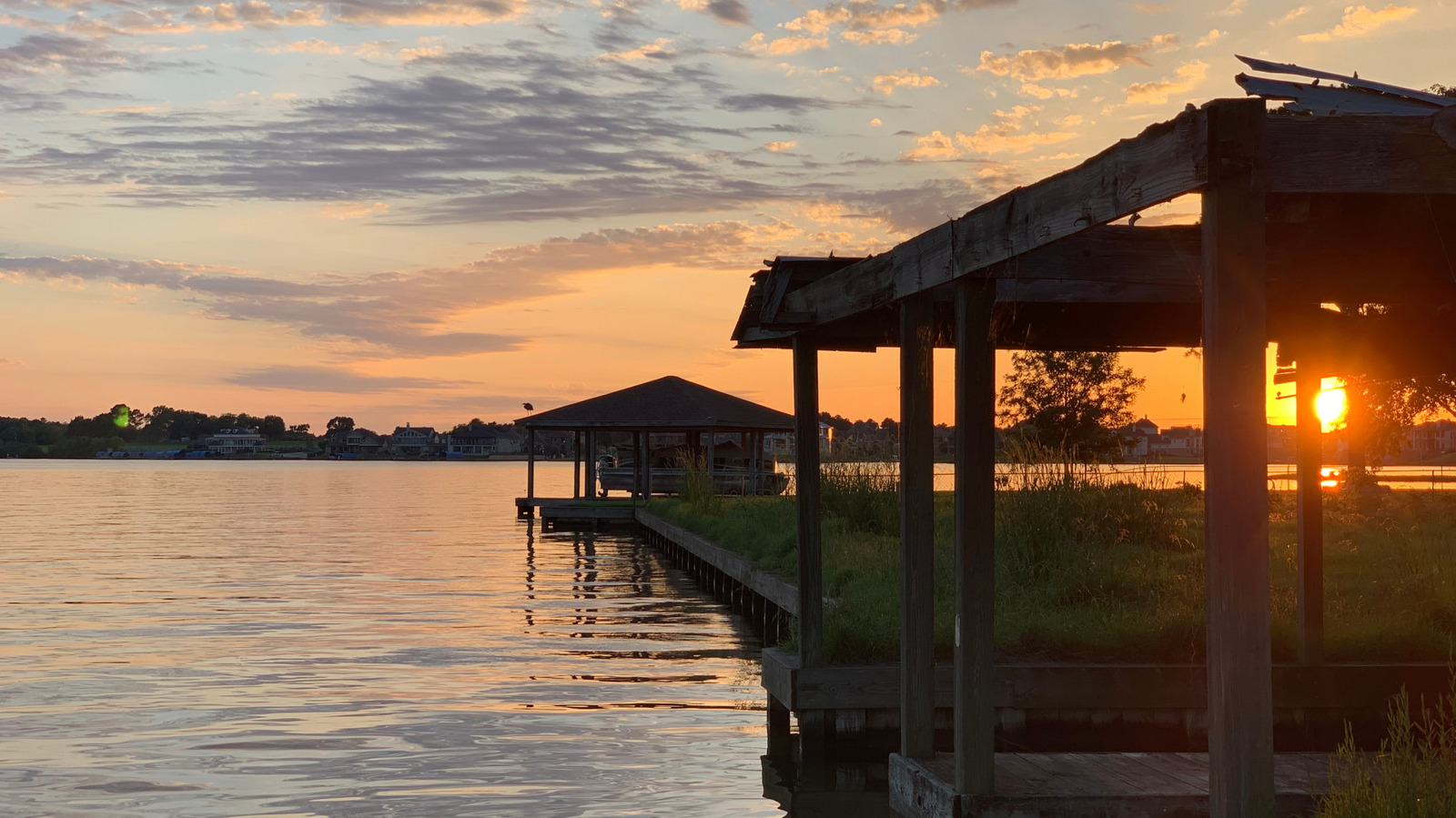
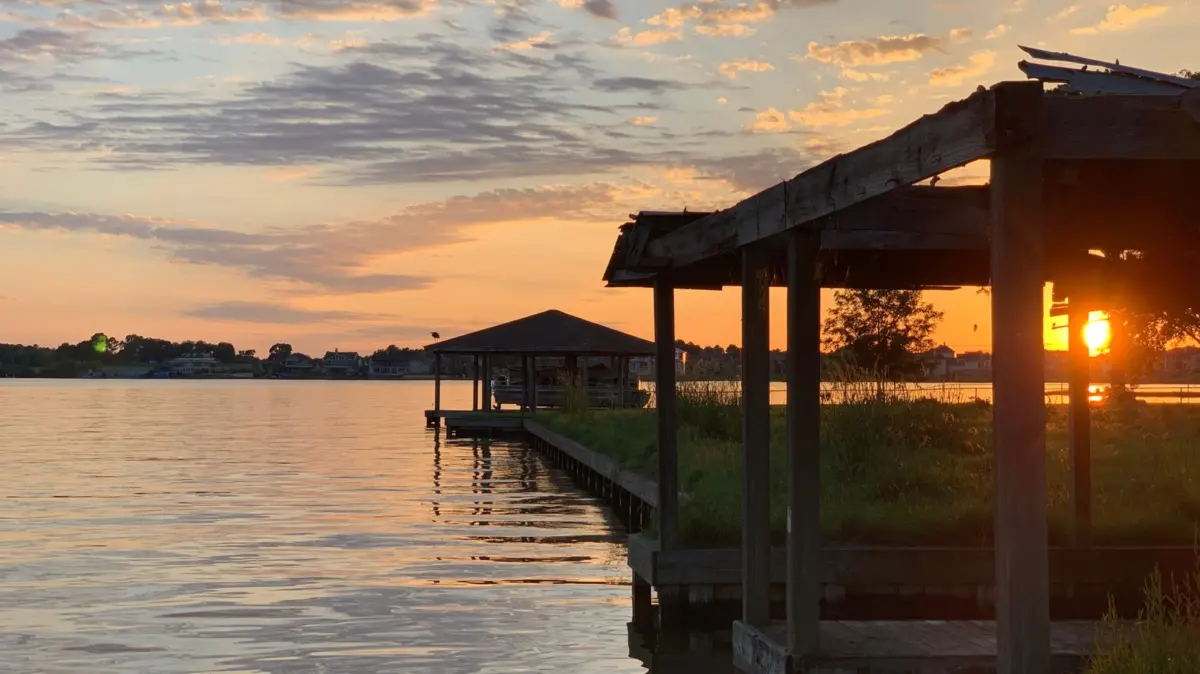
Initially, the lake functioned primarily as a water conservation project and a quiet haven for local anglers. In its earliest decades, the surrounding shoreline was characterized by dense pine forests, modest fishing cabins, and quiet weekend retreats. However, the sheer scale of the 22,000-acre basin ensured that it would not remain a quiet local secret for long.

The Real Estate and Commercial Boom (1980s–Present)
As the Houston metropolitan area expanded northward along Interstate 45, Montgomery County transformed from a sleepy rural outpost into a booming suburban corridor. Real estate developers quickly recognized the immense value of Lake Conroe’s 157-mile shoreline.
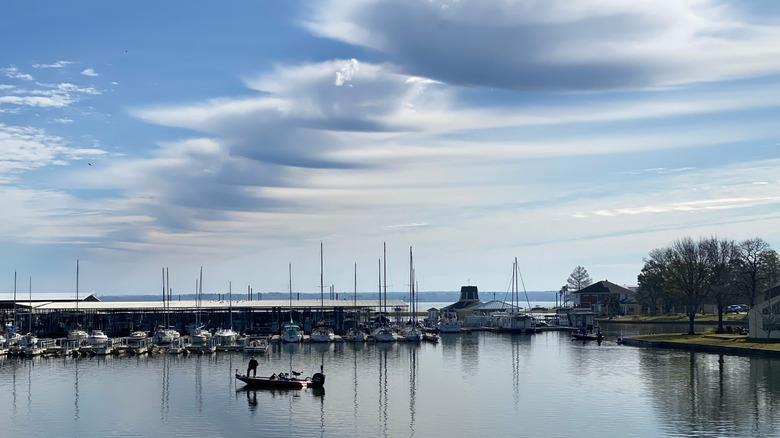
Throughout the late 20th and early 21st centuries, the landscape underwent a radical metamorphosis. Modest fishing camps were systematically replaced by multi-million-dollar gated communities, high-end golf courses, tennis complexes, and sprawling resort properties like the renowned Margaritaville Lake Resort. Marinas evolved from simple fuel docks into sophisticated mixed-use complexes featuring waterfront dining, boutiques, and entertainment venues, cementing Lake Conroe’s status as a premier vacation destination.
Supporting Context & Metrics: Geography, Economy, and Hazards
Hydrology and the Elements
Lake Conroe is engineered to withstand the punishing Texas climate, though it faces a relentless battle against natural evaporation. During peak summer months, the intense Lone Star sun can evaporate up to 180 million gallons of water per day from the reservoir’s surface.
Despite these losses, the lake maintains an average depth and vast surface area that make it uniquely suited for a wide variety of watercraft. It is widely recognized by angling enthusiasts as one of the best bodies of water in Texas for smooth-water cruising and slow-paced fishing, boasting healthy populations of largemouth bass, catfish, and hybrid striped bass.
The Economic Engine and Real Estate Surge
The growth surrounding Lake Conroe mirrors the explosive economic expansion of Conroe, Texas, which consistently ranks among the fastest-growing cities in the United States. Property values along the shoreline have skyrocketed, drawing retirees, remote workers, and affluent commuters from Houston who desire a waterfront lifestyle without sacrificing urban proximity.
Mixed-use developments, such as the Waterpoint Center on the lake’s southern shore, highlight how commercial investments have kept pace with residential growth. These hubs combine essential services, boutique shopping, and diverse culinary offerings—ranging from authentic Tex-Mex to high-end Asian fusion—creating self-sustaining communities along the water’s edge.
Navigating the Risks: Safety on Crowded Waters
While Lake Conroe’s popularity is undeniable, its rapid rise in visitorship has introduced significant safety concerns. During peak summer holidays and weekends, the lake transforms into a high-traffic maritime thoroughfare. The convergence of experienced boaters, inexperienced weekend operators, personal watercraft (jet skis), and swimmers in a relatively confined space has earned Lake Conroe an unfortunate reputation as one of the deadliest lakes in Texas.
Law enforcement agencies, game wardens, and local rescue squads frequently contend with boating accidents, reckless navigation, and alcohol-related incidents. Wildlife hazards also require vigilance; visitors swimming outside designated areas must remain mindful of native Texas wildlife, including American alligators that inhabit the less-developed coves and shorelines.
Public parks and designated swim zones—such as the Scott’s Ridge Swim Area, Lake Conroe Beach Park, and Evan’s Cove—have been established to provide safe, controlled environments for families and swimmers looking to enjoy the water away from high-speed boat traffic.
Official Perspectives and Local Culture
Balancing Growth and Preservation
Local government officials, water authorities, and environmental advocates continually navigate the delicate balance between promoting tourism and maintaining ecological and public safety standards. The San Jacinto River Authority (SJRA), which manages the reservoir’s water rights and operations, works closely with local municipalities to monitor water quality, control invasive aquatic vegetation, and manage flood releases during severe weather events.
Community leaders emphasize that sustainable growth is critical. "Lake Conroe is our most precious natural and economic asset in Montgomery County," notes regional planning officials. "Protecting its water quality, ensuring safe navigation for all users, and maintaining the integrity of our surrounding communities require constant, proactive collaboration between public agencies and private stakeholders."
The Local Flavor: Festivals, Cruising, and Ramp Culture
Beyond the water sports and real estate, Lake Conroe has cultivated a distinct local culture. Visitors seeking a leisurely experience frequently book sunset dinner cruises aboard historic vessels like the Southern Empress, which offers panoramic views of the changing Texas sky coupled with live entertainment.
Meanwhile, local folklore and community humor highlight the lighter side of lake life. The annual festival season in April draws massive crowds, but nothing quite captures the local social media zeitgeist like the weekend spectacle at the lake’s public boat ramps. As locals frequently observe online and in community forums, watching amateur boaters attempt complex maneuvers during peak summer holidays provides an endless source of local entertainment—complete with jackknifed trailers, flooded trucks, and the occasional comical mishap that has become a rite of passage for summer on the water.
Future Outlook: What Lies Ahead for Lake Conroe?
As Lake Conroe looks toward the future, its trajectory will be defined by how effectively the region manages its continued expansion and environmental pressures.
- Infrastructure and Safety Enhancements: Local law enforcement and maritime safety organizations are expected to increase patrols, implement stricter safety education programs, and upgrade navigation aids to mitigate the risks associated with high-density boat traffic.
- Water Resource Management: With climate patterns becoming increasingly unpredictable, protecting the reservoir’s water levels against severe droughts and managing stormwater runoff during extreme weather events will remain top priorities for the SJRA and municipal leaders.
- Sustainable Tourism and Development: Future real estate and commercial projects will likely face stricter ecological oversight to prevent shoreline erosion, preserve water quality, and maintain the natural beauty that initially drew visitors to the pine-fringed shores of East Texas.
Ultimately, Lake Conroe stands as a testament to human adaptability—turning a drought-era survival project into a vibrant, multifaceted destination. By honoring its roots while thoughtfully managing its future, Lake Conroe is poised to remain a crown jewel of Texas tourism and residential living for generations to come.