






Executive Overview
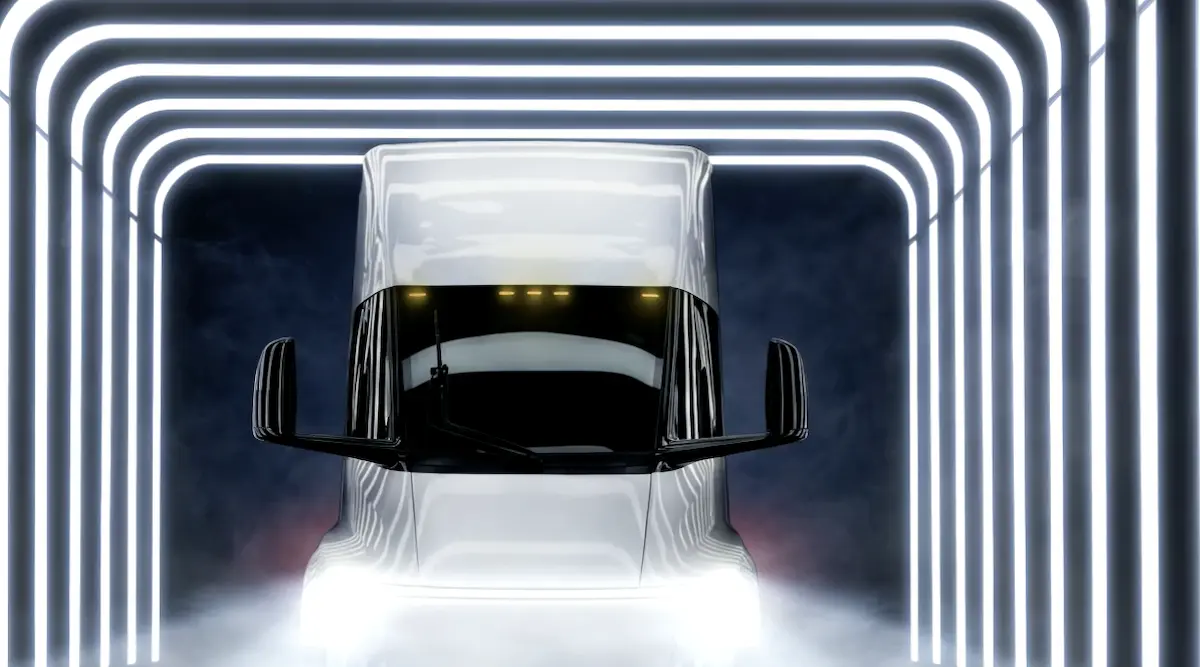
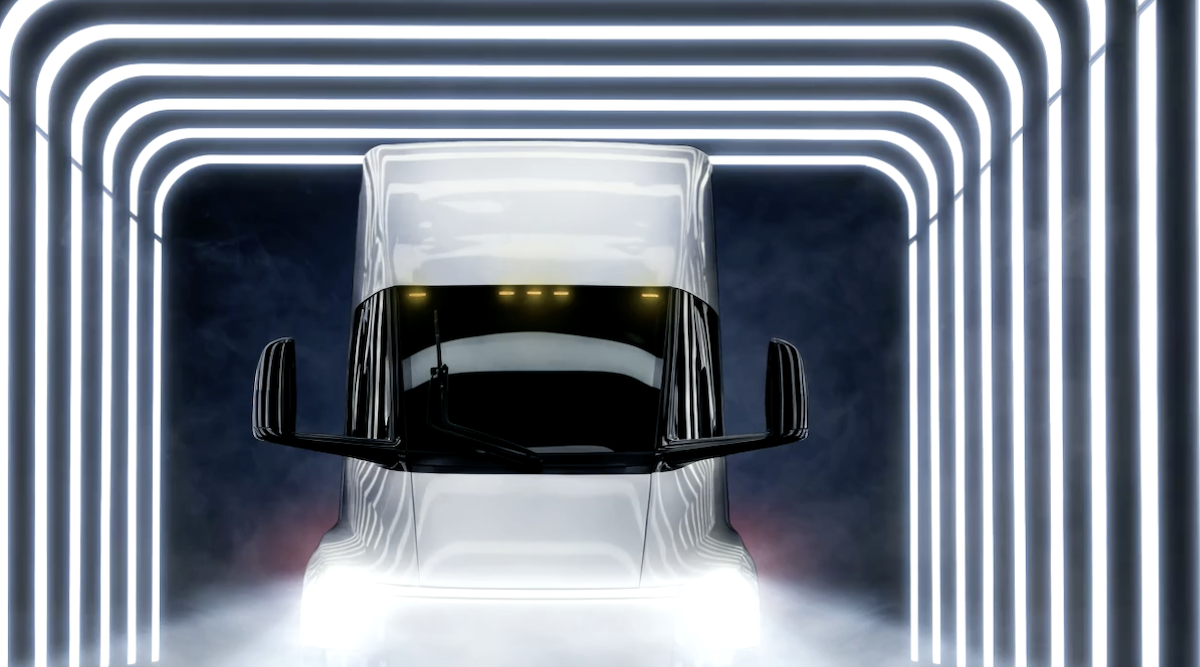
The commercial rollout of the Tesla Semi Class 8 electric truck should represent an unalloyed victory for the world’s most prominent electric vehicle manufacturer. Sleek, powerful, and steadily proving its mettle in early fleet trials, the Semi is shaping up to be another major commercial triumph for the automaker. Yet, when the ribbon was officially cut at the state-of-the-art Semi manufacturing facility in Nevada, a notable figure was conspicuously absent from the physical stage: Tesla Chief Executive Officer Elon Musk.
Instead of addressing the assembled crowd, industry analysts, and automotive press in person, Musk presided over the milestone via a pre-recorded video presentation. This remote appearance marks a growing trend for the billionaire entrepreneur, who similarly skipped the high-profile Austin, Texas launch of the Tesla Cybercab driverless robotaxi earlier in the month.
Musk’s physical absence from these pivotal corporate milestones raises an unavoidable question: Where in the world is Elon Musk, and why is he keeping his distance from the very operational successes he helped architect?
A convergence of overlapping pressures appears to be driving this strategic reticence. From high-stakes political maneuvers in Washington, D.C., and soaring expenditures through his political action committee, to renewed legal battles over racial discrimination at Tesla’s flagship Fremont factory and intense media scrutiny surrounding a new critical documentary, Musk finds himself at the epicenter of a complex cultural and political storm. This investigative report examines the chronology, underlying metrics, and broader implications of Musk’s recent disappearances from the Tesla frontline, contextualizing how his sprawling global portfolio and polarizing public profile are actively intersecting with the automaker’s future.
Detailed Chronology of Recent Events
To understand the current climate surrounding Tesla and its chief executive, it is necessary to trace a dense timeline of overlapping corporate, legal, and political flashpoints that have defined the fall of 2026.
Early September 2026: The Cybercab and Semi Debuts
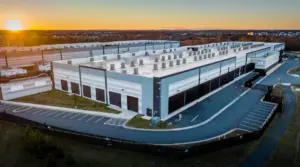
The pattern of remote or low-profile leadership crystallized at the beginning of the month. On September 3, Tesla hosted a heavily promoted debut for the Cybercab robotaxi in Austin, Texas. While expectations were high for a grand keynote from the CEO, Musk’s physical presence was notably minimized. Just weeks later, this dynamic repeated itself at the official opening of the Nevada Semi factory. Rather than delivering an in-person address to celebrate the scaling of Class 8 electrification, Musk phoned it in via a curated video stream.
Mid-September 2026: Legal Fronts and the White House Dinner
While the Nevada facility was coming online, external pressures were mounting. On September 21, Reuters reported that a high-stakes racial discrimination lawsuit brought against Tesla’s Fremont, California factory by the California Civil Rights Department was finally heading to trial. This landmark case represents only one front in a broader legal war, running concurrently with a federal lawsuit from the U.S. Equal Employment Opportunity Commission (EEOC) alleging systemic racial harassment, alongside dozens of individual worker claims.
Simultaneously, Musk found himself participating in elite circles of geopolitical and corporate influence. The Tesla chief was among the high-profile guests at a lavish White House state dinner honoring Chinese President Xi Jinping. Interestingly, while fellow automotive executive Mary Barra attended in her capacity as CEO of General Motors, Musk’s invitation was reportedly extended via his aerospace venture, SpaceX, rather than Tesla—a subtle distinction that fueled speculation regarding how the automaker’s brand is currently being positioned within federal political circuits.
Late September 2026: Documentary Controversy and Midterm Spending
As the month progressed, the cultural atmosphere grew even more turbulent with the rollout of Musk, an unflinching biographical documentary directed by award-winning filmmaker Alex Gibney and produced by Jigsaw Productions. The film immediately sparked a media firestorm when reports emerged that major technology platforms—including YouTube, TikTok, Instagram, Meta, and even Musk’s own social media platform, X (formerly Twitter)—initially restricted or outright refused advertising for the trailer.
The ensuing controversy generated headlines across the media landscape, capturing the paradox of a self-styled "free speech absolutist" whose corporate ecosystem was accused of suppressing critical media. By the final week of September, however, digital gatekeepers began reversing course. Meta attributed the blockage to an automated error and restored the ads, while YouTube maintained that the trailer had always been accessible on its platform despite temporary automated ad-delivery restrictions.
Concurrently, financial disclosures revealed the massive scope of Musk’s electoral footprint. Through his personal political action committee, America PAC, Musk injected tens of millions of dollars into key midterm races, focusing heavily on contested Senate and House seats to defend Republican congressional majorities.
Supporting Context and Metrics
To fully grasp the magnitude of these intersecting narratives, we must examine the quantitative realities governing Musk’s political expenditures, legal liabilities, and market pressures.
The Financial Footprint of America PAC
During the 2026 election cycle, Musk transitioned from overt, polarizing personal campaign appearances—which many analysts believe triggered a voter backlash in the previous year’s Wisconsin Supreme Court election—to a strategy centered on financial dominance. According to disclosures analyzed by the Detroit News, Musk’s America PAC ramped up midterm spending dramatically, allocating:
- $16.6 million toward high-profile U.S. Senate contests in competitive states including Ohio, Michigan, Iowa, and Maine.
- $6.3 million dedicated exclusively to the high-stakes Texas U.S. Senate race to prop up the campaign of Republican candidate Ken Paxton.
- $3.1 million distributed across more than 30 competitive U.S. House districts to safeguard Republican legislative majorities.
This aggressive fiscal intervention places Musk at the very center of American electoral politics, even as federal agencies and policy shifts—partially influenced by broader budget-cutting initiatives associated with his past government advisory work—reverberate through domestic institutions, affecting everything from federal nutrition assistance programs (SNAP) to broader agricultural supply chains.
Legal and Operational Pressures at Tesla
While capital flows outward into political campaigns, capital and operational focus must also contend with severe internal liabilities. The systemic labor and civil rights challenges facing Tesla cannot be understated. The convergence of the California Civil Rights Department lawsuit, the EEOC federal harassment filings, and dozens of private civil suits create a multi-layered legal jeopardy centered on the Fremont manufacturing plant.
These legal battles arrive at a delicate time for vehicle manufacturing scale-ups. The Tesla Semi, while technologically validated and commercially demanded, requires pristine operational execution to meet aggressive delivery schedules. Similarly, the commercialization timeline of the Cybercab faces rigorous oversight from federal safety regulators, including the National Highway Traffic Safety Administration (NHTSA), which has continuously pressed the automaker for detailed data regarding its full self-driving architecture.
Official Statements and Industry Reactions
The cascading controversies surrounding Musk’s companies and public image have elicited a range of formal responses from corporate spokespeople, platform administrators, and legal representatives.
Regarding the sudden suppression and subsequent restoration of promotional material for the Musk documentary, platform representatives offered clarifying statements. A Meta spokesperson told TheWrap on September 27:
"This was an error and we’re restoring the ads."
Concurrently, YouTube addressed allegations of ad censorship by clarifying its platform policies through social media channels, asserting that the documentary’s trailer remained accessible on the platform organically, while noting that automated moderation systems had temporarily flagged and restricted the paid promotional asset upon initial submission.
Regarding political expenditures and strategic alignments, representatives for America PAC have consistently defended their targeted investments as a vital exercise in democratic participation aimed at fostering economic deregulation and fiscal conservatism. However, critics and good-government watchdogs have raised alarms over data-collection practices linked to voter outreach portals—such as the warning issued regarding lookalike voter registration domains—reminding the public to rely on verified official registries like Vote.gov.
Tesla executives and corporate communications teams have largely sought to pivot public attention back to engineering achievements, emphasizing that the Nevada Semi factory opening represents a monumental leap forward for heavy-duty commercial freight electrification, regardless of whether the chief executive is physically present on the showroom floor.
Future Outlook: Navigating the Intersection of Tech, Politics, and Accountability
As the automotive industry barrels toward an electrified and autonomous future, the trajectory of Tesla remains inextricably linked to the personal brand, political ambitions, and legal horizons of Elon Musk.
The strategy of "phoning it in" for major corporate unveilings—while managing a sprawling empire that spans private space exploration, global social media infrastructure, heavy manufacturing, and partisan electoral financing—suggests a fundamental evolution in how corporate leadership is executed in the modern era. No longer bound to the physical factory floor or the traditional ribbon-cutting ceremony, Musk operates as an omnipresent digital entity whose influence is felt more through capital deployment, algorithmic reach, and policy maneuvering than physical attendance.
However, this remote posture carries distinct risks. As Tesla faces mounting scrutiny over workplace civil rights, regulatory hurdles for autonomous driving, and fierce global competition in the electric vehicle market, institutional investors and everyday consumers alike will be watching closely to see whether absentee leadership compromises operational execution.
Ultimately, the events of this past month serve as a stress test for the Tesla ecosystem. Whether Musk is walking the floor of the Fremont factory, addressing crowds in Nevada, or funding congressional campaigns from afar, the friction between his outsized personal footprint and the corporate realities of Tesla will continue to shape the contours of the green energy transition for years to come.