








Executive Overview
Water intrusion within a marine engine’s lubrication system is one of the most perilous mechanical failures a mariner can encounter on the water. When water mixes with engine oil, it fundamentally alters the fluid’s chemical and physical properties, destroying its capacity to lubricate critical moving parts. For vessel operators, discovering milky, frothy, or light brown oil on the dipstick demands an immediate, decisive response: shutdown.
Operating an internal combustion marine engine with contaminated oil can result in catastrophic internal damage within a matter of minutes. Bearings can seize, cylinder walls can score, and connecting rods can bend or fracture, transforming a potentially repairable gasket issue into a total engine replacement. Beyond the mechanical implications, engine failure introduces severe navigational hazards, particularly if the vessel loses propulsion in heavy seas, restricted channels, or high-traffic waterways.
This comprehensive briefing examines the technical indicators of water-contaminated engine oil, the primary failure points that allow moisture into the lubrication system, the absolute risks of attempting to operate a compromised engine, and the professional on-water protocols required to ensure crew safety and vessel recovery through organizations like Sea Tow®.

Detailed Chronology: Anatomy of a Marine Engine Contamination Event
Understanding how water invades a marine lubrication system requires tracing the mechanical breakdown step-by-step. While the ultimate symptom—discolored oil—appears suddenly, the root cause usually develops through a precise chain of events.
Phase 1: The Precursor Event
The chronology of water intrusion almost always begins with a localized failure. In many instances, the precursor is severe engine overheating. Whether caused by a clogged raw-water intake, a failing water pump impeller, or a blocked heat exchanger, extreme thermal stress warps metal components. Cylinder heads and engine blocks expand unevenly, placing immense pressure on gaskets and seals. Alternatively, prolonged exposure to saltwater can induce aggressive corrosion in exhaust manifolds or risers, slowly eating away at the physical barriers separating the cooling passages from the engine interior.
Phase 2: The Breach
Once a barrier fails, water finds a pathway into the crankcase. In a blown head gasket scenario, cooling fluid or raw water seeps past the damaged seal directly into the oil galleries or cylinders, eventually draining down into the oil pan. In cases of exhaust manifold failure, raw cooling water backs up through the exhaust valves—especially if the engine is cranked or shut down improperly—and fills the cylinders, washing past the piston rings and pooling in the oil supply.
Phase 3: Emulsification
Oil and water naturally repel each other, but the violent agitation of a running engine forces them together into an emulsion. As the mechanical components churn the mixture, clean amber or dark brown oil transforms into a thick, opaque, light brown or milky substance. This emulsion has virtually no lubricity. The protective film required to keep metal-on-metal friction at bay vanishes.

Phase 4: Mechanical Failure and Seizure
With the lubrication barrier compromised, friction skyrockets. Internal temperatures rise exponentially in localized areas such as the main bearings, rod bearings, and camshaft journals. Within minutes of continued operation, bearings wipe, metal fuses together, and the engine abruptly seizes. If the engine continues to run under load prior to seizure, catastrophic structural failure—such as a rod punching through the engine block—frequently occurs.
Supporting Context & Technical Metrics: Identifying and Analyzing Contamination
Vessel operators must rely on routine pre-departure checklists and vigilant in-service monitoring to catch water intrusion before it escalates into an emergency.
Diagnostic Indicators on the Dipstick
The dipstick remains the ultimate diagnostic tool for detecting water contamination. Under normal operating conditions, engine oil should maintain an amber, translucent quality or a darkened brown hue resulting from normal carbon accumulation.
- Milky or Creamy Appearance: If the oil coating the dipstick resembles chocolate milk, mayonnaise, or a creamy beige paste, water has successfully integrated with the oil. This visual transformation is unmistakable.
- Elevated Fluid Levels: If the oil level on the dipstick appears abnormally high—well above the full mark—without any recent fluid additions, it is a strong indicator that external fluids (coolant or raw water) are accumulating in the crankcase.
Primary Root Causes of Water Intrusion
Marine mechanics categorize water intrusion into four primary mechanical failures:
- Blown Head Gaskets: The most frequent culprit in closed-cooling systems. Extreme pressure or overheating causes the gasket material to disintegrate, bridging the gap between coolant channels and oil return passages.
- Cracked Engine Blocks or Exhaust Manifolds: Winterization failures, where residual water freezes and expands within the block, remain a leading cause of catastrophic block cracking. Similarly, internal corrosion in saltwater-cooled exhaust manifolds creates pinholes that bleed water directly into the exhaust ports and cylinders.
- Submersion or Extreme Flooding: Waves crashing over the transom, a failing bilge pump system during a heavy rainstorm, or grounding events that breach the hull can submerge the engine or force water up through the exhaust system.
- Valve Overlap and Backflow: Stopping a vessel abruptly in heavy following seas can send a slug of water rushing backward up the exhaust system, entering open exhaust valves and flooding the cylinders.
| Contamination Severity | Visual Indicator | Immediate Mechanical Risk | Recommended Action |
|---|---|---|---|
| Minor Condensation | Slight haze on oil cap (common in cold starts) | Minimal if burns off quickly | Monitor closely; oil change |
| Moderate Seepage | Light brown oil, slight cloudiness | Accelerated wear on bearings | Cease operation; investigate source |
| Severe Emulsification | Milky, "mayonnaise-like" consistency | Immediate friction loss and scoring | Shut down instantly; tow required |
| Total Saturation | Water pouring from drain plug before oil | Catastrophic engine seizure | Complete engine overhaul/replacement |
Official Statements and Industry Standards
Marine safety authorities, engine manufacturers, and professional towage organizations maintain a unified stance on the protocols required when water is discovered in engine oil.
The consensus across the recreational boating industry emphasizes human safety over mechanical salvage. According to marine safety guidelines, attempting to limp a water-contaminated engine back to port is a high-risk gamble that nearly always converts a moderate repair bill into a total loss.
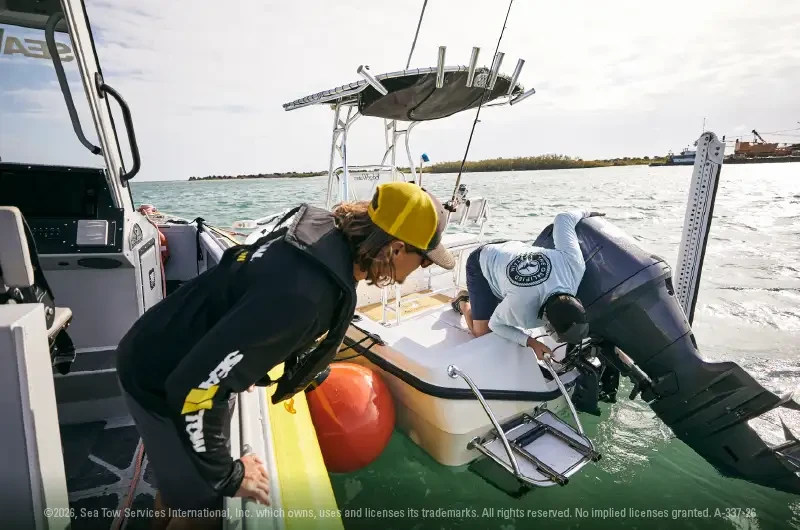
Industry standards dictate that once water contamination is confirmed, the engine must remain off. Professional on-water assistance networks, such as Sea Tow, reiterate that troubleshooting complex mechanical failures while drifting in open water or restricted channels exposes the crew to compounding dangers, including collision, grounding, and personal injury.
Furthermore, major marine engine manufacturers explicitly state in their operating manuals that running an engine with an emulsified oil supply voids warranty protections and accelerates component wear beyond safe operational thresholds. Professional captains stress that preventative measures, such as maintaining active on-water assistance memberships, eliminate the financial anxiety that often tempts boaters into making poor risk-assessment decisions on the water.
Future Outlook: Technological Advancements and Preventative Marine Engineering
As the marine industry looks toward the future, mitigating the risks of engine water contamination is a primary focus for both engine designers and vessel safety advocates.
Advanced Sensor Technology
Next-generation marine engines are increasingly integrating smart diagnostic sensors directly into the lubrication and cooling circuits. Future propulsion systems will feature real-time oil-condition sensors capable of detecting microscopic changes in fluid dielectric properties. Long before oil turns visibly milky on a dipstick, these sensors will transmit automated digital alerts to helm displays, warning the captain of early-stage moisture intrusion. This will allow operators to shut down systems proactively before severe thermal degradation or scoring occurs.
Improved Metallurgy and Composite Materials
To combat the corrosive marine environment—particularly in saltwater applications—engine manufacturers are heavily investing in advanced metallurgy and specialized composite coatings. Modern exhaust manifolds and risers are utilizing higher-grade stainless steels, titanium alloys, and advanced ceramic-lined internal passages designed to resist the corrosive pitting that traditionally leads to water leaks.
Integrated Smart Towing and Telematics
On the rescue and recovery side, organizations like Sea Tow are leveraging predictive telematics and satellite-linked distress positioning. As marine vessels become more interconnected, future emergency response protocols will automatically beam critical engine diagnostic telemetry—including oil pressure, temperature spikes, and fluid contamination flags—directly to dispatch centers. This technological integration will ensure that when professional captains deploy to assist a stranded mariner, they arrive with precise intelligence regarding the nature of the mechanical failure, streamlining the tow and recovery operation.
Conclusion: Best Practices for Mariners
Discovering water in your boat engine oil is an undeniable maritime emergency that requires a calm, methodical response. Prioritizing crew safety, assessing environmental drift, and shutting down the powerplant instantly are the foundational steps of responsible seamanship.
Never attempt to "limp home" on contaminated oil. The risk of total engine destruction is simply too high. When mechanical failure leaves you dead in the water, relying on professional assistance—such as 24/7 towing and on-water support from Sea Tow—ensures that you and your passengers return to port safely without risking further damage to your vessel or your lives. Maintain your memberships, keep your diagnostic checks routine, and always let safety dictate your next move on the water.