








Executive Overview
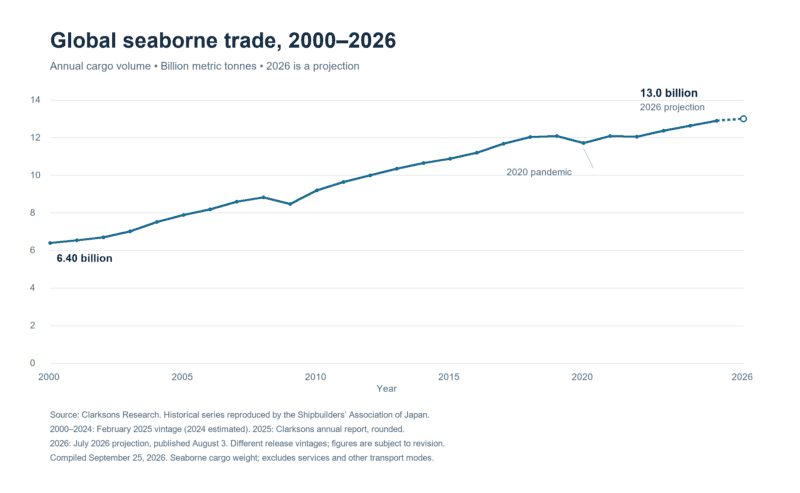
The global trade arena is not for the faint of heart. It is a domain steered by structural optimists—logisticians, compliance officers, and supply chain executives who view disruptions not as terminal roadblocks, but as complex puzzles waiting to be solved. Over the past quarter-century, the global supply chain has been subjected to a relentless battery of macroeconomic, geopolitical, and environmental shocks. From the devastating disruptions of the COVID-19 pandemic to escalating trade wars, regional conflicts, and climate-induced transit bottlenecks, the international trade apparatus has been repeatedly tested. Yet, the data reveals a striking truth: global trade has not merely survived these trials; it has grown exponentially.
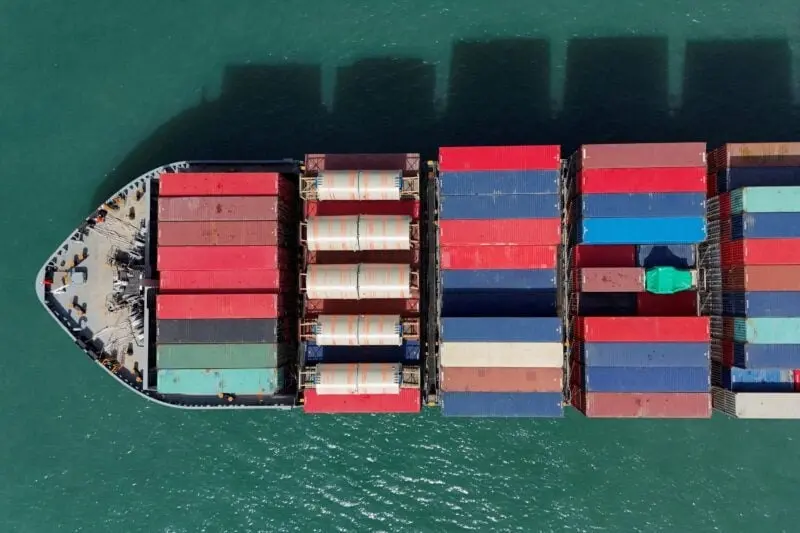
The latest market intelligence from Descartes underscores this astonishing resilience. In August, U.S. container imports surged to 2.60 million Twenty-Foot Equivalent Units (TEUs), marking the third-highest monthly import volume on record. This massive influx of cargo occurs at a time of heightened geopolitical friction, looming tariff deadlines, and persistent maritime bottlenecks.
U.S. Container Imports (August Peak Comparison)
============================================================
Record High Monthly Volume:     [Top Monthly Record]
Second Highest:                 [Second Monthly Record]
August (Current Year):          2.60 Million TEUs  <-- 3rd Highest on Record
============================================================
Source: Descartes Datamyne
How does global commerce continue to shatter volume records in an era of perpetual volatility? The answer lies in a profound structural shift within corporate America. Modern trade operations have abandoned the siloed, reactive risk-management frameworks of the past. Instead, they have embraced a unified, "whole-of-organization" strategy, powered by next-generation agentic artificial intelligence (AI) and deep data analytics. By converting massive waves of raw operational data into actionable commercial intelligence, global trade stewards are consistently finding the path of least resistance to keep goods moving across borders.
Detailed Chronology: A Quarter-Century of Disruption and Adaptation
To understand the current resilience of global supply chains, one must examine the crucible in which this operational durability was forged. Since the turn of the millennium, global trade has navigated more than a dozen systemic disruptions, each serving as a catalyst for technological and strategic evolution.
+-----------------------------------------------------------------------------------------+
|                              25 YEARS OF SYSTEMIC DISRUPTIONS                           |
+-----------------------------------------------------------------------------------------+
|                                                                                         |
|  [2001] Post-9/11 Security Paradigm                                                     |
|         - Introduction of C-TPAT & stringent cargo manifest screening.                  |
|                                                                                         |
|  [2008] The Great Recession                                                             |
|         - Global demand collapse; carriers adopt "slow steaming" & capacity discipline. |
|                                                                                         |
|  [2018] US-China Trade Wars                                                             |
|         - Section 301 tariffs trigger massive nearshoring and sourcing diversifications. |
|                                                                                         |
|  [2020-2022] The COVID-19 Pandemic                                                      |
|         - Port congestion, equipment shortages, and unprecedented consumer demand.      |
|                                                                                         |
|  [Post-Pandemic] The "Liberation Day Tariffs"                                           |
|         - Structural shifts away from China; rapid expansion of ASEAN trade corridors.  |
|                                                                                         |
|  [Present] Geopolitical & Climatic Chokepoints                                          |
|         - Red Sea conflict diversions; El Niño-induced Panama Canal restrictions.       |
|                                                                                         |
+-----------------------------------------------------------------------------------------+
The Post-9/11 Security Paradigm (2001–2002)
Following the September 11 terrorist attacks, the international shipping community faced immediate, sweeping regulatory overhauls. Programs such as the Customs-Trade Partnership Against Terrorism (C-TPAT) and the 24-Hour Manifest Rule were introduced to secure maritime supply chains. Critics initially warned that these security protocols would strangle global commerce. Instead, they forced the industry to digitize cargo documentation, laying the groundwork for the modern, electronic tracking systems utilized today.
The Great Recession and Carrier Consolidation (2008–2009)
The collapse of the global financial system triggered an unprecedented contraction in consumer demand. Ocean carriers, faced with crippling overcapacity, responded by forming massive global alliances and introducing "slow steaming" to conserve fuel. This period taught shippers the importance of capacity management and forced a consolidation of the maritime transport sector, creating highly disciplined carrier networks.
The U.S.–China Trade War (2018–Present)
The implementation of sweeping Section 301 tariffs on Chinese goods fundamentally disrupted decades-old manufacturing strategies. Rather than halting trade, these tariffs initiated a massive, multi-year migration of manufacturing capacity. Importers rapidly diversified their sourcing, establishing robust supply lines in Southeast Asian nations like Vietnam, Thailand, and Indonesia—a trend that continues to accelerate.

The COVID-19 Pandemic (2020–2022)
The pandemic was a generational shock to the global logistics network. Unprecedented consumer demand for manufactured goods, coupled with pandemic-induced labor shortages, paralyzed major ports, sent container spot rates soaring to historic highs, and caused widespread equipment shortages. Yet, this crisis served as the ultimate test of supply chain adaptability. It accelerated the adoption of digital visibility tools, forced companies to transition from "Just-in-Time" to "Just-in-Case" inventory models, and elevated supply chain management to a boardroom priority.
Supporting Context & Metrics: Deconstructing the Data
The sheer volume of cargo moving through global gateways is a testament to the efficacy of modern trade strategies. Descartes’ data showing 2.60 million TEUs in August container imports indicates that U.S. businesses are aggressively importing goods ahead of potential disruptions, including geopolitical flare-ups, labor negotiations, and shifting tariff regimes.
The Sourcing Shift: Analyzing the "Liberation Day" Tariff Impact
A clear illustration of supply chain adaptability is found in Descartes’ analysis of trade flows following the implementation of the "Liberation Day Tariffs." This policy milestone reshaped global sourcing patterns, prompting a rapid reallocation of manufacturing and logistics resources.
Post-Liberation Day Tariff Sourcing Reallocation
============================================================
U.S. Containerized Imports (Overall):   ▼  4.3%
Imports from Mainland China:            ▼ 18.0%
Imports from Vietnam, Thailand,
  and Indonesia:                        ▲ [Substantial Expansion]
============================================================
Source: Descartes Datamyne Analysis
In the twelve months following the enactment of these tariffs, overall U.S. containerized imports dipped by a modest 4.3%. However, beneath this stable surface-level metric lay a massive tectonic shift: imports from mainland China plummeted by 18%.
Under a rigid, legacy logistics framework, an 18% decline from the world’s primary manufacturing hub would have paralyzed retail and manufacturing sectors. Instead, agile supply chain networks quickly adapted. Shipments from alternative manufacturing hubs—specifically Vietnam, Thailand, and Indonesia—expanded rapidly. While this swift geographic pivot did not entirely erase the overall import decline, it successfully mitigated what could have been a catastrophic disruption to the domestic supply of consumer goods and industrial components.
The IEEPA Refund Cushion: An Underappreciated Fiscal Buffer
One of the most significant, yet frequently overlooked, mitigating factors in recent supply chain survival is the financial liquidity injected back into the importing community via International Emergency Economic Powers Act (IEEPA) refunds.
According to trade analysts, a staggering sum approaching $100 billion has been returned to U.S. importers over the last several months. These refunds represented a vital financial lifeline. Rather than immediately passing these returned funds back to consumers in the form of lower prices, the vast majority of importing corporations chose a more defensive, strategic approach.
Allocations of Returned IEEPA Refund Capital
+------------------------------------------------------------------+
| [■■■■■■■■■■■■■■■■■■■■■■■■■■■■■■■■■■■■■■■■] 95%                   |
| Retained for Margin Recovery & Contingency Cash Reserves         |
+------------------------------------------------------------------+
| [■■] 5%                                                          |
| Passed to Consumers via Price Reductions                         |
+------------------------------------------------------------------+
Importers utilized this capital to offset the severe margin erosion they suffered during the height of the tariff implementation. By retaining this cash, corporations built up robust capital reserves—effectively creating specialized "war chests" designed specifically to fund the expensive logistics workarounds required to navigate the next wave of disruptions.
Official Statements: Insights from the Frontlines
The resilience of modern trade is not merely an accident of economics; it is the direct result of deliberate corporate strategies and technological investments. Industry leaders emphasize that the playbook for managing global volatility has been entirely rewritten.
The "Whole-of-Organization" Paradigm
Jackson Wood, Vice President of Trade Regulations at Descartes, points out that the operational trial-by-fire of the pandemic era has permanently transformed how corporations approach risk.
"It’s a whole-of-organization approach today," Wood observed. "Historically, if there were supply chain disruptions, it was considered to be a supply chain problem, or procurement’s problem; if it was on the regulatory side, it was a compliance problem, and risk would figure it out. Today it’s not niche. It’s a team."
This organizational evolution has forced companies to fundamentally recalibrate their commercial expectations, service-level agreements, and supplier relationships.
"Companies have had to adjust their commercial expectations, service abilities, and how they partner with suppliers and distributors," Wood explained. "It has become a true team effort within organizations of all sizes. Everyone has each other’s back."
From Raw Data to Actionable Intelligence
A key enabler of this collaborative approach is the deployment of advanced technology. In an environment flooded with geopolitical updates, customs declarations, and real-time vessel tracking, the sheer volume of data can paralyze decision-makers.
To solve this, leading logistics players are adopting agentic AI tools, such as the recently launched Descartes Datamyne™ AI Agent. These tools act as cognitive filters, parsing through massive datasets to extract actionable insights.
The Data Refinement Pipeline
+-------------------+      +-------------------+      +-------------------------+
|     RAW DATA      | ---> |    AGENTIC AI     | ---> | ACTIONABLE INTELLIGENCE |
| (Vessel tracking, |      |  (Cognitive filtering|      | (Optimized routes,      |
| tariff changes,   |      |   & noise reduction)|      | tariff mitigation,      |
| customs filings)  |      |                   |      | capacity planning)      |
+-------------------+      +-------------------+      +-------------------------+
By distinguishing between "raw noise" and "consumable intelligence," these AI tools allow corporate teams to rapidly evaluate routing options, assess tariff exposures, and execute contingency plans ahead of their competitors.
Tactical Sourcing and Early Import Strategies
On the commercial front, major retailers and industrial operators have shifted from defensive postures to offensive, preemptive maneuvers. Brian Kobza, Chief Commercial Officer at IMC Logistics, notes that businesses are no longer waiting for disruptions to occur before adjusting their shipping schedules.
"Retailers already placed their bets," said Kobza, referring to the aggressive pull-forward of inventory documented in the late summer import figures. "They imported early, and now we want to really make sure we’re relatively ready for what this fourth quarter is going to look like."
This proactive strategy of importing critical goods ahead of traditional peak seasons has allowed businesses to insulate themselves from potential disruptions later in the year, such as labor disputes or maritime bottlenecks.
Future Outlook: Sourcing Shifts and the New Frontiers of Global Trade
As the global economy marches further into a volatile decade, the strategies developed during past crises are being deployed against a new array of headwinds. Supply chain professionals are currently monitoring a complex matrix of operational threats:
- Geopolitical Conflict: Ongoing tensions in the Middle East continue to disrupt key shipping corridors, forcing carriers to bypass the Suez Canal in favor of the longer route around the Cape of Good Hope.
- Climatic Challenges: The lingering effects of El Niño-induced droughts continue to restrict daily transit slots through the Panama Canal, complicating routes from Asia to the U.S. East Coast.
- Political Shifts: The potential implementation of new, aggressive tariff policies under a changing U.S. political landscape is forcing companies to prepare for sudden shifts in importing costs.
Current Global Maritime Bottlenecks & Strategic Workarounds
=================================================================================
Chokepoint               Primary Threat               Strategic Workaround
---------------------------------------------------------------------------------
Suez Canal / Red Sea     Geopolitical Conflict        Cape of Good Hope Diversion
Panama Canal             El Niño Drought              U.S. West Coast Rail Pivot
U.S. Port Gateways       Potential Labor Disputes     Preemptive Cargo Pull-Forward
=================================================================================
The Geographic Migration of Logistics Infrastructure
In response to these persistent challenges, the world’s leading manufacturers, retailers, and integrated logistics providers are actively reshaping the global trade map. Rather than relying on temporary workarounds, these companies are making massive, long-term capital investments in new trade corridors.
This is driving a wave of infrastructure investment in India and across the African continent. As manufacturing footprint diversification shifts away from traditional East Asian centers, logistics providers are proactively constructing the deepwater ports, rail networks, and distribution hubs needed to support the trade corridors of tomorrow.
The Triumph of Pragmatic Optimism
Despite the daunting scale of these challenges, the prevailing sentiment among trade professionals remains resolutely optimistic. This optimism is not born of naive hope, but is grounded in proven operational capability, financial buffers like the IEEPA refunds, and advanced data analytics.
"When I speak with our customers and even prospective customers, there really is a sense of ‘bring it on’ with the next disruption," Descartes’ Jackson Wood concluded. "Perhaps I’m being too optimistic, but COVID smacked us in the mouth, and we got back up and dealt with it. Liberation Day smacked us in the mouth, and we got back up, and we dealt with it. We are moving trade with disruption in the Middle East. This shows you how resilient the global economy has proven to be in light of all of this volatility."
Ultimately, the story of modern global trade is a narrative of continuous adaptation. No matter the scale of the next geopolitical, regulatory, or environmental disruption, the global commerce machine has proven that it will always find the path of least resistance to keep moving forward.