









Executive Overview
Nestled across 800 square miles of south-central England, the Cotswolds region has long served as an idyllic rural sanctuary. Comprising parts of five picturesque counties, this quintessential English landscape has enchanted urban travelers since the industrial boom years of the 18th century. Today, the region is synonymous with rolling hills, honey-colored limestone architecture, and traditional country pubs where locals and visitors alike gather over pints of Gloucestershire cider while Labradors snooze peacefully beneath reclaimed oak tables.
Yet, among the constellation of charming villages and market towns that define the region, one destination stands out not merely for its aesthetic appeal, but for its profound historical gravity and contemporary economic vitality: Cirencester.
Often heralded as the "Capital of the Cotswolds," Cirencester offers a rare synthesis of deep-rooted heritage and vibrant 21st-century commerce. Home to approximately 20,000 residents, it manages to balance the intimacy of a pedestrian-friendly market town with the cultural offerings and infrastructural breadth of a much larger settlement. Recognized internationally—including a prestigious nod from Time Out as one of the world’s premier destinations to visit and high praise from The Daily Telegraph for its retail landscape—Cirencester is undergoing a modern renaissance.
This in-depth report explores Cirencester’s multifaceted identity, charting its evolution from a vital Roman administrative capital known as Corinium Dobunnorum to an award-winning cultural and commercial hub in contemporary Britain.
Detailed Chronology: From Roman Outpost to Market Capital
To fully understand Cirencester’s unique character, one must trace its historical trajectory across two millennia. Its footprint is etched deep into the administrative and architectural fabric of Great Britain.
The Roman Genesis: Corinium Dobunnorum (1st – 5th Century CE)
Long before it became a pastoral sanctuary for weekend travelers, Cirencester was Corinium, the second-largest city in Roman Britain, eclipsed in size only by Londinium (London). Following the Roman conquest of Britain in the 1st century CE, the settlement was established as a crucial administrative, economic, and cultural center for the Dobunni, a local Celtic tribe.
At its zenith, Corinium spanned an impressive 240 acres enclosed by massive perimeter stone walls. It functioned as a bustling nexus of trade, taxation, and imperial integration. The city boasted sophisticated urban infrastructure, including a massive basilica, a forum, a judicial center, and a sprawling amphitheater—the earthwork remains of which still loom on the town’s modern outskirts. As Roman influence permeated the province, Corinium became a showcase of classical civilization in the far reaches of the northwest frontier, leaving behind an archaeological legacy that continues to redefine our understanding of Roman Britain.
Medieval Commerce and the Domesday Book (11th Century)
Following the collapse of Roman authority in the 5th century, Corinium experienced a period of transition, eventually re-emerging in the Anglo-Saxon era as Cyrenceaster. By the time the Domesday Book—the grand survey commissioned by William the Conqueror in 1086—was compiled, Cirencester was already recorded as a thriving, economically robust place of commerce.
The medieval period solidified the town’s layout, establishing the framework for the dense, walkable streetscapes and marketplace configurations that persist today. The establishment of the Augustinian Cirencester Abbey in the 12th century further elevated the town’s religious and economic significance, cementing its status as a regional powerhouse.
Industrial Prosperity and Victorian Preservation (18th – 19th Century)
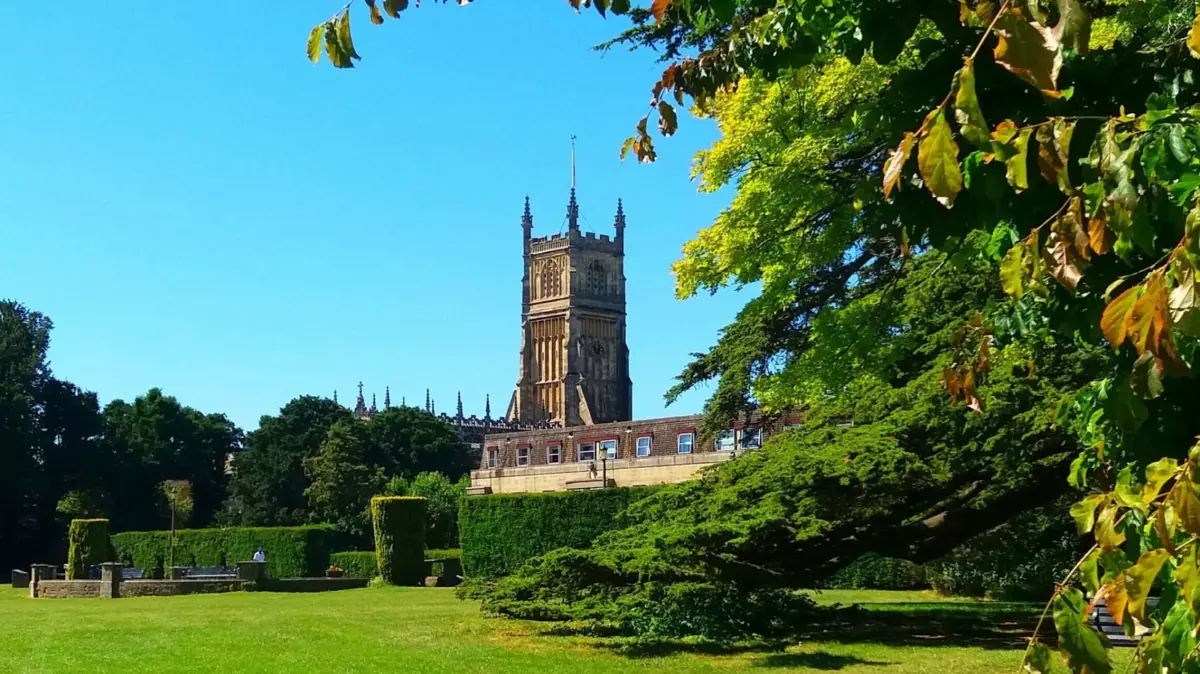
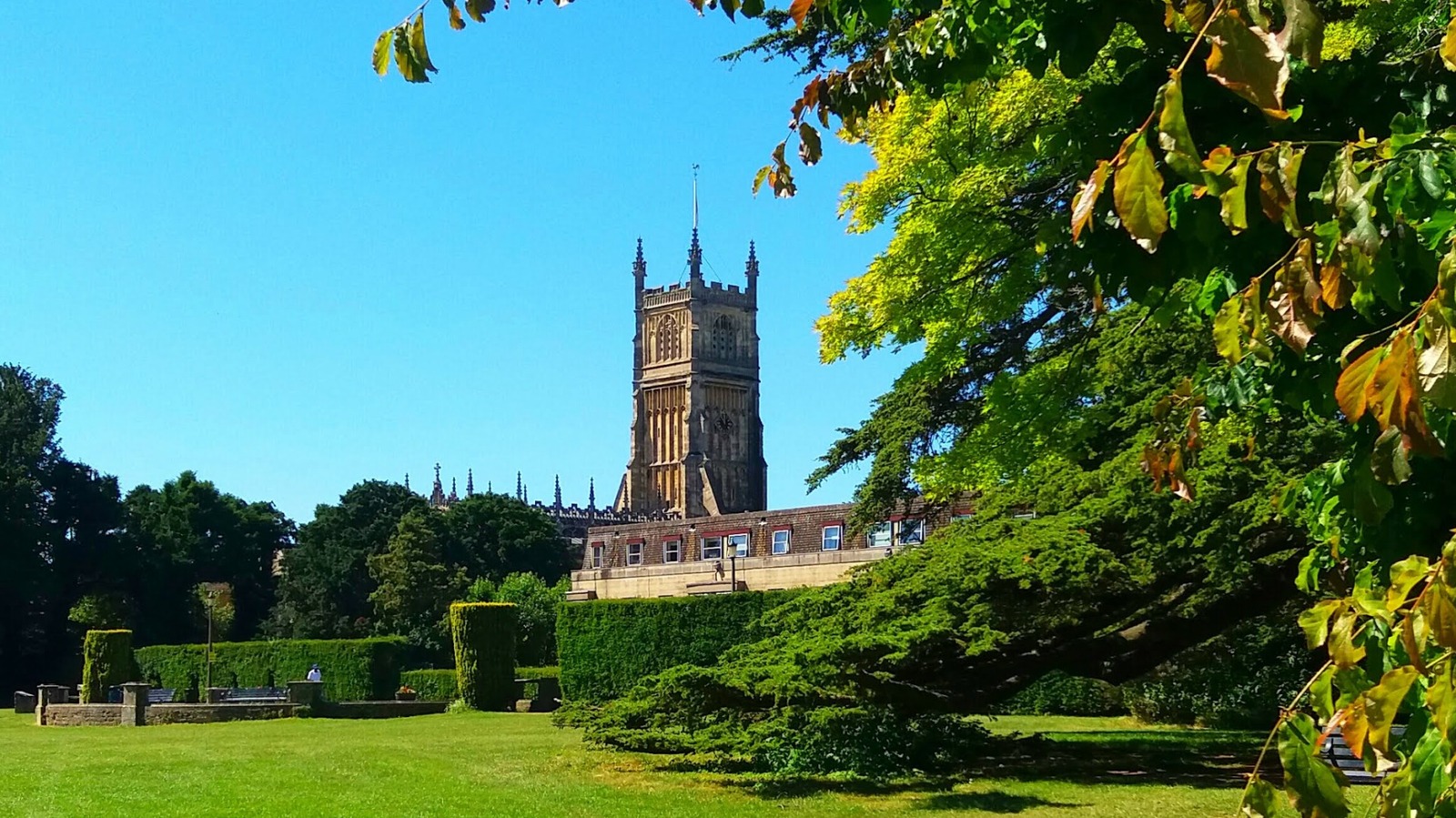
As the Industrial Revolution reshaped Britain, the Cotswolds avoided the heavy, soot-stained industrialization experienced by the Midlands and the North. Instead, towns like Cirencester evolved into sophisticated agricultural and market centers. The wealth generated during this period is written directly into the town’s physical landscape through the construction of refined Georgian townhouses, grand municipal buildings, and the soaring architecture of the Perpendicular Gothic-style St. John the Baptist Parish Church.
The arrival of the railway in the mid-19th century further opened up the town, transforming it into a favored escape for city dwellers seeking respite from urban congestion—a trend that has only accelerated into the modern era.
Supporting Context & Metrics: Cultural Assets and Economic Vitality
Cirencester’s current prominence is underpinned by tangible metrics of success, ranging from municipal tourism awards to internationally acclaimed retail and cultural infrastructure.
The Corinium Museum: A Repository of Imperial Antiquities
At the heart of Cirencester’s cultural offering is the award-winning Corinium Museum. The institution provides a comprehensive, chronologically immersive journey through the town’s history, moving fluidly from prehistoric flint tools and Anglo-Saxon burials to Tudor merchant life and the Industrial Revolution.
However, the museum’s undisputed crown jewel is its world-class collection of Roman antiquities, recovered from centuries of excavation across the ancient city footprint. While Bath—situated roughly an hour to the southwest—presents some of the best-preserved ancient Roman bath complexes in Europe, the Corinium Museum stands shoulder-to-shoulder with it as arguably England’s finest repository of domestic Roman art and artifacts.
Among the museum’s most celebrated treasures is its extraordinary mosaic collection:
- The Orpheus Mosaic: Uncovered nearby on a local farm, this fragmented masterpiece vividly depicts the legendary mythical bard playing his traditional kithara (a lyre-like instrument) surrounded by concentric circles of animals entranced by his music.
- The Admiral’s Walk-Dolphin Mosaic: A brilliantly rendered pavement showcasing a stylized dolphin encircled by intricate botanical and geometric leaf motifs.
- The Meander Mosaic: Featuring complex geometric swastika patterns. Historians note that in ancient Eastern and classical religions, the swastika was universally utilized as a potent symbol of good fortune and eternity, long before its tragic appropriation by Nazi Germany in the 20th century.
In addition to its monumental mosaics, the museum displays an array of intimate, everyday items that humanize the Roman occupiers: ornamental bronze birds, bone hairpins, sewing needles, intricate personal grooming combs, wall inscriptions, fragments of funerary monuments, and caches of gleaming gold coins.
Retail Excellence and Market Culture
Beyond its museums, Cirencester has firmly established itself as a premier retail destination, earning accolades from major national publications. Its commercial landscape is defined by a rare hybrid: historic open-air street markets operating alongside independent boutiques, artisan workshops, and modern arcades.
- The Charter Market: Operating every Monday and Friday in the central Market Place, this historic weekly market is the direct spiritual descendant of the medieval trade markets noted in the Domesday Book. Stalls groan under the weight of fresh local produce, artisan pastries, cured meats, plants, bespoke woodwork, hand-forged jewelry, and textiles.
- Corn Hall: A magnificent indoor Victorian venue that regularly hosts antique fairs, vintage markets, and craft markets where local painters, potters, and makers sell their creations directly to the public.
- Specialty and Pop-Up Markets: The town calendar is further enriched by specialized events, including vegan markets, twilight evening shopping experiences, and festive Christmas craft fayres.
The pedestrian-friendly town center encourages unhurried exploration. Visitors strolling around Market Place and branching into historic thoroughfares like Castle Street, Cricklade Street, and the Woolmarket will discover an eclectic mix of independent businesses:
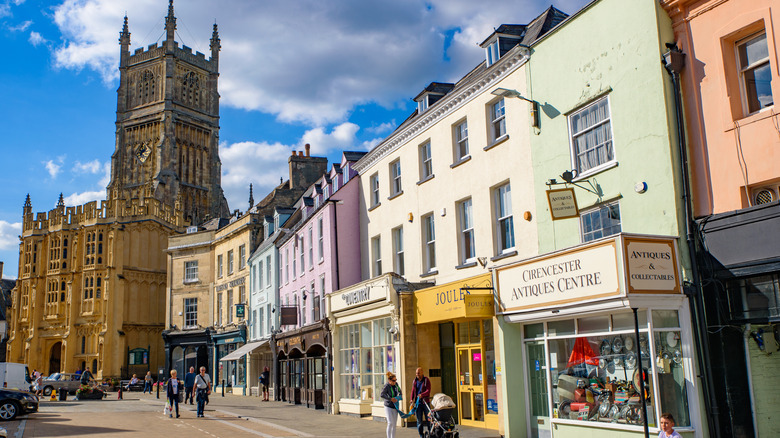
- m.a.d.e: A stylish gallery and boutique offering earthy textiles, contemporary handmade jewelry, and unique artisanal homewares.
- Simply Crystals: A specialized emporium catering to wellness seekers with ethically sourced crystals, aromatherapy goods, and ethereal home decor.
- Octavia’s Bookshop: A vibrant, fiercely independent independent bookstore that serves as a community hub for bibliophiles and families.
- Bishops Walk Arcade: Home to a collection of specialty stores, including the cult-favorite independent milkshake establishment, My Moo.
Official Statements and Institutional Recognition
The resurgence of Cirencester as a global tourism and cultural destination has not gone unnoticed by municipal leaders, heritage authorities, and international travel arbiters.
Reflecting on the town’s recent triumph at the regional tourism awards—where the Corinium Museum clinched the silver accolade in the highly competitive Small Visitor Attraction of the Year category—museum directors emphasized the critical importance of community-led heritage preservation.
"Winning silver at the regional tourism awards is a testament to the dedication of our staff, volunteers, and the local community who tirelessly champion Cirencester’s unique past," noted a museum spokesperson during the award announcements. "Corinium was once a titan of Roman Britain, and today we have the privilege of acting as custodians for that monumental legacy, ensuring that visitors from across the globe can connect directly with the roots of our shared history."
In the wake of Time Out naming Cirencester among the top destinations to visit worldwide, local civic planners have underscored the town’s commitment to sustainable, pedestrian-first urban management.
"Our goal has always been to protect the historic integrity of our honey-stoned streets while fostering a dynamic, supportive environment for independent businesses," municipal representatives noted in a joint urban development briefing. "When publications like The Daily Telegraph and Time Out highlight our retail and cultural ecosystem, it validates our belief that travelers today are seeking authenticity, walkability, and deep historical engagement over mass-market commercialization."
Future Outlook: Sustainable Growth and Cultural Preservation
As Cirencester looks toward the remainder of the decade, municipal authorities and local business associations are charting a careful course between expanding tourism and preserving the tranquil, community-centric quality of life that defines the Cotswolds.
Plans are currently underway to further enhance the pedestrian experience within the town center, reducing vehicular congestion around Market Place to encourage longer dwell times for shoppers and museum-goers. Furthermore, the Corinium Museum is expanding its digital outreach and educational programming, forging partnerships with universities and archaeological trusts to support ongoing excavations on the town’s periphery.
Economically, the town’s independent retail sector continues to buck national trends of high street decline. By prioritizing unique, locally sourced goods, artisan workshops, and experiential shopping over chain stores, Cirencester has established a resilient economic model that other historic market towns across the United Kingdom are eager to replicate.
Ultimately, Cirencester proves that a town does not need to choose between its ancient past and its modern future. By honoring the echoes of Corinium while nurturing a thriving, creative community of modern merchants, artisans, and curators, the "Capital of the Cotswolds" has secured its place not just as a picturesque holiday escape, but as one of the most culturally vital and enduringly charming destinations in Europe.