











Executive Overview
In the rapidly evolving landscape of American energy, the intersection of surging technological demand and legacy utility infrastructure has created a high-stakes battleground for ratepayers and environmental advocates alike. Nowhere is this tension more palpable than in Wisconsin, where investor-owned utility We Energies has just been handed a dismal score of 4 out of 100 in the Sierra Club’s annual Dirty Truth Report.
This abysmal grade represents the lowest score in the utility’s history, dropping a staggering 20 points from its initial evaluation when the Sierra Club’s report was first published six years ago. The report serves as a damning indictment of We Energies’ long-term planning, highlighting a systemic failure to transition away from polluting fossil fuels. Instead of embracing the rapid economic and environmental benefits of renewable energy, the utility has doubled down on coal and natural gas.
At the heart of this controversy are two major, intersecting trends: the repeated, controversial delays in retiring the coal-fired Oak Creek power plant, and an aggressive push to construct 1.2 gigawatts of new gas-fired power capacity by 2035—a nearly 50% expansion of the utility’s current gas footprint. This fossil-fuel expansion is not happening in a vacuum. Industry analysts and environmental advocates point to a lucrative rush to court Big Tech companies looking to build massive, energy-guzzling artificial intelligence (AI) data centers in the Midwest.

While We Energies courts these massive corporate loads under the banner of economic development, everyday Wisconsinites are footing the bill. The utility is currently pursuing a steep 14% rate increase before the Public Service Commission (PSC), sparking a furious public backlash. Thousands of ratepayers have raised their voices against soaring utility bills, criticizing the company for prioritizing executive bonuses and shareholder returns over basic affordability and clean energy investments. As the debate intensifies, the situation in Wisconsin has become a cautionary tale for the rest of the nation, illustrating how the AI boom threatens to derail climate goals and push vulnerable households to the brink of financial distress.
Detailed Chronology: Anatomy of a Utility’s Backward Slide
To understand how We Energies plummeted to a score of 4 out of 100, one must trace the timeline of key regulatory decisions, deferred environmental targets, and escalating public friction that have defined the utility’s trajectory over the past decade.
1. The Oak Creek Delays and the Fossil Fuel Commitment
The cornerstone of We Energies’ declining environmental score is its chronic inability to phase out coal. For years, climate advocates and public health organizations have pushed for the retirement of the aging, heavily polluting Oak Creek coal-fired power plant situated along the shores of Lake Michigan.
Initially slated for closure, the retirement of the Oak Creek units has been postponed repeatedly. Most recently, We Energies pushed back the retirement timeline to 2027 for the third consecutive time. Each delay locks the region into years of continued greenhouse gas emissions, particulate pollution, and expensive coal maintenance costs.
Compounding the problem is the utility’s sweeping commitment to natural gas. We Energies’ long-range resource plans outline the addition of 1.2 gigawatts of new gas-fired generation infrastructure over the next decade. By expanding its gas capacity by roughly 50%, the utility is effectively locking in fossil fuel reliance well past the mid-century mark—defying scientific consensus and global warnings regarding the acceleration of climate change.
2. The AI Rush and the Ratepayer Squeeze
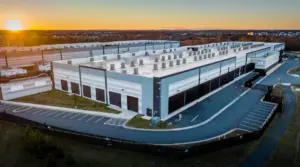
As the utility was locking in its fossil fuel future, a new economic catalyst emerged: the artificial intelligence revolution. Big Tech firms, desperate for continuous, massive blocks of power to feed energy-intensive AI data centers, began scouting locations outside traditional tech hubs like Northern Virginia. Wisconsin, with its established grid connections and aggressive utility marketing, became an attractive target.
However, accommodating data centers requires massive generation capacity and grid upgrades. Rather than meeting this hyper-growth with new renewable generation and energy storage—which can be deployed rapidly and cost-effectively—We Energies chose to anchor this new load with new gas plants.

The financial burden of this infrastructure buildout has quickly trickled down to residential customers. In its latest regulatory filing, We Energies proposed a massive 14% utility bill increase. Critics and consumer watchdogs note that the utility’s proposals lack transparency regarding how much of the grid expansion cost is being driven directly by data center demand, effectively forcing ordinary families to subsidize the power needs of trillion-dollar tech corporations.
3. Public Outcry and Regulatory Inertia
The proposed rate hike triggered an unprecedented wave of public opposition. More than 1,800 public comments were submitted to the Wisconsin Public Service Commission (PSC), representing a tidal wave of consumer frustration.
- 91 percent of all submitted comments explicitly opposed the proposed rate increase.
- Nearly 75 percent of those opposing the hike cited basic affordability and the inability to pay rising monthly bills as their primary concern.
- Nearly 42 percent called for a direct curtailment of We Energies’ corporate profits, demanding caps or reductions in executive compensation and payments to the Board of Directors.
Additional comments poured in detailing concerns over health hazards associated with fossil fuel emissions, the lack of meaningful investments in localized solar and wind energy, and the growing crisis of power shutoffs for families unable to keep up with compounding utility debts. Despite this overwhelming public outcry, consumer advocates argue that the PSC has routinely failed to intervene aggressively enough to shield everyday citizens from corporate overreach.
Supporting Context & Metrics: The Broader Dirty Truth Findings
The plight of We Energies is not an isolated incident; rather, it is emblematic of a broader, systemic trend documented in the Sierra Club’s 2026 Dirty Truth Report. The national report evaluates 76 major investor-owned utilities across the United States, grading them on three core metrics:
- The pace and scale of coal plant retirements.
- The volume of planned new natural gas infrastructure.
- The integration and deployment of clean, renewable energy sources like wind, solar, and battery storage.
A Plummeting National Average
On a national scale, the results of the 2026 report are startling. The 76 utilities evaluated scored an aggregate average of just 7 out of 100 points. This figure is down eight full points from the previous year’s report, marking the lowest aggregate score in the history of the publication.
The report underscores a glaring disconnect between corporate climate pledges and actual utility capital expenditure plans. While many utilities market themselves as modern, forward-thinking corporate citizens, their actual resource plans reveal a persistent addiction to fossil fuels.
The Economics of Energy: Renewables vs. Fossil Fuels
From a purely economic standpoint, the persistence of fossil fuel investments defies financial logic. Extensive independent financial analyses, including the well-regarded Levelized Cost of Energy (LCOE) studies by Lazard, consistently demonstrate that utility-scale solar and wind energy—coupled with modern battery storage—represent the cheapest ways to generate electricity in the vast majority of the United States.
Conversely, coal and natural gas are increasingly volatile and expensive. Natural gas prices are subject to wild geopolitical and market fluctuations, exposing ratepayers to sudden price spikes. Furthermore, the externalized costs of fossil fuels—measured in billions of dollars of public health damages, respiratory illnesses, and climate disaster recovery—place an enormous burden on society.
Despite these economic realities, utilities like We Energies continue to prioritize capital-heavy fossil fuel projects. Under traditional regulatory frameworks, investor-owned utilities are guaranteed a specific rate of return on capital investments (known as the Return on Equity, or ROE). Building a massive, multi-million-dollar gas plant or maintaining an aging coal facility allows utilities to increase their rate base and guarantee profits for shareholders, whereas purchasing cheap, third-party renewable energy or promoting energy efficiency often offers fewer profit-generating capital opportunities. This perverse incentive structure sits at the heart of the modern utility crisis.
Official Statements
The release of the Dirty Truth Report and the simultaneous regulatory battles in Wisconsin have drawn sharp, uncompromising commentary from environmental leaders and consumer advocates.

Cassie Steiner, Senior Campaign Coordinator for the Sierra Club, didn’t mince words regarding the utility’s trajectory and the role of state regulators:
"This report and overwhelming public opposition to We Energies’ latest rate increase crystallize what Wisconsinites have known for years: We Energies’ bottom line has been maximizing executive and shareholder profit at the expense of the people they’re supposed to serve.
Rate increase after rate increase, the PSC has sat idly by and done little to nothing to protect Wisconsinites from skyrocketing utility bills. People are being priced out of their homes and neighborhoods, and are suffering health harms from fossil fuels, because of We Energies. We’re not going to sit back and let this happen again."
Echoing these concerns on a national level, Sierra Club Chief Program Officer Holly Bender highlighted the broader dangers of utility foot-dragging in the age of artificial intelligence:
"The Dirty Truth report has once again revealed utilities’ overwhelming failure to plan a phase-out of their expensive and dirty fossil infrastructure, and transition to clean energy.
Every year that utilities drag their feet on the clean energy transition is another year where families pay record bills for expensive fossil fuels, another year of extreme weather events, and another year of air and water pollution threatening our health. We cannot afford to wait any longer to bring our grid into the 21st century. As artificial intelligence data centers drive demand for energy, utility companies are rushing to expensive and dangerous fossil fuels, leading to soaring electricity prices and worsening air pollution.
The time is now for these companies to transition to affordable, reliable, clean energy to build a healthier and more sustainable energy future. The Sierra Club will continue to push utilities to deploy more renewable energy and work to lower costs and emissions."
Future Outlook: A Critical Crossroads for Wisconsin’s Energy Grid
As Wisconsin looks toward the latter half of the 2020s, the energy landscape stands at a critical crossroads. The decisions made today by the Public Service Commission, utility executives, and lawmakers will reverberate for decades, determining whether the state embraces a sustainable, affordable energy future or remains chained to volatile fossil fuels.
Key Battles Ahead
- The PSC Rate Case Decision: The immediate battleground remains the Public Service Commission’s final ruling on We Energies’ proposed 14% rate hike. With historic public pushback—featuring thousands of citizens demanding relief—the PSC faces intense scrutiny over whether it will side with corporate interests or protect vulnerable ratepayers.
- Data Center Accountability: As tech companies continue to scout the Midwest for AI infrastructure sites, state regulators must establish rigorous guardrails. Policymakers are under mounting pressure to ensure that large industrial and tech loads pay their fair share of grid expansion costs, rather than shifting the financial burden onto residential utility customers.
- Accelerating the Clean Energy Pivot: Grassroots and national environmental groups vow to maintain relentless pressure on We Energies to abandon its planned 1.2 gigawatts of new gas capacity and reverse its delays on the Oak Creek coal plant retirement. Incorporating utility-scale solar, wind, and storage is viewed as the only viable path to lowering emissions and stabilizing long-term energy prices.
The plunging score of 4 out of 100 serves as both a stinging reprimand and a clarion call. For We Energies, the warning is clear: the era of business-as-usual fossil fuel expansion is meeting fierce resistance from a public that can no longer afford the human and financial cost of dirty energy.