








Executive Overview
True to its moniker as the "Land of 10,000 Lakes," Minnesota offers an embarrassment of riches when it comes to freshwater recreation, pristine shorelines, and immersive natural landscapes. Yet, finding an outdoor destination that seamlessly combines accessibility, comprehensive amenities, and wild serenity just outside a major metropolitan area can be a challenge. Enter Cleary Lake Regional Park, a sprawling 137-acre sanctuary situated a mere thirty minutes south of the bustling travel hub of Minneapolis.
Managed by Three Rivers Park District, Cleary Lake Regional Park operates as a premier multi-seasonal escape for families, outdoor enthusiasts, anglers, paddlers, and pet owners alike. Whether visitors are seeking a summer afternoon swimming at the beach, a serene autumn hike through dense woodlands, a peaceful morning of no-wake kayaking, or an invigorating winter session of fat-tire biking and cross-country skiing, this park delivers.
Boasting modern amenities, meticulously maintained campgrounds, accessible fishing piers, and a nationally recognized off-leash dog park featuring a dedicated canine swimming pond, Cleary Lake represents the gold standard of regional park management. This comprehensive investigative report explores the park’s recreational assets, accommodation infrastructure, ecological significance, and its vital role within the broader Twin Cities metropolitan outdoor ecosystem.
Detailed Chronology: Evolution and Seasonal Operations of Cleary Lake
The Historical Transformation into a Regional Haven
The development of Cleary Lake Regional Park reflects the broader evolution of the Twin Cities metropolitan area’s dedication to preserving natural green spaces amidst suburban expansion. Originally characterized by agricultural lands, rolling hills, and native wetlands, the parcels comprising the current 137-acre park were deliberately acquired and conserved to protect local watershed health and provide structured public access to nature.
Over the decades, Three Rivers Park District transformed the acreage into a premier recreational facility. Infrastructure investments—such as the construction of paved and natural-surface multi-use trails, modernized restroom facilities, a rental concession hub, and structured campgrounds—gradually turned the park into a localized crown jewel. Today, the park operates year-round, welcoming hundreds of thousands of annual visitors who utilize its diverse landscape across shifting weather patterns.
Year-Round Temporal Operations
Cleary Lake Regional Park maintains a reliable operational schedule designed to maximize public access while ensuring ecological stewardship.
- Daily Hours: The park is open daily, year-round, from 5:00 AM to 10:00 PM. These generous hours allow early-morning birdwatchers and late-evening stargazers to experience the park’s tranquil environment.
- Summer Operations (Memorial Day to Labor Day): This peak window activates water-based amenities, including the supervised swim beach (water quality monitored weekly, though unlifeguarded), watercraft rentals (kayaks, canoes, and stand-up paddleboards), and full concession availability.
- Winter Operations (First Snowfall through March): As temperatures drop and snow blankets the landscape, the park shifts its operational focus toward winter sports. Groomed trails emerge for cross-country skiing, fat-tire mountain biking, snowshoeing, and specialized canine-powered winter sports like skijoring and dog sledding.
Supporting Context & Metrics: Infrastructure, Recreation, and Wildlife
Water Recreation and No-Wake Regulations
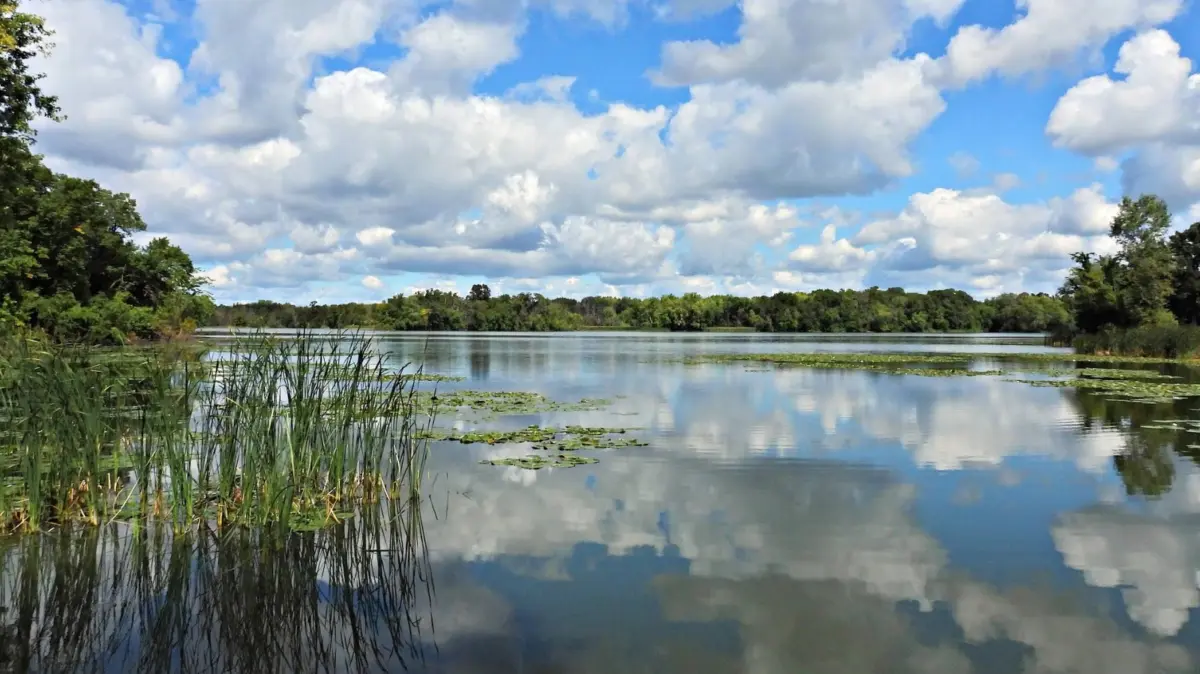
At the heart of the park lies the 137-acre Cleary Lake, an aquatic ecosystem prized for its calm, glassy surface and rich biodiversity. To preserve the peaceful environment and protect the shoreline from erosion, Cleary Lake strictly enforces a no-wake policy and prohibits gas-powered motors. This makes the water body an absolute paradise for non-motorized boaters, including kayakers, canoeists, and paddleboarders.

- Boating Access: Visitors bringing their own watercraft can utilize the concrete boat launch situated on the south end of the lake. Small watercraft racks are available for seasonal or daily reservation online.
- Equipment Rentals: From late May through early September, visitors can rent single and tandem kayaks, canoes, and stand-up paddleboards. Advance online reservations via the Three Rivers Park District web portal are strongly recommended during peak summer weekends.
- Swimming and Beach Culture: The park’s free swim beach provides a sandy shoreline for families to sunbathe, build sandcastles, and cool off. Water quality is rigorously monitored by regional health authorities to ensure safe swimming conditions.
- Angler Paradise: Cleary Lake supports a thriving freshwater fishery. An accessible fishing pier on the lake accommodates anglers of all mobility levels. Species commonly reeled in by visitors include largemouth bass, walleye, northern pike, bluegill sunfish, black crappie, yellow perch, and channel catfish. State fishing regulations apply, and most adult visitors require a valid Minnesota fishing license.
Trail Systems and Hiking Metrics
For those who prefer land-based exploration, Cleary Lake Regional Park offers an interconnected network of multi-use pathways that wind through lakeside marshes, tallgrass prairies, and mature hardwood forests.
- Cleary Lake Trail Loop: Rated as the park’s premier hiking route on platforms like AllTrails, this 3.4-mile loop circumnavigates the entire lake. Featuring stunning vistas of open water and marshland, the trail begins and ends near the park’s 9-hole golf course, ensuring ample parking, accessible restrooms, water fountains, and resting benches along the route.
- Lakeside and Ironwood Loop: Spanning approximately 3 miles, this woodland-focused trail immerses hikers deep into the park’s forested interior. It serves as a prime location for wildlife observation, where attentive hikers frequently spot white-tailed deer, red foxes, beavers, and soaring bald eagles hunting over the wetlands.
- Winter Trail Metrics: When snow accumulation permits, the park grooms approximately 6 miles of classic and skate cross-country ski trails, alongside 3.8 miles of dedicated fat-tire mountain bike trails.
Camping Infrastructure and Accommodations
For travelers wishing to extend their stay beyond a single day, Cleary Lake Regional Park features a well-appointed campground facility divided into distinct loops catering to different camping styles:
- Basswood Loop: Designed with modern campers in mind, Basswood offers full RV hookups (water, electricity, and sewer) alongside several premium tent sites. Campers consistently praise sites 6, 9, and 10 for their privacy and proximity to unique camping setups like tensile suspended tents.
- White Pine Loop: Offering a more traditional, rustic experience, White Pine features drive-in tent and RV sites without electrical hookups, appealing to purists seeking a deeper connection to nature.
- Group Campsites: Cleary Point, Oak Grove, and Norway Ridge serve as large-scale group camping areas capable of accommodating capacities ranging from 40 to 80 individuals, making them ideal for family reunions, scout troops, and organizational retreats.
- Reservations: Due to high demand during the summer and autumn foliage seasons, all campsites must be reserved in advance through the Three Rivers Park District online reservation system.
Canine-Friendly Facilities
Cleary Lake stands out as one of the most dog-friendly regional parks in the Midwest. While leashed dogs (on leads up to 6 feet) are welcome on 5.3 miles of designated park trails, the crown jewel for pet owners is the 28-acre fenced off-leash dog area. This expansive space features open meadows, wooded paths, and a dedicated natural wetland pond where dogs can swim, retrieve, and socialize safely off-leash in a secure environment.
Official Statements and Visitor Perspectives
The enduring appeal of Cleary Lake Regional Park is best captured through the firsthand accounts of visitors, local residents, and park management philosophies that emphasize accessibility, cleanliness, and environmental stewardship.
Visitor Testimonials and Community Sentiment
The park maintains stellar ratings across digital review platforms, reflecting high standards of maintenance and customer service.
- On Trail Quality and Maintenance: One frequent visitor noted in a popular review: "A beautiful park with both paved and grassy trails. We enjoyed hiking in the woods and saw wildlife and birds in the wetlands. The park is well maintained and has clean bathrooms and plenty to do for all ages."
- On Family Recreation and Swimming: A grandparent sharing their experience on Google stated: "We went to swim and have a BBQ. The park was great, it was very clean. My grandson had a blast on the beach."
- On Wildlife Encounters While Paddling: Highlighting the ecological richness of the lake, a local kayaker observed: "Great location for kayaking! We were able to go partially up a stream and saw a bald eagle while it was flying and hunting."
- On Angling Success: An avid angler summarized their weekend trip: "Did a little fishing on Cleary Lake, and managed to reel in quite a few sunfish, a crappie, and a few bullheads. Overall, it made for a really nice weekend, and I would love to go back to visit."
- On Campground Quality: A camper utilizing the Basswood loop shared: "This is an awesome campground. Basswood had the perfect spots for my tensile tent… Staff is great and everything is well maintained."
Management and Conservation Philosophy
Three Rivers Park District operates under a strict mandate of balancing heavy public recreation with rigorous environmental conservation. Park rangers and ecological specialists routinely conduct water quality tests, manage invasive plant species, restore native prairie grasses, and protect nesting habitats for migratory waterfowl and raptors. This dual focus ensures that while thousands of visitors enjoy the park annually, the delicate balance of the local ecosystem remains safeguarded for future generations.
Future Outlook and Regional Integration
As the Minneapolis-Saint Paul metropolitan area continues to grow, the strategic importance of green spaces like Cleary Lake Regional Park cannot be overstated. Looking ahead, regional planners and park district officials are focusing on several key initiatives to enhance visitor experience and ecological resilience:
Infrastructure Modernization and Accessibility Upgrades
Future capital improvement projects within the park aim to expand ADA (Americans with Disabilities Act) accessibility across all recreational zones. Plans include upgrading dock structures to ease watercraft entry for adaptive paddlers, resurfacing priority paved multi-use trails to withstand extreme Minnesota freeze-thaw cycles, and expanding high-speed Wi-Fi connectivity near the main visitor contact stations.
Ecological Restoration and Climate Resilience
With shifting weather patterns impacting regional precipitation and ice cover, Three Rivers Park District is investing heavily in watershed management around Cleary Lake. Projects include shoreline stabilization plantings of native deep-root vegetation to prevent nutrient runoff, expansion of pollinator corridors, and active forest management to combat tree diseases and promote a resilient, diverse woodland canopy.
Strategic Regional Tourism Hub
Conveniently located just a 30-minute drive south of Minneapolis-Saint Paul International Airport (MSP), Cleary Lake serves as an ideal gateway for out-of-state travelers exploring the Twin Cities. Furthermore, its proximity to regional attractions—such as Lake Harriet Regional Park to the north, Lebanon Hills Regional Park in neighboring Dakota County, and the retail and entertainment powerhouse Mall of America located less than thirty minutes away in Bloomington—positions Cleary Lake as an indispensable anchor in a world-class tourism corridor.
Whether travelers are seeking a weekend camping retreat under the stars, a peaceful paddle accompanied by nesting bald eagles, or an action-packed day of winter fat-biking and cross-country skiing, Cleary Lake Regional Park stands ready as Minnesota’s premier year-round natural escape.