




Executive Overview
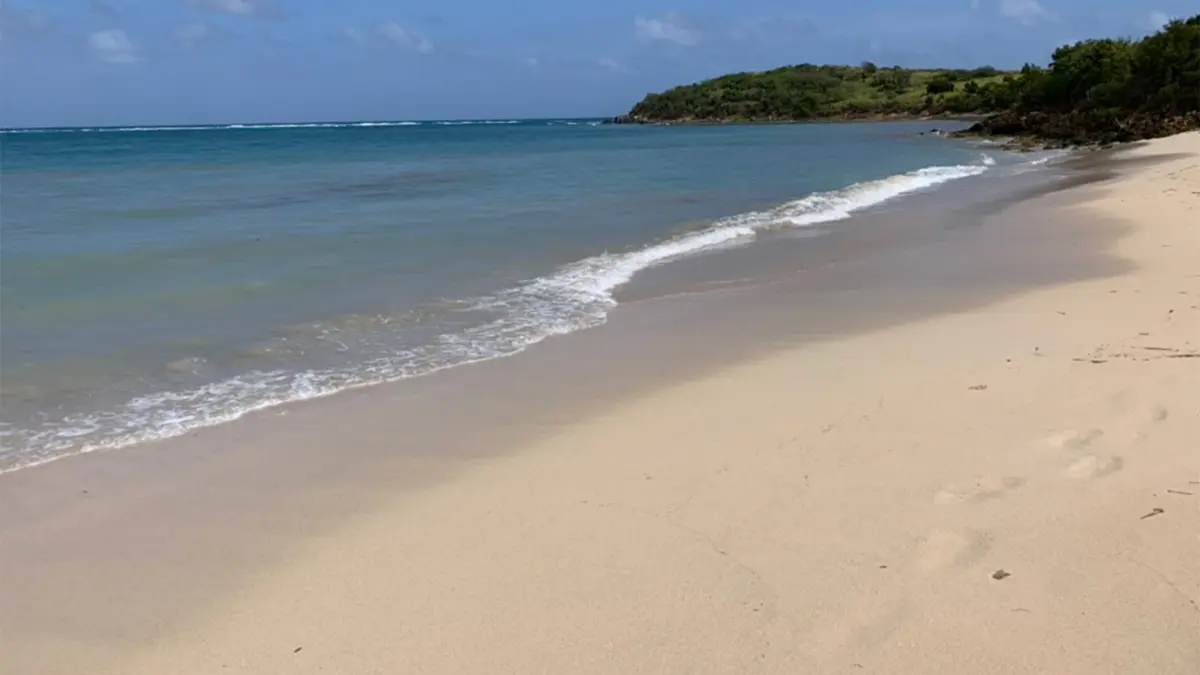
On the sun-drenched western tip of St. Croix, one of the most magnificent and fiercely protected coastlines in the Caribbean is preparing to welcome back the public. The Sandy Point National Wildlife Refuge—a pristine, 383-acre sanctuary boasting an expansive crescent of powdery white sand and impossibly clear turquoise waters—will officially reopen for its seasonal public visitation window. Beginning September 5, travelers and locals alike will once again be permitted to experience this ecological masterpiece during its tightly regulated weekend hours: Saturdays and Sundays from 10:00 a.m. to 4:00 p.m.
Unlike the heavily commercialized, resort-lined shores that characterize much of the modern Caribbean, Sandy Point represents an increasingly rare triumph of conservation over development. For roughly five months out of every year, the gates are locked to ordinary beachgoers. This closure is not a bureaucratic hurdle, but a vital biological necessity: it marks the nesting and hatching season for critically endangered leatherback sea turtles, alongside green and hawksbill populations. Consequently, Sandy Point operates on nature’s calendar rather than the demands of the tourism industry.
The resulting experience is nothing short of transcendent. Devoid of high-rise hotels, buzzing beach bars, souvenir stands, and rows of lounge chairs, the refuge offers an uninterrupted horizon where the landscape remains largely as it has for centuries. Situated just a mile south of the historic town of Frederiksted, Sandy Point bridges the gap between rugged wilderness and accessible luxury travel. Supported by strengthening airlift—including convenient nonstops from Miami via American Airlines and emerging routes from carriers like United Airlines—St. Croix’s western end is undergoing a quiet renaissance. For travelers willing to align their itineraries with the refuge’s strict schedule, Sandy Point offers a masterclass in how ecotourism can preserve the soul of a destination without compromising its breathtaking natural appeal.
Detailed Chronology
The Genesis of a Sanctuary: 1984 to the Present
The story of modern Sandy Point is fundamentally one of foresight, environmental advocacy, and federal intervention. Long before it became an internationally recognized sanctuary, the southwestern tip of St. Croix faced the standard pressures of coastal development. However, marine biologists and conservationists recognized the critical importance of the beach as a primary nesting ground for Dermochelys coriacea—the leatherback sea turtle, the largest living reptile on Earth and a species facing severe global threats.
- 1984: The U.S. Fish and Wildlife Service (USFWS) formally established the Sandy Point National Wildlife Refuge, acquiring an initial 340 acres specifically designed to safeguard the nesting habitat of the endangered leatherback.
- Subsequent Years: Recognizing the broader ecological and historical significance of the surrounding landscape, the refuge was expanded by an additional 43 acres. This brought the total protected footprint to its current 383 acres, which also serves to shield sensitive archaeological resources and rare native flora, such as the endangered Vahl’s boxwood.
- The Annual Cycle (April to August): Each spring, the refuge enters its strict closure phase. For approximately five months, public access is entirely prohibited to minimize human disturbance, artificial lighting, and shoreline degradation. During this window, female leatherbacks emerge from the surf under the cover of darkness to dig nests in the deep, soft sand, laying clutches of eggs before returning to the open ocean.
- The Annual Cycle (September to March): Once the majority of the hatchlings have made their perilous journey from the nest to the sea, the USFWS lifts the restriction. The refuge reopens its gates to the public on a limited schedule, balancing human recreation with ongoing ecological monitoring.
- Present Day: The reopening on September 5 marks the commencement of the new visitor season, inviting the public to step onto a beach that has spent nearly half a year healing, resting, and nurturing the next generation of marine life.
Supporting Context & Metrics
To truly appreciate Sandy Point National Wildlife Refuge, one must examine the metrics that define its geography, its wildlife, and its accessibility.
Geographical and Environmental Metrics
- Total Acreage: 383 protected acres spanning the southwestern extremity of St. Croix, U.S. Virgin Islands.
- Beach Length: Features one of the longest continuous stretches of uninterrupted white sand in the entire Caribbean archipelago.
- Proximity to Urban Center: Located approximately 1 mile south of Frederiksted, allowing for seamless integration between cultural exploration and wilderness immersion.
- Visitor Hours: Strictly limited to Saturdays and Sundays, from 10:00 a.m. to 4:00 p.m. during the open season (September through March).
- Admission Cost: Free of charge. The scarcity of access is driven entirely by conservation mandates rather than financial barriers.
Biodiversity and Conservation Status
While human visitors are captivated by the pale, soft sands and the long shelves of crystalline blue water, Sandy Point’s primary stakeholders possess flippers rather than feet.
- The Leatherback Sea Turtle (Dermochelys coriacea): Weighing up to 2,000 pounds and measuring over six feet in length, leatherbacks travel thousands of miles across the Atlantic to nest on these specific shores. Sandy Point stands as one of the most critical nesting sites for this species under U.S. jurisdiction.
- Secondary Species: In addition to leatherbacks, the refuge provides essential nesting and foraging habitat for endangered hawksbill turtles and threatened green sea turtles.
- Flora and Fauna: Beyond marine life, the refuge’s 383 acres encompass vital salt ponds, native coastal vegetation, and endangered plant species like Vahl’s boxwood, making it an ecological hotspot for birdwatchers and nature enthusiasts.
Travel Logistics and Accessibility
Reaching St. Croix has become increasingly streamlined, bolstering the island’s appeal as a premier Caribbean escape:
- Airlift: American Airlines operates daily nonstop service between Miami International Airport (MIA) and Henry E. Rohlsen Airport (STX), with an average flight time of just 2 hours and 51 minutes. Additional service expansions—such as new routes introduced by United Airlines connecting from northern hubs—continue to widen the island’s accessibility.
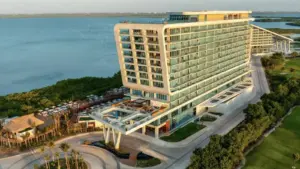
- Local Accommodations: The revitalization of St. Croix’s west end is anchored by boutique properties like The Fred, an adults-only beachfront hotel in Frederiksted that provides an ideal staging ground for travelers looking to explore Sandy Point alongside the island’s broader culinary and diving circuits.
Official Statements
The management and preservation of Sandy Point require a delicate, ongoing partnership between federal wildlife officials, local conservation groups, and the tourism sector.
Reflecting on the philosophy of the refuge, representatives of the U.S. Fish and Wildlife Service have consistently emphasized that Sandy Point is, first and foremost, a wildlife refuge that graciously permits human visitors, rather than a recreational park modified for human convenience.
"Sandy Point exists because these beaches belong fundamentally to the natural world," notes regional wildlife management documentation. "The strict calendar we enforce is non-negotiable. By stepping aside for five months out of the year, we grant endangered species the uninterrupted silence and darkness they require to reproduce successfully. The reward for the public is a beach that remains wild, pristine, and entirely unblemished by the pressures of modern mass tourism."
Tourism boards across the U.S. Virgin Islands similarly champion the refuge as a model for sustainable travel. While most Caribbean destinations market endless, unrestricted access to their coastlines, St. Croix leverages Sandy Point’s exclusivity as a badge of honor.
Local hospitality leaders, including management at west-end properties like The Fred, underscore the value this brings to the visitor experience: "When you tell a guest that a beach closes for months because sea turtles are nesting, it changes their perspective. They stop viewing the island as a consumer product and start seeing it as a living, breathing ecosystem. When the gates finally open in September, stepping onto that sand feels like a privilege earned, not a commodity purchased."
Future Outlook
As global tourism continues to grapple with the environmental costs of overdevelopment, the outlook for Sandy Point National Wildlife Refuge serves as an encouraging blueprint for sustainable coastal management. Looking ahead, federal authorities and local stakeholders remain deeply committed to preserving the strict regulatory framework that has kept the beach safe and pristine for decades.
For travelers, the coming season—kicking off on September 5—signals an invitation to experience the Caribbean as it once was. The anticipated rise in airlift to Henry E. Rohlsen Airport is expected to draw a new generation of conscious travelers to St. Croix, tourists who value biodiversity, historical authenticity, and uncrowded landscapes over mega-resorts and sprawling beach clubs.
Furthermore, Sandy Point’s unexpected pop-culture legacy—having famously served as the stand-in for the idyllic Pacific Mexican beach of Zihuatanejo in the final, iconic cinematic frames of The Shawshank Redemption—continues to cast a gentle, romantic spotlight on St. Croix’s western coast. Yet, the true future of Sandy Point does not rely on Hollywood nostalgia. Its enduring allure rests entirely on its refusal to compromise.
By maintaining its rigid seasonal boundaries, prohibiting commercial infrastructure, and prioritizing the silent, ancient rituals of nesting sea turtles over transient convenience, Sandy Point ensures that its 383 acres will remain an untamed sanctuary for generations to come. For the traveler fortunate enough to arrive between September and March during those precious six weekend hours, the reward is absolute: an endless expanse of pale sand, brilliant blue water, and the profound, restorative realization that some places on earth still belong entirely to nature.