










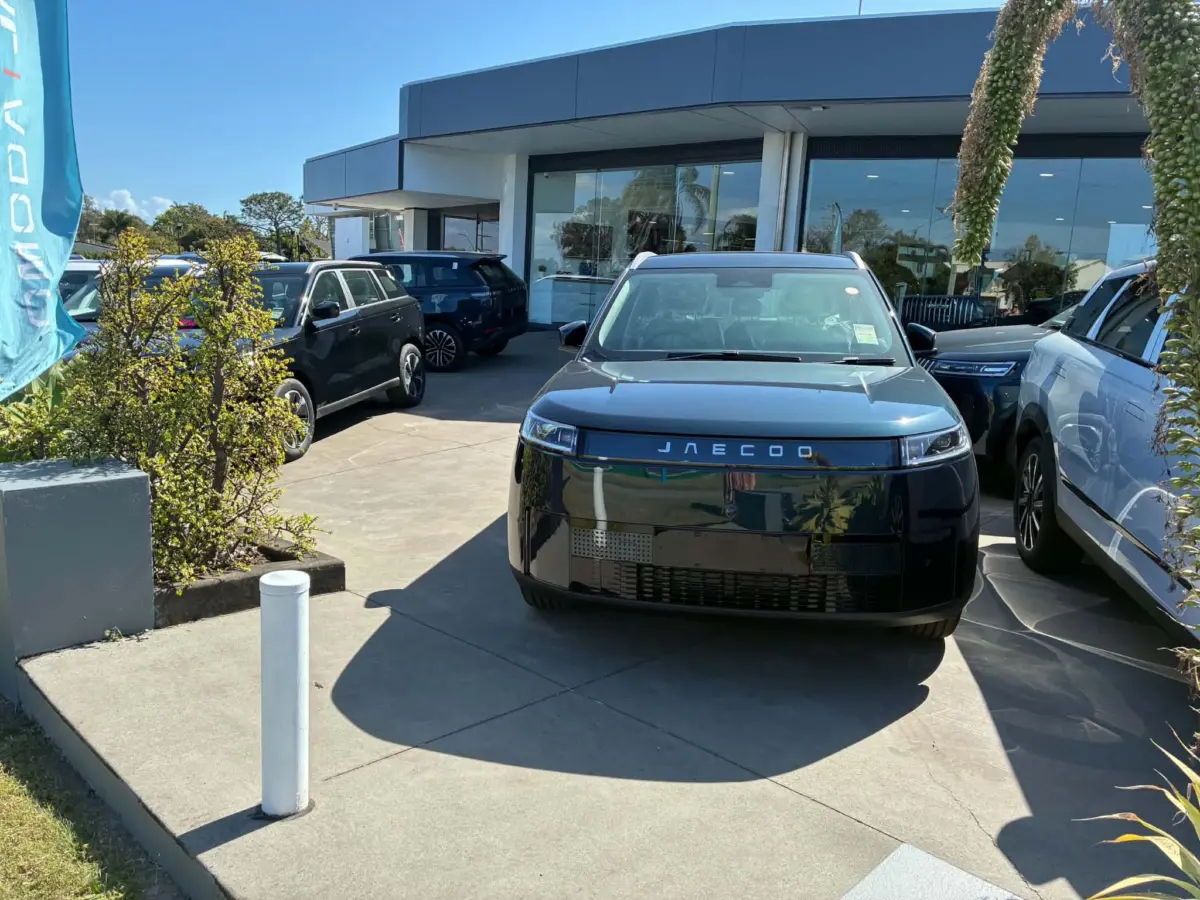
For years, the narrative surrounding the global electric vehicle (EV) transition was dominated by early adopters agonizing over high price tags, legacy automakers dragging their feet, and lingering consumer skepticism regarding new market entrants. Nowhere was this more apparent than in Australia, where post-COVID automotive discussions frequently revolved around a single, skeptical question: "Why should I buy a Chinese car?"
Today, that hesitation has evaporated. As vehicle prices trend downward and onboard technology advances exponentially, traditional brand loyalty is giving way to sheer economic and functional value. At the epicenter of this seismic shift sits the Jaecoo J5, a compact battery-electric crossover that has quietly stormed the Australian automotive market since its debut earlier this year.
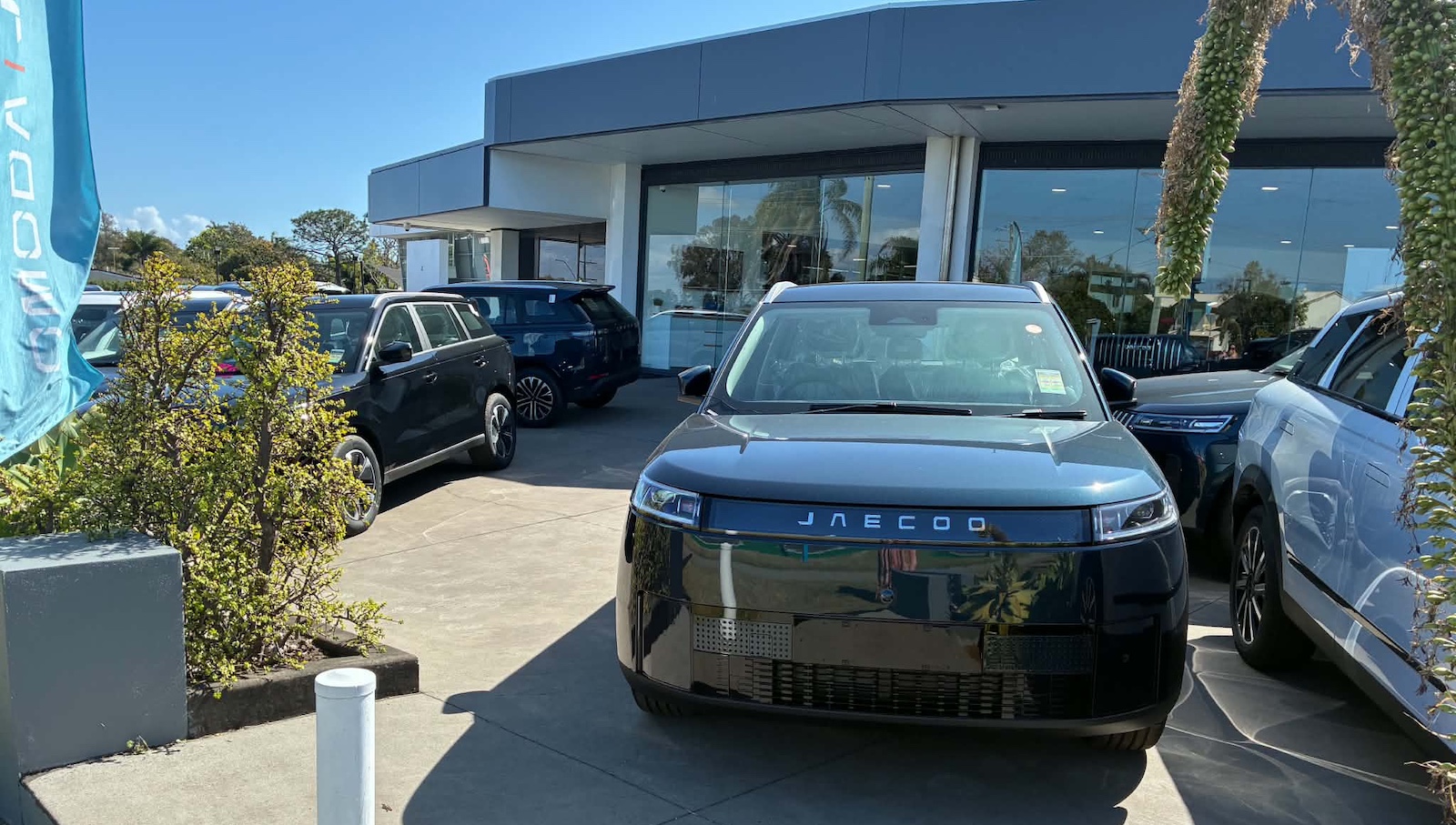
Climbing rapidly from a modest 215 sales in January to an impressive 1,672 units by August, the Jaecoo J5 has racked up a year-to-date total of 8,910 vehicles sold. This trajectory has firmly entrenched the newcomer in Australia’s top ten overall sales charts, landing it at a prestigious number five position. To understand how an unfamiliar nameplate achieved such rapid dominance, we visited a regional dealership—Norris Motor Group—to conduct a ground-level investigation into the vehicle, its manufacturer, and the shifting psychology of the modern Australian driver.
Detailed Chronology: From Humble Imports to Phenomenal Sales Momentum
To appreciate the meteoric rise of the Jaecoo J5, one must first look at the calendar and the lineage of its parent company, Chery. Founded in 1997, Chery has evolved into a global powerhouse and currently stands as the fifth-largest automotive manufacturing group in China. In 2025 alone, the company shifted a staggering 2,806,393 vehicles globally, with 52 percent of its production destined for international export markets. Generating upwards of $40 billion in annual revenue, Chery is not a transient tech startup or a fleeting market fad; it is an industrial heavyweight that even manufactures Land Rover and Jaguar vehicles within China.

However, Chery’s early history in Australia was rocky. Initial market entries featured inconsistent build quality and poorly supported distribution networks, leaving a blemish on the brand’s reputation. Rather than retreating, Chery regrouped, re-engineered, and restructured its strategy for the modern era. In Australia, the company now operates a multi-brand portfolio—notably Omoda and Jaecoo—with plans to introduce its Lepas brand in the near future.
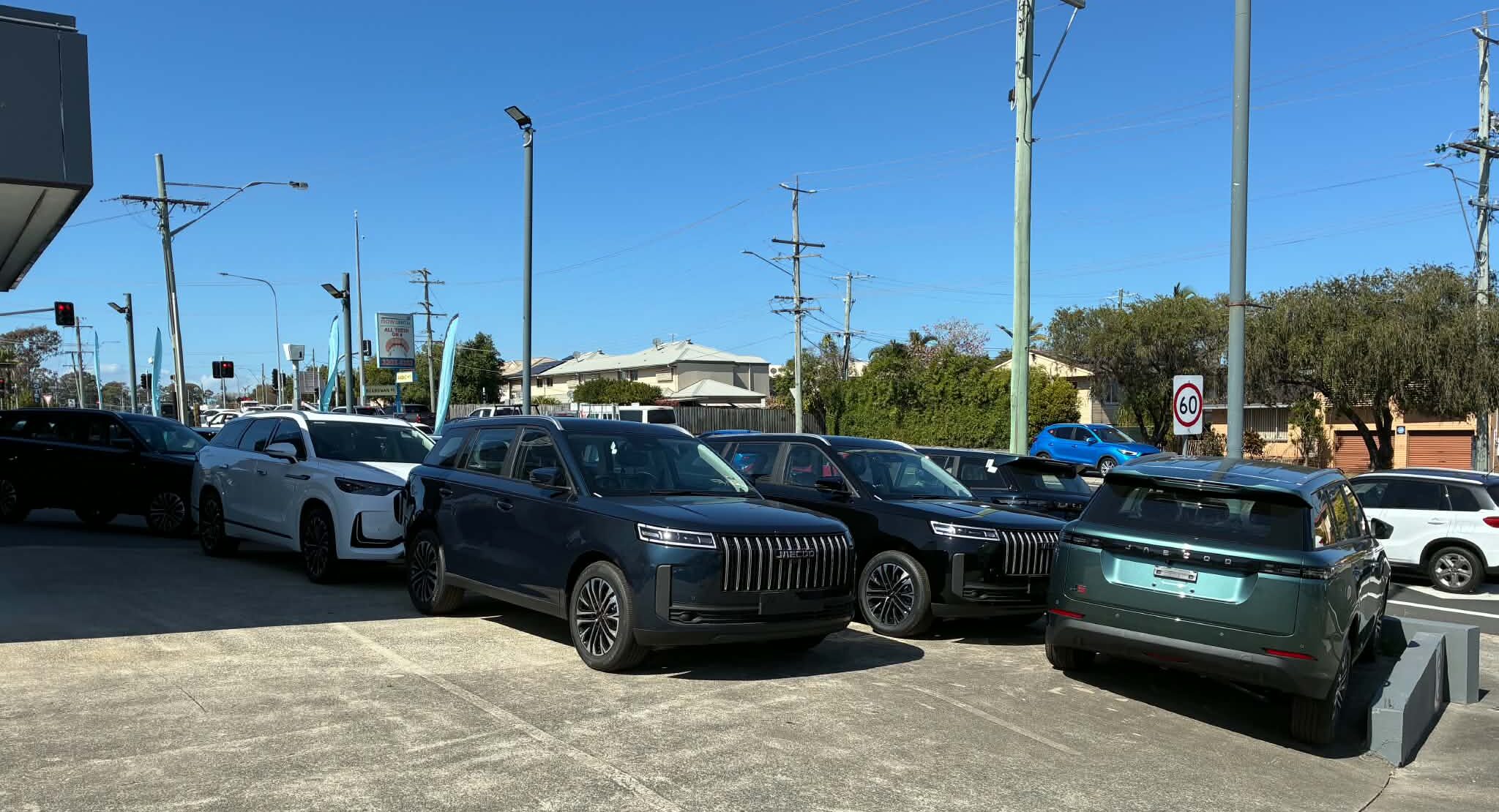
The introduction of the Jaecoo J5 marked a turning point. First hitting Australian shores shortly after geopolitical tensions spiked following the U.S.–Iran conflict, the J5 immediately found a receptive audience. Dealership floors tell the story best: at Norris Motor Group, sales managers report that roughly 80 percent of the 50 vehicles moved each month at that single location are pure battery-electric Jaecoo J5 models, while the remainder comprises super-hybrid PHEV and HEV variants. One sales consultant alone delivered 12 vehicles in a single month, 10 of which were J5 BEVs.
Supporting Context & Metrics: Value, Range, and the Economics of the Switch
What drives buyers through the showroom doors in droves? According to dealership staff, the answer is a combination of aggressive pricing, comprehensive warranties, and soaring traditional fuel costs.

The Value Equation and Upfront Costs
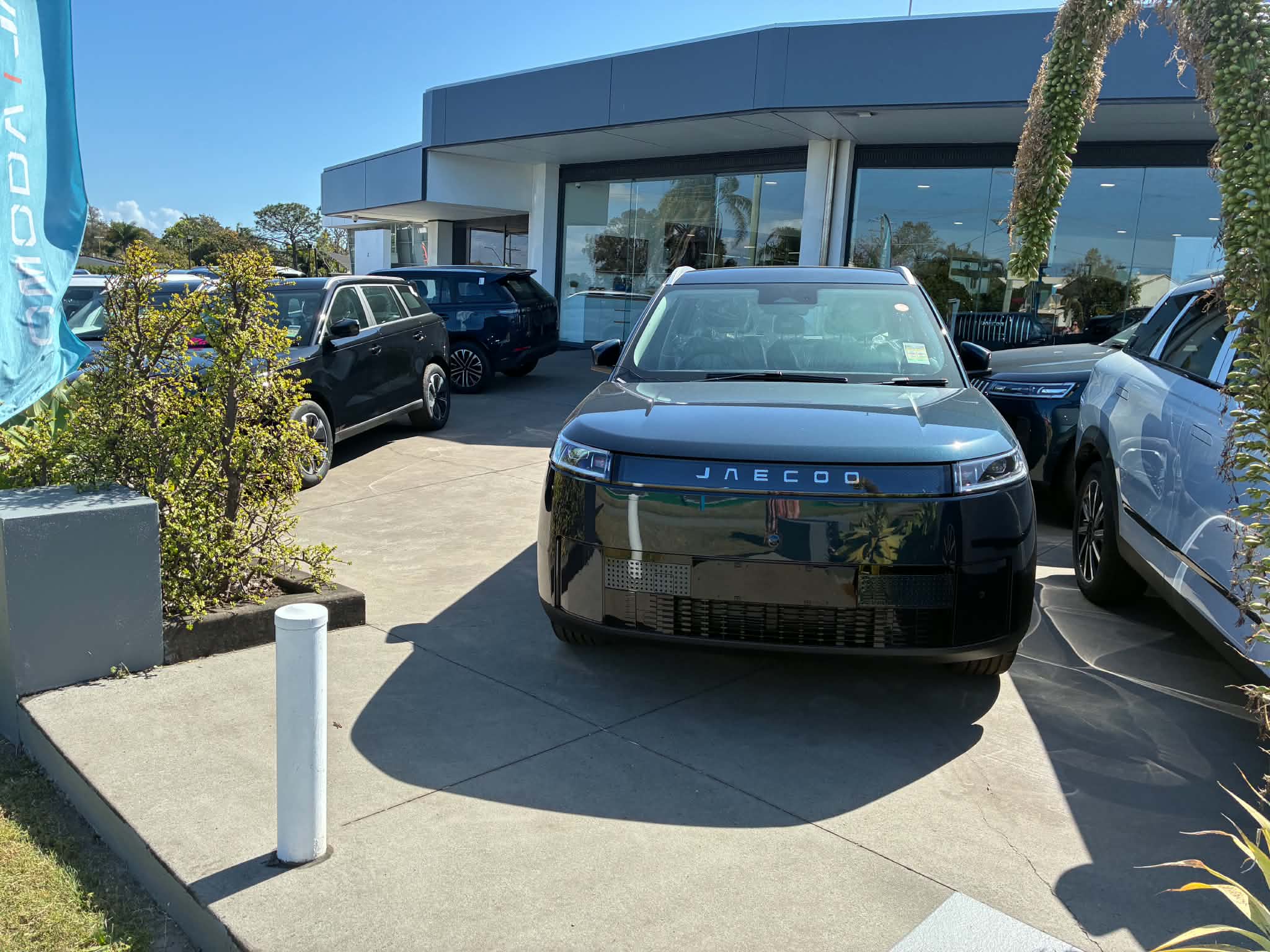
When stacked against traditional, internal combustion engine (ICE) competitors in the same size category, the Jaecoo J5 achieves near price parity. A quick market comparison reveals that similarly sized petrol-powered SUVs command steep prices: the Kia Seltos starts around AU$31,250, the Mazda CX-30 sits at AU$34,360, and the Nissan Qashqai climbs to AU$49,116. The Jaecoo undercuts or aggressively competes with these legacy models while offering superior electric torque and zero tailpipe emissions.
Ownership Perks and Maintenance Metrics
The psychological barrier of transitioning to a new brand is largely dismantled by Jaecoo’s aggressive ownership package:
- 8-Year Vehicle Warranty
- 8-Year Roadside Assistance
- 8-Year Capped-Price Servicing
Maintenance economics play a massive role in consumer conversion. Alternative-year servicing for the Jaecoo J5 costs a modest AU$155 and AU$225. In stark contrast, servicing a traditional petrol or diesel vehicle typically ranges between AU$350 and AU$800 per interval. With diesel prices in Australia creeping toward an eye-watering AU$3 per litre, fleet and private buyers alike are eagerly trading in their fossil-fueled SUVs and diesel utes.
Battery, Range, and Everyday Usability
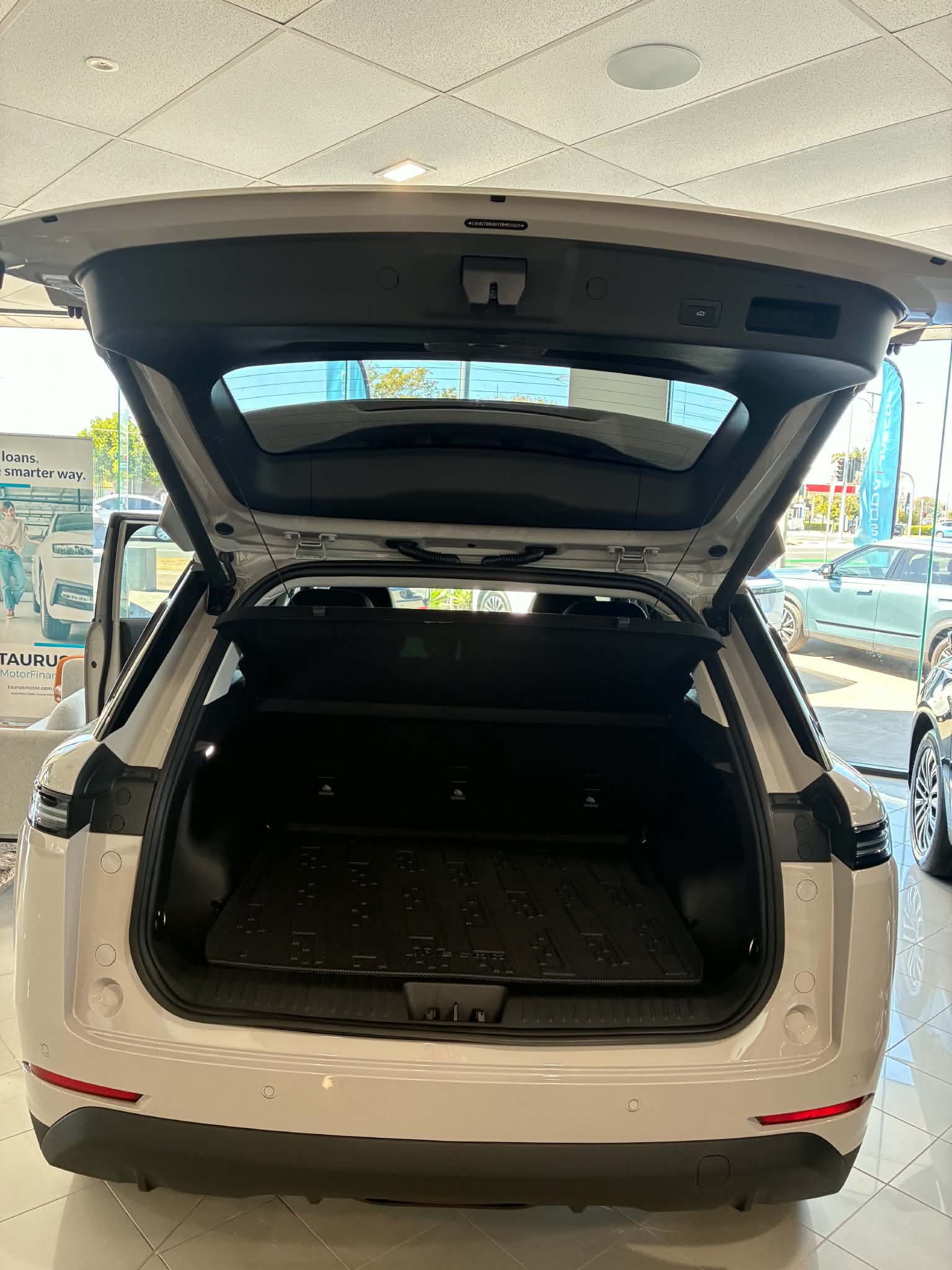
Underneath its solid, aerodynamic front fascia, the Jaecoo J5 packs a 60 kWh LFP (Lithium Iron Phosphate) battery pack, delivering a real-world range of approximately 400 kilometers. For the vast majority of suburban commuters—such as those navigating daily life on the Redcliffe peninsula—this range is more than sufficient.
For driving enthusiasts, the J5 accelerates from zero to 100 km/h in a respectable 8 seconds. Charging infrastructure is similarly straightforward. The vehicle ships with a 5-meter "granny charger" compatible with standard household wall sockets, though buyers can opt for a dedicated Jaecoo wall box and a Vehicle-to-Load (V2L) adapter. Dealership staff actively educate first-time EV buyers on indispensable public charging networks like PlugShare and Chargefox, ensuring a smooth transition into the electric ecosystem.
Official Statements & Interior Innovations: Inside the Jaecoo J5
Sitting inside the cabin reveals a level of digital integration and ergonomic forethought that routinely catches first-time EV buyers off guard.
Cabin Technology and Comfort
The driver is greeted by a prominent 13.2-inch portrait-oriented central touchscreen, complemented by a clean, separate 8.8-inch digital instrument cluster positioned directly behind the steering wheel. Apple CarPlay and Android Auto come standard, alongside heated and ventilated cooling seats, a wireless smartphone charging dock, and a comprehensive 360-degree camera system.
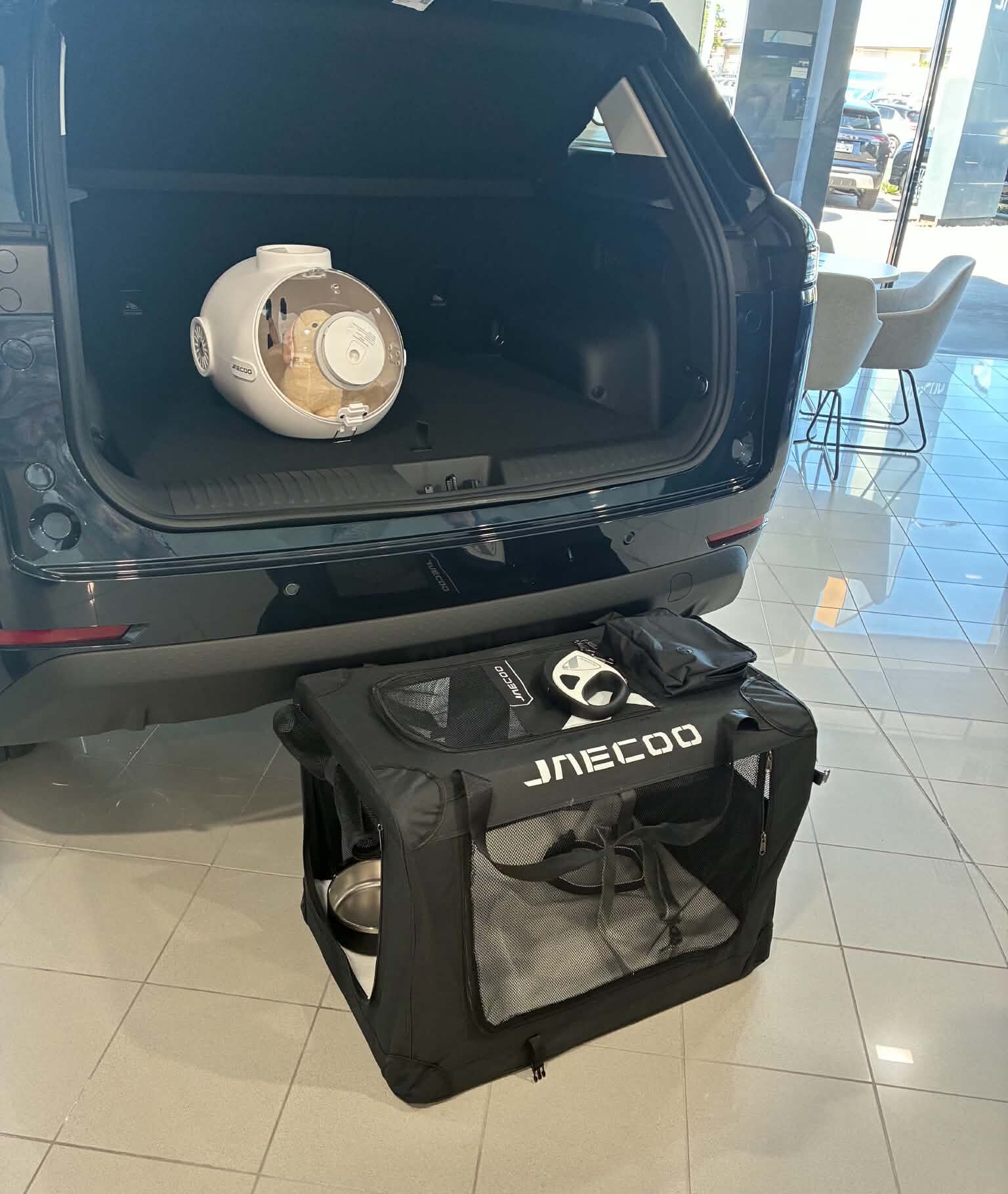
One standout feature praised by reviewers is the panoramic glass roof equipped with a motorized sunshade. Unlike fixed glass roofs that bake passengers during harsh Australian summers, the J5’s sunshade can be adjusted to precise percentages via voice commands.
Family- and Pet-Friendly Engineering
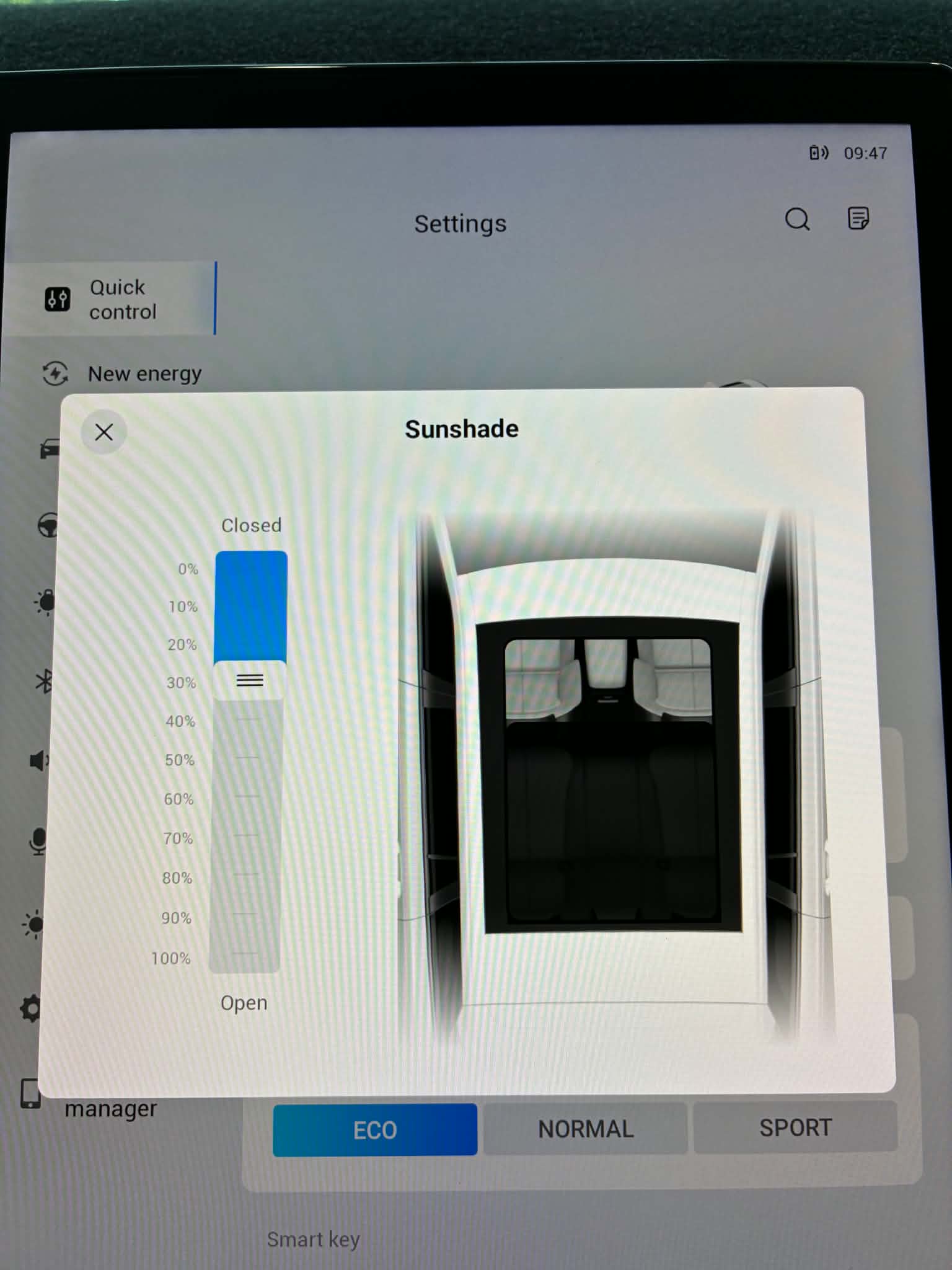
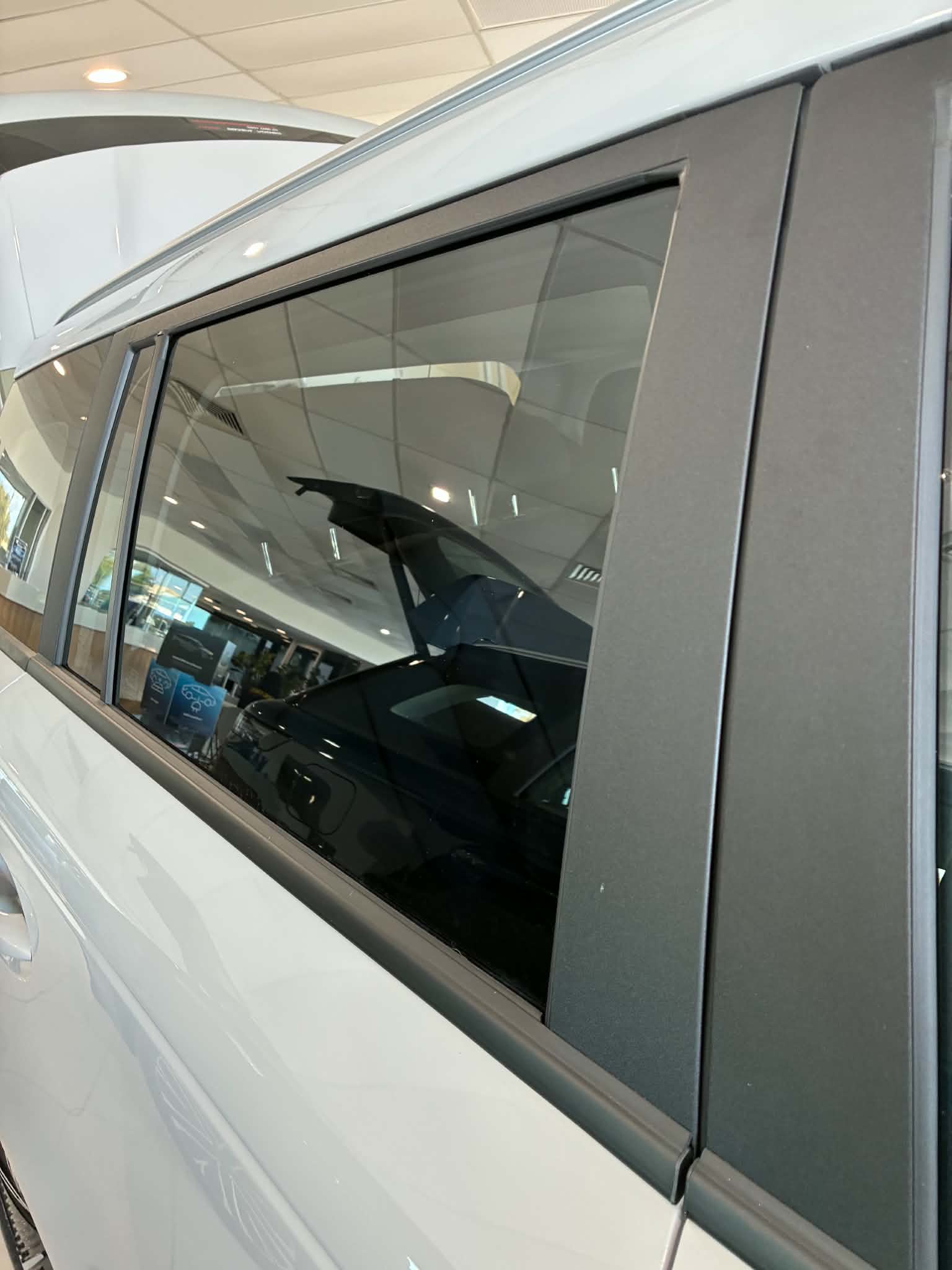
Detail-oriented design choices permeate the cabin. The interior upholstery utilizes materials that are officially certified as "Pet-Friendly" by TÜV SÜD—surfaces that feel smooth, resist claw scratching, and easily repel spills and odors. Easily accessible baby anchors cater to young families, though rear-seat legroom is admittedly optimized for children and teenagers rather than large adult passengers. On the exterior, high-touch areas utilize a smart matte finish to resist unsightly fingerprints, keeping the vehicle looking pristine with minimal effort.
Future Outlook: The Acceleration of Mainstream Adoption
The rapid rise of the Jaecoo J5 serves as a microcosm for the broader transformation of the global automotive market. The era of protectionist skepticism toward Chinese-engineered vehicles has officially given way to pragmatic consumerism. When a manufacturer can deliver a sleek, technologically advanced, long-range electric SUV backed by an 8-year safety net at a competitive price point, market adoption follows naturally.
As trade-ins continue to skew heavily away from gas-guzzling diesel utes and legacy SUVs, showrooms like Norris Motor Group offer a glimpse into Australia’s motoring future. With an expanding lineup of PHEVs, HEVs, and BEVs on the horizon from Chery and its sibling brands, the pathway to mass electrification is no longer a theoretical projection—it is happening on asphalt today, one satisfied customer at a time.