









By [Author Name]
Published: October 24, 2024
Executive Overview
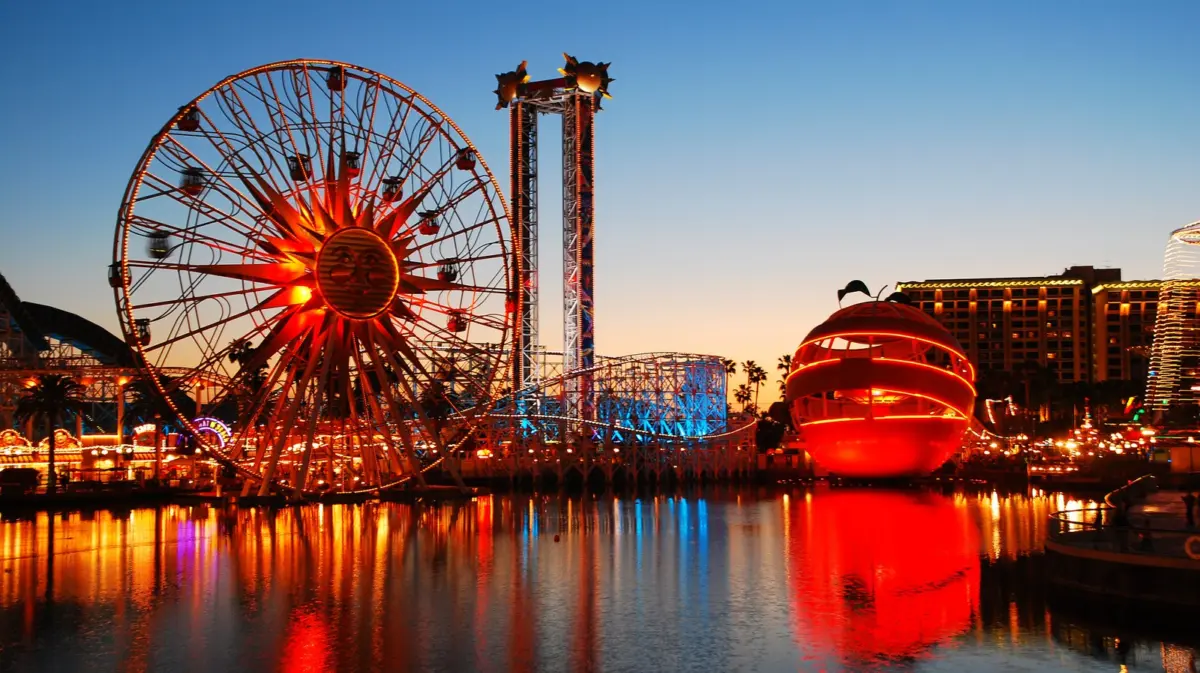
For generations, a pilgrimage to the "Happiest Place on Earth" has served as a cornerstone of the American family vacation. However, the economic reality of visiting these iconic West Coast destinations has reached an unprecedented tipping point. According to the newly released 2026 HomeToGo Theme Park Index, which analyzed 40 major amusement parks nationwide, Disneyland Park and Disney California Adventure have officially tied as the absolute least affordable theme park destinations in the United States.
The index establishes its baseline cost using only the barest financial essentials required for a single day of visitation: one adult admission ticket, standard theme park parking, and the average per-person cost of overnight accommodations for a single night. Even when completely omitting variable, everyday expenses such as dining, beverages, merchandise, and premium queue upgrades, the daily baseline figure for the Anaheim resorts stands at a staggering $331.03 per visitor.

This staggering economic milestone highlights a broader, accelerating trend across the American travel and tourism landscape. As families face mounting inflationary pressures, the rising cost of corporate-owned entertainment is forcing a fundamental reassessment of what constitutes an accessible family holiday. While theme parks have always commanded premium pricing, the 2026 data illustrates that the gap between regional amusement parks—such as California’s Six Flags Magic Mountain—and the corporate behemoths of the Walt Disney Company has never been wider.
Detailed Chronology: The Escalation of Anaheim’s Resort Pricing
To understand how a single day at Disneyland and Disney California Adventure became a $331 baseline investment, it is necessary to examine the systematic shifts in pricing strategies that have unfolded over the past decade.
The Shift Toward Dynamic Pricing (Late 2010s)
Historically, Disneyland operated on a predictable, seasonal ticket-tier system. However, the introduction of multi-tiered, demand-based pricing fundamentally altered consumer planning. By tying ticket prices directly to anticipated crowd levels—designating days as "Value," "Regular," "Peak," or "Holiday"—the resort began driving visitors toward off-peak periods while simultaneously establishing higher price ceilings for weekends, holidays, and summer months.
The Post-Pandemic Economic Reset (2021–2023)
Following the unprecedented disruptions of the COVID-19 pandemic, the reopening of the Disneyland Resort brought forth a wave of pent-up consumer demand. During this period, the resort rolled out a series of operational changes designed to manage park capacity while maximizing per-capita spending. The phasing out of traditional, complimentary FastPass systems in favor of paid digital alternatives—initially branded as Disney Genie+ and later rebranded as Lightning Lane Multi Pass—marked a critical turning point. What was once a complimentary service included in the price of admission became an essential, fee-based utility for families looking to avoid hours-long queue times.

The 2026 Affordability Crisis
By 2026, the cumulative compounding of annual ticket price increases, rising local hospitality taxes in Anaheim, and escalating parking fees converged to secure the resort’s position at the bottom of the HomeToGo Index. Today, a baseline visit requires an upfront financial commitment that rivals short-haul international travel or luxury domestic getaways.
Supporting Context & Metrics: Breaking Down the $331.03 Baseline
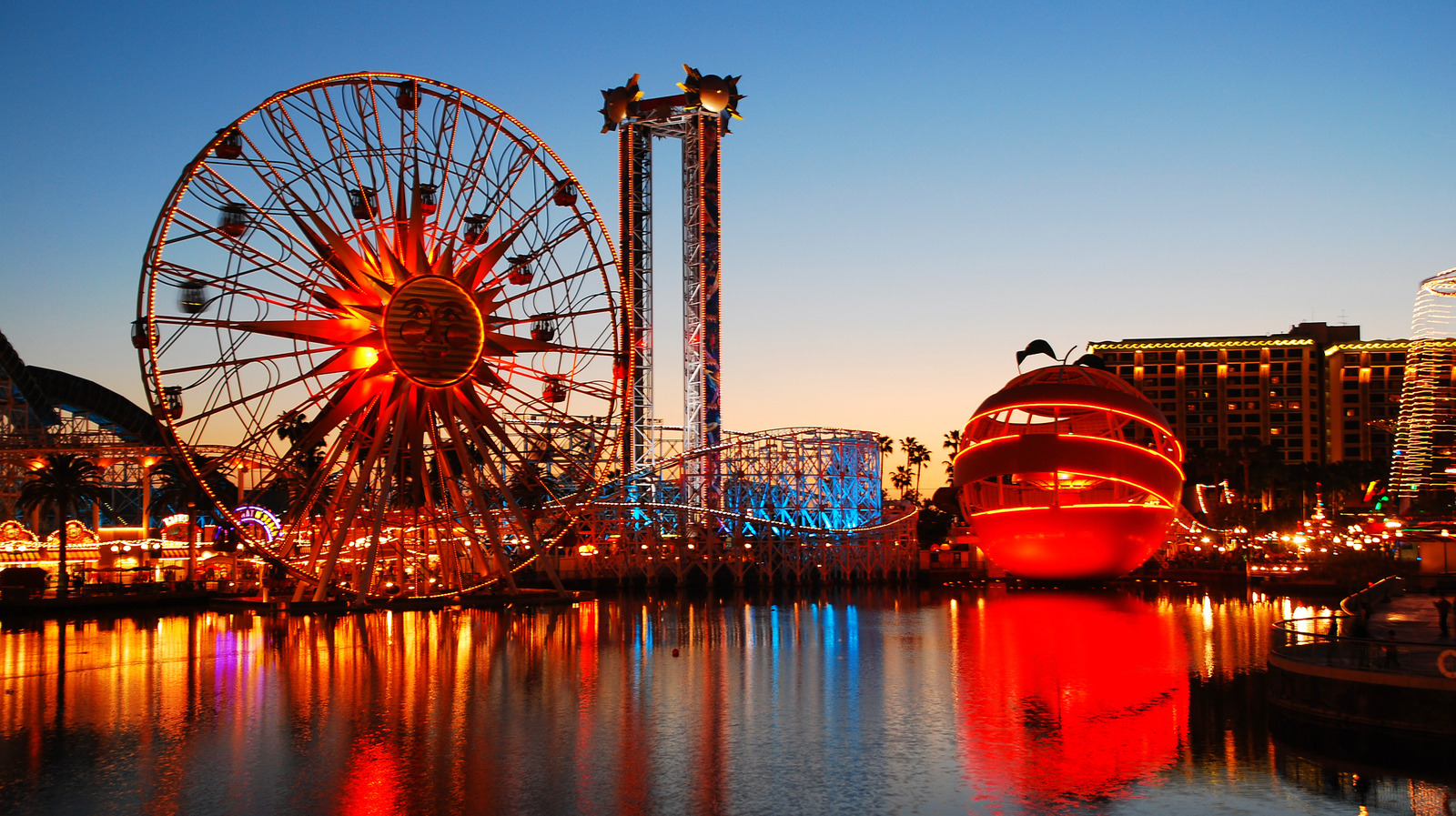
To fully comprehend the HomeToGo Theme Park Index findings, industry analysts look closely at the components that make up the $331.03 baseline cost for Disneyland and Disney California Adventure.
1. Admission Tickets
A single-day, single-park ticket for an adult visiting an Anaheim park during standard demand periods routinely exceeds $150 to $180, depending on the specific tier. For visitors opting for Park Hopper capabilities—allowing guests to move between Disneyland Park and Disney California Adventure on the same day—the price increases further. When calculated on a per-day basis, the ticket alone commands nearly half of the index’s baseline budget.
2. Accommodations
Unlike regional amusement parks situated in suburban or rural settings where local hotel rates fluctuate wildly, the Disneyland Resort is embedded within the densely developed urban corridor of Anaheim, California. The index factors in the average per-person cost of overnight accommodations for one night. Because Anaheim serves as a premier tourism gateway featuring a high density of upscale Disney-owned hotels (such as Disney’s Grand Californian Hotel & Spa) alongside heavily trafficked partner hotels along Harbor Boulevard, regional lodging rates remain consistently high year-round.
3. Parking Fees
Standard passenger vehicle parking at the Mickey & Friends and Pixar Pals parking structures, as well as the Toy Story Parking Area, has steadily climbed alongside general inflation. Parking adds an immediate fixed cost of $35+ per vehicle per day, further inflating the baseline financial barrier to entry.
Comparative National Landscape
To put the Anaheim figures into perspective, consider how other major destinations stack up in the 2026 index:
- Disney California Adventure & Disneyland Park (Anaheim, CA): Tied for #1 least affordable at $331.03 per person/day.
- Magic Kingdom (Orlando, FL): Ranks immediately adjacent at $296.80 per person/day. While slightly lower in baseline cost, Orlando presents a distinct financial challenge due to its multi-park ecosystem (Walt Disney World features four theme parks and two water parks), meaning guests typically require multi-day tickets and extended hotel stays to experience the resort fully.
- Six Flags Magic Mountain (Valencia, CA): Positioned at $171.12 per visitor daily, serving as a stark reminder of the massive cost gap between traditional thrill-ride parks and heavily themed intellectual-property-driven resorts.
The Hidden Multipliers: Beyond the Baseline
The most revealing aspect of the 2026 data is that the $331.03 figure represents an absolute floor, not a ceiling. For the average family, a trip to Disneyland or Disney California Adventure incurs numerous secondary and tertiary costs that can easily double the per-person daily expenditure.
Digital Queue Management: Lightning Lane Passes
Navigating popular attractions—such as Star Wars: Rise of the Resistance, Space Mountain, or Radiator Springs Racers—often involves enduring wait times that regularly exceed 90 to 120 minutes. To bypass these queues, guests must purchase the Lightning Lane Multi Pass, which tames lines for dozens of attractions starting at a baseline of $34 per ticket, per day (with pricing dynamically scaling upward during peak periods). Furthermore, individual high-demand rides require standalone Lightning Lane Single Passes, costing anywhere from $7 to $40 per attraction, per person.
Gastronomy and Refreshments
The culinary landscape of the Disneyland Resort is renowned, featuring everything from immersive sit-down dining at Blue Bayou to iconic mobile-order snacks like Mickey-shaped pretzels, churros, and Dole Whips. Community planning forums, such as Reddit’s r/DisneyPlanning, widely cite $100 per person, per day as a realistic baseline budget for food and beverages. Families attempting to sustain themselves entirely on park-owned culinary offerings without packing outside snacks will see their daily budgets balloon instantly.
Merchandise and Souvenirs
No trip to Anaheim is complete for many younger guests without physical tokens of their experience. Iconic memorabilia—such as customizable Mickey Mouse ear headbands ($20 to $50), spirit jerseys, and limited-edition trading pins—represent an almost compulsory psychological expenditure for families traveling with children, adding hundreds of dollars to the overall vacation ledger.
Official Statements and Industry Response
The economic findings of the 2026 HomeToGo Theme Park Index have reignited long-standing debates among consumer advocacy groups, travel economists, and corporate stakeholders regarding corporate pricing power and consumer access.
While Walt Disney Company executives have consistently defended their pricing models during quarterly earnings calls by emphasizing ongoing capital investments—such as the creation of expansive, high-immersion lands like Star Wars: Galaxy’s Edge and Avengers Campus—independent economists point to inelastic consumer demand as the primary driver behind continuous price increases.
In a statement regarding their annual index methodology, a spokesperson for HomeToGo noted:
"Our goal with the Theme Park Index is to provide travelers with transparent, standardized metrics that cut through marketing language. The data for 2026 clearly demonstrates that visiting America’s premier resort destinations requires significant financial foresight. As baseline essentials continue to climb, consumers are forced to carefully weigh the value of these experiential getaways against their broader household budgets."
Industry analysts suggest that while price sensitivity is growing among middle-income families, high-net-worth consumers and international travelers continue to absorb the increases, ensuring that the Anaheim parks remain financially robust despite public grumbling over affordability.
Future Outlook: What Lies Ahead for Theme Park Consumers?
As the travel industry looks toward the latter half of the decade, the core question facing Disneyland and Disney California Adventure is sustainability. Can the upward trajectory of theme park pricing continue indefinitely without alienating core demographic bases?
Potential Shifts in Consumer Behavior
- Shorter Stays: Rather than booking week-long vacations encompassing multiple park days and on-property resort stays, families are increasingly shifting toward condensed, single-day blitzes or utilizing off-property budget motels to offset escalating lodging costs.
- Strategic Off-Peak Travel: With dynamic pricing heavily penalizing weekends and holiday periods, savvy consumers are increasingly pulling children out of school during traditional off-peak weeks to secure lower ticket and hotel tiers.
- Exploration of Regional Alternatives: The widening affordability gap between Disney destinations and regional parks (such as Six Flags, Cedar Fair properties, and independent regional attractions) may drive domestic travelers to seek closer, more budget-friendly entertainment alternatives.
The Corporate Balancing Act
For Disney, the challenge moving forward will involve maintaining the delicate equilibrium between maximizing corporate shareholder returns and preserving the cultural mythology of the parks as accessible destinations for everyday families. Until operational adjustments or economic cooling measures take effect, visitors to Anaheim will need to approach their trip planning with rigorous budgeting, strategic pass acquisition, and a clear-eyed understanding of the true cost of magic in 2026.