





Executive Overview
In the rugged, unforgiving expanse of the Canadian wilderness, the margin between a triumphant expedition and a life-threatening emergency can be measured in millimeters of water and fractions of a degree in water temperature. This reality became starkly apparent on a remote, windswept stretch of northwestern Lake Superior during a planned 10-day, 150-mile sea kayaking expedition from Sturgeon Bay to Rossport.
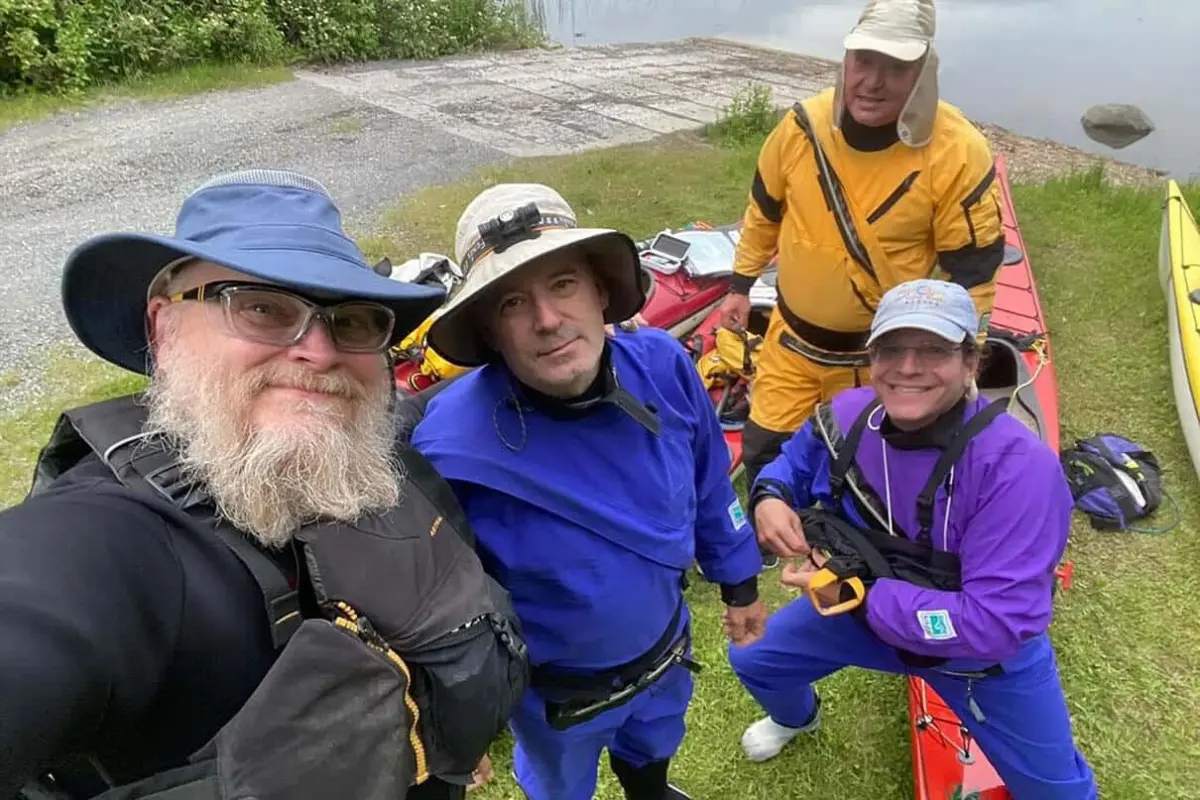
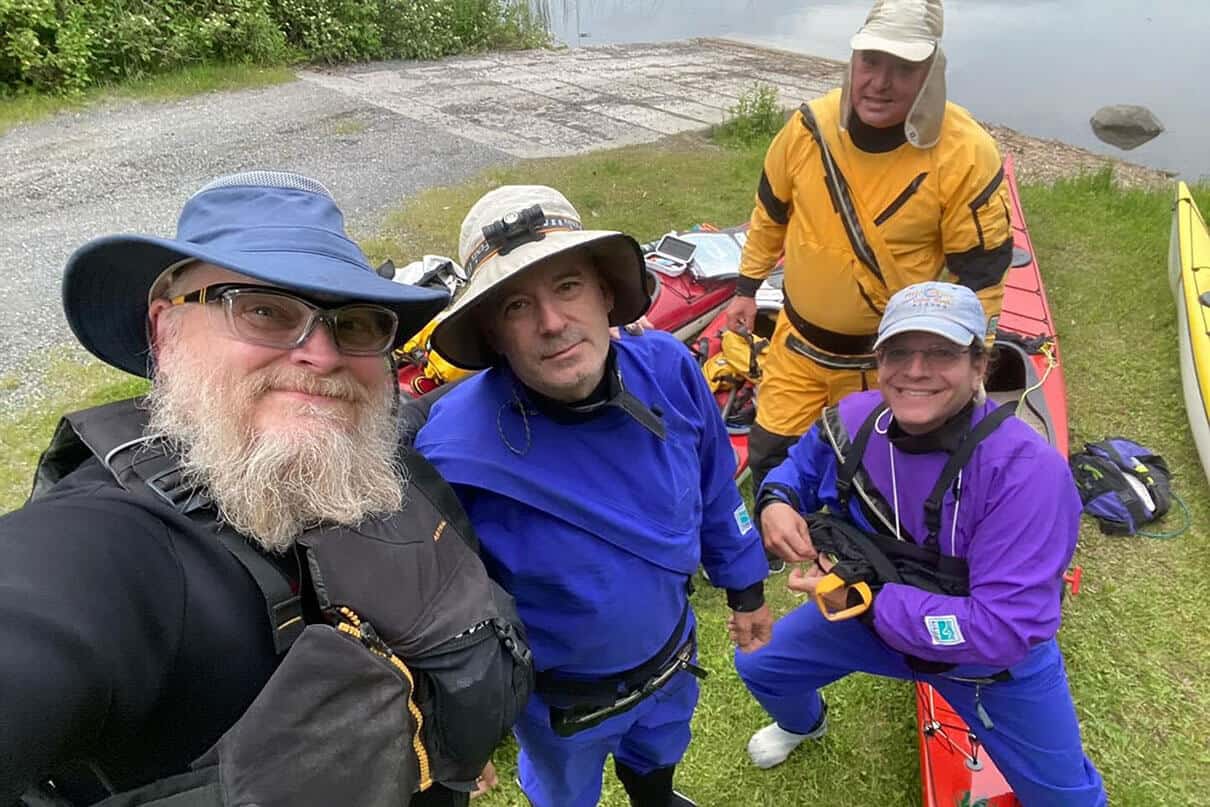
Four seasoned paddlers—Bill Newman, Patrick Maun, David Wick, and Jeff Johnson—were four days into their journey when a routine open-water crossing deteriorated rapidly. Caught in refracting three-foot swells and bitter mid-June waters that had barely thawed from winter ice, Johnson capsized his heavily overloaded kayak. What followed was a masterclass in wilderness risk management, compounded by equipment failures, a medical emergency, and the onset of stealthy, cognitive-numbing hypothermia.
Yet, the incident transcends a cautionary tale of maritime error. It stands as an endorsement of the buddy system, the unyielding value of decades-long camaraderie, and the restorative power of unexpected human kindness in isolated frontier hamlets. This investigative narrative breaks down the chronology, mechanical failures, human factors, and ultimate takeaways of the Lake Superior rescue, exploring how a near-tragedy transformed into an unforgettable chapter of wilderness lore.
Detailed Chronology: The Anatomy of a Crossing
Day Four: Setting the Stage for Trouble
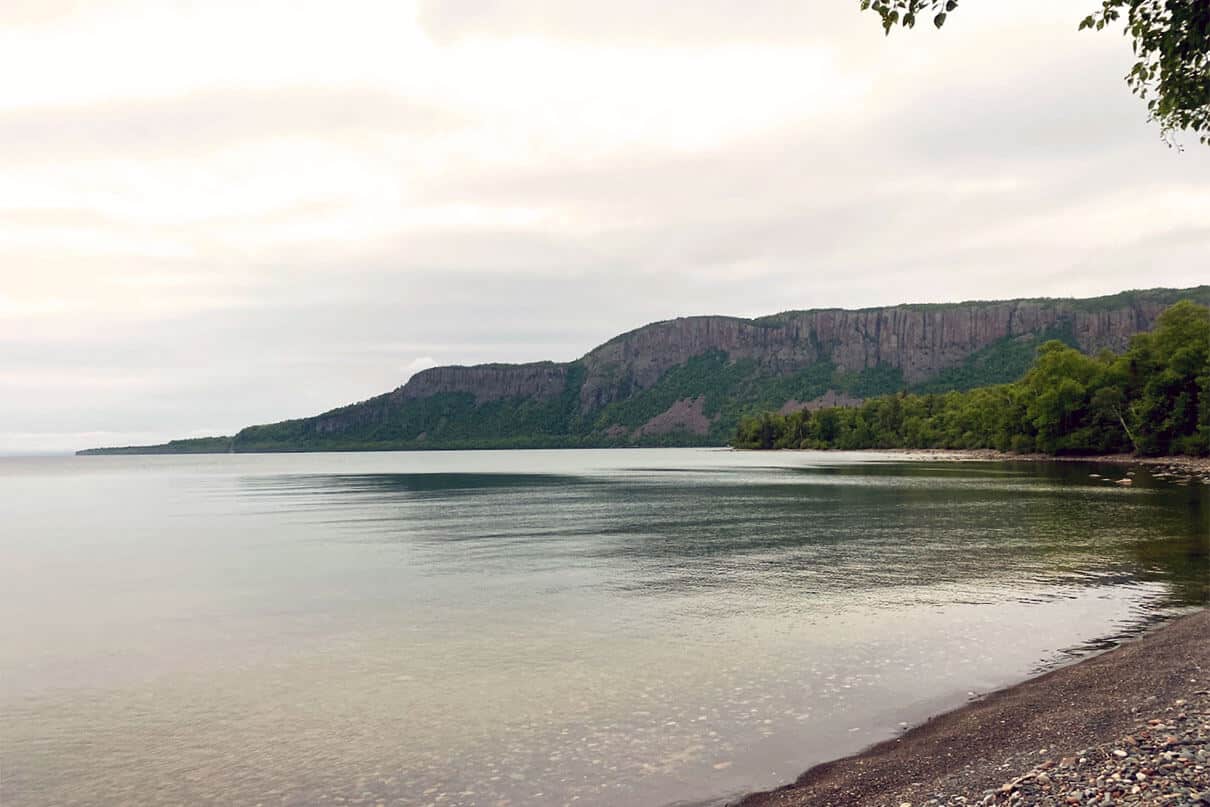
The expedition’s fourth day was designed to test endurance: a transition from Thompson Island to Pie Island, followed by a demanding six-mile open-water traverse toward Tee Harbour on the Sibley Peninsula. The meteorological conditions at the outset were deceptively benign—breezy with three-foot following seas. While manageable by Lake Superior standards, these swells began refracting off surrounding geological formations, generating chaotic, multidirectional chop.
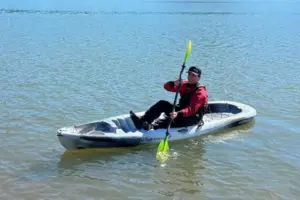
Johnson, standing six-foot-two and weighing approximately 250 pounds, was piloting an 18-foot Wilderness Tempest sea kayak. By his own admission, he was the least experienced member of the quartet. Compounding his vulnerability, his boat was severely over-packed: camping gear filled every interior hatch and spilled haphazardly onto the vessel’s deck—a configuration that had already prompted lighthearted ribbing from his companions.
More critically, an unseen mechanical failure was unfolding astern. Unbeknownst to the paddlers, Johnson’s rear cargo hatch had come unsealed, allowing the hull to silently ship water over the course of the day’s paddle.
The Inevitable Capsize
As the psychological pressure mounted and the chaotic refraction tossed the flotilla, Bill Newman—paddling roughly 30 feet away—noticed the unmistakable physical markers of panic in Johnson’s technique.

"I’ve taught enough to know when someone’s nervous," Newman recalls. "His strokes got shorter, and he was stiff at the waist. I remember thinking, ‘He’s going to go over.’"
Two miles into the open-water crossing, the prediction materialized. Johnson capsized into water hovering in the mid-40s Fahrenheit—temperatures capable of inducing incapacitating cold shock within minutes.
The Rescue Operation: Tactics and Obstacles
Adhering to the cardinal rule of open-water expedition travel, the group maintained a tight formation, enabling an immediate response. Newman initiated a standard T-rescue, attempting to lift Johnson’s capsized boat over his own front deck to drain the cockpit. The maneuver failed completely.
"His boat was overloaded," Newman stated bluntly. "Too much shit on the deck, too much gear in the boat."
Recognizing the failure of the T-rescue, Newman pivoted instantly to a raft-and-pump technique. The two kayakers positioned their boats in opposite directions, locking themselves together in a solid, brace-supported configuration while dropping dual hand pumps into the cockpit. Maun and Wick converged to assist, establishing a continuous two-pump rotation.
Progress, however, was agonizingly slow. Between the water trapped inside the flooded rear compartment, the water in the cockpit, and Newman’s stabilizing weight leaning against the vessel, the Tempest’s cockpit rim sat a mere three-quarters of an inch above the lake’s surface. Every micro-wave slapped over the coaming, dumping gallons of freezing water back into Johnson’s lap.
Wick eventually managed to secure Johnson’s sprayskirt around the coaming, leaving just enough clearance for the bilge pumps to operate. Only then did the water level begin to recede.
The Two-Hour Tow and Diabetic Crisis
Recognizing that Johnson was already severely chilled and highly susceptible to a secondary capsize, the team opted to place him in a rafted tow. However, another obstacle emerged immediately. Newman reached for his rear-mounted tow belt, only to find it unusable.
"That was my hero-to-zero moment," Newman admits, noting that he had added weight since his last serious towing operation. "I couldn’t make it buckle and still freaking breathe."
Without missing a beat, Newman handed the tow rig to Wick. Wick and Maun established a tandem towing formation, while Newman remained rafted directly to Johnson’s hull to provide lateral stability. They were trapped four miles from Tee Harbour and two miles from Pie Island; with the wind at their backs, the team elected to push for the distant peninsula. The grueling tow took approximately two hours.
During this grueling transit, a secondary medical emergency materialized. Wick, who manages Type 1 diabetes, realized the relentless pressure of the heavy tow belt was driving directly into the insulin-monitoring sensor implanted in his hip.
"He was actually putting blood on the tracks," Johnson noted, observing Wick’s rapid cognitive decline as his blood sugar plummeted.
In a fumbling attempt to contribute, Johnson tried to retrieve a Clif bar from his life jacket pocket. Numbed by the cold, his fingers betrayed him; he dropped the snack into the dark depths of Superior. Fortunately, Wick located a stash of nuts in his gear, stabilizing his blood sugar just in time to maintain the grueling tow.
Supporting Context & Metrics: Environmental Hazards and Equipment Realities
The incident on Lake Superior underscores several technical metrics and environmental factors that every cold-water mariner must respect:
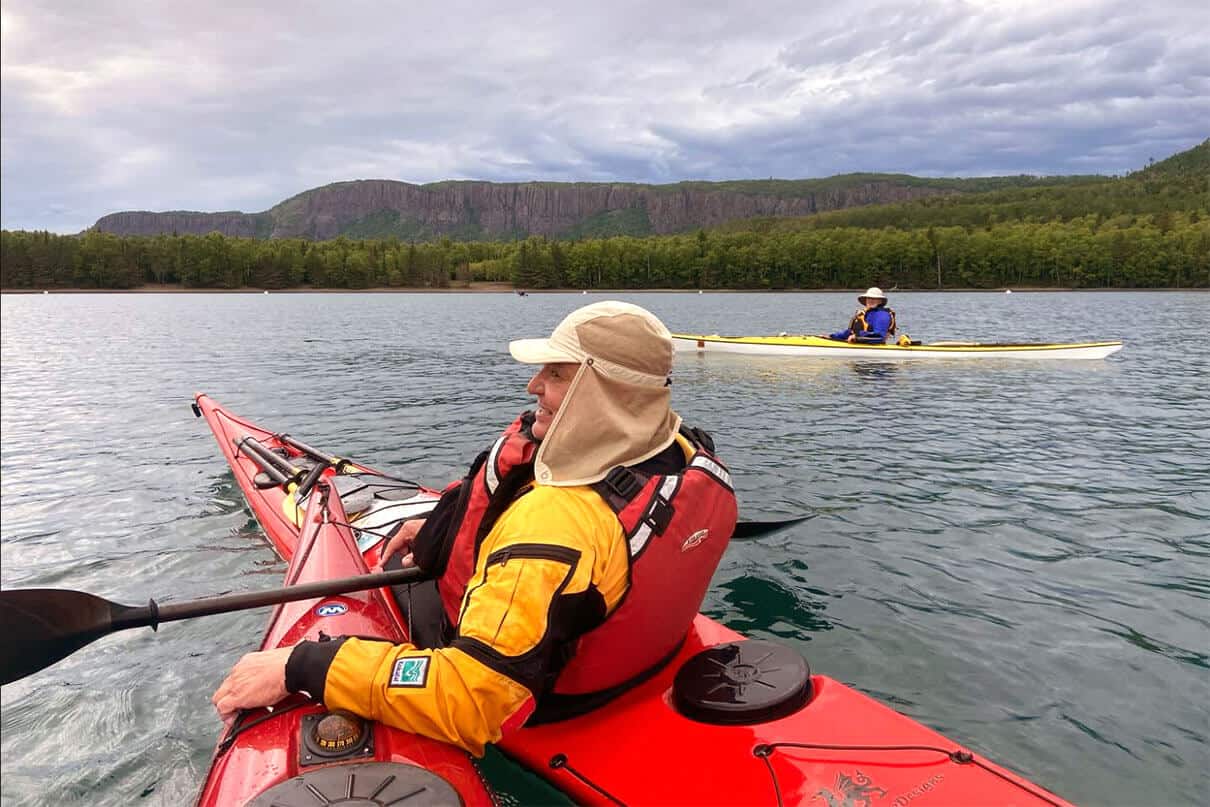
- Water Temperature: Mid-June surface temperatures hovered around 45°F (7°C). At this temperature, unprotected skin experiences cold shock within 1–3 minutes, followed by functional loss of limbs in 10–30 minutes, and terminal hypothermia within 1 to 2 hours.
- Thermal Protection Mismatch: While Maun, Wick, and Newman wore modern drysuits—the gold standard for open-water kayaking—Johnson was attired in a wetsuit jacket over a Farmer John wetsuit. While wetsuits insulate by trapping a thin layer of water against the skin, they do not prevent water exchange, nor do they protect against windchill once the paddler is out of the water.
- The Hypothermic Threshold: Johnson spent less than five minutes immersed in the lake, but because the rescue could not completely empty his flooded hull, he sat in a freezing bilge for a two-hour tow.
- Hour One: Severe, violent shivering.
- Hour Two: Shivering ceased entirely—a terrifying neurological indicator of moderate-to-severe hypothermia where the body abandons heat generation to protect core organs, accompanied by a dangerous slowing of cognitive processes.
- Communication Deficits: Handheld marine VHF radios are largely useless along this remote stretch of northwestern Lake Superior due to massive granite cliffs blocking line-of-sight signals, rendering self-reliance absolute.
Official Statements & Retrospective Analysis
Reflecting on the episode, the expedition members offered candid assessments of the systemic errors that precipitated the crisis.
Bill Newman emphasized that the rescue’s success relied entirely on muscle memory rooted in decades of training. "Though we hadn’t practiced rescues in years, Patrick and David have taught those techniques. When it was time to act, training took over."
Yet, Newman was equally quick to point out the operational flaws:
"We all made mistakes on this trip. My tow belt hadn’t been sized; David and I both experienced drysuit gasket failures because we brought older gear we hadn’t thoroughly checked out. And Jeff overloaded his boat and wore inadequate thermal protection."
Johnson’s realization of his own limitations proved to be the most critical safety decision of the expedition. Upon reaching the hamlet of Silver Islet the following day, Johnson made the definitive call to drop out of the trip.
"I had to tell the guys I’m a liability," Johnson said. "I’m just too janky in this boat."
Newman praised this self-awareness, noting that it represents the pinnacle of wilderness judgment: "Would Jeff have capsized there [in the rougher water ahead]? Absolutely. Could he have made the rest of the trip? Sure. But we all respected his decision not to continue."
Future Outlook: Lessons Learned and the Road Ahead
The Lake Superior rescue serves as an invaluable case study for sea kayaking organizations globally. The core takeaways focus on three fundamental pillars of expedition safety:
- Rigorous Equipment Auditing: Drysuits, seals, tow belts, and deck rigging must be tested and fitted prior to departure, not assumed to work from previous seasons.
- Dynamic Load Management: Boats must be trimmed correctly, with watertight hatch integrity verified continuously. Overloading compromises secondary stability and drastically complicates open-water rescues.
- Psychological Honesty: Recognizing when fear, fatigue, or cold is impairing cognitive function—and having the humility to step off the water—prevents single incidents from compounding into fatal tragedies.
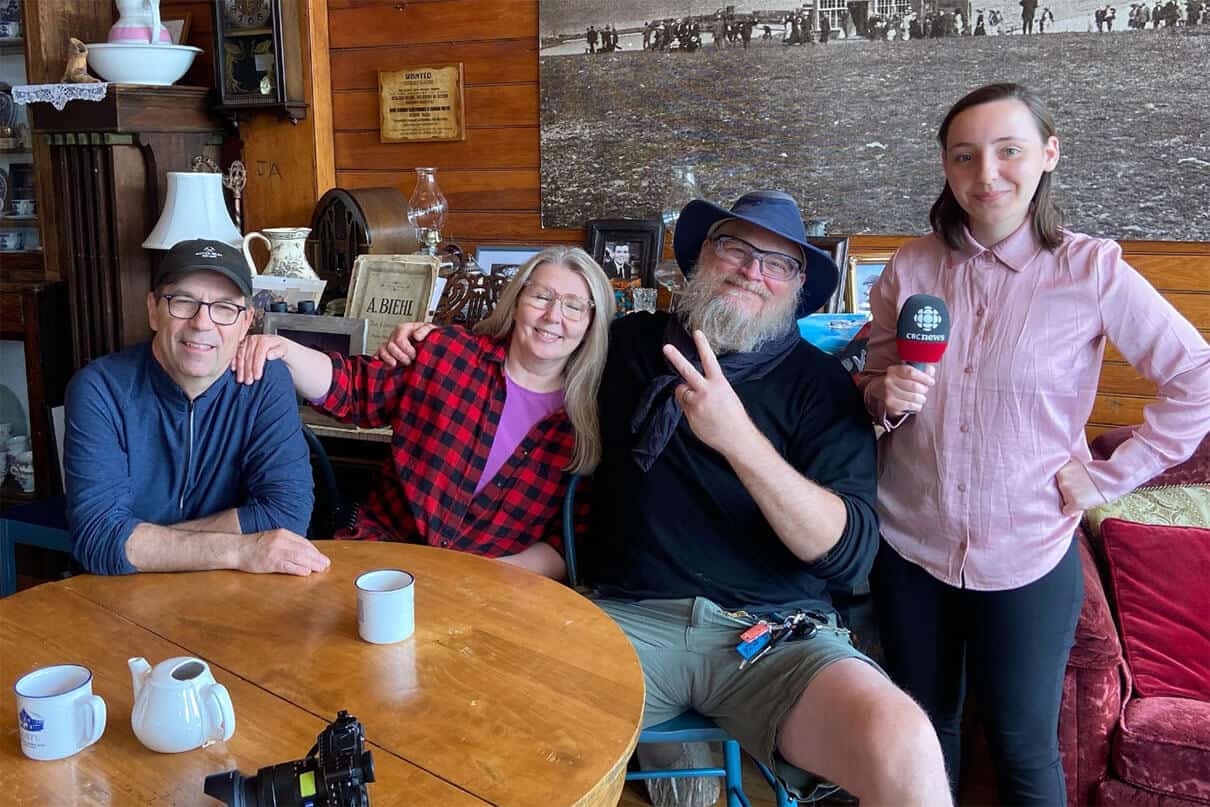
For Johnson, the expedition did not end in defeat. After his dramatic rescue and subsequent pampering by Jeff and Sandy Korkola at the Silver Islet General Store—complete with a makeshift 1930s bed, a roaring fire, ribs, and the newly christened "Tee Harbour Tea"—he caught a ride to Thunder Bay. There, local media picked up his wholesome story, transforming him into a local celebrity who spent his days attending powwows and paddling the calm coastal waters.
Reunited with his companions later, Johnson earned the affectionate title of "The Mayor of Thunder Bay." The group is already planning their next major sea kayaking expedition to the San Juan Islands.
Next time, however, the logistics will look different. Johnson will be outfitted in a brand-new drysuit, his boat will be properly trimmed, and the team has committed to regular pre-trip rescue practice sessions—proving that while adventure carries inherent risk, wisdom is earned one paddle stroke at a time.