





Executive Overview
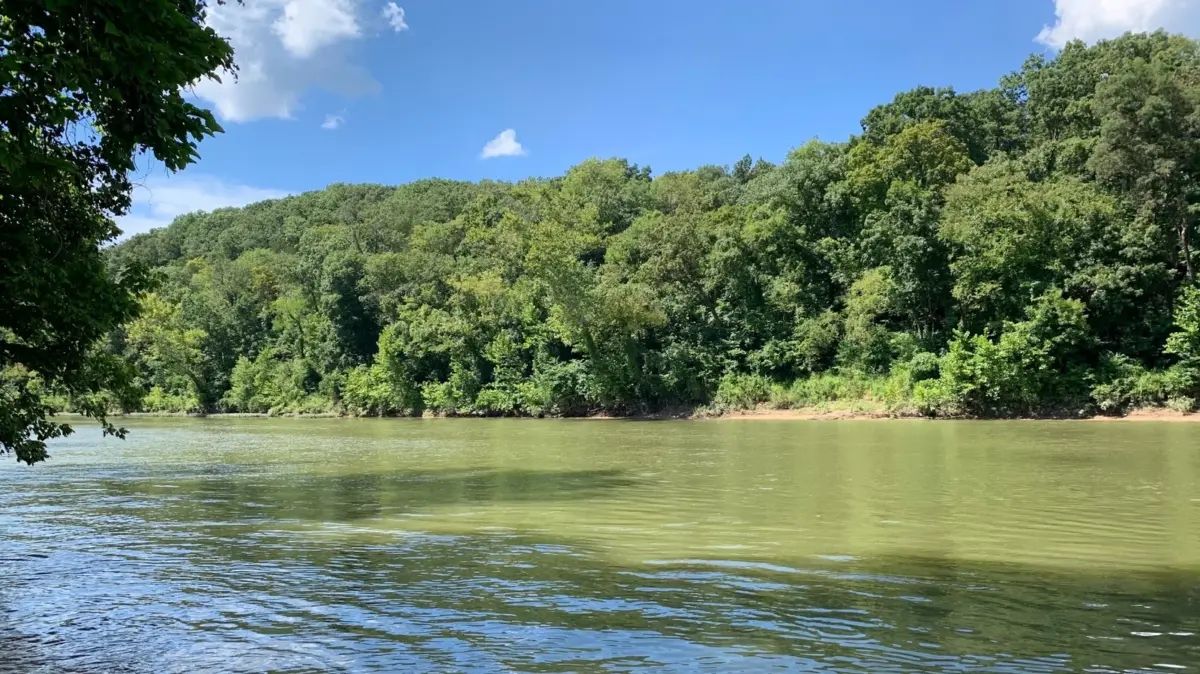
Just an hour’s drive southwest of the bustling urban landscape of St. Louis, Missouri, lies an expansive, tranquil sanctuary that offers a masterclass in biodiversity, riverine ecosystems, and regional history. Spanning 1,225 acres of lush oak-hickory woodlands, rich river floodplains, and dynamic waterfronts, Robertsville State Park provides a much-needed antidote to metropolitan life. Providing direct access to both the Meramec River and Calvey Creek, this protected natural area invites outdoor enthusiasts, conservationists, and history buffs alike to explore a landscape that has evolved from a 19th-century agricultural estate into one of Missouri’s premier ecological retreats.
While Missouri is internationally celebrated for its diverse state parks and conservation areas—ranging from the deep subterranean wonders of the Ozarks to the massive expanses of the southern borderlands—Robertsville State Park holds a distinct niche. It balances quiet, remote backcountry vibes with accessibility. Visitors can easily transition from a morning of rigorous trail hiking to an afternoon of kayaking, birdwatching, or picnicking. Featuring moderate hiking paths like the Spice Bush and Lost Hill trails, primitive and electric year-round camping facilities, and a rich historical tapestry tied to its namesake pioneer family, Robertsville State Park serves as a crucial ecological and cultural anchor for the greater St. Louis metropolitan region.
Detailed Chronology: From Pioneer Homestead to Protected Public Land
The geographic and ecological landscape of modern-day Robertsville State Park is the product of centuries of human stewardship, agricultural manipulation, and eventual state-led conservation efforts. To understand the park’s present-day allure, one must examine the chronological evolution of the land from indigenous hunting grounds to an expansive 19th-century farm, and finally into a state-managed public sanctuary.
The Antebellum Era and the Roberts Family Estate
Before the land was designated as public park property, the geography was heavily shaped by private agricultural endeavors. In the mid-19th century, a prominent local pioneer and landowner named Edward James Roberts acquired a massive 3,000-acre agricultural estate situated along the fertile banks of the Meramec River and Calvey Creek. Roberts established a sprawling farm that utilized the rich alluvial soils of the river floodplains for crop cultivation and livestock grazing.
As Roberts’ estate grew and prospered, it catalyzed settlement in the surrounding area. A small, vibrant community slowly coalesced around the perimeter of his massive property, eventually forming the unincorporated town of Robertsville. During this period, the natural topography was significantly altered: dense stands of native hardwoods were cleared for timber and farming, and rural paths were forged to connect homesteads to the developing waterways.
Even as the decades passed and ownership of the original farm shifted through various private hands, the imprint of the Roberts family remained deeply embedded in the soil. Today, traces of this agricultural past endure. Visitors wandering off the beaten path or exploring the park’s periphery can still discover historical remnants, including old farmland clearings that are slowly being reclaimed by secondary-growth forests, as well as the historic Roberts family cemetery—a solemn, quiet reminder of the pioneers who first tamed this rugged river basin.
The Transition to Public Ownership
By the latter half of the 20th century, the ecological value of preserving the Meramec River basin began to outweigh the economic benefits of private agricultural exploitation. Recognizing the need to protect dwindling hardwood forests, stabilize riverbanks, and provide accessible green spaces for the rapidly growing St. Louis metropolitan population, the state of Missouri stepped in.
In 1979, the state formally acquired a significant portion of the original Roberts estate, setting aside 1,225 acres to establish Robertsville State Park. The transition from a privately owned agricultural holding to a state-managed park marked a turning point in ecological healing. Land management agencies initiated efforts to let nature reclaim the former pastures and row-crop fields. Over the subsequent decades, native species of oak, hickory, sycamore, and black cherry regenerated, transforming the disturbed agricultural clearings back into robust, resilient hardwood forests and vital river floodplains.
Supporting Context & Metrics: Ecology, Geography, and Recreation
To fully appreciate the scope of Robertsville State Park, one must analyze the raw geographical and ecological metrics that define its boundaries. The park’s layout is meticulously designed to balance active outdoor recreation with the preservation of fragile riparian zones.
Geographic and Ecological Metrics
- Total Acreage: 1,225 acres of protected public land.
- Waterfront Access: Direct frontage along both the Meramec River and Calvey Creek, offering prime conditions for aquatic recreation and wildlife observation.
- Forest Composition: Predominantly oak-hickory woodlands, interspersed with bottomland hardwood species including sycamore, black cherry, and native pawpaw trees.
- Trail System: Two primary, moderately rated hiking routes—the Spice Bush Trail (0.9 miles) and the Lost Hill Trail (2.8 miles).
- Elevation Gain: The Lost Hill Trail features a notable elevation climb of approximately 288 feet, taking hikers over eroded ridges and offering sweeping vistas of Calvey Creek.
- Campground Capacity: Year-round camping facilities featuring 12 basic (primitive) sites, 13 electric hookup sites, one family campsite, two ADA-accessible electric sites, and a specialized primitive group camping zone capable of accommodating up to 40 youths or non-profit members.
The Trail Network: Exploring Spice Bush and Lost Hill
The park’s trail infrastructure is tailored for hikers seeking an immersive encounter with Missouri’s native flora and fauna without the grueling demands of deep-wilderness backpacking.
The Spice Bush Trail, located on the western side of the park, is a 0.9-mile loop marked clearly in yellow paint. Ideal for families and dog owners (pets are welcome throughout the park on leashes), this dirt path meanders through river floodplains and dense hardwood forests. Along the route, hikers must navigate several charming wooden bridge crossings. The overhead canopy—dominated by robust sycamores and black cherry trees—filters the sunlight, creating a cool, shaded microclimate where wild mushrooms thrive on decaying logs. The trail derives its name from the abundant spice bush shrubs that line the path, releasing a pleasant, aromatic fragrance when brushed. Observant hikers frequently spot native wildlife here, including box turtles navigating the leaf litter and migrating butterflies flitting through the understory.
On the eastern side of the park lies the Lost Hill Trail, a more substantial 2.8-mile journey. This trail earns its name from a fascinating geological phenomenon: centuries of water and wind erosion completely separated a prominent limestone hill from the surrounding ridges, leaving it isolated within the landscape. As hikers ascend the trail’s 288-foot elevation gain, they are treated to intermittent, scenic glimpses of the winding Calvey Creek below. The path eventually guides walkers through clusters of native pawpaw trees—North America’s largest native edible fruit—before looping back smoothly to the trailhead.
Avian Hotspot and Aquatic Biodiversity
For birdwatchers and wildlife photographers, Robertsville State Park is a premier destination. The convergence of upland forests, bottomland floodplains, and major waterways creates an ideal habitat for avian species. Hikers armed with binoculars frequently spot eastern bluebirds nesting in the upper branches of mature trees, while elusive barred owls can often be heard—and occasionally seen—scanning the forest floor for prey. Near the edges of Calvey Creek and the Meramec River, green herons and majestic great blue herons are common sights, standing motionless in the shallows as they stalk fish.
Aquatic enthusiasts find equal satisfaction on the water. The park features a single-lane boat ramp on its northern side, with adjacent parking capable of accommodating vehicle-and-trailer rigs. The Meramec River at this section is open to both motorized watercraft and non-motorized vessels like canoes and kayaks, offering a peaceful floating experience. Anglers regularly cast lines into the current, targeting species such as crappie, smallmouth bass, bluegill, and robust channel catfish. For beginner anglers or children who prefer calmer waters, a small designated park pond provides an accessible environment to test fishing skills.
Official Statements and Conservation Philosophy
Management and conservation of Robertsville State Park fall under the jurisdiction of the Missouri Department of Natural Resources (DNR). State park officials and local ecologists emphasize that the core mission of Robertsville is twofold: providing accessible, high-quality outdoor recreation for the urban and suburban populations of St. Louis, and safeguarding the fragile riparian corridors of the Meramec River basin.
In various regional planning and conservation briefings, park administrators have highlighted the strategic importance of buffer zones like Robertsville State Park. As urban sprawl expands outward from the St. Louis metropolitan area, natural spaces facing the relentless pressures of commercial and residential development become increasingly vital.
"Robertsville State Park represents a delicate equilibrium between public enjoyment and ecological preservation," notes regional park management literature. "Our goal is not merely to provide campsites and boat ramps, but to maintain the structural integrity of the oak-hickory woodlands and the health of the Meramec River watershed. Every trail maintained, every acre of secondary-growth forest protected, and every interpretive program hosted ensures that future generations can experience the authentic natural heritage of Missouri."
Furthermore, the park’s interpretive programs—designed specifically for youth groups, schools, and non-profit organizations utilizing the primitive group camping zone—underscores an institutional commitment to environmental education. By teaching young visitors about native flora, macroinvertebrates in Calvey Creek, and the ecological importance of bottomland hardwood forests, the state fosters a culture of active environmental stewardship that extends far beyond the park’s borders.
Future Outlook: Balancing Accessibility, Conservation, and Regional Tourism
Looking toward the horizon, Robertsville State Park is poised to remain a cornerstone of outdoor recreation in eastern Missouri. However, park planners face ongoing challenges as they look to the future, chief among them being the management of increasing visitor volume while protecting sensitive natural resources.
Infrastructure Upgrades and Modernization
To meet the evolving expectations of modern campers and outdoor adventurers, the Missouri Department of Natural Resources continually evaluates park infrastructure. While the existing amenities—such as the 25 standard campsites (basic and electric), modern restrooms, a dump station, and seasonal shower facilities—adequately serve current demand, future modernization initiatives will likely focus on enhancing accessibility. Building upon the success of the park’s current ADA-accessible electric hookup sites, future capital improvement projects may include expanding wheelchair-accessible trail surfaces, upgrading picnic shelters, and improving stormwater management around the boat ramp parking lots to prevent soil erosion into the Meramec River.
Integration with Regional Tourism Networks
Robertsville State Park does not exist in a vacuum; it is part of a robust regional tourism network that positions eastern Missouri and nearby Illinois as prime destinations for nature-based travel. Just an hour and a half away lies the Pyramid State Recreation Area in Illinois—the largest state-managed natural area in its neighbor state, renowned for its extensive strip-mine lakes, phenomenal fishing, and sprawling camping grounds. Meanwhile, travelers heading back toward the urban core can experience the dramatic juxtaposition of rugged state parks and monumental architecture by visiting St. Louis, home to Gateway Arch National Park—the nation’s only national park located entirely within city limits.
As regional tourism initiatives continue to market the diverse natural and historical assets of the Greater St. Louis bi-state area, Robertsville State Park is expected to see a steady rise in eco-tourists, weekend campers, and day-trippers. By maintaining strict adherence to conservation protocols, limiting destructive overuse, and actively engaging the public through education, the park will successfully preserve its quiet, remote riverine charm for decades to come. Whether one is seeking the solitary hoot of a barred owl over Calvey Creek, the challenge of reeling in a Meramec River smallmouth bass, or simply a shaded woodland walk beneath the towering sycamores, Robertsville State Park stands ready to deliver an unforgettable encounter with Missouri’s wild heart.