For decades, the narrative surrounding American public transportation has been one of systemic decline. Intercity bus travel, often stigmatized as a mode of last resort, faced severe economic headwinds, the consolidation or elimination of legacy carriers, and the persistent cultural dominance of private automobile ownership. Headlines regularly bemoaned the death of the classic cross-country bus journey, pointing to shuttered terminals and dwindling rural service.
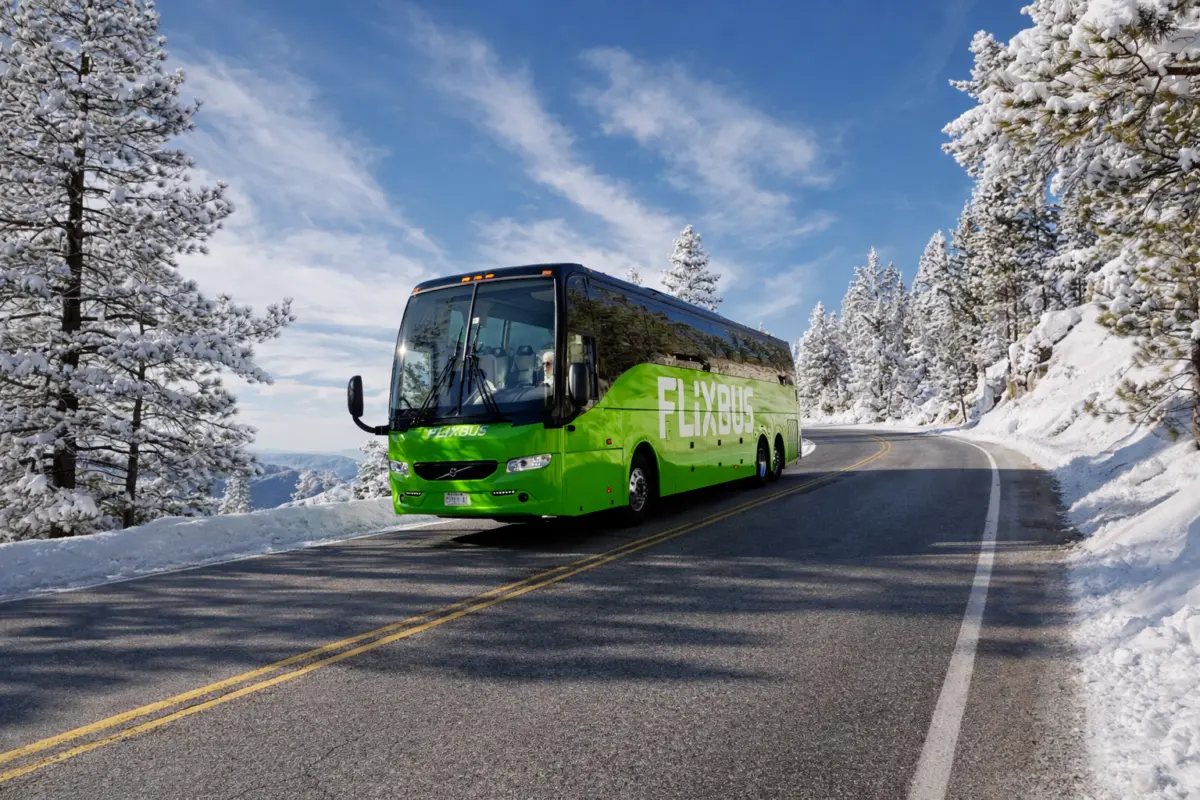
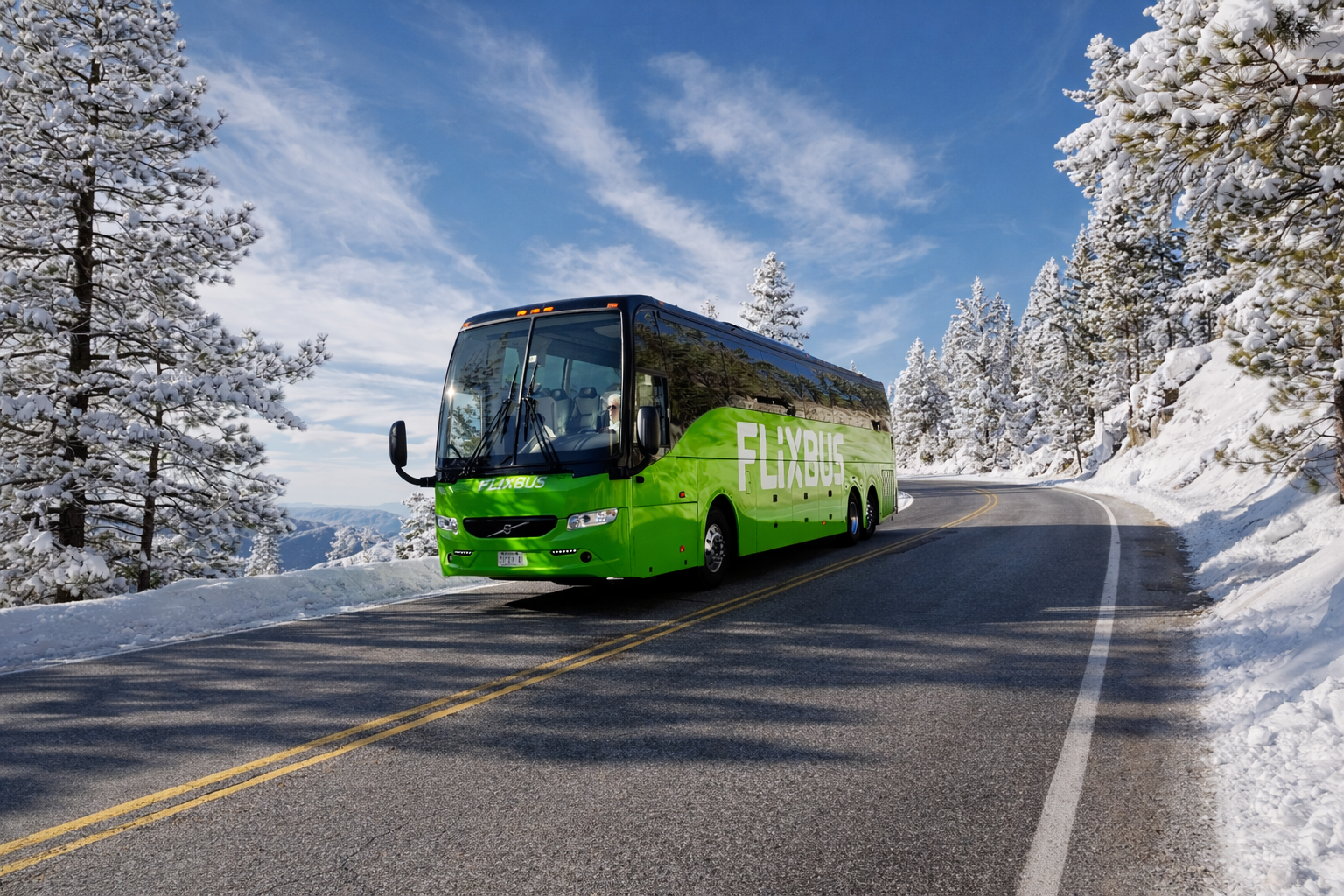
Yet, beneath the surface of this perceived obsolescence, a profound structural transformation has been taking place. Far from fading into irrelevance, intercity bus networks are experiencing a quiet renaissance. Today, intercity buses go to a lot more places than they did just a few years ago. Driven by innovative private-sector business models, algorithmic network optimization, and changing consumer demands, modern intercity bus operators are aggressively expanding their footprints. They are reaching secondary and tertiary markets, connecting transit deserts, and providing an affordable, sustainable backbone for regional mobility across the United States.
This article provides an in-depth look at how the modern intercity bus industry has evolved, the logistical and economic shifts powering its resurgence, the broader implications for the American transit landscape, and what the future holds for millions of travelers looking for alternatives to car dependency.
Detailed Chronology: From Legacy Decline to Modern Network Expansion
To understand the current state of intercity bus travel, one must trace the winding road of deregulation, corporate restructuring, and technological adoption that reshaped the industry over the past half-century.
The Post-Deregulation Era and the Rust Belt
The foundational shift in American intercity bus transit began with the Bus Regulatory Reform Act of 1982. Prior to this legislation, routes and fares were heavily regulated by the Interstate Commerce Commission (ICC), which ensured that profitable long-distance routes subsidized unprofitable rural connections. Deregulation allowed carriers to drop money-losing routes freely.
Throughout the late 1980s, 1990s, and 2000s, this freedom triggered a wave of contractions. Greyhound and various regional subsidiaries shed vast portions of their networks. Communities that relied on the bus as their sole lifeline to metropolitan job centers, specialized medical care, and higher education found themselves isolated. Terminals in downtown areas were sold off, leading to curbside pickups on desolate street corners, further eroding the public image and safety perception of bus travel.
The Curbside Revolution of the 2000s and 2010s
A glimmer of revitalization emerged in the mid-2000s with the arrival of "curbside" carriers like Fung Wah and later BoltBus and Megabus. These operators bypassed traditional, decaying terminal infrastructure entirely. By utilizing yield-management pricing (selling tickets for as low as $1), offering Wi-Fi and power outlets, and focusing heavily on high-density, point-to-point intercity corridors (such as New York to Washington, D.C., or Chicago to Milwaukee), these companies proved that a modern, tech-savvy demographic was willing to ride the bus if the value proposition was right.
However, these early iterations remained largely confined to high-volume, heavily populated mega-corridors. They did little to solve the connectivity crisis in smaller cities or across vast regional divides.
The Post-Pandemic Consolidation and Network Broadening
The COVID-19 pandemic delivered an existential shock to public transit. Ridership plummeted, and major structural changes followed, including the acquisition of Greyhound by FlixBus’s parent company, Flix North America, in 2021.
Market analysts initially feared that this consolidation would lead to further monopolistic service cuts. Instead, it laid the groundwork for an unprecedented operational integration. By merging legacy scheduling data with agile European-style network aggregation, operators began leveraging partner networks—including regional independent bus companies—to stitch together a sprawling, cohesive web of destinations.
By 2026, the landscape looks fundamentally different. Intercity buses are no longer restricted to a handful of linear interstate highways. Through dynamic routing, interline ticketing, and data-driven expansions into underserved corridors, modern carriers are reaching smaller regional hubs that have lacked reliable transit connections for generations.
Supporting Context & Metrics: The Mechanics of Modern Mobility
The revival of the intercity bus is not merely a matter of adding a few new destination markers to a map; it is anchored in shifting macroeconomic realities, environmental imperatives, and technological efficiencies.
Filling Transit Deserts
According to transportation data, millions of Americans live in rural or peri-urban areas with zero access to fixed-route rail or commercial air service. While federal and state departments of transportation have historically poured billions into highway expansion, the marginal cost of scaling up intercity bus lines is exceptionally low compared to building new rail lines or subsidizing regional commercial flights.
Modern operators are exploiting this gap. By utilizing existing interstate highway infrastructure and partnering with local transit authorities for multimodal integration at hubs, bus lines can efficiently link towns of 20,000 to 50,000 residents directly into major metropolitan cores. A passenger can now book a single digital ticket starting in a rural college town, transferring seamlessly at a regional hub, and arriving in a downtown metropolis—all without owning or operating a personal automobile.
The Economics of Efficiency
From a financial perspective, the intercity bus remains the most fuel-efficient mechanized mode of passenger transport available in the United States, outstripping even passenger rail and electric cars on a per-passenger-mile basis.
Transportation Mode
Average Fuel Efficiency (Passenger Miles per Gallon Equivalent)
Intercity Bus (Full Load)
200 – 300+
Passenger Rail (Amtrak)
80 – 120
Domestic Air Travel
60 – 80
Single-Occupant EV
90 – 110 (depending on grid source)
Single-Occupant Gas Car
25 – 35
Source: Industry averages and Federal Transit Administration energy metrics.
As inflationary pressures and the high cost of vehicle ownership, insurance, and fuel continue to strain household budgets—particularly for Gen Z, students, fixed-income seniors, and working-class families—the affordability of the intercity bus acts as a vital economic safety valve.
Technological Upgrades
The onboard and booking experiences have also undergone a sea change. Gone are the days of paper timetables and cash-only ticket windows. Modern passengers interact with sophisticated smartphone applications that offer:
Real-time GPS tracking of vehicles.
Dynamic crowd-sourced capacity alerts.
Seamless contactless boarding via QR codes.
Integrated multimodal trip planning tools.
Furthermore, fleet upgrades featuring clean-diesel engines, increasing deployments of low-emission and electric buses, and mandatory onboard amenities such as high-speed Wi-Fi and reclining seats have transformed the passenger experience.
Official Statements and Industry Perspectives
Transportation advocates, urban planners, and industry leaders view the expansion of intercity bus networks as a critical, yet often underappreciated, component of a balanced national transportation strategy.
"For too long, American transit policy has suffered from a binary mindset: you either fund multi-billion-dollar rail projects or you ignore regional mobility altogether," notes a senior transit policy researcher at Streetsblog USA. "The real, immediate work of reconnecting America is happening quietly on rubber tires. When you look at how modern aggregators have expanded their maps, they are quietly stitching together the holes left behind by decades of aviation consolidation and rail neglect."
Industry executives emphasize that the scalability of buses is their superpower. Unlike fixed-rail infrastructure, which requires decades of environmental reviews and capital-intensive construction, bus routes can be adjusted, scaled, or expanded in real-time based on shifting demand data.
"If a new manufacturing plant opens in a secondary market, or if a regional university sees a surge in out-of-state enrollment, we can adapt our network architecture within weeks," explained a logistics planner for a major North American intercity carrier. "We can launch a new pilot route, test the algorithmic demand, and integrate it into our booking platform almost instantaneously. That agility is unmatched in any other mode of public transport."
Advocates for rural mobility also point out that expanded bus service directly addresses the public health crisis of isolation. Access to specialized medical treatment, judicial systems, and familial support networks frequently hinges on physical mobility. By pushing deeper into secondary and tertiary markets, intercity carriers are effectively restoring a fundamental civil right to travel for populations that would otherwise be entirely car-dependent.
Future Outlook: Challenges and Horizons Ahead
While the trajectory of the intercity bus industry is overwhelmingly positive, significant structural challenges remain on the horizon. The ongoing recovery of the sector requires careful navigation of both physical infrastructure limitations and regulatory hurdles.
Infrastructure Deficits
The chronic underinvestment in passenger terminal facilities continues to plague the industry. As private carriers abandoned historic downtown depots over the last several decades, passengers were frequently relegated to curbsides exposed to the elements, lacking basic amenities such as restrooms, waiting rooms, or security.
The future success of expanded intercity bus networks relies heavily on municipal partnerships. Forward-thinking cities are beginning to integrate intercity bus berths into multi-modal transit centers, combining local bus systems, light rail, bike-share infrastructure, and intercity coaches under one roof. Cities that fail to provide clean, safe, and accessible terminal facilities risk bottlenecking the growth of regional transit.
Regulatory and Labor Realities
Like many sectors in the post-pandemic economy, the bus industry has faced headwinds related to driver recruitment and retention. Operating long-distance commercial motorcoaches requires specialized licensing (Commercial Driver’s Licenses with passenger endorsements) and rigorous safety compliance. Ensuring competitive wages, better working conditions, and improved scheduling algorithms will be essential for operators looking to sustain their newly widened footprints.
Furthermore, state-level policies play a massive role. States that actively invest in rural mobility grants and integrate private intercity carriers into their state rail and transit master plans see exponentially better connectivity outcomes than states that treat highways as the sole domain of personal automobiles.
The Road Ahead
The narrative that the American intercity bus is a dying relic is demonstrably false. Through technological innovation, strategic corporate consolidation, and an unwavering focus on meeting passengers where they are—both digitally and geographically—the intercity bus has re-emerged as the dynamic, flexible workhorse of American mobility.
As the movement to end car dependency gains momentum, and as communities seek cost-effective, low-carbon solutions to connect their populations, the humble bus will undoubtedly play a starring role in shaping a more accessible and connected future for the United States.