




Executive Overview
When planning a summer getaway, travelers are often seduced by the familiar rhythm of bustling cultural hubs. For Brenna Kelly and her mother, the initial brainstorming sessions drifted toward well-trodden paths: the rhythmic, country-folk-soaked streets of Nashville, Tennessee, or the sensory-rich bayous and culinary meccas of New Orleans, Louisiana. Yet, despite the undeniable allure of these destinations, neither option felt quite right. The duo sought something deeper—a departure from neon lights, packed itineraries, and commercialized tourism.
They ultimately bypassed the urban landscape for the rugged, mist-shrouded shores of British Columbia’s Sunshine Coast. Booking a stay at the renowned West Coast Wilderness Lodge, they traded restaurant reservations for wide-open ocean views, towering ancient cedar forests, and a slower pace dictated by the tides.
What began as an intuitive pivot away from conventional tourism transformed into an enlightening exploration of stewardship, community, and the profound responsibilities paddlers hold toward the natural world. This feature chronicles their immersive journey, examining the intersection of eco-tourism, local history, and the symbiotic relationship between outdoor adventurers and the grassroots businesses that sustain them.
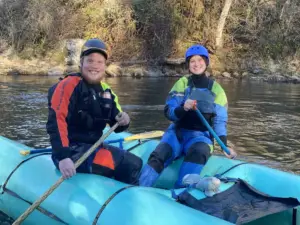
Detailed Chronology: A Week on the Sunshine Coast
Day One: Arrival and the Sensory Awakening of the Lodge
Stepping onto the grounds of the West Coast Wilderness Lodge immediately shifts a traveler’s perspective. Approaching the main entrance, visitors are greeted not by standard hotel architecture, but by an organic sensory experience. The air is heavy with the rich, intoxicating fragrance of blooming lilies, pulling newcomers away from the traditional check-in counter and toward the heart of the property.

Walking beneath a sheltered patio, guests find a ceiling intricately laced with cascading wisteria vines. Planted nearly three decades ago by the lodge’s owners, these vines burst into full, vibrant bloom every May, drawing travelers from across the globe. Beyond the patio lies the grand expanse of the Pacific Ocean, its salty breeze carrying the unmistakable promise of adventure.
Owned and operated by the Hansen family—Paul, Patti, and their son Lucas—the lodge serves as both a luxurious outpost and a gateway to the untamed wilderness of Egmont, B.C. Lucas Hansen worked closely with Kelly to curate an itinerary that blended relaxation with high-impact outdoor excursions, leaning on the family’s sister enterprise, the Egmont Adventure Centre.
Day Two: Deep-Sea Fishing and the Local Marine Ecosystem
The itinerary commenced with a deep-sea fishing excursion aimed at securing Pacific salmon, a staple of the local coastal diet. Aboard a charter managed by Off the Hook Fishing Charters, Kelly and her mother were paired with an experienced local guide named Ryder.

Rather than focusing intensely on a guaranteed catch, the tour evolved into an educational seminar on marine life behavior. Ryder maintained constant radio communication with neighboring charter captains, sharing real-time intelligence on hot spots and localized wildlife movements. For Kelly, this camaraderie offered a rare glimpse into the tight-knit network of coastal guides. When the duo successfully hooked a couple of salmon—both regrettably an inch shy of the legal retention size—they gladly returned them to the sea, relieved of the logistical headache of shipping fresh seafood across the continent and leaving the day enriched by ecological insights.

Day Three: Glacier-Carved Wonders at Princess Louisa Inlet
The middle of the week brought an excursion aboard the Princess Louisa Inlet Boat Tour, piloted by Captain Emily—a fellow alumnus of the same Ontario outdoor adventure college Kelly had once attended. Emily expertly timed her navigation to highlight monumental geological formations, ancient glacial scars, and indigenous pictographs etched into towering rock faces.
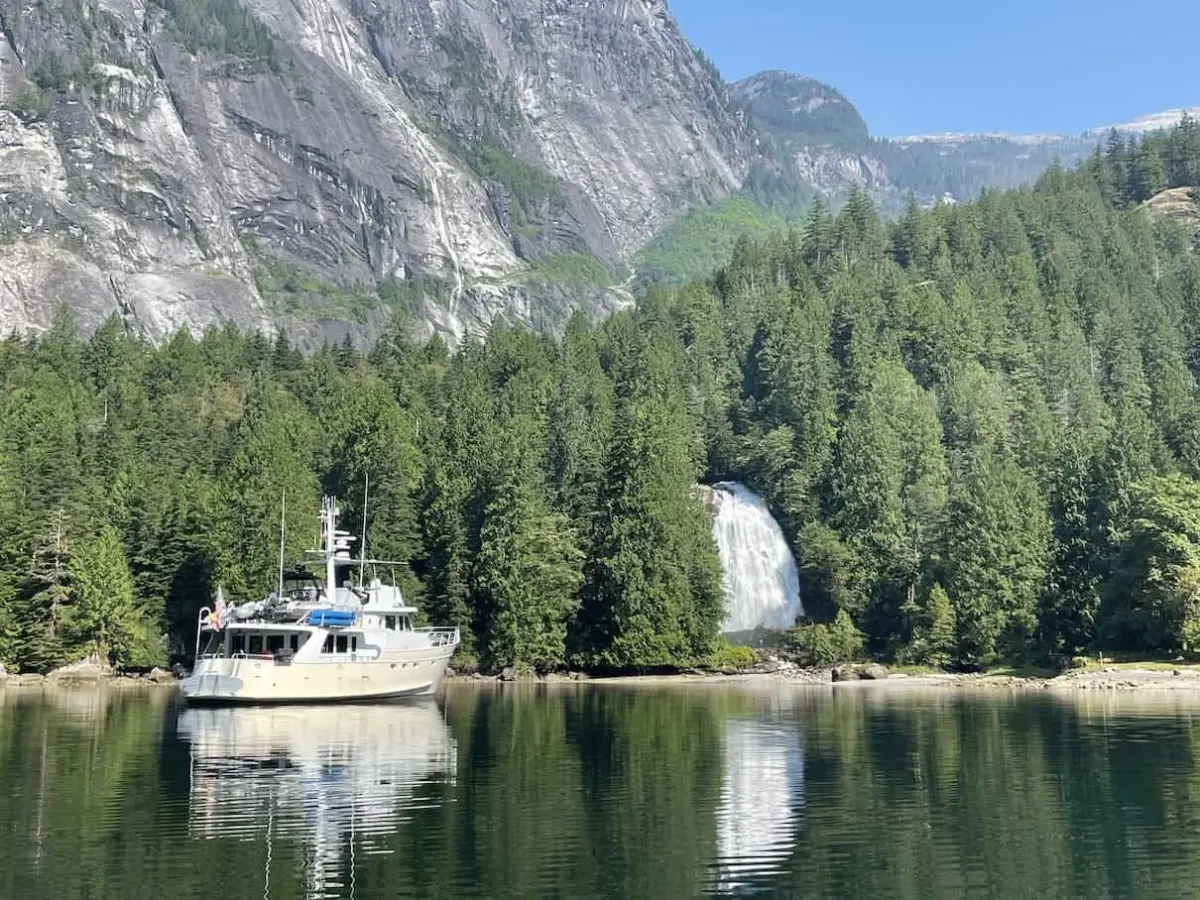
The destination itself, Princess Louisa Inlet, defies easy description. Enclosed by sheer granite cliffs and fed by cascading waterfalls such as the world-famous Chatterbox Falls, the inlet feels entirely detached from modern civilization. For Kelly, the experience triggered an immediate wave of exploratory ambition, casting a spotlight on the vast, uncharted stretches of the British Columbia coastline that remained to be seen.
Day Four: Hotham Sound and the Art of the Backcountry Drop
The crowning jewel of the journey, however, was the sea kayaking expedition into Hotham Sound Inlet. Despite Kelly’s extensive background as an accomplished paddler, she approaches guided excursions with humility, recognizing the invaluable local knowledge that professional guides provide.
Meeting their guide, Matt—a native of Chicoutimi, Quebec, with whom Kelly shared mutual connections from her time paddling the Saguenay Fjord—the pair anticipated a modest, three-to-four-hour paddle near the lodge. Instead, they were directed toward a landing craft operated by Captain Kane and his canine companion, Thor.

With their tandem sea kayaks loaded securely onto the bow, Captain Kane navigated roughly 20 kilometers into the heart of Hotham Sound. Along the way, Kane entertained the passengers with local lore, including the legendary tale of a tranquilized black bear he transported 100 kilometers out of town, only to find the determined animal had walked itself back to town three days later.
Stopping in the middle of a glassy, protected bay, Kane dropped the landing craft’s bow ramp. Matt and Kane smoothly deployed the kayaks directly onto the water, offering an experience strikingly akin to a heli-skiing drop—opening up remote wilderness terrain by eliminating the exhaustive transit time. Once afloat, Matt briefed the group on wildlife etiquette. Moments later, Kelly and her mother rounded a rocky outcrop to find a harbor seal and her pup resting peacefully on a shaded ledge, reinforcing the profound spiritual connection that water-bound travel fosters.
Supporting Context & Metrics: The Economics of Eco-Tourism
Operating a remote wilderness lodge in the Pacific Northwest is an exercise in resilience. During an evening fireside chat under the wisteria-laden patio, Paul and Lucas Hansen shared the historical trajectory of the property with their guests.
In the 1960s and 1970s, government grants fueled a boom in outdoor education, allowing Paul to acquire the land to develop programs that taught life skills to school children and corporate groups through wilderness immersion. However, by 1997, the landscape of adventure tourism had shifted dramatically. Public funding for outdoor education dried up, and consumer appetite for self-funded wilderness workshops waned.

To keep the vision alive, the Hansens executed a strategic pivot. They invested heavily in upgrading accommodations and establishing a fine-dining program, leveraging luxury tourism to subsidize the adventure operations housed through the Egmont Adventure Centre. This delicate economic balancing act ensures that everyday travelers can still access world-class guiding services, kayak rentals, and marine tours.
Key Operational Metrics of Sustainable Coastal Lodging:
- Infrastructure Maintenance: Remote properties face exponentially higher costs for equipment upkeep, marine fuel, and waste management due to limited road access.
- Staff Retention: High-caliber guides (such as those sourced from Quebec and Ontario outdoor programs) require competitive seasonal wages to sustain operations in isolated regions.
- Community Interdependence: Local charter boats, lodges, and adventure centers operate on a collaborative model where resource sharing and communication supersede cutthroat competition.
Official Statements & Perspectives
The philosophy driving the Sunshine Coast’s adventure community can be summarized by a simple maritime adage: A rising tide floats all boats.
Brenna Kelly reflects on this ethos in her assessment of modern adventure travel:

"The connections I found with our guides reminded me how small and special the paddling community is. The experiences themselves reminded me how connected we are to this world and that it owes us nothing—so to be grateful. And the Hansens reminded me how important it is to support businesses that provide these incredible paddling experiences."
Paul Hansen, recounting the decades of financial risks, infrastructure development, and structural repairs required to maintain the West Coast Wilderness Lodge, emphasizes the core motivation behind his family’s enduring commitment:
"Every time we feel we’re getting ahead, there is another thing to fix or project to invest in to make sure the lodge, the experiences, and the staff who make it so special are taken care of. But our goal remains unchanged: ensuring our property acts as a gateway, giving as many people as possible the opportunity to experience the natural beauty around Egmont."
Future Outlook: How Paddlers Can Support Their Communities
As the adventure tourism sector continues to evolve in the post-pandemic era, industry experts emphasize the need for conscious consumerism. Paddlers and outdoor enthusiasts frequently consume the benefits of pristine waterways and well-maintained trailheads without actively reinvesting in the local infrastructure that supports them.

Safeguarding these environments does not always require booking expensive luxury lodge packages; numerous grassroots methods exist for travelers to give back to the communities that shelter them:
- Hire Local Guides: Prioritize booking tours and equipment rentals through independent, locally owned outfitters rather than multinational conglomerates.
- Support Conservation Initiatives: Contribute financially or volunteer time with regional watershed councils, salmon enhancement groups, and coastal cleanup organizations.
- Practice Leave-No-Trace Principles: Adhere strictly to wildlife viewing protocols, minimizing human impact on fragile marine ecosystems and nesting habitats.
- Invest in Local Commerce: Dine at regional restaurants, purchase gear from community-based shops, and respect the cultural heritage of the Indigenous nations stewarding the land.
Paddlers occupy a unique niche within the broader outdoor recreation community—united by an innate reverence for moving water and wild spaces. By consciously supporting the pioneers, lodge owners, and guides who maintain access to these aquatic paradises, the paddling community can ensure that future generations will continue to find solace, challenge, and connection on the water.