










By Blake Aued
Published September 1, 2026
Executive Overview
In modern journalism, the framing of urban infrastructure has devolved into a tired, predictable routine. Major publications—exemplified time and again by The New York Times—routinely reduce life-and-death urban planning battles to mere political spectator sports. When newspapers cover the expansion, modification, or removal of bike lanes, they frequently fixate on the electoral fallout, the theater of municipal board meetings, and the abstract ideological friction between political factions.
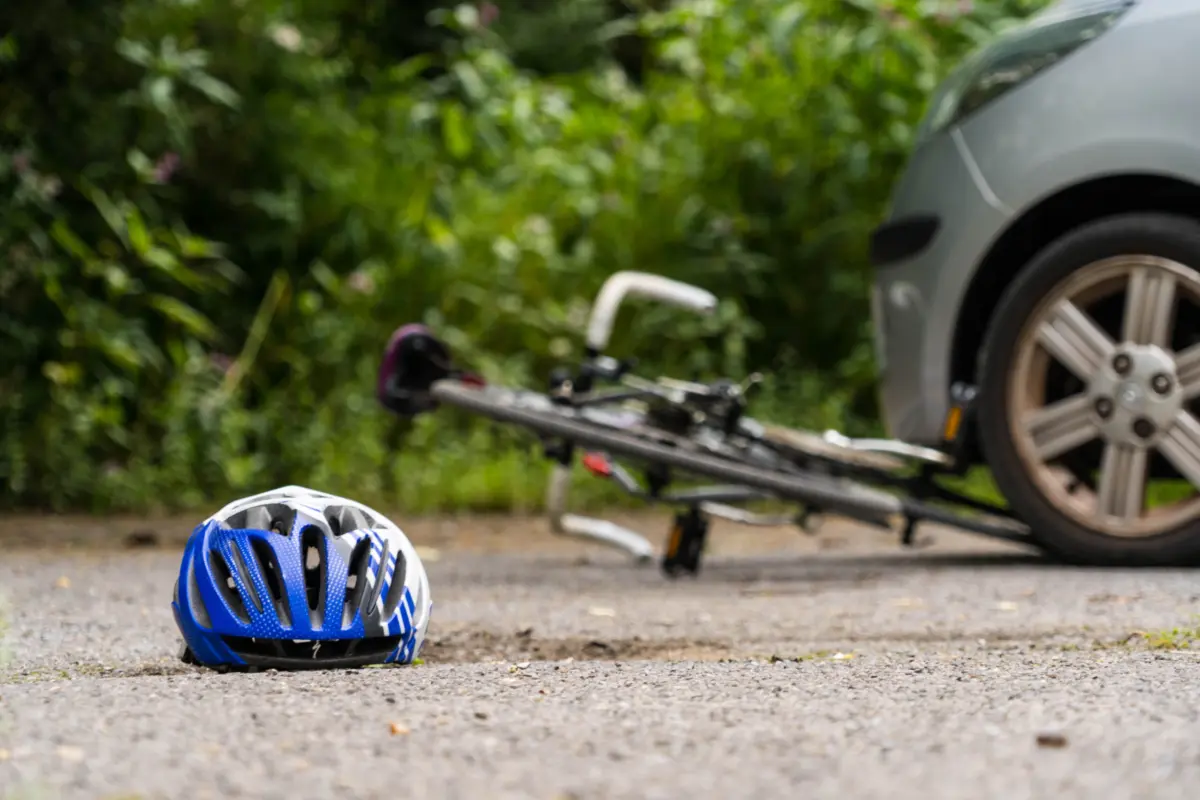
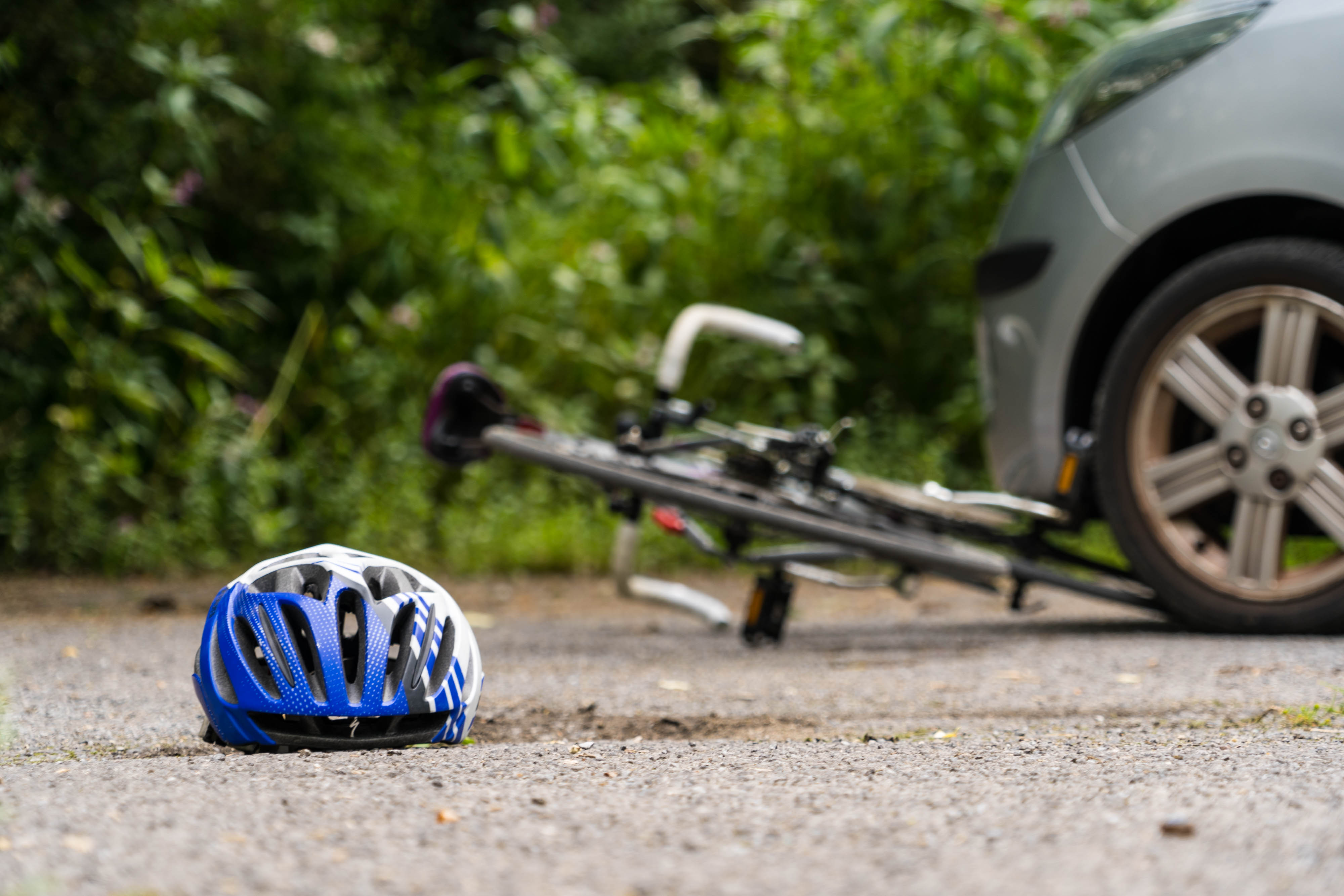
What gets consistently lost in this cynical calculus is the brutal, undeniable physical reality of our streets: protected bike lanes save lives, while car-centric roadway designs kill.
By treating infrastructure as a wedge issue rather than a matter of public safety, mainstream reporting sanitizes the lethal consequences of vehicular violence. This article investigates the systemic failure of major media outlets to report on urban mobility through an ethical lens. It questions why the human cost of dangerous street design takes a backseat to political posturing, and examines the real-world implications of framing critical safety infrastructure through a polarized cultural lens.
Detailed Chronology: The Evolution of Bike Lane Media Coverage
To understand how the discourse around urban safety became so thoroughly detached from reality, one must trace the arc of how major outlets report on active transportation over the last decade.
Phase One: The Novelty Era (Early 2010s)
When cities like New York, Chicago, and Washington, D.C., first began aggressively installing protected bike lanes, national media outlets treated the changes as quirky human-interest stories. Bike lanes were covered as lifestyle trends—fashionable additions for urban hipsters, or localized bureaucratic headaches for delivery drivers. The framing was superficial, rarely engaging with traffic safety data, pedestrian mortality rates, or civil engineering best practices.
Phase Two: The Culture War Pivot (Late 2010s to 2020s)
As active transportation networks expanded, opposition hardened. Conservative think tanks, outer-ring suburban commuters, and car-dependent business owners began organizing against street transformations. Instead of interrogating the validity of these complaints against empirical safety data, mainstream outlets leaned into the "culture war" framing. Bike lanes were suddenly packaged as assaults on personal freedom, symbols of elitism, or ideological projects associated with Diversity, Equity, and Inclusion (DEI) initiatives.
Phase Three: The Politicization of Life and Death (Present Day)
Today, mainstream coverage has calcified into a cynical narrative focused strictly on electoral calculus. Headlines regularly ask whether a mayor will survive a backlash over parking spaces, or if a city council candidate’s support for micromobility infrastructure will cost them the suburbs.
The core question—Does it matter whether bike lanes are labeled "DEI" or "woke" when a driver kills a loved one on an unprotected asphalt speedway?—is rarely asked, let alone answered with the gravity it demands.
Supporting Context & Metrics: The Cost of Journalistic Negligence
When media outlets frame bike lanes as political footballs, they obscure a staggering public health crisis. Traffic violence in the United States is not a series of unfortunate accidents; it is a systemic epidemic driven by dangerous street engineering, oversized vehicles, and a lack of protected infrastructure.

The Numbers Don’t Lie
- Pedestrian and Cyclist Fatalities: According to the National Highway Traffic Safety Administration (NHTSA), pedestrian and bicyclist deaths have surged over the past decade, with thousands of vulnerable road users killed annually on American streets.
- The Safety Dividend of Separation: Numerous urban planning studies, including research from the Insurance Institute for Highway Safety (IIHS), consistently demonstrate that physically separated bike lanes reduce crashes and injuries for all road users—including motorists and pedestrians—by calming traffic and organizing chaotic streetscapes.
- The Myth of the Parking Panacea: Media reports frequently amplify merchants’ fears that removing a lane of street parking to install a bike lane will ruin local businesses. Yet, repeated economic impact studies show that pedestrianized and bike-accessible commercial corridors often experience increases in foot traffic and retail spending.
Despite these overwhelming metrics, major newspapers continue to grant equal weight to unsubstantiated political gripes and peer-reviewed safety data. This false equivalence misinforms the public and empowers obstructionist local politics at the expense of human lives.
Official Statements and Editorial Blind Spots
The reluctance of major national publications to center human safety in urban transit reporting stems from a deeply ingrained institutional bias. Newsrooms frequently operate under the assumption that "neutrality" requires balancing the demands of drivers against the survival rights of cyclists and pedestrians.
The "Both-Sides" Trap on Asphalt
In recent editorial board notes and news analyses, publications have framed bike lane rollbacks—such as those witnessed in various major metropolitan areas facing political pressure—as pragmatic compromises.
"When a publication evaluates a bike lane exclusively by how many votes a mayor might lose or gain, it abdicates its moral duty," notes a prominent transit advocacy researcher. "You cannot compromise on human life. A lane of traffic is either engineered to prevent fatalities, or it is designed to invite carnage. Treating that choice as a matter of political style is journalistic malpractice."
Critics argue that editors sitting in comfortable newsrooms far removed from dangerous intersections view street design through the windshield of a car. To a driver, a bike lane is an inconvenience—a loss of a parking spot or a delay in the morning commute. To a cyclist or pedestrian, that same lane is the literal difference between making it home for dinner and a catastrophic trip to the emergency room.

Future Outlook: Reclaiming the Narrative of Street Safety
If the media landscape is to improve, the paradigm governing urban reporting must undergo a fundamental shift. The stakes are simply too high to treat the redesign of public space as a frivolous game of political chess.
1. Re-centering Human Life in Editorial Standards
News organizations must adopt reporting standards that treat traffic violence with the same gravity and investigative rigor as other public health crises. When a driver strikes and kills a cyclist in an unprotected corridor, the subsequent coverage should scrutinize the municipal officials and media figures who delayed or dismantled safety infrastructure, rather than merely lamenting a "tragedy" disconnected from policy choices.
2. Rejecting the Culture War Smokescreen
Journalists must learn to pierce through political rhetoric. When opponents of bike lanes deploy buzzwords or manufacture outrage over parking or demographic shifts, reporters have a duty to interrogate those claims with hard data on traffic safety, climate goals, and economic vitality.
3. Amplifying Frontline Voices
Too often, mainstream coverage relies exclusively on the quotes of disgruntled business owners, defensive politicians, and car-centric lobbyists. Enriching urban reporting requires elevating the voices of transit equity advocates, disabled pedestrians, grieving families, and frontline city planners who understand that streets belong to people, not just private motor vehicles.
Conclusion
The persistent failure of outlets like The New York Times to cover urban mobility with moral clarity is more than an annoyance—it is a contributing factor to ongoing urban carnage. As long as newspapers treat the protection of human life as a bargaining chip in local political battles, cities will remain dangerously hostile to anyone outside a metal box. It is time for journalism to grow up, look past the windshield, and report on our streets for what they truly are: spaces where policy choices literally dictate who lives and who dies.