







Executive Overview
As public transit agencies across the United States navigate the complex intersections of rising commuter expectations, aggressive environmental mandates, and perpetual fiscal constraints, a newly announced federal funding infusion arrives as a critical lifeline. The Federal Transit Administration (FTA) has officially opened application windows for a staggering $610 million in competitive grants through its FY 2026 Buses and Bus Facilities Competitive Program and the Low or No Emission (Low-No) Grant Program. For transit and paratransit directors striving to modernize their aging fleets without breaking municipal budgets, this capital provides an invaluable window of opportunity.
However, securing federal dollars is only the first hurdle in a multi-step marathon. Once the grants are awarded, fleet managers face the intricate challenge of selecting alternative-fuel technologies that can be deployed rapidly, operate with uncompromising reliability, and deliver genuine, long-term fiscal value to riders and taxpayers alike. While the industry frequently fixates on zero-emission mandates, many transit authorities find themselves stymied by prohibitive infrastructure costs, extended utility interconnection delays, and unproven vehicle reliability profiles.
Enter propane autogas—a mature, thoroughly vetted, and funding-eligible alternative energy source that bridges the gap between aggressive sustainability goals and harsh budgetary realities. With more than 60,000 propane-powered vehicles already navigating American roadways, this technology offers a "ready-now" solution. It bypasses the multiyear grid upgrades and complex charging architectures plaguing other alternative fuels, offering transit agencies a streamlined path from federal grant award to active, revenue-generating service.
This in-depth special report explores the implications of the $610 million FTA funding round, evaluates the operational and economic advantages of propane autogas, analyzes the engineering innovations driving modern propane transit fleets, and provides a strategic roadmap for transit leaders racing against the fiscal year application deadlines.
Detailed Chronology: The Evolution of Transit Funding and Alternative Propulsion
To fully appreciate the strategic importance of the FY 2026 FTA grant cycle, it is essential to examine the historical trajectory of federal transit funding and the rapid evolution of alternative fuel propulsion technologies over the past two decades.
The Shift Toward Low-Emission Mandates
For decades, the American public transit sector relied almost exclusively on conventional diesel combustion engines. While reliable and powerful, diesel fleets became the primary target for urban air quality initiatives due to their particulate matter and nitrogen oxide (NOx) emissions. Throughout the 2010s, federal policies began tilting heavily toward alternative fuels. The Fixing America’s Surface Transportation (FAST) Act, and subsequent landmark legislative packages like the Infrastructure Investment and Jobs Act (IIJA), systematically redirected capital toward low- and zero-emission vehicle acquisitions.
By the early 2020s, transit agencies faced mounting pressure to transition their fleets entirely away from petroleum. Yet, this ideological push frequently collided with logistical bottlenecks. Early attempts to adopt complex alternative propulsion systems often resulted in delayed rollouts, inflated capital expenditure budgets, and unexpected maintenance liabilities.

The Birth of the FY 2026 Funding Cycle
Recognizing the widening chasm between transit mandates and on-the-ground economic realities, the FTA structured the FY 2026 Buses and Bus Facilities Competitive Program and the Low-No Grant Program to inject $610 million directly into the hands of local transit authorities. This funding stream is specifically designed to assist in financing capital projects to replace, rehabilitate, purchase, or lease buses and related equipment, as well as to construct bus-related facilities.
As administrative timelines tighten and the application windows rapidly approach their closing dates, transit agencies nationwide are engaged in frantic strategic planning sessions. The core question dominating these boardrooms is no longer simply, "What technologies are technically eligible for federal dollars?" Instead, forward-thinking fleet directors are asking, "Which eligible technology can be deployed within strict federal grant timelines, avoid crippling grid connection delays, and guarantee high vehicle uptime?"
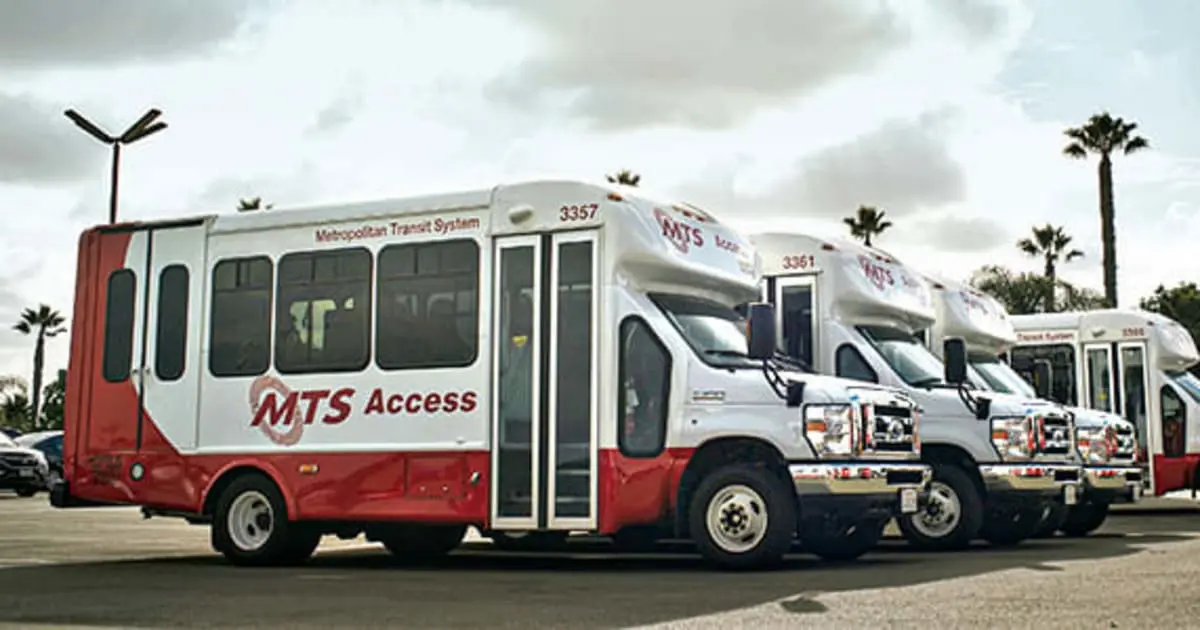
Propane autogas has emerged as a central answer to this vital operational question. Because its eligibility under federal low-emission and alternative fuel categories is fully established, agencies are increasingly incorporating propane-powered paratransit vans, micro-transit shuttles, and fixed-route feeder buses into their primary grant proposals.
Supporting Context & Metrics: The Operational and Economic Reality of Propane Autogas
When evaluating alternative fuels, transit authorities must look past marketing claims and examine hard empirical data regarding infrastructure costs, maintenance overhead, and real-world reliability. Propane autogas boasts a compelling metrics profile that distinguishes it from both traditional diesel and more complex electrification strategies.
1. Infrastructure Deployment Speed and Capital Efficiency
One of the most insidious hidden costs of fleet electrification is the astronomical expense and prolonged timeline associated with upgrading depot electrical infrastructure. Introducing heavy-duty electric bus chargers often requires negotiations with local electric utilities, extensive civil engineering, transformer upgrades, and multi-year grid interconnections. For agencies operating under strict grant expenditure timelines, these delays can jeopardize federal funding compliance.
Conversely, propane autogas infrastructure is remarkably nimble and cost-effective to deploy:
- Rapid Installation: A standard propane autogas fueling station can be permitted, delivered, and installed in a fraction of the time required for major electric grid overhauls or hydrogen fueling hubs.
- Low Capital Expenditure: Compared to the hundreds of thousands—sometimes millions—of dollars required for depot-wide high-voltage charging networks, propane fueling infrastructure requires a significantly lower capital investment. Many fuel providers even install and maintain tanks under favorable fuel-supply agreements, further mitigating upfront costs.
- Scalability: Whether an agency operates a small rural paratransit fleet of five vehicles or a major metropolitan micro-transit network of 100 vehicles, propane infrastructure scales effortlessly without requiring regional grid capacity expansions.
2. Maintenance Complexity and Uptime Maximization
In the transit industry, vehicle availability is the ultimate metric of success. A bus sitting in the maintenance bay is a liability; a bus on the road is fulfilling the agency’s core mission.
Modern diesel engines, while refined, require intricate aftertreatment systems to meet stringent environmental standards. These systems rely on Diesel Particulate Filters (DPF) and Diesel Exhaust Fluid (DEF) injection. While effective at reducing emissions, these complex subsystems are notoriously sensitive, prone to clogging during low-speed, stop-and-go urban transit cycles, and require frequent, costly regeneration cycles and specialized technician interventions.
Propane autogas engines bypass these complications entirely:
- No DEF or DPF Required: Because propane is a clean-burning alternative fuel, its combustion produces virtually zero particulate matter. Consequently, propane engines eliminate the need for costly diesel aftertreatment equipment, DEF fluid replenishment, and DPF maintenance.
- Fewer Shop Hours: With a simplified engine architecture, mechanical failures related to emissions controls are drastically reduced. This translates directly to less time spent in the maintenance shop and more active time on the road.
- Lower Fluid and Component Costs: Fleet managers consistently report that propane engines experience extended oil change intervals and reduced overall wear-and-tear, driving down total cost of ownership (TCO) over the 7-to-10-year lifecycle of a transit vehicle.
3. Proven National Footprint
Propane autogas is not an experimental or theoretical fuel concept. More than 60,000 propane autogas vehicles operate daily across the United States. Within the public transit and paratransit sectors, thousands of vehicles rely on propane to transport vulnerable populations, elderly citizens, and daily commuters reliably. This widespread adoption means that mechanic training programs, diagnostic tools, OEM-certified engine options, and robust regional supply chains are already firmly established.
Official Statements and Industry Insights
Balancing the competing pressures of environmental stewardship and fiscal prudence requires visionary leadership. Industry experts emphasize that transit agencies cannot afford to gamble public funds on unproven technologies when federal grants provide a once-in-a-generation opportunity to modernize securely.
Joel Stutheit, senior manager of autogas business development at the Propane Education & Research Council (PERC), underscores the delicate balancing act facing modern transit directors:
"For transit leaders, the decision to modernize is a balance between meeting sustainability mandates and maintaining fiscal responsibility. Agencies can leverage this federal funding to adopt a technology that is proven to reduce emissions and maximize long-term operational savings."
Stutheit highlights the urgency of the current funding landscape, noting that administrative windows demand immediate, decisive action:
"With the application window for the fiscal year 2026 grants closing soon, I encourage agencies to evaluate how propane autogas can support their fleet modernization efforts immediately."
Transportation economists and municipal planners echo these sentiments. As cities face economic uncertainties and shifting federal priorities, investing in technologies with predictable maintenance costs and lower total cost of ownership ensures that public funds are stretched to their absolute maximum utility. Every dollar saved on complex diesel aftertreatment maintenance or protracted infrastructure construction is a dollar that can be redirected toward expanding route coverage, increasing driver compensation, or upgrading passenger amenities.
Future Outlook: Strategic Recommendations for Transit Agencies
As public transit agencies finalize their submissions for the $610 million FTA FY 2026 funding opportunity, a strategic, forward-looking roadmap is essential to maximize grant approval success and ensure seamless operational integration.
Step 1: Comprehensive Fleet Auditing and Route Analysis
Transit directors must conduct an exhaustive audit of their existing fleets, specifically isolating fixed-route feeder services, demand-response paratransit vehicles, and municipal utility support trucks. By mapping out daily mileage ranges, duty cycles, and return-to-base operational models, agencies can identify which portions of their fleet are ideal candidates for propane autogas conversion or replacement. Paratransit and micro-transit vehicles, which frequently operate in stop-and-go urban environments where diesel emission systems struggle, represent prime opportunities for immediate conversion.
Step 2: Proactive Grant Application Alignment
When drafting proposals for the FTA Buses and Bus Facilities or Low-No grant programs, agencies should explicitly emphasize the operational resilience and rapid deployability of propane autogas. Grant reviewers look favorably upon projects that present low technological risk, rapid implementation timelines, and measurable reductions in greenhouse gas emissions. Highlighting propane’s established national safety record and turnkey infrastructure readiness strengthens the competitive edge of any funding application.
Step 3: Collaborative Fuel Supplier Partnerships
Rather than treating fuel procurement and vehicle acquisition as isolated silos, progressive transit agencies are partnering directly with propane industry experts early in the planning phase. Establishing collaborative relationships with regional propane suppliers ensures that depot fueling installations are designed efficiently, fuel pricing agreements are locked in for long-term budget stability, and driver and mechanic training programs are seamlessly integrated into the rollout schedule.
Conclusion
The release of $610 million in federal transit funding through the FTA’s FY 2026 programs represents a pivotal inflection point for American transportation. By cutting through the noise of competing alternative fuel claims, transit leaders have a clear opportunity to invest in a technology that delivers on all fronts: environmental compliance, fiscal responsibility, rapid infrastructural deployment, and uncompromised operational reliability.
Propane autogas stands ready to carry public transit into the future—keeping vehicles out of the repair shop, on the road, and moving communities forward.
For comprehensive information regarding the FY 2026 Buses and Bus Facilities Competitive Program, the Low or No Emission Grant Program, and dedicated propane autogas transit resources, transit professionals are encouraged to visit propane.com/low-no.
(Note: This article reflects the analytical perspective of the Propane Education & Research Council and does not necessarily represent the institutional views of METRO Magazine or Bobit Business Media.)