








Executive Overview
To the uninitiated, the act of rolling a kayak—righting a capsized vessel using solely the kinetic momentum of a paddle, body torque, and water dynamics—is viewed as a singular, highly specialized extreme sport maneuver. Yet, to dismiss the roll as a mere self-rescue tactic is to misunderstand a profound intersection of human physiology, spatial awareness (proprioception), and a millennia-old maritime heritage.
Beyond the frigid, swelling expanses of the North Atlantic, the concept of the "roll" permeates human history, pop culture, culinary arts, and military cadence. From the meticulously preserved traditions of the Greenlandic National Championship—where practitioners execute up to 31 distinct historical rolls—to the digital prank known as "Rickrolling," the simple mechanics of turning over have left an indelible mark on civilization.
This deep-dive investigation explores the historical imperatives that birthed Arctic kayaking techniques, examines the cultural and cinematic preservation of these skills, and traces the linguistic, culinary, and digital evolution of "rolling" as a universal human phenomenon.

Detailed Chronology: The Evolution of the Roll
To trace the lineage of the roll is to follow a winding path from ancient Arctic survival strategies to the modern digital landscape. The evolution of this mechanical and cultural concept unfolds across centuries:
- Pre-17th Century (The Indigenous Arctic Era): Indigenous hunters in the Arctic develop qajaq (kayak) architecture and survival techniques out of absolute necessity. Facing treacherous, ice-choked seas while hunting large marine mammals, Inuit paddlers master dozens of specialized rolls—including the storm roll, straight jacket roll, and elbow roll—to survive sudden capsizes in sub-zero water.
- 17th Century (Military Cadence): In Europe, military organizations standardize field communications and troop movements. Drummers utilize the measured cadence of the double-stroke drum roll to set the precise marching pace for soldiers, while faster buzz rolls are deployed to amplify tension before military engagements.
- 1800s (The Industrial Revolution): Rapid urbanization and factory labor in London give birth to the sausage roll. Designed as a hot, hearty, and affordable handheld calorie source, pastry-wrapped meats become a dietary staple for dock workers and industrial laborers on the go.
- 1934 (Cinematic Documentation): Polar explorer and anthropologist Knud Rasmussen writes The Wedding of Palo, a landmark Danish docufiction filmed on location in Greenland. The movie captures authentic Inuit culture, preserving rare, harrowing footage of rough-water traditional kayaking and hunting techniques on 35mm nitrate film.
- 1991 (Linguistic Curation): Hip-hop artist MC Hammer releases his single "This Is The Way We Roll," providing the cultural springboard for the ubiquitous modern phrase, "This is how I roll."
- 1987–2007 (The Birth of a Meme): Pop singer Rick Astley releases his track "Never Gonna Give You Up" in 1987. Two decades later, in 2007, the track is weaponized on message boards as "Rickrolling"—a bait-and-switch internet meme that outlives the peak of Astley’s original music career and enjoys a massive global resurgence in 2020.
Supporting Context & Metrics: The Art and Science of the Qajaq
At the heart of modern and traditional rolling appreciation is the Greenlandic National Championship, an annual celebration that keeps ancient maritime arts alive. The event highlights a staggering catalog of 31 distinct Greenlandic rolls and recovery techniques, each designed for specific environmental challenges and physical constraints.
The Mechanics of Sub-Zero Survival
Historically, Inuit hunters could not afford to lose their gear—or their lives—to a capsized kayak. In waters where hypothermia can induce unconsciousness within minutes, rolling was not a sport; it was a matter of life and death.
Variations like the storm roll allowed paddlers to right themselves even when utilizing a shorter, non-standard storm paddle or when battling heavy breaking waves. The straight jacket roll and elbow roll tested the limits of flexibility and core strength, enabling recovery even when a paddler’s arms were incapacitated, bound by gear, or injured.

Hand Rolling: Stripping Away the Tools
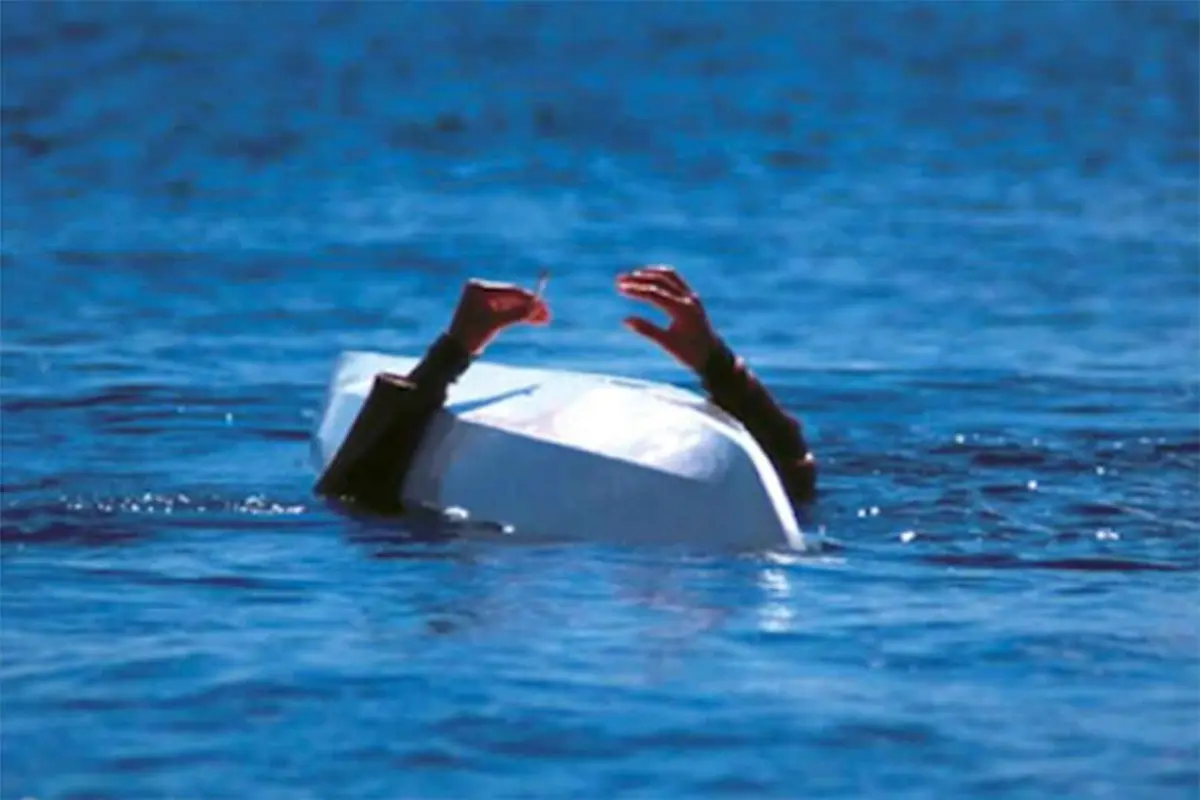
For the ultimate test of proprioception and technique, paddlers turn to hand rolls—known in Greenlandic as assammik. This capsize recovery technique discards the mechanical advantage of the paddle entirely, relying solely on the hydrodynamic lift of an open hand sweeping through the water.
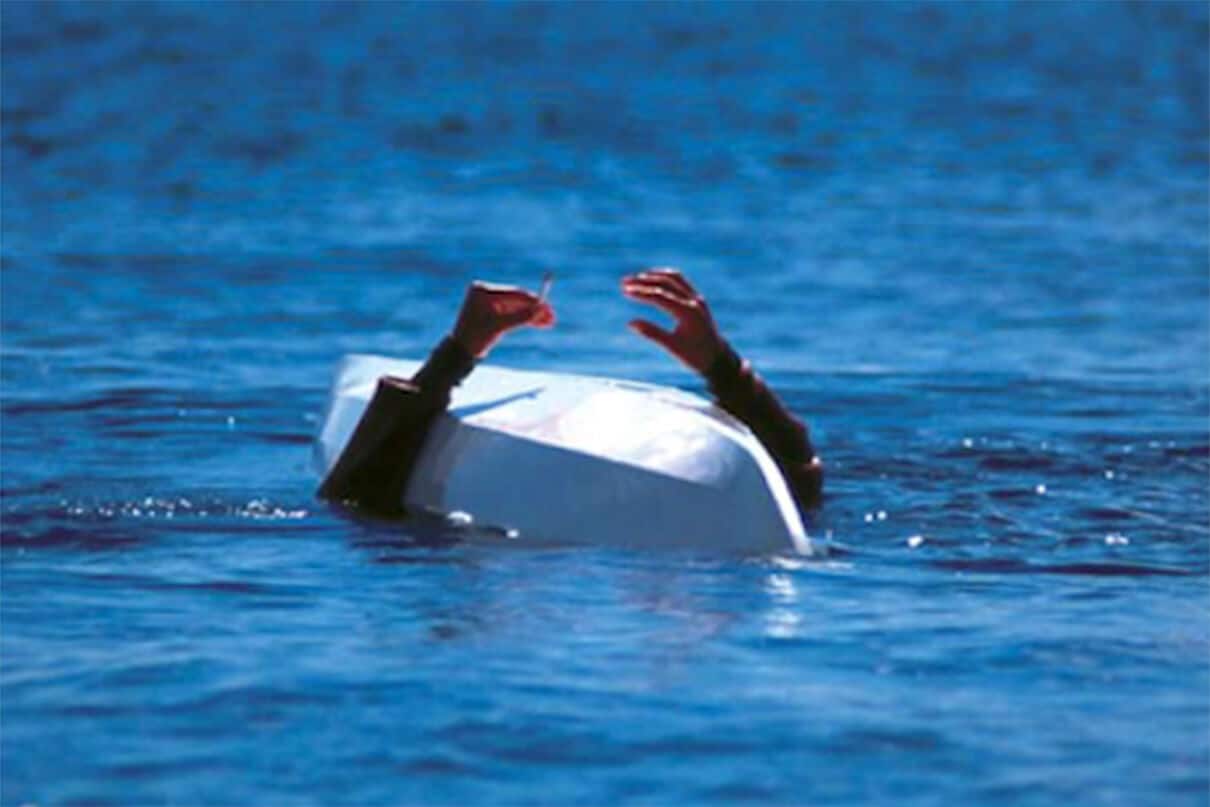
For elite practitioners seeking an even greater physiological challenge, the tradition includes assak peqillugu—executing a complete hand roll with a clenched fist. This eliminates surface area, forcing the paddler to rely entirely on micro-adjustments in body posture, hip snap, and fluid dynamics.
+-------------------------------------------------------------------------+
|                  THE SPECTRUM OF GREENLANDIC ROLLS                      |
+----------------------------------+--------------------------------------+
| Technique Classification         | Functional Purpose                   |
+----------------------------------+--------------------------------------+
| Standard Paddle Roll             | Efficient, everyday capsize recovery |
| Storm Roll                       | Designed for heavy seas & short gear |
| Straight Jacket & Elbow Rolls    | Survival adaptations for restricted  |
|                                  | arm movement                         |
| Assammik (Open Hand Roll)        | Extreme test of proprioception &     |
|                                  | body mechanics                       |
| Assak peqillugu (Clenched Fist)  | Ultimate difficulty using zero       |
|                                  | hand surface area                    |
+----------------------------------+--------------------------------------+
Preserving Heritage on Nitrate Film
The global understanding of these techniques owes a significant debt to early ethnographers. Knud Rasmussen’s 1934 film The Wedding of Palo stands as a masterclass in cultural preservation. By embedding docufiction with real-day-to-day Inuit survival practices, the film provided early 20th-century audiences with a visceral look at the raw power of the Arctic sea and the brilliant engineering of skin-on-frame kayaks.
Official Perspectives and Cultural Analysis
While extreme athletes and anthropologists view the roll through lenses of survival and heritage, sociologists and cultural historians point out how deeply the concept is embedded in human psychology and vernacular.
"Learning to roll tests a paddler’s proprioception in ways few other physical activities can," notes marine sports historian Dr. Aris Thorne. "You are stripped of your visual horizons. For a few seconds, you are entirely inverted, relying entirely on muscle memory, inner-ear balance, and fluid dynamics to bring you back to the air. It forces a profound recalibration of how humans interact with their environment."
Furthermore, cultural analysts suggest that the term "rolling" has achieved linguistic ubiquity because it inherently describes a transition—a turning over of expectations. Whether it is a military drum roll generating psychological tension, an eye-rolling gesture communicating shared exasperation at a bad joke ("What do you call a bear with no teeth? A gummy bear"), or an unexpected internet redirection via Rick Astley, the motif of the roll represents momentum, surprise, and cyclical renewal.
Future Outlook: Preserving Ancient Crafts in a Digital Age
As we look toward the future, the traditional arts of the Arctic face both unprecedented threats and unique preservation opportunities. Climate change is rapidly altering the ice-scapes and marine ecosystems of Greenland, transforming the very environments that birthed these sophisticated kayaking techniques.
Simultaneously, however, globalized communication networks have allowed indigenous sports and traditional skin-on-frame boat building to experience a renaissance. Through international symposiums, digital media archives, and events like the Greenlandic National Championship, younger generations—both within and outside of Inuit communities—are learning the nuances of the storm roll and assammik.
Ultimately, whether viewed through the glowing screen of a digital meme, the flaky pastry of a London-born sausage roll, or the spray-decked cockpit of a Greenlandic kayak slicing through icy swells, the roll remains a testament to human ingenuity. It proves that whether we are navigating turbulent seas, digital networks, or daily life, mastering the art of righting oneself when things go upside down is a skill that will never go out of style.