



Executive Overview
For years, the public narrative surrounding autonomous vehicles and the commercial robotaxi market in the United States has been dominated by a familiar binary: Waymo versus Tesla. While Waymo has methodically rolled out geofenced, commercially available autonomous ride-hailing services in select metropolitan areas, and Tesla has continually hyped its "Full Self-Driving" (FSD) software aspirations, a formidable dark horse has been aggressively gaining ground.
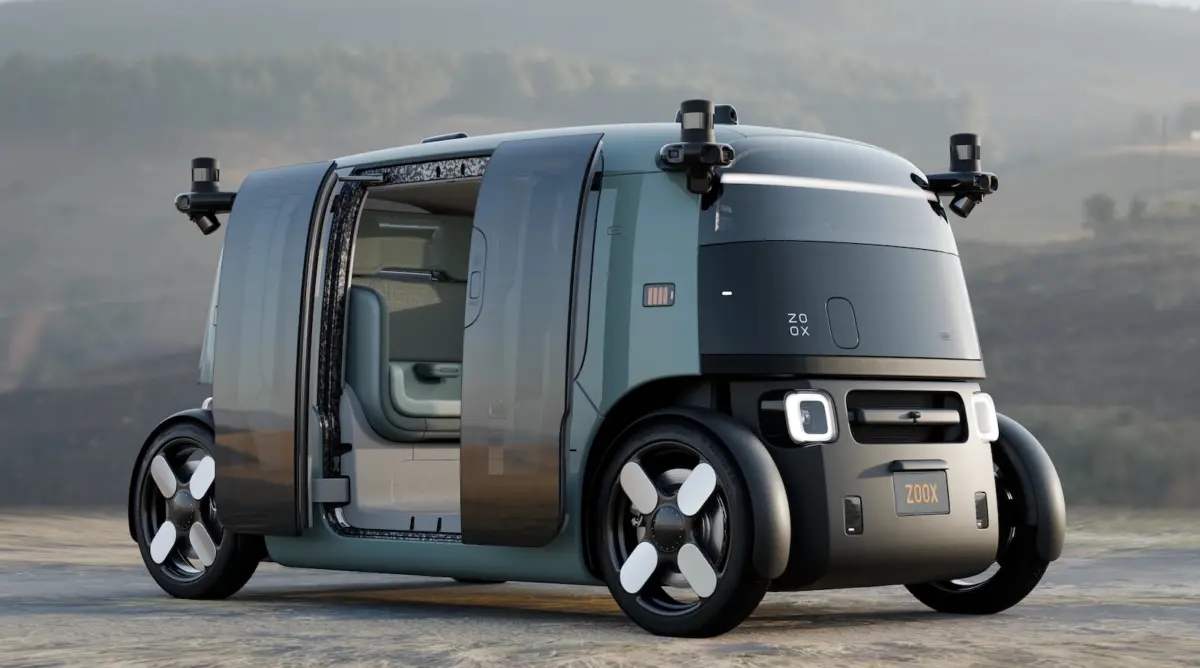
Zoox, an autonomous vehicle subsidiary owned by Amazon, is rapidly proving that the future of urban mobility may not look like a traditional car at all. Over the course of the year, Zoox has quietly achieved a series of historic milestones. It has outpaced competitors in user-base growth relative to its operational footprint, introduced a radical next-generation, bidirectional robotaxi model devoid of traditional steering wheels and pedals, secured pioneering regulatory approvals to operate paid driverless services without human controls, and officially launched commercial passenger operations.
Now, Zoox is setting its sights on its most formidable proving ground yet: Houston, Texas. Slated to begin testing later this month, the expansion into "Space City" represents a critical stress test for the company’s autonomy stack. Unlike its custom-built toaster-shaped pods, initial testing in Houston will utilize retrofitted traditional SUVs outfitted with human safety drivers. However, the move signals that Zoox is gearing up to conquer one of the most geographically sprawling, structurally complex, and weather-volatile urban environments in North America.
With operations already spanning 11 other major U.S. markets—including Austin, Dallas, Las Vegas, San Francisco, and Washington, D.C.—Zoox is no longer just a Silicon Valley science project. It is morphing into a nationwide commercial mobility network.
Detailed Chronology: A Breakthrough Year for Zoox
To understand the weight of Zoox’s entry into Houston, one must examine the blistering pace of accomplishments the company has logged over recent months. While competitors have wrestled with regulatory scrutiny, hardware setbacks, and public skepticism, Zoox has executed a remarkably disciplined, step-by-step roadmap from R&D to commercialization.
Early 2026: Rapid User Acquisition
While market analysts frequently fixate on headline-grabbing delivery metrics from larger automakers, data from early 2026 revealed a surprising trend: Zoox began growing its user base faster than nearly any other player in the domestic market. Operating on a patient, safety-first ethos, the company built strong localized loyalty during its years of testing, creating a bedrock of eager consumers waiting for commercial availability.
June 2026: Unveiling the Next-Generation Robotaxi
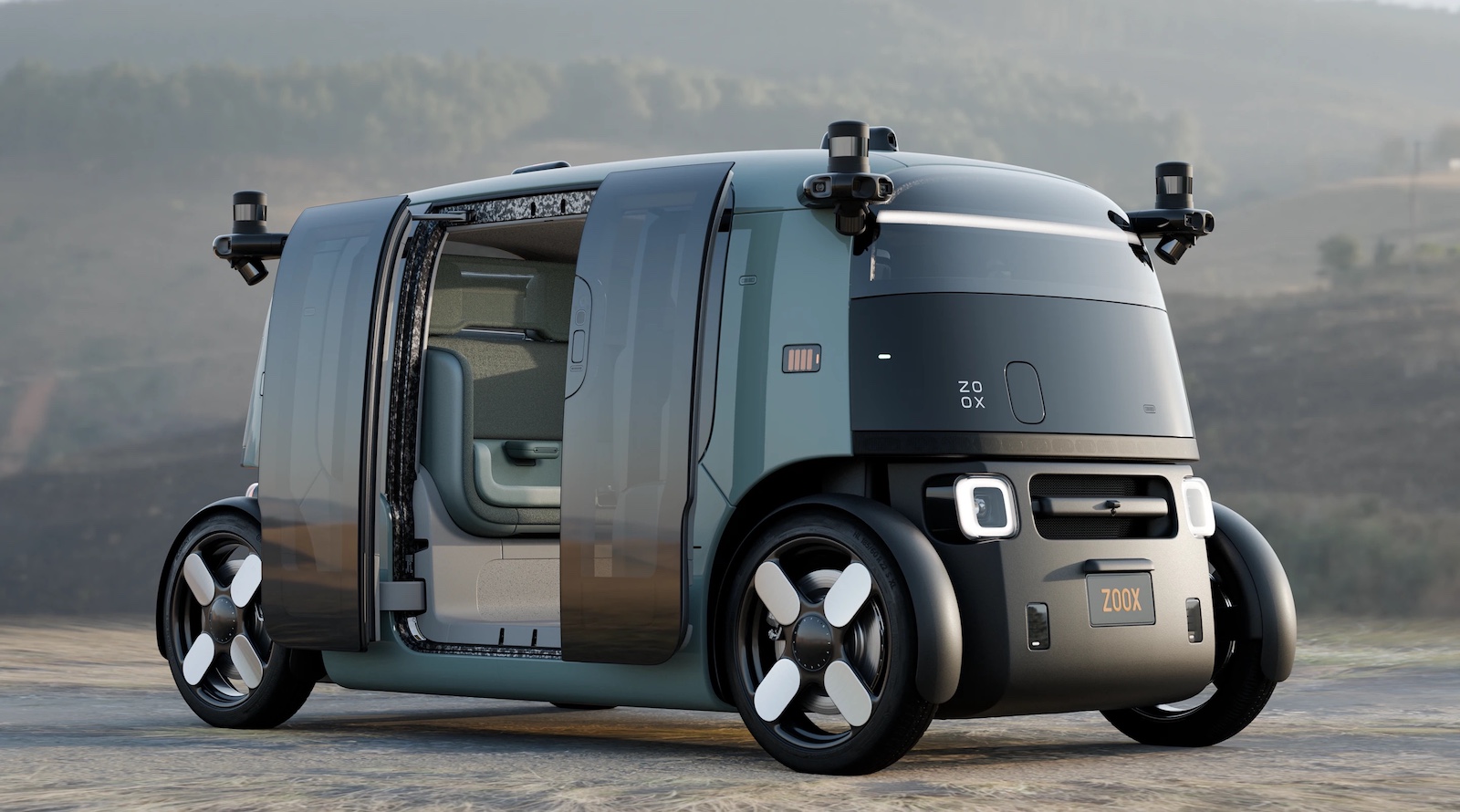
In late June, Zoox pulled the wraps off its newest iteration of its custom-built robotaxi. Unlike retrofitted consumer cars, Zoox’s flagship vehicle is purpose-built for ridesharing. Featuring a symmetrical, carriage-style interior where passengers face one another, the vehicle lacks steering wheels, gas pedals, and rearview mirrors. It is designed to drive equally well in either direction, eliminating the need to ever make a U-turn in tight city streets.

July 2026: Historic Regulatory Approvals
July marked a massive watershed moment for the autonomous vehicle industry. Zoox became the very first company in the United States to secure regulatory approval to operate a paid robotaxi service with absolutely no human controls onboard. This milestone set Zoox apart from competitors who still rely on remote teleoperation safety backups or retain physical steering mechanisms for emergency use.
August 2026: Launching Paid Operations
Following years of offering complimentary rides while waiting for the ink to dry on regulatory frameworks, Zoox officially flipped the switch on its paid robotaxi service last month. Passengers in its initial launch markets were finally able to pay for fully driverless fares, transitioning the company from a pre-revenue development project into a bonafide commercial transportation provider.
Late 2026: The Houston Expansion Announcement
Building on this momentum, Zoox announced its upcoming expansion into Houston, Texas. Scheduled to kick off testing later this month, the Houston deployment marks a strategic escalation in the company’s geographical footprint, proving that its software stack is capable of scaling beyond mild climates and predictable grid layouts.
Supporting Context & Metrics: Why Houston is the Ultimate Stress Test
Expanding into Houston is not merely a matter of dropping vehicles into a new zip code. Zoox faces a unique set of infrastructural and environmental hurdles in Space City that will test the limits of its perception and planning software.
Navigating the Sprawl and Complex Roadways
In its official market-entry announcement, Zoox characterized Houston bluntly: "Houston is our most sprawling market to date."
Unlike the dense, grid-based layouts of downtown San Francisco or the compact tourist corridors of the Las Vegas Strip, Houston is defined by massive geographic dispersion. It features sprawling highway systems, intricate elevated interchanges, and high-speed multi-lane merging zones that require split-second decision-making.
Furthermore, Houston’s infrastructure is famous for its complex service-road networks (often called "frontage roads"). Navigating these requires autonomous systems to seamlessly weave between high-speed highway traffic and slower local commerce arteries, managing unpredictable cut-ins and aggressive lane-changing behaviors typical of Texan driving culture.
Battling Extreme Weather and Climate Challenges
Autonomy software performs exceptionally well in dry, sunny conditions. However, the real world throws curveballs, and Houston throws an entire meteorological gauntlet. Zoox vehicles in the region will have to contend with:
- High Heat and Humidity: Extreme ambient temperatures that can stress vehicle computing hardware, sensors, and battery-electric thermal management systems.
- Heavy Rain and Severe Thunderstorms: Tropical downpours that radically degrade sensor visibility for LiDAR, cameras, and radar.
- Flash Flooding: Houston’s notorious susceptibility to sudden street flooding, which requires autonomous vehicles to identify impassable water hazards, reroute dynamically, and avoid hydroplaning risks.
To support this sprawling ecosystem, Zoox has already initiated plans to construct a dedicated charging and maintenance depot within the city. This facility will act as the operational heartbeat for the fleet, handling overnight software updates, sensor calibration, routine maintenance, and energy replenishment.
The Initial Testing Strategy: Retrofitted SUVs
Interestingly, Zoox will not debut in Houston with its iconic, custom-built bilateral pods. Instead, the company will initially deploy a fleet of heavily retrofitted traditional SUVs. These vehicles will be equipped with Zoox’s proprietary sensor suites and autonomous driving software, but will feature human safety drivers behind the wheel.
This phased approach is standard operating procedure for Zoox. By utilizing safety drivers in retrofitted vehicles first, the company can safely map the territory, gather edge-case sensor data, and train its neural networks on Houston-specific driving quirks before introducing its custom driverless pods to the general public.

Official Statements and Industry Positioning
Zoox’s aggressive nationwide push highlights a broader maturation within the autonomous vehicle industry. While early pioneers stumbled due to safety incidents, regulatory pushback, or over-promising timelines, Zoox has maintained a lower profile while systematically clearing regulatory hurdles.
The company’s footprint now extends across 11 major metropolitan markets:
- Atlanta
- Austin
- Dallas
- Las Vegas
- Los Angeles
- Miami
- Phoenix
- San Francisco Bay Area
- San Diego
- Seattle
- Washington, D.C.
With Houston joining the roster as the 12th market, Zoox is intentionally diversifying its environmental exposure. By operating everywhere from the damp, moody streets of Seattle and the tech-heavy corridors of Austin to the sprawling highways of Dallas and the tropical downpours of Miami, Zoox is hardening its software against virtually every driving condition found in the United States.
Industry analysts note that Amazon’s financial backing has provided Zoox with the long-term runway necessary to weather years of R&D without the immediate existential pressure facing smaller, venture-backed startups. This stability allows Zoox to prioritize safety validation and infrastructure investments—such as localized depots—before scaling commercial rider density.
Future Outlook: The Road Ahead for Zoox and Urban Mobility
As Zoox fires up its testing fleet in Houston this month, the implications for the broader robotaxi landscape are profound.
The race for autonomous supremacy is no longer just about who can build the flashiest prototype or run a geofenced demo in a friendly regulatory environment. It is about commercial repeatability, multi-market adaptability, and consumer trust. By clearing the path for paid, driverless operations without human controls earlier this year, Zoox established a legal and operational benchmark that others must now chase.
However, scaling into sprawling, car-centric Southern and Western mega-cities like Houston will be the ultimate test of whether autonomous tech can truly break out of niche urban pockets and become a ubiquitous mass-transit alternative. If Zoox’s retrofitted SUVs can successfully master Houston’s frontage roads, aggressive traffic, and torrential downpours, the transition to deploying its custom-built, steering-wheel-free pods in the city will likely follow.
For consumers, the arrival of Zoox means more than just another ride-hailing app on their phones; it represents the steady, irreversible normalization of driverless transportation. As the company preps its Houston depot and maps out the Texas sprawl, the Waymo-Tesla duopoly in the public consciousness is officially being challenged by a very real, very active third contender.