



Executive Overview
When the conversation turns to American New World viticulture, the collective imagination instinctively drifts southward to the sun-drenched, oak-scented rows of California’s Napa Valley, or westward to the fog-kissed, pinot-receptive hillsides of Oregon’s Willamette Valley. Yet, wine is an agricultural enterprise bound far more strictly by the laws of geography and latitude than by marketing clout or household-name recognition.
According to guidelines set forth by the Wine & Spirit Education Trust (WSET), nearly all of the world’s premier wine-producing grape varieties thrive within a remarkably narrow latitudinal band: between 30 and 50 degrees on either side of the equator. Napa Valley sits comfortably within this corridor. So does Bordeaux, France. And at precisely 46 degrees north, so does Grandview, Washington—a high-desert farming municipality of roughly 12,000 residents that has historically flown entirely under the radar of the casual oenophile.
While Washington state firmly holds its position as the second-largest wine producer in the United States, over half of its celebrated wine grapes originate from a single, intensely fertile geological feature: the 17,000-acre Yakima Valley. Within this roughly 70-mile corridor lie nearly 100 distinctive wineries and five federally recognized American Viticultural Areas (AVAs).
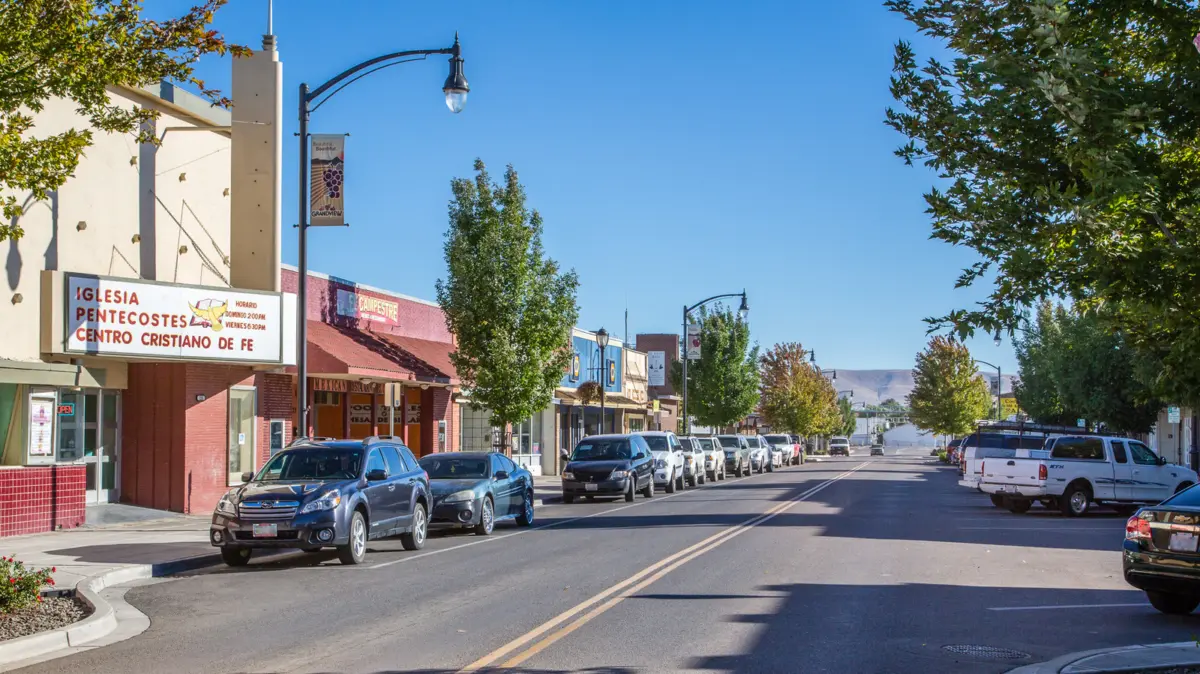
At the geographical heart of this rich agricultural tapestry sits Grandview. Far from being a mere roadside blur on Interstate 82, this quiet agricultural city has rapidly matured into the ultimate, unpretentious basecamp for wine enthusiasts. Boasting dramatic high-desert vistas, a burgeoning culinary scene, historic architecture, and the most compelling student-led winemaking program in the Pacific Northwest, Grandview offers an authentic, crowd-free immersion into Washington’s world-class wine culture.
Detailed Chronology: From Homestead Vistas to a Modern Viticultural Hub
The Early Roots: 1906–1918
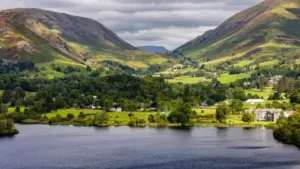
The history of Grandview is inextricably linked to the sweeping panoramic vistas that define its geography. When the townsite was officially platted in 1906, its founders did not look to European traditions for a name; instead, they christened the settlement for what the human eye could capture on an exceptionally clear day. From the nascent streets, early pioneers marveled at the imposing snow-capped silhouettes of Mount Rainier and Mount Adams to the west, alongside the prominent local ridge known as Snipes Mountain.
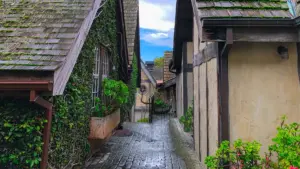
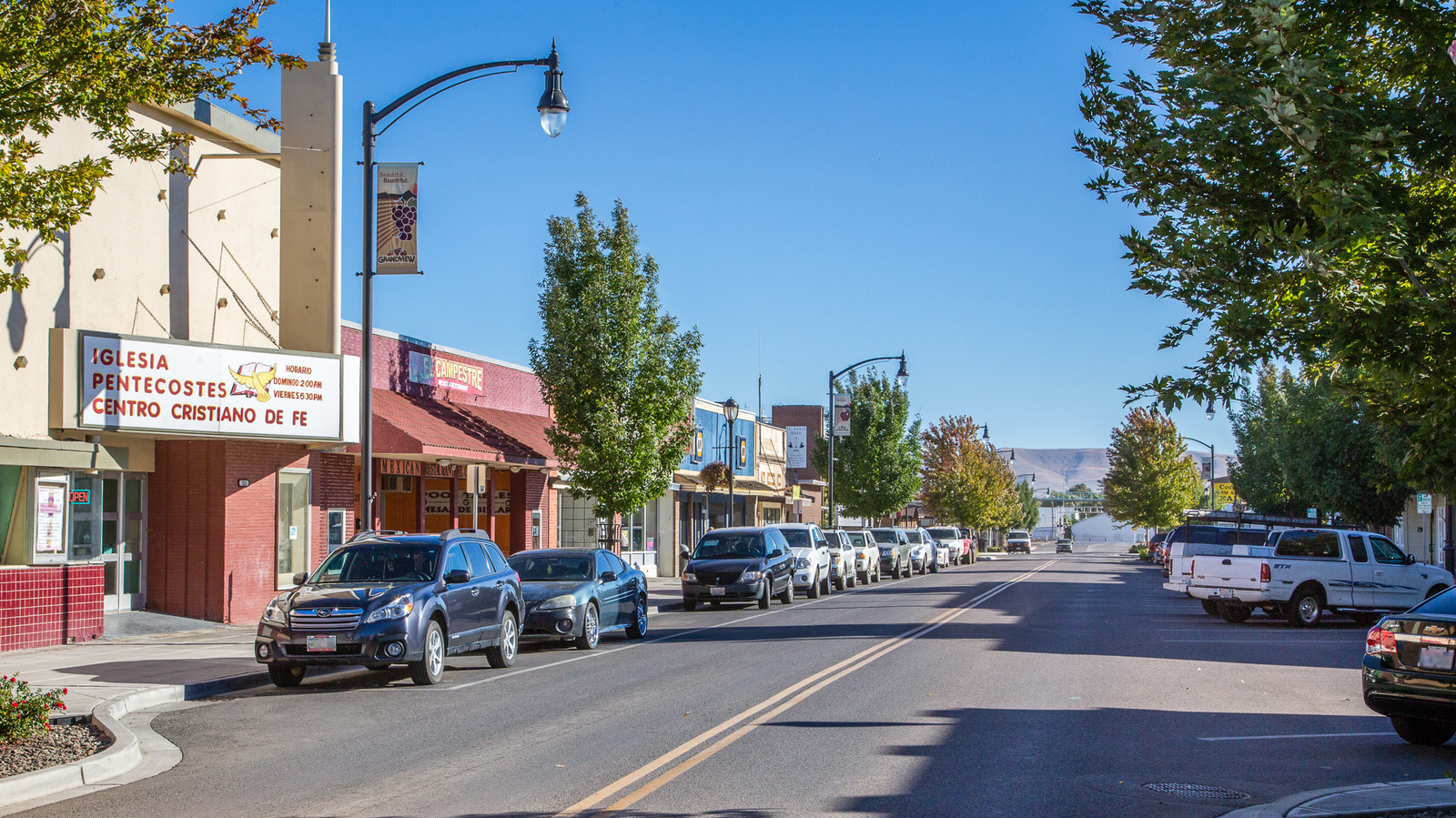
As the town grew through the early 20th century, its architecture began to reflect a burgeoning agricultural prosperity. Downtown’s Division Street quickly filled with durable brick storefronts that still anchor the community today. Notable among these historical structures are the E.O. Keck Building, erected in 1910; the Iowa Building, completed in 1911; and the stately Neoclassical facade of the Grandview State Bank, which opened its doors in 1918. For decades, Grandview remained primarily known for its abundant harvests of tree fruits—apples, cherries, and hops—rather than the heavy-bodied reds and crisp whites that would eventually redefine its economic and cultural landscape.
The Rise of the Yakima Valley AVA: 1983
While viticulture had flickered in the Yakima Valley since the mid-19th century, the region experienced its defining modern inflection point on April 3, 1983. On this date, the Bureau of Alcohol, Tobacco and Firearms officially established the Yakima Valley as Washington State’s very first American Viticultural Area (AVA).
Encompassing over 500,000 total acres—with roughly 17,000 acres under vine—this official designation validated what local growers had long suspected: the unique convergence of volcanic soils, high-desert sunshine, and cool nighttime desert temperatures created a microclimate uniquely suited for cold-hardy European wine grapes (Vitis vinifera). Grandview, strategically positioned near the center of this newly minted appellation, suddenly found itself sitting on top of some of the most valuable agricultural real estate in the Pacific Northwest.
The Institutional Evolution: Yakima Valley Vintners
As the valley’s commercial wine industry exploded through the late 1990s and 2000s, the demand for trained viticulturists and winemakers skyrocketed. To meet this regional workforce need, Yakima Valley College established its premier Vineyard and Winery Technology program, anchoring its instructional winery—Yakima Valley Vintners—directly on the college’s Grandview campus.
This development transformed Grandview from a passive agricultural supplier into an active laboratory of enological innovation. Students enrolled in the program were no longer just reading textbooks; they were actively managing every phase of the commercial winemaking cycle—from pruning and crushing to blending and bottling—culminating in the public sale of their own creations. Today, this hands-on educational model represents one of the most exciting and dynamic tasting experiences in the entire Pacific Northwest wine ecosystem.
Supporting Context & Metrics: The Anatomy of Washington Wine Country
To fully appreciate Grandview’s emergence as a premier wine-tasting basecamp, one must examine the broader economic and geographical metrics that govern the Yakima Valley and Washington State’s wine industry as a whole.
Statistical Overview of the Region
- State Production Ranking: Washington stands firmly as the nation’s second-largest wine producer, trailing only California.
- Yakima Valley Dominance: Over 50% of all wine grapes harvested in Washington state are grown within the Yakima Valley AVA.
- Density of Craft: The valley packs nearly 100 distinct wineries and 5 unique AVAs into a remarkably compact 70-mile stretch.
- The Grandview Advantage: Located precisely between the agricultural hub of Sunnyside and the historic "Wine Capital of Washington" in Prosser, Grandview places visitors within a 15- to 25-minute drive of dozens of world-class tasting rooms.
- Accessibility: Grandview is easily accessed via the Yakima Air Terminal (YKM) or Tri-Cities Airport (PSC), both situated less than a 45-minute drive from the city center.
Terroir and Climate Dynamics
What makes Grandview and the broader Yakima Valley so intoxicatingly successful for winemaking is a rare convergence of environmental factors:
- Latitude and Sunlight: Sitting at 46 degrees north, the region enjoys up to 17 hours of sunlight during peak summer growing season. This extended daylight allows grapes to achieve optimal phenolic ripeness while maintaining vital acidity.
- The Rain Shadow Effect: Situated in the rain shadow of the Cascade Mountains, the region receives a meager 6 to 8 inches of annual precipitation. This arid climate drastically reduces the threat of mold and fungal diseases, allowing for sustainable and organic farming practices.
- Controlled Irrigation: Viticulturists rely on controlled glacial meltwater channeled from the surrounding mountains, allowing precise regulation of vine stress and fruit concentration.
- Diurnal Temperature Shifts: Scorching summer days give way to remarkably cool desert nights. This dramatic temperature swing preserves the tart natural acids in grapes like Riesling, Chardonnay, Cabernet Sauvignon, and Syrah, ensuring balance and structural complexity in the final bottle.
Official Perspectives & Institutional Insights
Industry leaders, viticulturists, and educational experts emphasize that Grandview’s unpretentious authenticity is its greatest asset in an increasingly homogenized wine tourism market.
"When people visit the Yakima Valley, they are often surprised by the sheer approachability of the winemaking community," notes a regional agricultural extension specialist. "Unlike some heavily commercialized regions where tasting rooms feel like corporate storefronts, here you are frequently talking directly to the growers, the students, or the winemakers themselves. Grandview captures that raw, pioneering spirit of Washington wine better than almost anywhere else."
Educators at Yakima Valley Vintners echo this sentiment, highlighting the pedagogical value of their public-facing tasting room on Grandridge Road.
"Our students don’t just learn the chemistry of fermentation in a sterile lab; they learn how to present their craft to the public," explains a program instructor. "When a visitor walks into our Grandview tasting room and realizes that the wine in their glass was cultivated, fermented, and bottled entirely by students working toward their degrees, the reaction is universally awe-inspiring. The level of quality our students achieve consistently rivals commercial vintages that cost twice as much."
Local tourism boards similarly champion Grandview’s strategic geographic positioning. Acting as an ideal, quiet home base, the city allows travelers to escape the high-priced hustle and bustle of major metropolitan wine resorts while keeping them within arm’s reach of the valley’s most celebrated events, such as the annual Spring Barrel Weekend held every April.
Future Outlook: Sustainable Growth and the Next Generation of Oenology
As the Pacific Northwest wine industry looks toward the horizon, Grandview is uniquely positioned to spearhead the next wave of viticultural innovation and sustainable wine tourism.
Embracing Sustainable and Regenerative Viticulture
With changing climatic pressures across the American West, Washington’s high-desert terroir offers natural resilience. Local growers in the Grandview area are increasingly adopting advanced sustainable and regenerative agricultural practices—such as cover-cropping, water-conservation drip irrigation, and reduced chemical intervention—to protect the delicate balance of the Yakima Valley watershed. These initiatives not only ensure the long-term health of the soil but also appeal to an increasingly eco-conscious consumer base that demands transparency from vine to bottle.
Expanding Educational Horizons
The success of Yakima Valley Vintners’ instructional winery points toward a broader trend in agritourism: experiential education. As wine consumers become more sophisticated, they increasingly crave educational depth over superficial tastings. Future developments on the Grandview campus are expected to expand research into climate-resilient rootstocks, drought-tolerant varietals (such as Mediterranean grapes like Tempranillo and Grenache), and advanced cellar technologies. This positions Grandview not just as a picturesque place to sip a glass of Cabernet, but as an intellectual incubator for the future of American wine.
The Tourism Horizon: Slow Travel and Authentic Escapes
In an era where travelers are increasingly seeking out "slow travel" destinations—quiet towns rich in local flavor, uncrowded streets, and genuine community interactions—Grandview shines. Bolstered by luxury boutique accommodations like the Cozy Rose Luxury Inn, historic downtown revitalization efforts, and a burgeoning culinary scene featuring authentic local fare like Taqueria Tepeque and the hearty homestyle breakfasts at the 10-4 Cafe, Grandview is shedding its historical anonymity.
For the discerning traveler willing to look beyond the heavily marketed billboards of Napa or Sonoma, Grandview, Washington offers an invitation: a chance to witness the beating heart of the Pacific Northwest wine industry, poured by the hands of tomorrow’s master winemakers, against a breathtaking backdrop of volcanic peaks and sun-drenched desert hills.