







Just days after the official rollout of Carnival Cruise Line’s highly anticipated "Carnival Rewards" program on September 1, 2026, the cruise operator has found itself grappling with an old, stubborn issue. Despite introducing a brand-new loyalty ecosystem designed to curb the dilution of elite perks, Carnival has already been forced to strip crucial privileges from Platinum-tier guests on select upcoming sailings.
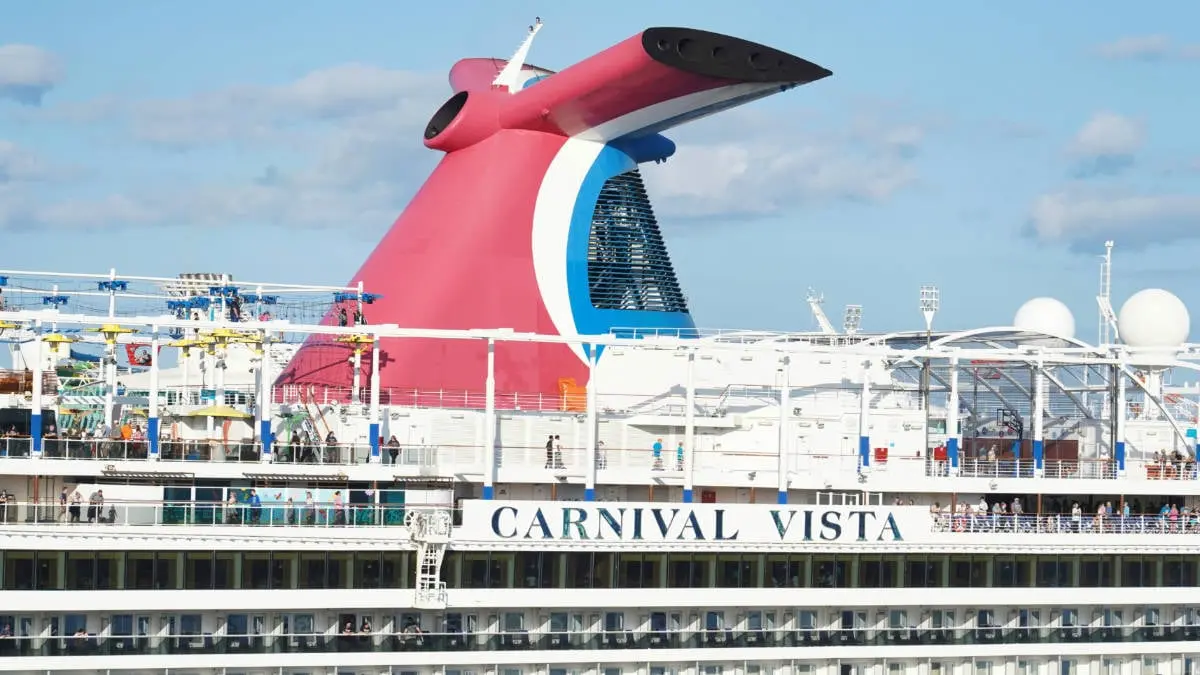
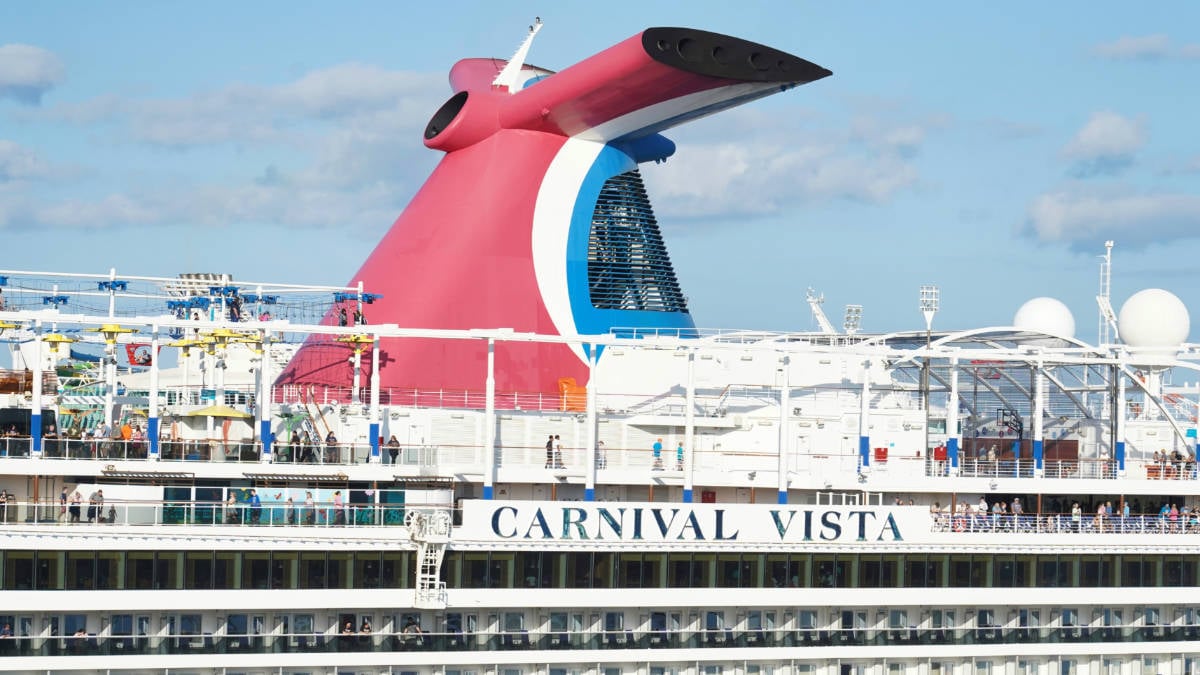
The immediate casualty of this capacity crunch affects two major departures: the Saturday, September 5, 2026, voyages of the Carnival Sunshine out of Norfolk, Virginia, and the Carnival Vista departing from Port Canaveral, Florida. Guests booked on these itineraries have received sudden electronic notifications informing them that several core benefits—most notably priority embarkation, debarkation, and stateroom access—have been rescinded for their specific sailings.
The justification provided by the cruise line is familiar to seasoned cruisers: an unexpectedly high concentration of elite-status passengers onboard. When too many travelers qualify for priority handling, the operational integrity of the embarkation process strains to a breaking point. Yet, this early setback underscores a deeply uncomfortable truth for both Carnival management and its most loyal consumer base. The sweeping overhaul of the line’s loyalty history—meant to fix the congestion of elite tiers—is still struggling with the exact logistical overload it was intended to resolve.
As passengers voice their frustrations across online forums and social media groups, industry analysts are questioning how effectively the cruise line can manage expectations during a multi-year transition period. With legacy statuses grandfathered in through December 2028, the bittersweet irony of elite overcrowding is likely to persist, testing the patience of cruisers who thought a new program would guarantee the VIP treatment they earned.
Detailed Chronology: How the September 5 Crisis Unfolded
To understand the current friction, it is necessary to examine the rapid sequence of events that culminated in the September 5 cancellations.
The Eve of the Rollout
On August 31, 2026, Carnival loyalists prepared to say goodbye to the legacy Very Important Fun Person (VIFP) club, which had governed the line’s repeat-passenger rewards for years. Promising a more tailored, modern experience, the brand-new Carnival Rewards program officially went live on September 1, 2026. Executives hailed it as a visionary leap forward designed to restore exclusivity to high-tier travelers.
The Immediate Fallout (September 2–3, 2026)
Barely 48 to 72 hours after the program’s debut, automated notifications began pinging the inboxes of Platinum-tier guests booked on two specific late-summer itineraries:

- The Carnival Sunshine: A 3,002-guest vessel scheduled for an eight-night Canada cruise embarking from Norfolk on September 5, featuring stops in Saint John, New Brunswick, and the Nova Scotian ports of Halifax and Sydney, before returning on September 13.
- The Carnival Vista: A massive 3,934-guest ship embarking on an eight-night Southern Caribbean itinerary on the exact same Saturday, with scheduled visits to Aruba, Curaçao, and Carnival’s proprietary destination, Celebration Key, before heading back to Florida.
The emails sent to these passengers utilized strikingly similar language, quickly captured and shared by distressed cruisers within dedicated Facebook communities.
The Specifics of the Rescinded Perks
According to the notices sent to impacted travelers, the sheer volume of Platinum guests made it operationally impossible to deliver several hallmark features of their loyalty tier. The stripped benefits include:
- Priority Embarkation and Debarkation: The expedited processing lanes at both homeports and ports of call have been suspended for these sailings.
- Early Stateroom Access and "Drop and Go": Typically, Platinum guests enjoy early access to their cabins to drop off carry-on luggage and settle in before general boarding. However, the notification explained that the tight turnaround time leaves housekeeping with zero margin for error. “To allow the housekeeping team to get the staterooms ready by 1:30 PM, luggage ‘Drop and Go’ cannot be facilitated given the limited turnaround time,” the email noted.
- Priority Luggage Delivery: The expedited sorting and delivery of checked luggage to staterooms will not be guaranteed or available.
- Guest Services Support: Dedicated priority lines and phone assistance at the Guest Services desk “may not” be available due to the anticipated bottleneck of elite inquiries.
By stripping these perks just days before departure, Carnival left passengers with little recourse, igniting a fresh wave of debate over the tangible value of cruise line loyalty.
Supporting Context & Metrics: The Anatomy of Overcrowding
The phenomenon of stripping elite benefits on popular sailings is not entirely unprecedented, but its occurrence mere days after launching a completely redesigned rewards framework highlights deep-seated structural challenges within the contemporary cruise industry.
The Math Behind the Congestion
Cruise ships are floating cities with finite square footage, fixed elevator capacities, specific gangway throughput limits, and rigid turnaround windows. When a vessel with a passenger capacity of 3,000 to 4,000 hosts hundreds—or potentially over a thousand—passengers with elite status, the physical infrastructure breaks down.
Consider the logistics of stateroom turnaround. A ship returning on a Saturday morning must disembark thousands of departing guests, clear customs, undergo mandatory United States Coast Guard and public health inspections, and have the housekeeping staff thoroughly clean every single stateroom before welcoming the next wave of travelers by early afternoon.
If a disproportionate percentage of those incoming guests hold status levels that grant them early stateroom access and priority luggage drop-off, the corridors become jammed with rolling suitcases. Housekeepers trying to sanitize bathrooms and change linens find themselves navigating obstacle courses of impatient travelers. Similarly, if half the ship qualifies for "priority" embarkation, the priority line effectively becomes longer than the general boarding line, neutralizing the very concept of a privilege.
The Itinerary Factor
Historically, benefit rollbacks on Carnival ships have disproportionately impacted specific types of itineraries:
- Longer Sailings: Voyages lasting seven, eight, or more days naturally attract a higher concentration of seasoned cruisers and retirees who have accumulated extensive cruise days over decades.
- Regional/Unique Departures: Itineraries departing from smaller homeports like Norfolk, or visiting rare international/regional hubs, often draw dedicated brand loyalists who plan their vacations years in advance specifically to catch those routes.
Both the Carnival Sunshine’s Canadian coastal route and the Carnival Vista’s Southern Caribbean voyage fit these criteria precisely. They are longer, highly desirable itineraries running during a shoulder season that appeals heavily to high-tier repeat customers.
Official Statements: Navigating the Messaging Crisis
To understand why Carnival found itself in this position, one must look back at the rationale provided by corporate leadership when the transition away from the VIFP program was first announced.
Christine Duffy on the Need for Change
When Carnival Cruise Line President Christine Duffy addressed the public regarding the restructuring of the line’s loyalty system, she did not mince words about the core problem facing the company. Duffy pointed out that success had become the line’s own worst enemy: too many people had achieved top-tier status.
"When so many guests have elite status, it is much more difficult to make everyone feel special," Duffy stated during the initial rollout of the new rewards architecture.
She further emphasized that maintaining the status quo would ultimately devalue the experience for everyone involved:
"These realities will only continue to erode the recognition and rewards of the current VIFP Club program, and we feel that change is necessary in order to better recognize our guests and give them more choice in how they are rewarded."
The Disconnect Between Vision and Reality
Duffy’s argument was logical on paper: by modernizing the rewards structure—shifting toward a spend-based or more strictly qualified model rather than a simple accumulation of days—Carnival hoped to thin out the herd over the long term, restoring genuine exclusivity to elite ranks.
However, the messaging has hit a wall of consumer skepticism. Guests who spent years accumulating status under the old VIFP program were assured a smooth transition, with Carnival permitting travelers to keep their grandfathered loyalty status (including Platinum and Diamond tiers) through December 2028, provided they opted into the new program.
By freezing these legacy statuses for more than two years, Carnival effectively guaranteed that the very crowding issues Duffy complained about would persist well into the future. The September 5 cancellations on the Sunshine and Vista are the direct, inevitable consequence of that grace period. The line wants to reward loyalty, but its ships simply cannot physically accommodate the sheer mass of people holding elite credentials.
Future Outlook: What Lies Ahead for Carnival Rewards?
As the dust settles on the initial implementation phase of Carnival Rewards, the cruise line faces a complex road ahead. Solving the paradox of elite overcrowding will require more than just marketing adjustments or administrative emails; it demands structural, operational, and psychological management of its most vocal demographic.
The 2028 Horizon: A Slow Thinning of the Ranks
Because legacy VIFP statuses are honored through the end of 2028, cruisers should expect these isolated benefit cancellations to continue cropping up periodically. Longer holiday cruises, repositioning voyages, and unique itineraries will likely remain flashpoints where the number of elite passengers vastly exceeds shipboard capacity.
Only after December 2028—when the grandfathered statuses officially expire and guests must re-qualify purely under the strict criteria of the new Carnival Rewards spend-based metrics—will the total volume of Platinum and Diamond passengers realistically begin to taper off. Until then, operational bottlenecks will remain a calculated risk for anyone booking popular routes.
Rebuilding Trust with Loyal Cruisers
For passengers currently affected, the loss of priority embarkation and stateroom access is more than just a minor inconvenience; it feels like a breach of contract regarding the value of their loyalty. While Carnival occasionally offers onboard credits or gesture-of-goodwill amenities to soothe ruffled feathers, the systemic issue remains unresolved.
To maintain passenger goodwill, industry experts suggest that cruise lines may need to adopt more dynamic threshold management for sailings. Rather than relying on blanket cancellations after a threshold is breached, lines could implement tiered priority slots or invite-only rotations, ensuring that at least some level of recognition is preserved.
Conclusion
The bumpy launch of Carnival Rewards serves as a fascinating case study in the challenges of modern cruise line management. Rewarding customer loyalty is essential for long-term brand retention, but when a cruise line becomes too successful at building a devoted following, its physical infrastructure struggles to keep pace. For the passengers boarding the Carnival Sunshine and Carnival Vista this September, the promise of elite status has run hard aground against the immovable limits of shipboard logistics—proving that even in a brand-new rewards era, some old cruise industry problems are here to stay.