






Executive Overview
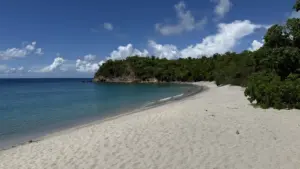
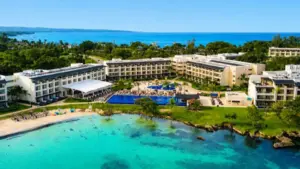
For decades, the global tourism narrative surrounding Nassau, New Providence, and Paradise Island has followed a predictable, albeit luxurious, script. Mention a vacation to the capital of The Bahamas, and travelers instantly conjure images of mega-resorts like Atlantis and Baha Mar, the powdery whites of Cable Beach and Cabbage Beach, and the bustling energy of downtown’s historic Bay Street. It is a formula that has successfully positioned Nassau as one of the Caribbean’s premier hospitality hubs, complete with world-class dining, upscale shopping, and endless beachfront relaxation.
However, just a short drive south across the island’s interior reveals a starkly different landscape—one largely untouched by high-rise development and untouched by the conventional tourist itinerary. Spanning 1,235 acres of protected coastal wetlands on the southern shore of New Providence, Bonefish Pond National Park offers an unexpected, immersive nature experience that feels worlds away from the big-resort corridor.
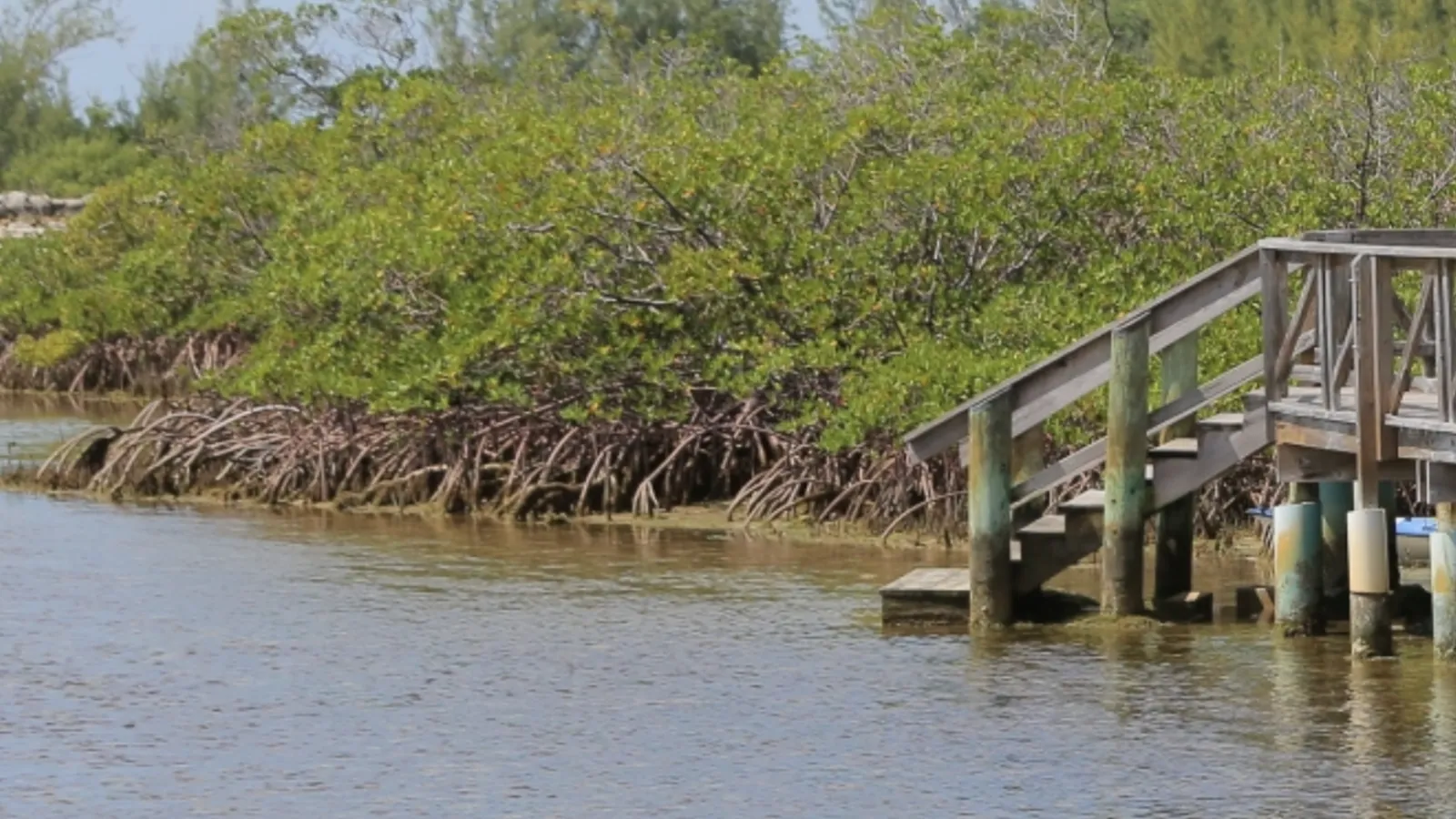
Maintained by the Bahamas National Trust, Bonefish Pond is the last remaining tidal mangrove ecosystem along the southern coast of New Providence. Despite being the most visited national park on the island, it remains a hidden gem for countless international travelers who stick strictly to the northern resort zones. Featuring an expansive wooden boardwalk that leads visitors deep into a thriving labyrinth of red, black, and white mangroves, the park provides a crucial window into the ecological machinery that sustains marine life across the entire Bahamian archipelago.
As Nassau’s tourism model evolves to embrace a more diverse, experiential style of travel—blending historic revival, a booming culinary scene, and outdoor adventure—Bonefish Pond stands out as a vital destination. It challenges the conventional perception of New Providence merely as a resort platform, revealing a wild, ecologically rich landscape hiding in plain sight.
Detailed Chronology & Evolution: From Neglected Coastline to Protected Sanctuary
The story of Bonefish Pond National Park is intertwined with the broader history of conservation, urbanization, and environmental awakening in The Bahamas. To understand the significance of the park today, it is necessary to trace how New Providence transformed from a rugged, natural island into the densely populated economic epicenter of the nation, and how policymakers fought to preserve what remained of its native coastal habitats.
Pre-Colonial and Colonial Eras
Long before Europeans arrived in the Lucayan archipelago, the shallow waters and dense mangrove creeks of southern New Providence served as natural nurseries for marine life. Indigenous Lucayans and later European settlers utilized the island’s southern coast primarily for subsistence fishing. For centuries, the dense, seemingly impenetrable tangles of mangrove forests along the southern shore were viewed largely as wasteland—impassable terrain that defied traditional agriculture or urban settlement. Consequently, population growth, commercial enterprise, and maritime infrastructure concentrated heavily along the northern shores of the island, where natural harbors like Nassau Harbour offered sheltered ports for trading vessels.
The Rise of Modern Tourism and Urban Sprawl
Throughout the mid-to-late 20th century, the landscape of New Providence underwent a dramatic metamorphosis. The tourism boom brought massive foreign investment, resulting in the dredging of coastal areas, the construction of sprawling resort complexes, and the expansion of residential and commercial infrastructure. As Nassau expanded southward to accommodate a growing population, the island’s delicate wetlands, coppice forests, and coastal ecosystems faced severe anthropogenic pressures. Wetlands were frequently viewed as prime targets for land reclamation, filling, and coastal development.
Establishment and the Bahamas National Trust Intervention
Recognizing the urgent need to safeguard representative samples of the nation’s unique terrestrial and marine environments, environmental advocates rallied for legislative protection. The Bahamas National Trust (BNT), established by an act of Parliament in 1959 with a mandate similar to a national park service, gradually turned its attention toward the vulnerable ecosystems of New Providence.
The formal establishment of Bonefish Pond National Park marked a critical turning point in local conservation efforts. By designating 1,235 acres of wetlands and mangroves as a protected national park, the BNT placed a legal shield over the last remaining tidal mangrove system on southern New Providence’s shores. This designation halted the creeping tide of coastal development, preserving a vital ecological buffer against tropical storms while securing a haven for native wildlife.
Infrastructure Development and Public Access
For many years, Bonefish Pond remained a pristine yet inaccessible wilderness known primarily to local fishermen, scientists, and dedicated birders. To bridge the gap between strict conservation and public education, the BNT spearheaded the construction of a low-impact wooden boardwalk stretching out over the wetlands. This infrastructure transformed the park from an unreachable swamp into an accessible outdoor classroom, allowing visitors of all ages to experience the intricate dynamics of a mangrove forest without trampling delicate root systems or disturbing nesting birds. Today, the park stands as a testament to successful grassroots and institutional conservation, proving that ecological preservation can coexist with a thriving tourism economy.
Supporting Context & Metrics: The Ecology and Geography of Bonefish Pond
To fully appreciate why Bonefish Pond National Park is an essential stop on any modern Nassau itinerary, one must examine the geography of New Providence and the vital biological metrics that govern mangrove ecosystems.
The Geography of Contrast
Geographically, New Providence is characterized by a stark north-south dichotomy. The northern tier is defined by deep-water harbors, high-density commercial strips, luxury marinas, and famous beaches like Cable Beach and Cabbage Beach. Paradise Island sits immediately offshore, anchoring the destination’s heavy-hitting resort portfolio.
Crossing southward across the island’s interior fundamentally shifts the geography. The terrain flattens into expansive tidal flats, shallow bays, and dense subtropical coppice. Bonefish Pond sits squarely within this southern coastal belt. The proximity of these two contrasting worlds is one of Nassau’s greatest hidden assets. Travelers can enjoy a morning at a high-end resort pool on the northern coast and, within a 20-minute drive, find themselves immersed in a wild, undisturbed wetland. Few Caribbean capitals offer such vast ecological diversity within such a compact geographical footprint.
The Biological Engine: Why Mangroves Matter
At the core of Bonefish Pond’s ecological significance is its mangrove ecosystem. Mangroves are salt-tolerant trees that act as the vital bridge between terrestrial and marine environments. Their intricate, submerged root systems form complex labyrinths that provide shelter and abundant nutrients for juvenile marine species.
- Nursery Grounds: A staggering percentage of reef fish, crustaceans, and mollusks—including commercially vital species like bonefish, Nassau grouper, snapper, and spiny lobster—spend the vulnerable early stages of their life cycles within mangrove nurseries. Once they grow large enough to defend themselves, they migrate out to the barrier reefs and deeper oceanic flats. Without healthy mangrove systems like Bonefish Pond, the fish populations supporting both local commercial fisheries and recreational sports fishing throughout The Bahamas would face catastrophic decline.
- Coastal Protection: Mangrove forests act as natural breakwaters, absorbing the kinetic energy of storm surges, tropical waves, and hurricane winds. In an era marked by rising sea levels and intensifying tropical weather patterns, preserving 1,235 acres of coastal wetland on heavily populated New Providence is a vital climate-resilience strategy.
- Carbon Sequestration: Often referred to as "blue carbon" ecosystems, mangroves capture carbon dioxide from the atmosphere at rates up to four times higher than terrestrial tropical rain forests, storing the carbon deep within their waterlogged soils for millennia.
Avian Diversity and Wildlife
Beyond marine life, Bonefish Pond is a premier destination for ornithology. The surrounding wetlands attract a broad array of resident and migratory birds, including herons, egrets, ospreys, cormorants, and various species of shorebirds. As visitors walk the wooden boardwalk, the ambient soundscape shifts from the roar of resort waves and traffic to the rustling of mangrove leaves and the distinct calls of wading birds.
And, as the park’s name suggests, it is home to the legendary bonefish (Albula vulpes). Known by sports fishermen as the "gray ghost of the flats," bonefish are prized for their speed, stealth, and elusive nature in shallow water. While Bonefish Pond is managed primarily as a sanctuary rather than a commercial fishing ground, sharp-eyed visitors can frequently spot these silvery fish darting through the crystal-clear shallows beneath the boardwalk.
Official Statements & Expert Perspectives
Conservationists, tourism officials, and travel industry analysts increasingly emphasize the importance of diversifying the Nassau tourism product. As global travelers seek more authentic, sustainable, and educational vacation experiences, the integration of protected natural areas into mainstream itineraries has become a top priority.
The Bahamas National Trust on the Value of Urban Parks:
In ongoing public outreach campaigns, representatives of the BNT frequently highlight the unique challenge of managing a protected wilderness area on an island that serves as the economic and population engine of the nation.
"New Providence is home to the majority of our country’s population and commercial activity, which places immense pressure on our natural resources," notes a BNT conservation briefing. "Bonefish Pond National Park represents a rare, unbroken link to our island’s natural past. By protecting these 1,235 acres of tidal wetlands, we are not only preserving a critical nursery for our marine life and a safe haven for our birds; we are providing residents and international visitors with a tangible connection to the ecological identity of The Bahamas."
Travel Industry Analysts on the Evolution of Nassau Tourism:
Tourism sector experts point to Bonefish Pond as a prime example of how destinations can successfully expand beyond the traditional "sun, sand, and casino" formula.
"The modern traveler is looking for layers," explains a regional tourism development consultant. "People no longer want to insulate themselves inside a resort bubble for an entire week. They want context, they want local culture, and increasingly, they want nature. When a destination like Nassau can offer world-class luxury on the north shore and pristine, protected mangrove wetlands on the south shore within minutes of each other, it transforms into a remarkably versatile vacation choice."
Future Outlook: Integrating Conservation and Sustainable Tourism
Looking ahead, the trajectory of Bonefish Pond National Park mirrors the broader future of sustainable tourism in The Bahamas. As international interest in ecotourism continues to surge, the park is positioned to play an increasingly central role in shaping how visitors experience New Providence.
Balancing Access with Preservation
The primary challenge facing the Bahamas National Trust moving forward will be managing increased foot traffic while maintaining the ecological integrity of the park. Unlike heavily commercialized attractions, the core appeal of Bonefish Pond lies in its serenity, stillness, and untouched wildness. Future management strategies will likely focus on low-impact infrastructure improvements, enhanced interpretive signage, and guided educational eco-tours that emphasize environmental stewardship.
Educational Outreach and Citizen Science
There is also a growing push to integrate the park more deeply into local educational curriculums. By partnering with schools and universities, Bonefish Pond can serve as a living laboratory where students can study marine biology, climate change adaptation, and ornithology firsthand. Furthermore, the rise of citizen science—where casual visitors use mobile applications to log bird sightings and marine observations—helps augment institutional research data, turning every park visitor into an active conservation partner.
The Next Chapter for Nassau Travelers
For the returning traveler who feels they have already seen everything Nassau has to offer—having walked the historic stone staircases of downtown, relaxed on Cabbage Beach, and dined in the capital’s finest restaurants—Bonefish Pond offers an entirely new dimension. It redraws the mental map of New Providence, expanding the island’s boundaries far beyond the concrete and sand of the resort corridor into a vibrant, living ecosystem.
Ultimately, Bonefish Pond National Park proves that the true magic of The Bahamas extends far beneath the surface. It is a powerful reminder that behind the glossy brochures and luxury resorts lies a complex, wild, and fiercely protected natural heritage—one that is well worth exploring on your next journey to Nassau.