










Executive Overview
As the global electric vehicle (EV) market navigates a landscape marked by supply chain evolution, shifting consumer demands, and intense competition, industry giant BYD is mounting a strategic push to close out 2026 on a high note. Following a series of uneven sales months earlier in the year that created a challenging year-over-year deficit, the automaker is fighting back with a powerful combination of next-generation product launches and deep technological vertical integration.
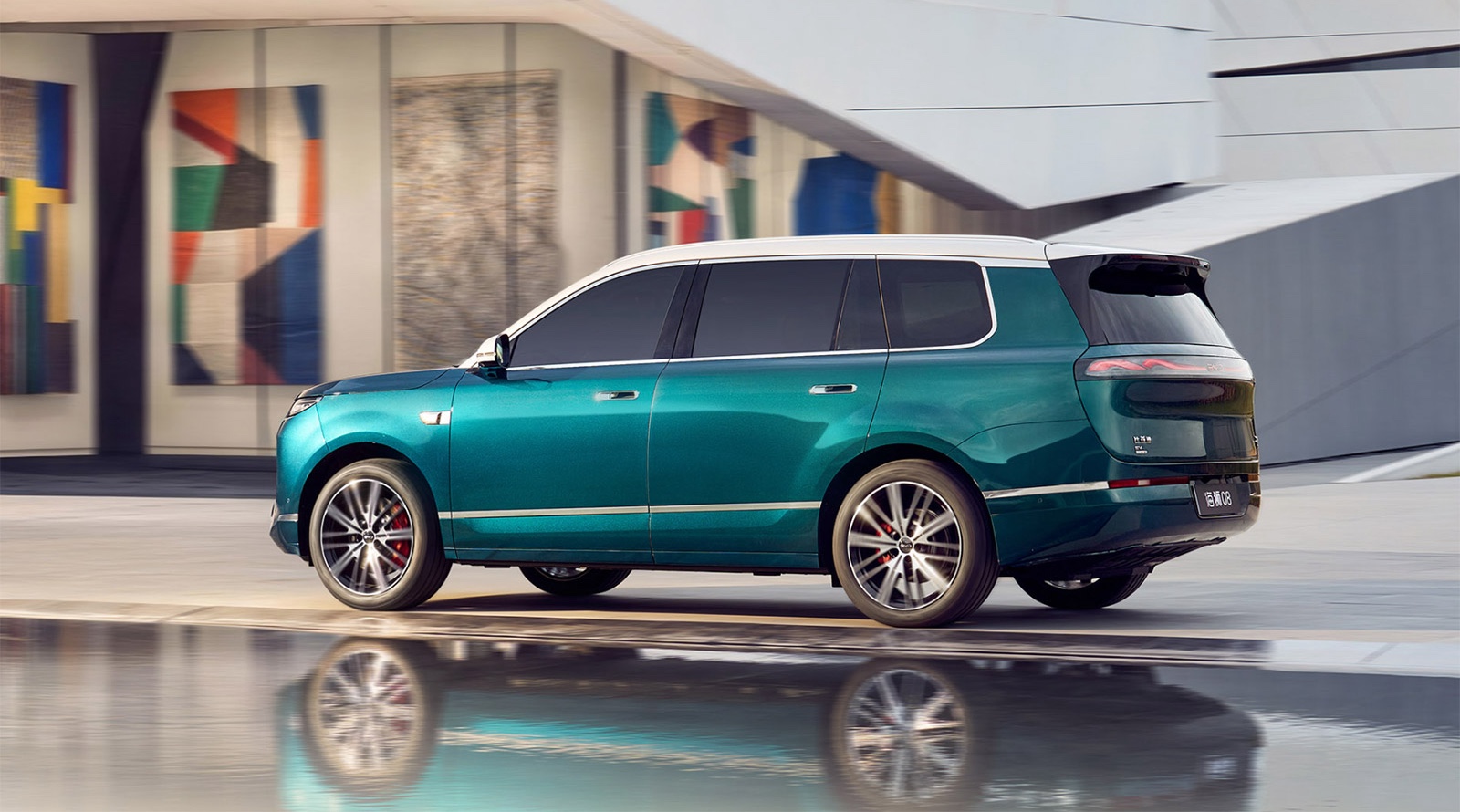
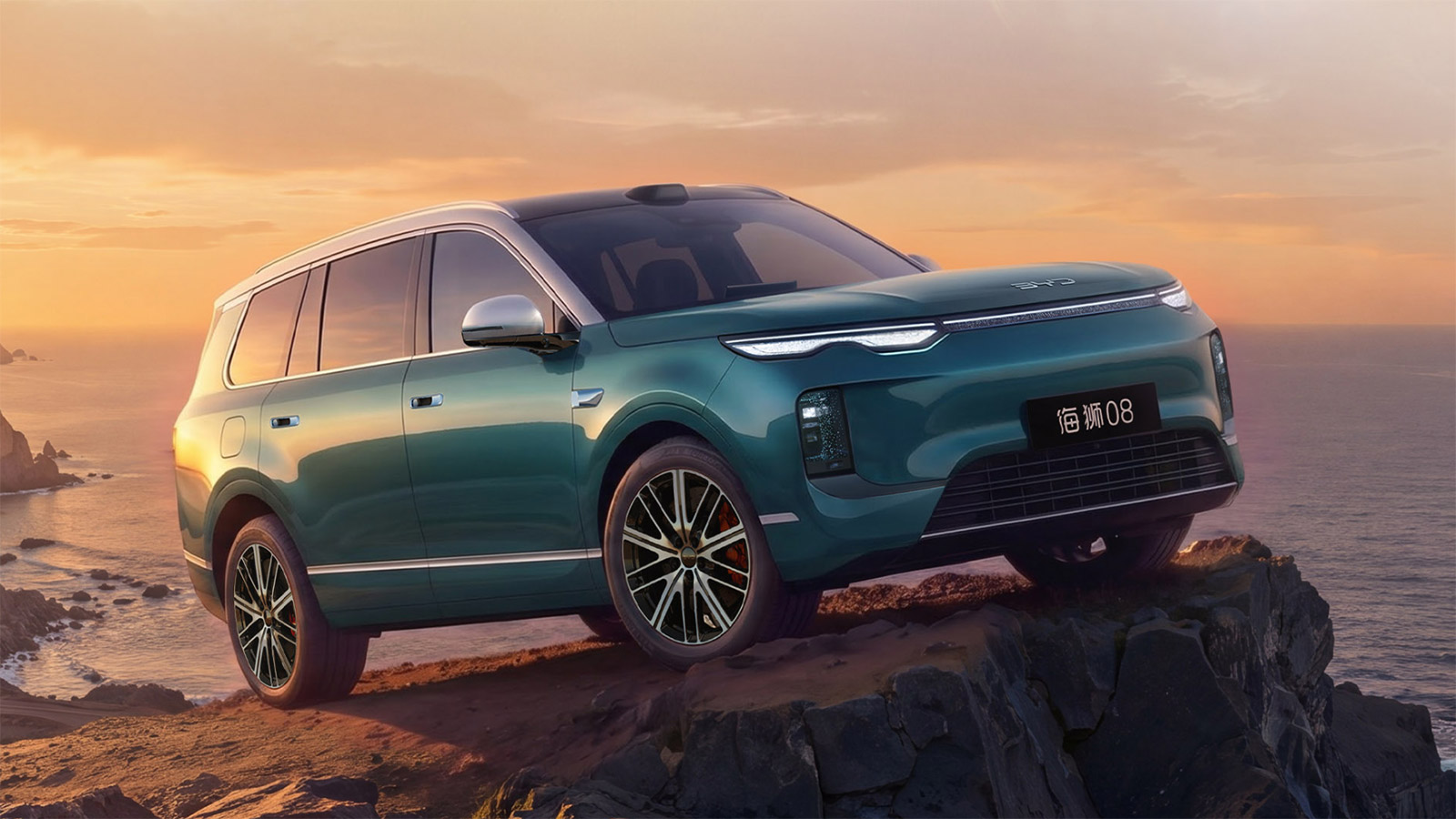
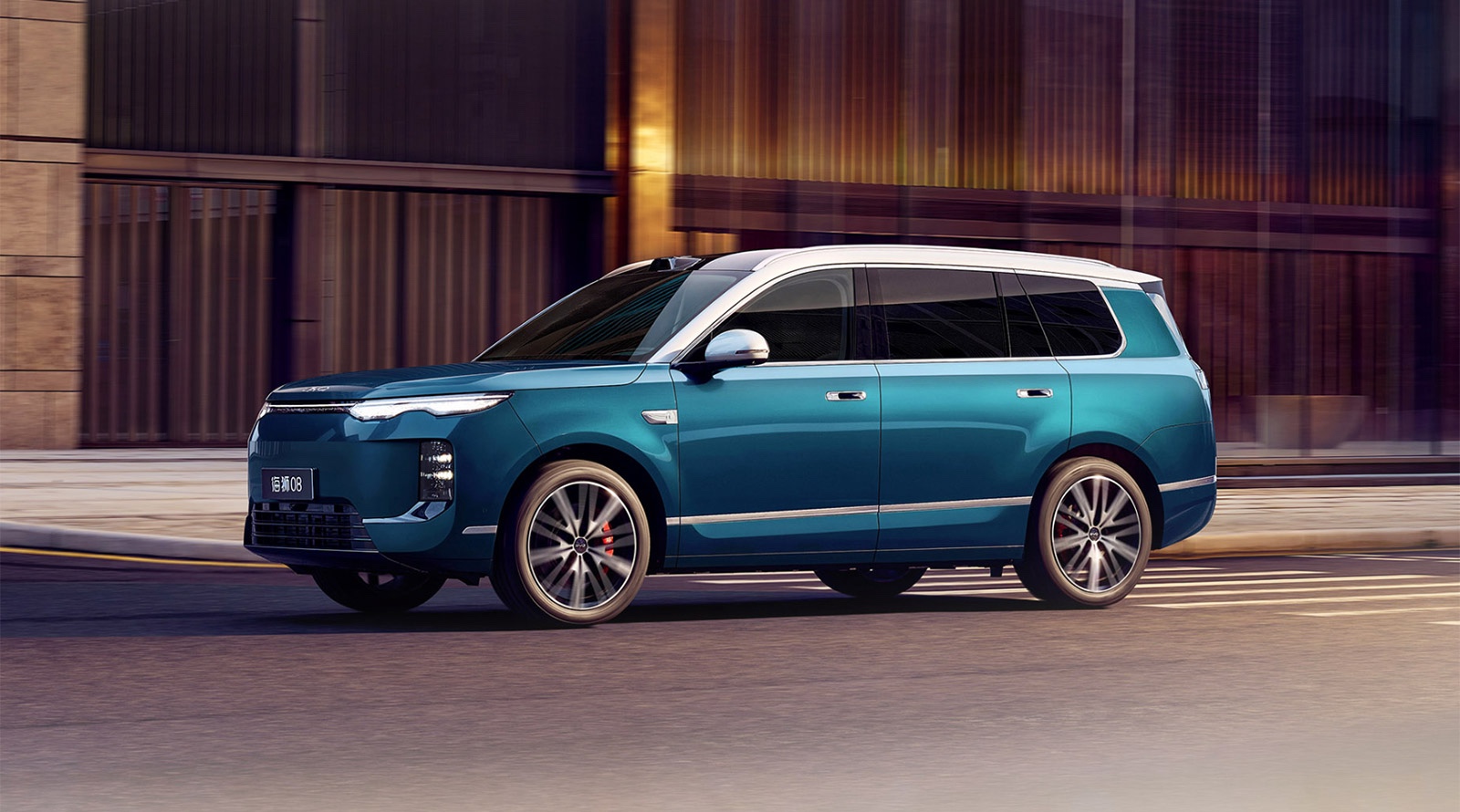
The centerpiece of this late-year offensive is the newly unveiled BYD Sealion 08, a technologically advanced, spacious flagship SUV designed to anchor the company’s popular "Ocean" lineup. Offering both battery-electric vehicle (BEV) and plug-in hybrid electric vehicle (PHEV) powertrains across eight distinct variations, the Sealion 08 breaks new ground in range, ultra-fast charging capabilities, and high-end interior luxury—all at aggressive price points.
Simultaneously, BYD is reinforcing its manufacturing independence through its semiconductor division. By moving into the mass production of its proprietary 4D millimeter-wave radar chip, BYD is tackling one of the most stubborn perception bottlenecks in autonomous driving systems. Built on an advanced 28-nanometer automotive-grade process, this new hardware works in tandem with the company’s proprietary Xuanji A3 smart-driving chip to power the sophisticated "God’s Eye B" driver-assistance ecosystem. Together, the Sealion 08 and these in-house technological breakthroughs underline BYD’s relentless pace of innovation as it aims to turn 2026 into a definitive growth year.
Detailed Chronology: Turning the Tide in 2026
To understand BYD’s current positioning, it is necessary to examine the trajectory of its sales performance over the course of 2026. After experiencing a robust foundation built on massive global volume in previous years, BYD encountered unexpected headwinds in mid-2026. A combination of macroeconomic pressures, aggressive domestic pricing wars in China, and tightening regional trade policies created a deep hole in year-over-year sales comparisons. For several months, the automaker struggled to maintain the exponential growth rates investors had grown accustomed to seeing quarter after quarter.
However, recent indicators signal a dramatic shift. A surge in battery-electric passenger vehicle sales during August served as a pivotal turning point. This notable rebound nearly dragged BYD’s overall passenger vehicle sales back into positive territory on a year-over-year basis, proving that consumer demand for the brand’s core offerings remains exceptionally strong when paired with fresh product iterations.
Recognizing that momentum must be aggressively capitalized upon to salvage the annual growth ledger, BYD timed the introduction of the Sealion 08 to capture the critical fourth-quarter shopping window. By pairing this heavyweight vehicle release with strategic supply chain milestones—such as the scaling of its next-gen 4D radar chips—BYD is executing a textbook recovery playbook. The company is actively shifting market attention away from temporary sales dips and toward its long-term technological supremacy.
Supporting Context & Metrics: The BYD Sealion 08 Deep Dive
The BYD Sealion 08 is not merely a new vehicle entry; it is a masterclass in aggressive packaging, pricing, and performance metrics that challenges conventional automotive wisdom.

Pricing and Configurations
Positioned as the new crown jewel of the Ocean lineup, the Sealion 08 is available in an impressive eight distinct variations, accommodating both five- and six-seat layouts. Despite its substantial footprint as a large family SUV, the pricing structure is remarkably disruptive. Market entry starts at just 229,900 yuan (approximately $34,216 USD) and climbs to 279,900 yuan ($41,657 USD) for top-tier trims.
Powertrain and Astounding Range Specs
Perhaps the most staggering aspect of the Sealion 08 lies in its range capabilities across both powertrain options, challenging the limits of modern battery chemistry:
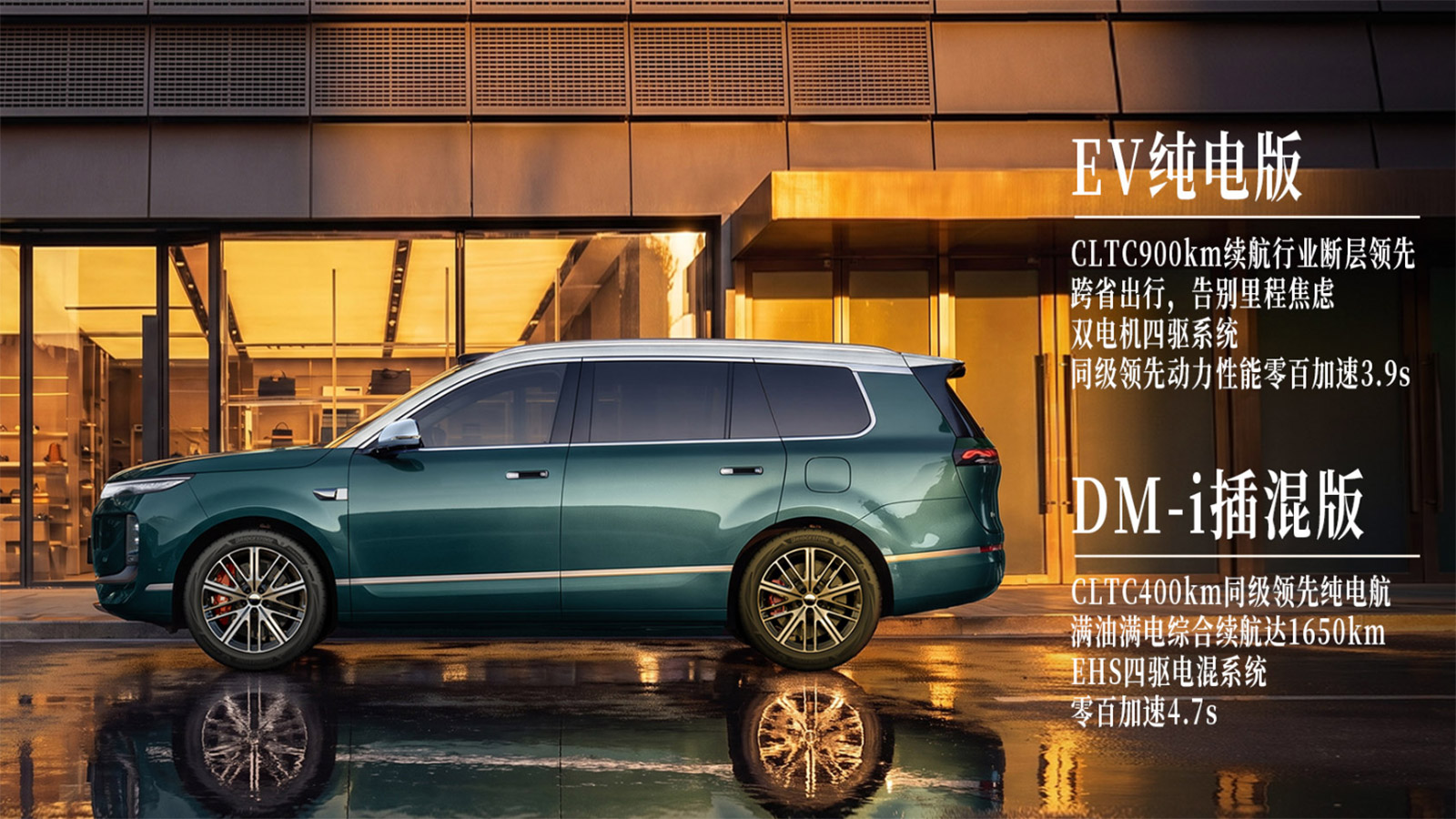
- PHEV (DM-i) Variants: Plug-in hybrid variants frequently compromise on all-electric range in favor of a fuel-burning backup engine. The Sealion 08 shatters this paradigm. Rear-wheel-drive PHEV versions deliver an astonishing 400 kilometers (249 miles) of pure electric range, while all-wheel-drive configurations offer 350 kilometers (217 miles). To put this in perspective, these PHEV electric ranges eclipse the maximum range of many older generation, dedicated battery-electric vehicles still operating on our roads today.
- BEV Variants: For buyers opting for the fully electric models—priced between 239,900 yuan ($35,704 USD) and 279,900 yuan ($41,657 USD)—the range figures scale to monumental heights. The configurations boast rated ranges of 900 kilometers (559 miles) and 800 kilometers (497 miles) respectively, providing immense long-distance touring capability at a price point well under $36,000.
Disruptive Charging Speeds
Equipped with BYD’s second-generation Blade Battery and signature "flash charge" architecture, the Sealion 08 redefines refueling convenience. The vehicle supports charging speeds that drop refueling times to negligible windows: replenishing the battery from 10% to 70% takes a mere 5 minutes, while a charge from 10% to 97% is accomplished in just 9 minutes. This eliminates lingering range and charging anxieties, directly confronting the primary consumer barriers to EV adoption.
Interior Luxury and Advanced UI
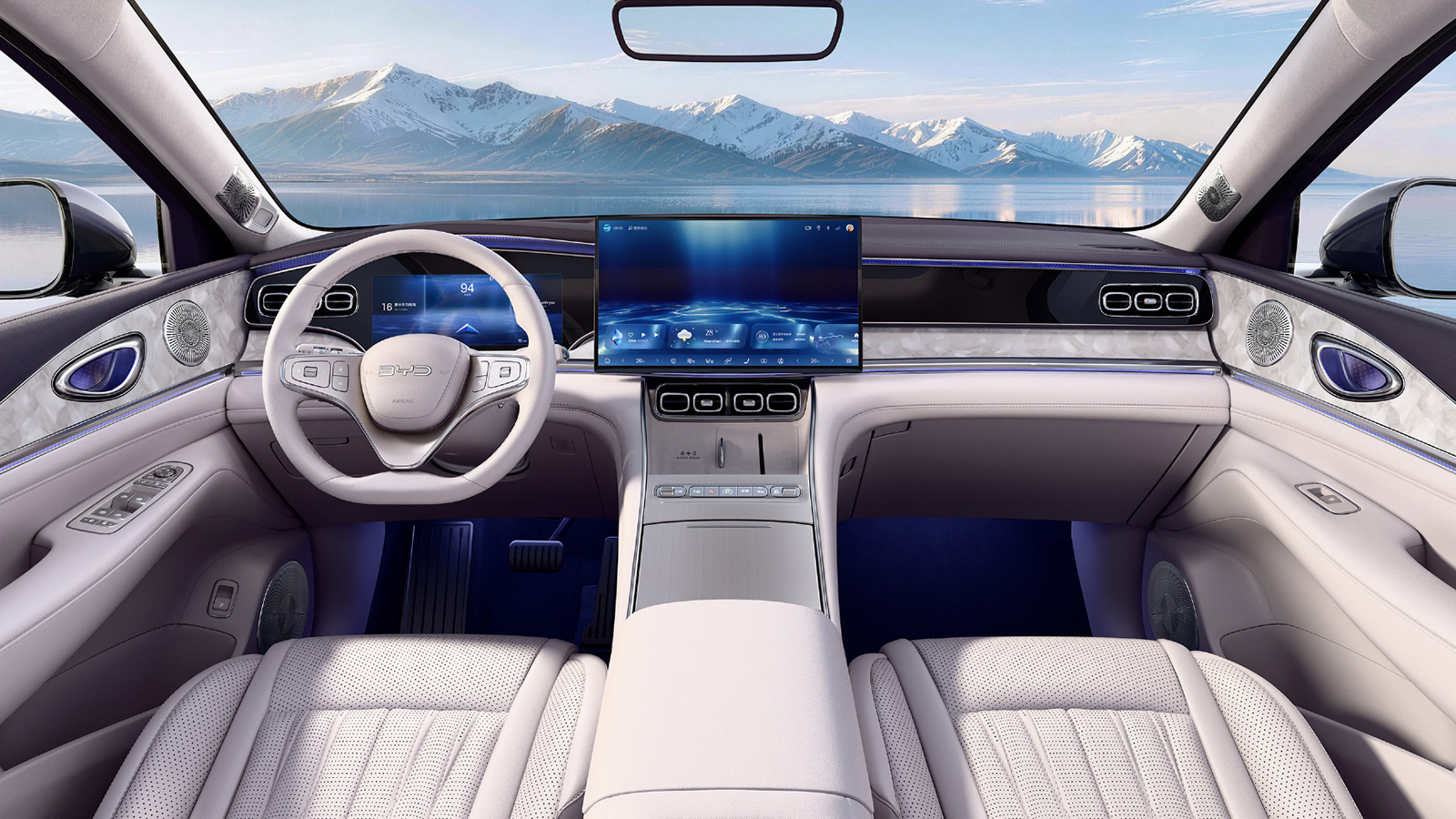
The cabin of the Sealion 08 matches its mechanical prowess with state-of-the-art digital architecture and supreme comfort. Passengers are treated to:
- A massive 26-inch head-up display (HUD) featuring augmented reality (AR) integration.
- An expansive rear entertainment screen system.
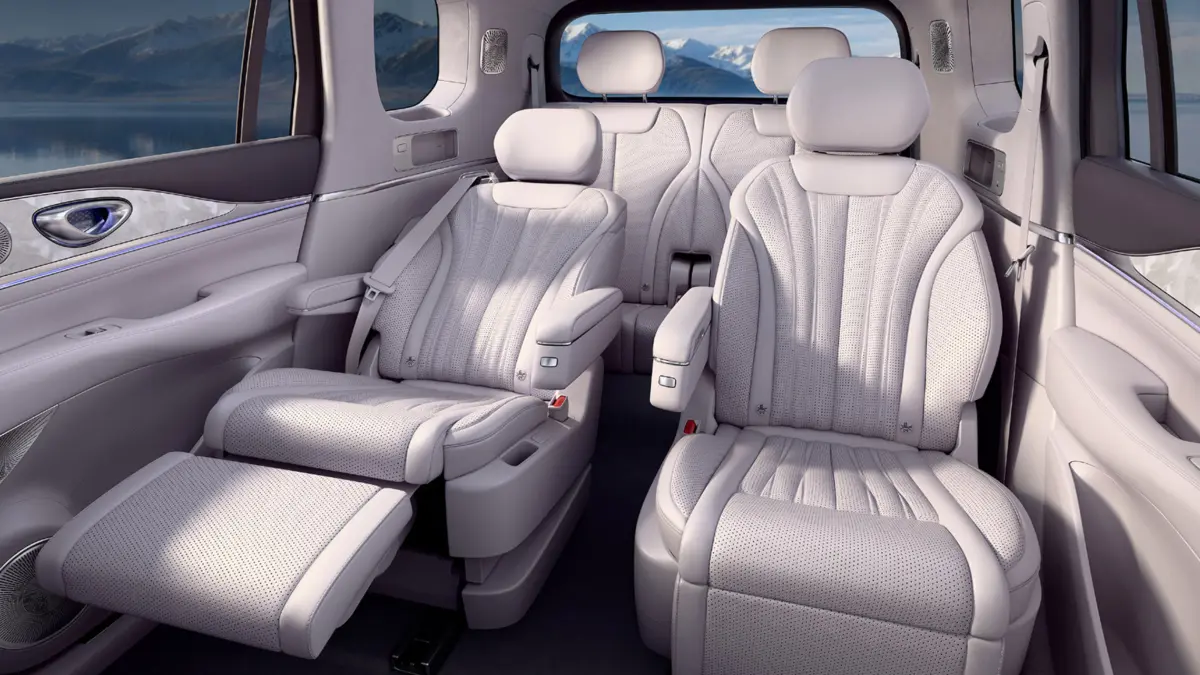
- Ultra-plush, highly adjustable reclining seats in the second row designed for executive-level comfort on long journeys.
- Integration with BYD’s advanced God’s Eye B driver-assistance system, providing near-fully autonomous driving capabilities.
Official Statements & Technological Breakthrough: In-House 4D Radar Chip
While vehicle assembly captures headlines, BYD’s unmatched vertical integration remains its ultimate competitive moat. BYD Semiconductor—a division whose expansive capabilities often fly under the general public’s radar—has achieved a major milestone by moving into mass production for a next-generation 4D millimeter-wave radar chip.

Traditional millimeter-wave radar systems have long suffered from a critical limitation: a lack of elevation-angle data. This blind spot restricts their effectiveness in complex urban environments, creating a significant perception bottleneck for advanced driver-assistance systems (ADAS) that rely on precision mapping of vertical space, such as overpasses, hanging signs, and roadside debris.
Industry analysis and summaries from outlets like CnEVPost highlight the architectural sophistication of BYD’s new solution:

"The chip uses a satellite architecture centered on BYD’s in-house developed Xuanji A3 smart-driving chip… The new chip is built on a 28-nanometer automotive-grade process and designed for high-resolution radar systems. It features a high-speed MIPI CSI-2 interface and supports several mainstream serializers/deserializers (SerDes), allowing it to connect with widely used smart-driving chip platforms."
BYD Semiconductor’s performance specifications for the new hardware underline a massive leap forward in perception capabilities:
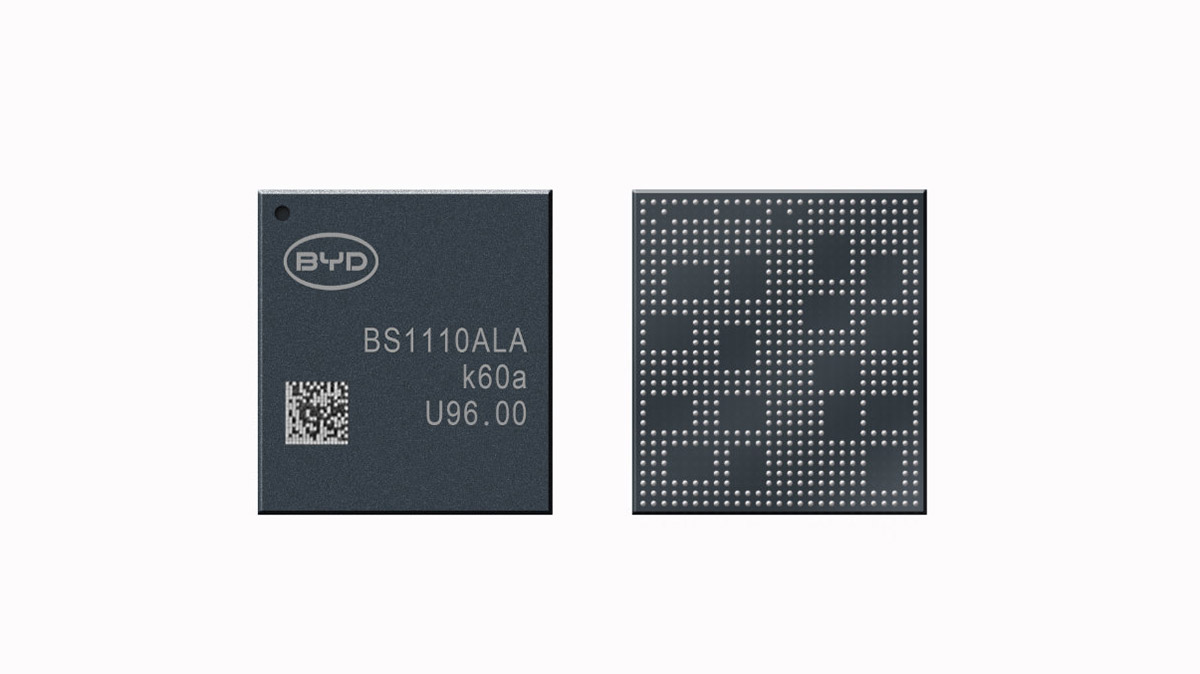
- Stable detection range: Exceeding 400 meters.
- Horizontal angular resolution: 0.8 degrees.
- Parking-grade range resolution: 0.05 meters.
By designing, developing, and manufacturing these critical silicon components in-house, BYD shields itself from external supply chain shocks, reduces production costs, and accelerates the deployment of high-tier autonomous driving features across its vehicle lineup.
Future Outlook
As 2026 enters its final stretch, the introduction of the Sealion 08 and the scaling of proprietary semiconductor tech like the 4D radar chip demonstrate that BYD is navigating its recent sales challenges with aggressive innovation. The company’s unique blend of hyper-vertical integration, staggering battery range, disruptive pricing, and ultra-fast flash charging creates a formidable value proposition that few global competitors can match.

The core question facing the automaker is whether these technological and product marvels can successfully offset the early-year sales sluggishness to secure full-year growth. Given the market response to models packed with features like the God’s Eye B autonomous system, a 26-inch AR HUD, and 900 km of range at sub-$36,000 price points, the odds heavily favor BYD. As the company charges into the future, it continues to set the benchmark for what modern, accessible electric mobility can achieve on a global scale.