









Executive Overview
The recreational boating community has been issued an urgent, high-priority safety reminder regarding the absolute necessity of wearing personal flotation devices (PFDs). This advisory stems directly from a comprehensive official marine safety investigation into a catastrophic accident involving the rigid inflatable boat (RIB) Peaky Blinder. On August 14, 2025, the vessel violently collided with a navigation beacon situated within the bustling waters of Portsmouth Harbour, England. The high-impact allision resulted in two tragic fatalities, sending shockwaves through the local maritime community and prompting intense scrutiny of safety protocols among leisure and recreational mariners.
In response to the tragedy, maritime safety authorities have released a dedicated safety flyer alongside the full, formal investigation report. This publication is meticulously designed to dissect the contributing factors of the disaster and disseminate critical risk-mitigation strategies to anyone operating small powercraft, tenders, or high-speed ribs. The core message of the initiative is unambiguous: while modern recreational boats offer high performance and accessibility, the margin for error on the water is vanishingly thin, and standard safety equipment—most notably properly fitted PFDs—remains the single most effective defense against drowning when accidents occur.
This comprehensive report examines the background of the Portsmouth Harbour incident, details the findings of the marine investigation, explores broader safety metrics within the recreational boating sector, and outlines the urgent push for cultural change regarding lifejacket usage among leisure skippers.

Detailed Chronology and Incident Analysis
The events of August 14, 2025, unfolded in the heavily trafficked and navigationally complex waters of Portsmouth Harbour, a premier hub for both commercial shipping and recreational marine activity on the south coast of England.
The Journey and the Vessel
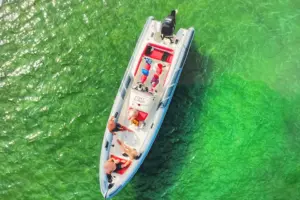
The vessel involved, the Peaky Blinder, was a high-performance rigid inflatable boat (RIB). RIBs are exceptionally popular within the recreational and commercial sectors due to their speed, agility, and buoyancy. However, their high power-to-weight ratio and capability to maintain significant velocity in choppy waters demand a high degree of seamanship, situational awareness, and strict adherence to local navigation rules.
On the day of the incident, environmental conditions, visibility, and tidal streams presented a standard operational backdrop for the harbour. Yet, as the Peaky Blinder navigated the complex network of channels, commercial berths, and permanent navigational structures that characterize Portsmouth Harbour, a catastrophic breakdown in navigation or vessel control occurred.
The Allision with the Navigation Beacon
At speed, the Peaky Blinder collided directly with a fixed navigation beacon—a stationary, heavy-duty marine structure designed to mark safe water channels for vessels of all sizes. In maritime terminology, a collision involves two moving objects, whereas an allision specifically refers to a moving vessel striking a stationary object.
The kinetic energy involved in the impact was immense. Rigid inflatable boats, despite their inflatable collars, offer very little structural protection to occupants during a high-speed dead-stop collision. Upon striking the unyielding steel and concrete structure of the beacon, the deceleration forces were catastrophic.
The Fatal Sequence
Investigators established that the force of the impact violently ejected the occupants from the vessel into the water. In high-speed marine accidents, occupant ejection is a primary driver of severe injury and fatality. Even if individuals survive the initial blunt-force trauma of a collision, the subsequent immersion in water—often compounded by disorientation, injury, or cold-water shock—presents an immediate, life-threatening hazard.
In the case of the Peaky Blinder, the two individuals who lost their lives entered the water incapacitated or unable to secure adequate buoyancy. The tragedy underscores a grim statistic long recognized by maritime rescue coordination centers: the vast majority of drowning victims in recreational boating accidents were not wearing a personal flotation device at the moment they entered the water, even when lifejackets were stowed somewhere onboard the vessel.
Supporting Context and Metrics: The Perils of Recreational Boating
To fully understand the gravity of the safety flyer issued in the wake of the Peaky Blinder disaster, it is necessary to examine the broader context of maritime safety, recreational vessel usage, and historical accident data.
The Rise of High-Performance RIBs
Over the past two decades, the recreational marine market has seen a massive surge in the ownership and operation of high-powered RIBs. Once restricted primarily to commercial operators, sailing clubs, and search-and-rescue organizations, modern RIBs are now widely owned by leisure boaters seeking thrills, family days out, or efficient coastal cruising.
These vessels are capable of speeds well in excess of 30 or 40 knots. Operating a craft at these speeds requires specialized training, deep familiarity with local waters, and continuous hazard scanning. Unfortunately, because many RIBs can be purchased and operated without mandatory licensing or formal competency certifications in many jurisdictions, a significant skills gap often exists among leisure skippers.
The Psychology of PFD Non-Compliance
Despite decades of safety campaigns by agencies such as the Royal National Lifeboat Institution (RNLI) and the Maritime and Coastguard Agency (MCA), complacency regarding personal flotation devices remains a persistent issue in the recreational boating community. Common rationales for not wearing PFDs include:
- Perceived Comfort Issues: Some boaters find traditional lifejackets bulky, hot, or restrictive during warm weather.
- Overconfidence: Experienced swimmers and seasoned mariners often harbor the dangerous misconception that they can handle unexpected immersion without assistance.
- Aesthetics and Convenience: Leisure boaters frequently prioritize casual clothing or sunbathing comfort over safety gear, stowing lifejackets in lockers where they are entirely inaccessible during a sudden, unexpected emergency.
The Science of Cold Water Shock and Immersion
Even during the warm summer months of August, UK waters present significant physiological challenges upon sudden immersion. Cold water shock triggers an involuntary gasp reflex, hyperventilation, and a rapid spike in blood pressure and heart rate. If a person is unequipped with a PFD, the sheer panic and physiological shock can lead to drowning within seconds or minutes—long before hypothermia sets in. A properly fitted lifejacket or buoyancy aid keeps the airway clear of the water automatically, granting the victim precious time to be rescued.
Official Statements and Regulatory Findings
The formal investigation report into the Peaky Blinder allision provides a sobering technical breakdown of how and why the tragedy occurred, while the accompanying safety flyer translates those technical findings into actionable lessons for the wider boating public.
Key Findings from the Investigation Report
While the full report explores the exact navigational, human, and environmental factors leading up to the crash, the overarching conclusion points to a critical failure in maintaining safe speed and effective lookout near fixed marine hazards. Portsmouth Harbour is a dynamic environment governed by strict speed limits, Harbour Master directives, and dense commercial traffic. Navigating this space demands total concentration from the helm.
Furthermore, the investigation highlights the survivability aspect of the accident. The absence of worn PFDs transformed what might have been a survivable ejection or non-fatal collision into an unrecoverable double fatality.
Core Takeaways from the Safety Flyer
The newly published safety flyer encapsulates these hard lessons into a clear, accessible format aimed directly at recreational skippers and crew members. Key safety considerations highlighted in the document include:
- Mandatory PFD Wear Policies: Skippers are urged to establish a strict "wear it always" policy onboard, ensuring that every person on deck wears a properly fitted, serviceable personal flotation device or lifejacket at all times while the vessel is underway, regardless of weather conditions or perceived swimming ability.
- Speed Management and Situational Awareness: The flyer reiterates the extreme risks associated with operating high-speed craft in congested or hazard-strewn waters. Maintaining a safe speed that allows adequate time to react to unexpected obstacles—such as navigation markers, mooring buoys, or other vessels—is non-negotiable.
- Pre-Departure Briefings: Just as commercial aviation passengers receive safety briefings, recreational skippers are encouraged to brief their crew on emergency procedures, man-overboard protocols, kill-cord usage, and the location and operation of safety gear before casting off.
- Kill-Cord Compliance: For open powerboats and RIBs, the engine kill-cord is a vital safety device designed to stop the engine immediately if the helm is thrown or displaced. The flyer reinforces the rule that the kill-cord must be physically attached to the driver’s leg or wrist at all times the engine is running.
Future Outlook: Fostering a Culture of Safety on the Water
The tragic loss of life aboard the Peaky Blinder serves as a painful reminder that the sea demands respect, preparation, and unwavering vigilance. As maritime authorities release these critical safety documents, the overarching goal is to catalyze a lasting cultural shift within the recreational boating community.
Moving Beyond Compliance to Active Safety Culture
Historically, safety regulations in the leisure marine sector have leaned heavily on voluntary compliance rather than draconian enforcement. While this preserves the freedom and enjoyment associated with recreational boating, it places a heavy burden of responsibility on individual skippers.
Industry experts and safety advocates argue that true progress will only be achieved when wearing a lifejacket becomes as automatic and unquestioned as fastening a seatbelt in an automobile. Peer pressure and social norms within boating clubs and groups must evolve so that failing to wear a PFD is recognized not as a personal choice, but as an unacceptable safety hazard.
Educational Outreach and Accessibility
To support this cultural evolution, safety agencies are working to ensure that educational materials are easily accessible to all water users. The newly published printable PDF safety flyer regarding the Peaky Blinder incident has been made widely available online for download. Recognizing the diverse needs of the marine community, authorities have also provided direct channels for individuals utilizing assistive technologies to request accessible formats via email at [email protected].
Conclusion
The lessons of the Peaky Blinder allision must not be forgotten as new generations take to the helm of recreational watercraft. By internalizing the hard-won insights of the marine accident investigation, respecting the inherent dangers of high-speed navigation, and making the non-negotiable choice to wear personal flotation devices, the recreational boating community can honor the memory of those lost in Portsmouth Harbour and work toward a future where every day on the water ends safely at the dock.