



Executive Overview
As the warm months of the summer season descend upon the rugged coast of Maine, the operations of Casco Bay Lines (CBL) shift into high gear. Serving as a vital maritime bridge between the mainland of Portland and the sprawling network of islands in Casco Bay, the regional transit authority relies heavily on an intricate web of logistics, maritime coordination, and dedicated personnel. While captains steer the vessels through fog and tide, it is the deckhands and shoreside logistical teams who ensure the daily heartbeat of the bay remains strong.
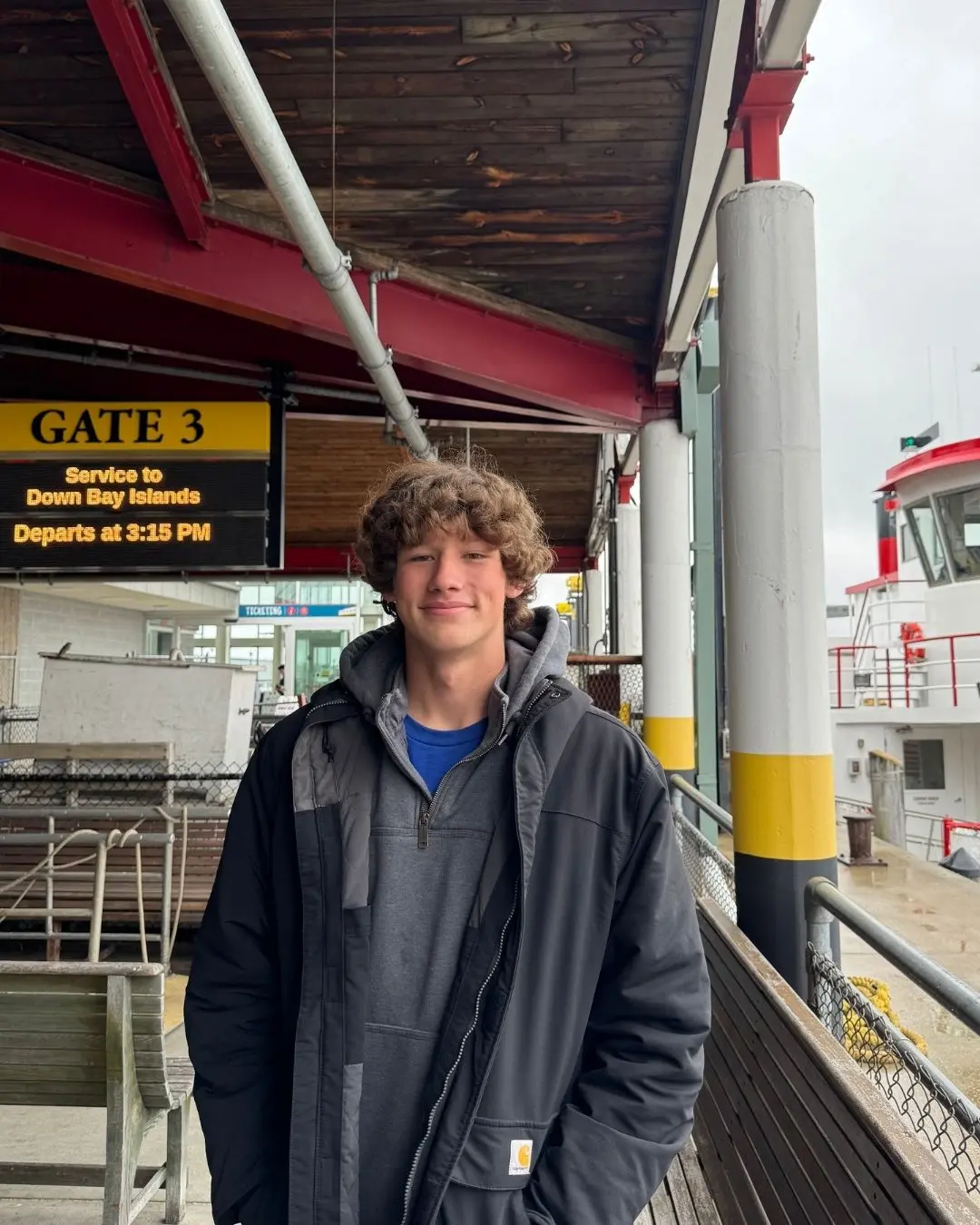
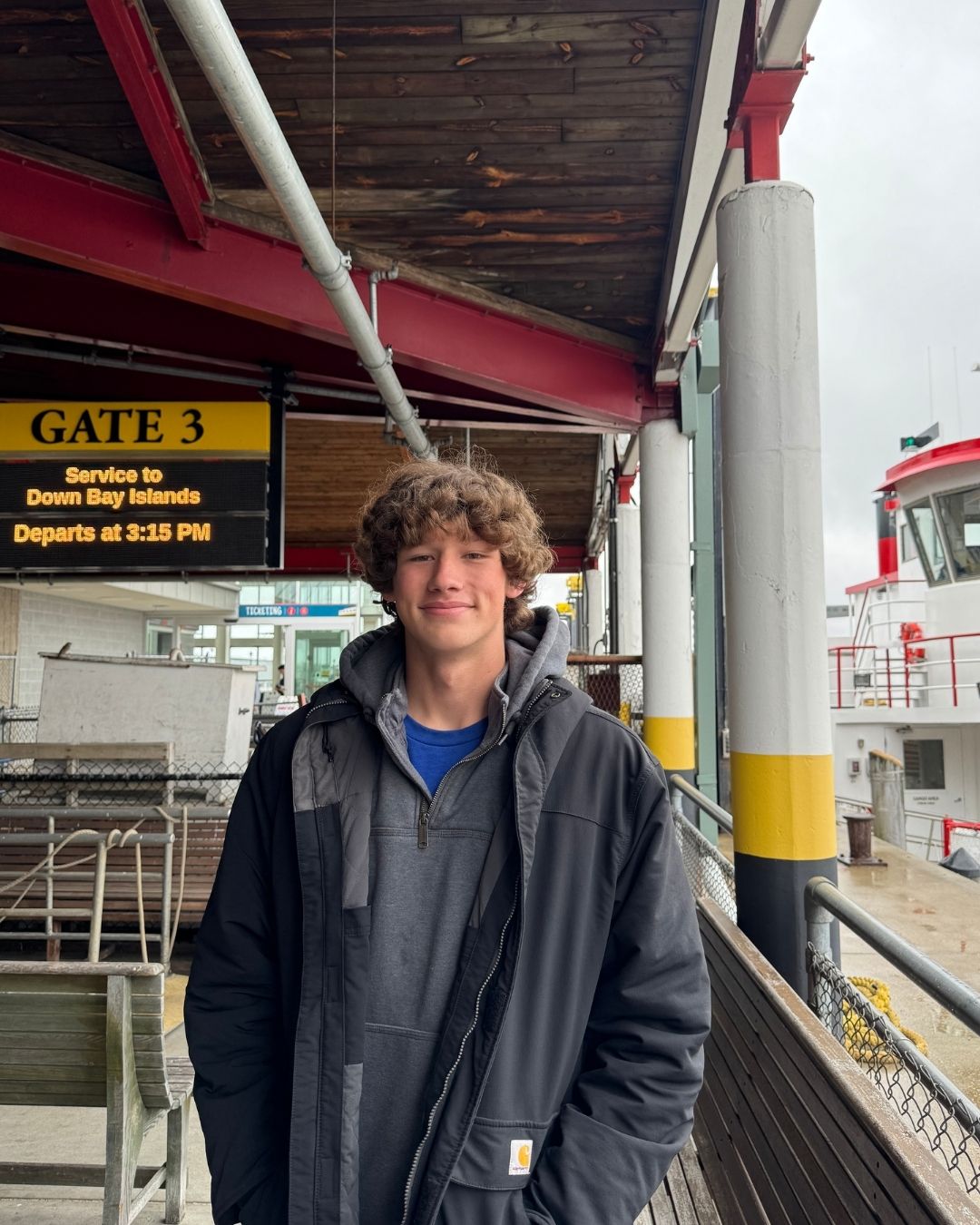
At the center of this bustling summer operation is 19-year-old Camden Zsiga. Currently marking his fourth summer with Casco Bay Lines and his second consecutive season serving as a deckhand, Zsiga represents a growing demographic of ambitious young professionals who choose the demanding, rewarding life of maritime trade over traditional indoor summer employment. Balancing his collegiate pursuits at the College of Charleston, his responsibilities as a Call Company Firefighter with the Scarborough Fire Department, and the grueling physical demands of deckhand duties, Zsiga offers a unique vantage point into the inner workings of one of Maine’s most essential public utilities.
This in-depth feature explores the day-to-day realities of Casco Bay Lines through the eyes of a veteran seasonal worker, examining the logistics of island supply chains, the socio-economic importance of the ferry system to year-round island residents, and the unique pathways that draw local youth into the maritime industry.

Detailed Chronology: From Shoreside Freight to Open-Water Deckhand
The journey of a modern maritime worker is rarely linear. For Zsiga, the pathway to becoming an experienced deckhand on the busy Casco Bay ferries began deeply rooted in regional connections and early vocational exposure.
Roots in the Community
Born in Portland and raised in the neighboring coastal town of Scarborough, Zsiga graduated from Scarborough High School. His introduction to Casco Bay Lines was facilitated by familial ties and geographic proximity. "My dad is a firefighter on Peaks Island, so that’s how I first got my foot in the door," Zsiga explains. "A lot of people who work here have some kind of connection to the islands, and I think that’s one of the things that makes this place special."
This generational and community-based recruitment model has long defined Casco Bay Lines. Rather than drawing exclusively from anonymous labor pools, the organization frequently relies on local networks where work ethic, reliability, and community accountability are established commodities.
The Shoreside Initiation
Zsiga did not step immediately onto the decks of passenger ferries. At the age of 16, his career with CBL commenced in the intensely physical shoreside freight department. Operating behind the scenes, the freight crew is responsible for receiving, organizing, and staging an eclectic assortment of goods destined for the islands.
"We’d take everything from luggage and groceries to commercial deliveries and large items heading out to the islands," Zsiga recalls. "We’d organize everything and load it onto the boats for the deckhands to deliver."
This foundational period in the freight yard provided Zsiga with an invaluable macro-perspective of the operation. By understanding how cargo is received, cataloged, and staged on the pier, he developed a spatial and operational awareness that later informed his work out on the water. Having now trained extensively on both sides of the operation—shoreside freight handling and open-water deckhand duties—Zsiga possesses a comprehensive skill set that optimizes his efficiency on active vessels.
Transition to Collegiate Life and Public Service
Following his high school graduation, Zsiga matriculated at the College of Charleston in South Carolina, where he is currently pursuing a degree in business administration. However, despite the geographic distance and the allure of southern climates, his ties to Maine remain unbroken. Every summer, he returns north to don his work boots and rejoin the Casco Bay Lines crew.
Simultaneously, Zsiga has cultivated a parallel commitment to public safety. Since the age of 15, he has been involved with the Scarborough Fire Department through their Explorer Program. Today, he serves as a Call Company Firefighter while actively working toward securing his Emergency Medical Technician (EMT) certification. The discipline, situational awareness, and physical endurance required in firefighting translate seamlessly to the high-stakes, safety-critical environment of a commercial ferry deck.
Supporting Context & Metrics: The Lifeline of Casco Bay
To truly appreciate the responsibilities shouldered by deckhands like Zsiga, one must understand the sheer scale and economic significance of the Casco Bay Lines operation.
The Islands and Their Lifeline
While tourists frequently utilize Casco Bay Lines during the peak summer tourism season for scenic cruises, excursions, and recreational getaways, the system functions primarily as an essential mass transit and freight infrastructure for year-round island communities. The network services a series of prominent islands within Casco Bay, including:
- Peaks Island
- Little Diamond Island
- Great Diamond Island and Diamond Cove
- Long Island
- Cliff Island
- Chebeague Island
For the permanent residents of these islands, the ferry system is not a luxury; it is the fundamental infrastructure required for modern survival. It dictates how children reach mainland schools, how emergency services coordinate patient transfers, how commercial enterprises receive inventory, and how workers commute to employment centers in Portland.
The Mechanics of a Deckhand’s Daily Shift
A typical day for a Casco Bay Lines deckhand is dictated by rigorous scheduling and relentless physical activity. Depending on the assigned vessel and route, crew members arrive anywhere from 30 minutes to an hour and a half prior to departure.
- Pre-Departure Preparation: The crew boards the vessel, conducts preliminary safety and operational checks, coordinates strategy with the captain, and handles mooring lines.
- Cargo and Freight Operations: Utilizing specialized equipment—including platform carts, heavy-duty cargo cages, and shoreside cranes—deckhands maneuver complex loads onto the vessel. On dedicated freight runs, the management of space is paramount.
- Passenger Management: Simultaneously, deckhands facilitate safe boarding procedures, assisting passengers with luggage, bicycles, and strollers, while maintaining ADA compliance and crowd control.
- Underway Execution: Once the vessel is underway, the labor does not cease. Crew members constantly cycle through unloading freight at intermediate stops, securing shifting cargo against marine swells, assisting travelers, and preparing the vessel’s documentation and physical setup for the subsequent port of call.
The Spatial Puzzle: Cargo Logistics
One of the most complex elements of the deckhand role is cargo stowage. Unlike traditional cargo vessels with standardized container dimensions, Casco Bay ferry cargo is entirely heterogeneous. A single sailing might incorporate fresh produce crates for an island grocer, construction materials for a residential renovation, household furniture, mail parcels, and personal luggage.
"You’ve got freight going to multiple islands, different-sized cargo, and limited space," Zsiga notes. "You have to think ahead and load things in a way that makes unloading efficient later on. It takes practice, but I enjoy that part of it. I like having to solve problems and figure things out."
Official Statements and Operational Perspectives
The unique culture of Casco Bay Lines is frequently cited by its employees as the primary driver behind high staff retention rates and multi-season commitments from seasonal workers.
The Appeal of Outdoor, Hands-On Labor
In an era where younger generations are increasingly funneled toward sedentary desk jobs or digital-first careers, maritime operations offer a stark, refreshing alternative. For Zsiga, the physical and outdoor nature of the work is non-negotiable.
"This company is really, really great. Being an 18-year-old and getting to work on the water is pretty unmatched," Zsiga states. "I’m not the type who wants to be inside working in the food industry or an office. If I can work with my hands and be outside all summer long, I’m completely happy and content."
This sentiment underscores a broader trend within maritime trades: young professionals seeking tangible, immediate results from their labor. Whether securing a massive freight cage or casting off a heavy hawser line, the output of a deckhand’s work is instantly visible and physically demanding.
A Family-Style Workplace Culture
Beyond the physical environment, the socio-emotional fabric of Casco Bay Lines plays a crucial role in staff satisfaction. Operating in a marine environment requires absolute trust among crew members. Safety protocols, emergency responses, and efficient dockings rely on seamless, non-verbal communication and mutual reliance.
"Everyone here is great. It’s a big community. Everyone looks out for each other, and over the years I’ve built a lot of friendships here," Zsiga reflects. "It really feels like one big family."
Bridging the Gap Between Visitors and Locals
Interpersonal communication constitutes a major component of a deckhand’s daily duties. While managing the logistical flow of the vessel, crew members frequently interact with diverse demographics—from seasoned island commuters to wide-eyed tourists exploring the coast of Maine for the first time.
"I love meeting passengers and hearing their stories," Zsiga shares. "Sometimes I’ll walk around the boat and have a chat with someone who may have binoculars out, find out what their story is and what they’re interested in."
Furthermore, deckhands often absorb the deep historical and ecological lore of the region through their interactions with veteran captains. Forts, lighthouses, maritime hazards, and local folklore are passed down through mentorship, allowing crew members to enrich the travel experience for passengers by sharing these insights.
Future Outlook: Career Pathways and the Marine Industry
As Zsiga continues his education in business administration at the College of Charleston and advances his emergency medical training with the Scarborough Fire Department, his long-term career trajectory remains open-ended. However, the foundational skills acquired during his tenure at Casco Bay Lines—leadership, crisis management, logistical planning, and rigorous physical discipline—will undoubtedly serve as valuable assets in any future professional arena.
The Vitality of Maritime Recruitment
For organizations like Casco Bay Lines, attracting and retaining motivated young talent like Zsiga is critical to long-term sustainability. The marine transportation sector across the United States faces persistent labor challenges, particularly in securing certified deckhands, mates, and engineers. By fostering positive, community-oriented work environments and engaging local youth through family connections and flexible seasonal scheduling, regional transit authorities can successfully build robust talent pipelines.
The Changing Island Landscape
Looking forward, Casco Bay Lines continues to adapt to evolving environmental, demographic, and economic pressures. With year-round island populations experiencing demographic shifts and increasing housing costs, the reliability of the ferry network remains the single most important factor in maintaining island viability. The dedication of workers who understand the profound social weight of their jobs ensures that these communities will continue to thrive against the backdrop of the Atlantic.
Advice for Future Mariners
For young individuals contemplating a summer or career path within the maritime industry, Zsiga offers an unambiguous endorsement:
"I’d absolutely recommend it. If you enjoy being outdoors, working with your hands, meeting people, and being part of a team, it’s a great job. You learn responsibility, time management, problem-solving, and how to work hard. Every day feels rewarding, and you’re part of something that really matters to the island communities. For me, it’s been one of the best experiences I’ve had."
As the summer season progresses and the ferries continue their steady, rhythmic transits across the shimmering waters of Casco Bay, young professionals like Camden Zsiga stand ready at the rails—embodying the finest traditions of Maine’s maritime heritage while driving its operational future forward.