






Executive Overview
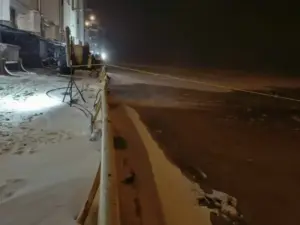
In the grey, biting chill of a December morning, the fragile boundary between the commercial mariner and the unforgiving power of the North Sea was once again brutally exposed. On December 20, 2025, the UK-registered creel fishing vessel Sea Eagle was discovered abandoned, its engine running and its hull hard aground on the desolate expanse of Inverbervie beach in Aberdeenshire, Scotland.
What followed was an intensive, multi-agency search and rescue operation that swept the turbulent coastal waters in a desperate race against time. Yet, the outcome was grimly familiar to those who monitor the safety of Britain’s inshore fleets: the skipper, operating the vessel entirely alone, was nowhere to be found. Presumed drowned after entering the water while the vessel was underway, his disappearance has sparked renewed urgency within the maritime community regarding the escalating dangers of single-handed commercial fishing.
According to Accident Investigation Report 18/2026, released by the Marine Accident Investigation Branch (MAIB), investigators were unable to pinpoint the exact sequence of mechanical or human-factor events that caused the skipper to slip beneath the waves. However, forensic analysis of the vessel’s layout, operational gear, and tracks painted a vivid picture of a lone fisherman grappling with a high-workload environment. At the time of the incident, the Sea Eagle was actively deploying and hauling two strings of creels—a demanding, high-risk physical routine where a split-second misstep can spell disaster.

Crucially, the MAIB report elected not to issue any new recommendations, not because the risks are negligible, but because the hazards identified are tragically well understood. The systemic vulnerabilities of lone-working mariners—ranging from the lack of immediate onboard assistance to the near-impossibility of self-recovery after falling overboard—remain persistent ghosts haunting the commercial fishing sector. This comprehensive review examines the mechanics of the Sea Eagle disaster, the inherent structural risks of single-handed creeling, the regulatory landscape governing maritime safety, and the broader cultural shifts required to protect those who harvest the sea.
Detailed Chronology: The Final Voyage of the Sea Eagle
While the exact timeline of the Sea Eagle‘s final hours involves elements of deduction pieced together by rescue coordinators and accident investigators, the broad strokes of the tragedy reveal a sobering narrative of a routine fishing trip gone awry.
Departure and Operations
The Sea Eagle was a modest, utilitarian creel fishing vessel—the kind of workhorse common to the rugged Scottish coastline, optimized for catching shellfish such as crabs and lobsters using baited pots (creels). On December 20, 2025, the vessel put to sea with a crew of one: the skipper. Operating a commercial fishing vessel single-handed is by no means illegal, but it inherently strips away the redundancy that a multi-person crew provides. Every task—from steering and engine management to hauling heavy ropes, clearing gear, and baiting pots—falls entirely upon a single set of hands.
On this particular day, the skipper was working two distinct strings of creels. In creel fishing, a "string" consists of multiple pots attached to a groundline, marked at either end by surface buoys and anchors. Hauling these strings requires the use of a mechanical hauler, a piece of powerful machinery that pulls the heavy, water-logged ropes and iron-framed creels up from the seabed. This phase of the operation is universally recognized as one of the most hazardous in commercial fishing. The combination of tensioned lines, rotating machinery, rolling seas, and the sheer weight of the gear creates an environment where a snagged foot, a loose sleeve, or an unexpected wave can drag a person overboard in less than a second.
The Grounding at Inverbervie
At some point while the vessel was underway and engaged in or transitioning between these operations, an event occurred that precipitated the skipper’s entry into the water. Without a crewmate to sound the alarm, cut the engine, or throw a life ring, the Sea Eagle was left to its own devices.
Unmanned and under power, the vessel drifted or steered toward the Scottish coast, eventually striking the shoreline and running hard aground on Inverbervie beach. The sight of a commercial fishing boat stranded and deserted quickly drew the attention of locals and coastal authorities, triggering an immediate alert.
The Search and Rescue Response
Emergency services mobilized rapidly following the discovery of the grounded craft. HM Coastguard coordination teams, local volunteer lifeboat crews from the Royal National Lifeboat Institution (RNLI), and Coastguard rescue teams were dispatched to the scene. Overhead, search and rescue helicopters battled challenging weather conditions to sweep the coastal waters, while shore teams scoured the rugged beaches and cliffs in the vicinity of Inverbervie.
Despite exhaustive efforts covering a wide maritime and terrestrial search grid, the skipper was not located. As hours turned into days, the operation transitioned from a rescue mission to a recovery search. Tragically, the evidence gathered by investigators left no room for optimism: the skipper had entered the North Sea while the vessel was underway, and the odds of survival in freezing winter waters without immediate immersion protection or rescue proved insurmountable.
Supporting Context & Metrics: The Perils of Single-Handed Fishing
To understand the tragedy of the Sea Eagle, one must examine the broader statistical and operational landscape of the UK fishing industry. Commercial fishing remains statistically the most dangerous civilian occupation in the United Kingdom, consistently recording fatality rates vastly higher than construction, agriculture, or general transport.
The Lone-Worker Epidemic
In recent decades, economic pressures, rising operational costs, and changes in stock availability have driven many independent fishermen to operate single-handedly. Working alone eliminates crew wages, which can mean the difference between a profitable season and financial ruin for small-scale operators. However, it transfers the economic burden directly onto personal safety.
When a fisherman works alone:
- There is no lookout: If the skipper is on deck hauling gear, no one is watching the helm or monitoring navigational hazards.
- There is no immediate rescue: A fall overboard that would be survivable with a prompt "man overboard" (MOB) maneuver by a crewmate becomes a fatal trap if the vessel steams away at several knots, leaving the swimmer behind in the open ocean.
- Fatigue is magnified: The physical and mental toll of managing a vessel and its fishing gear without relief leads to acute fatigue, impairing reaction times and decision-making capabilities.
The Mechanics of Man Overboard (MOB) in Creeling
The MAIB’s investigation into the Sea Eagle incident highlighted the specific hazards associated with working strings of creels. Creel lines are under immense tension as they are hauled from deep water. They can snag on seabed obstructions, catch on clothing or footwear, or whip violently if a knot jams or a pot breaks free.

Furthermore, the process of recovering someone who has fallen overboard from a small, single-handed vessel is exceptionally difficult, if not entirely impossible. Consider the physics:
- The vessel is moving: If the autopilot is engaged or the throttle is set, the boat continues forward. Even if the engine stalls or the vessel circles, catching up to a person swimming in heavy clothing and choppy seas is exceedingly difficult.
- Re-boarding barriers: Most small fishing vessels lack low-freeboard rescue gates, swim platforms, or specialized boarding ladders deployed and ready for immediate use. Hauling a heavy, water-logged human body over the gunwale of a rolling vessel requires mechanical assistance or immense physical strength—both of which are unavailable to a lone swimmer in the water.
- Cold Water Shock: In the North Sea, particularly in December, water temperatures hover in the single digits. Cold water shock causes immediate, involuntary gasping, hyperventilation, and rapid incapacitation, robbing a victim of the functional movement required to grab a trailing line or activate a safety beacon within minutes.
Official Findings and the Regulatory Landscape
The publication of Accident Investigation Report 18/2026 marks another chapter in the MAIB’s ongoing efforts to curb fatalities in the inshore fishing fleet. Yet, the absence of new recommendations speaks volumes about the intractable nature of the problem.
Why No New Recommendations?
When investigators uncover a novel mechanical failure, a design flaw in a specific piece of equipment, or a regulatory loophole, they issue formal safety recommendations to manufacturers, government bodies, or industry associations. However, in cases like the Sea Eagle, the contributing factors—lone working, lack of man overboard alarms, failure to wear personal flotation devices (PFDs) with integrated personal locator beacons (PLBs), and the physical hazards of creel handling—are already intensely scrutinized areas.
The safety issues are, as the MAIB noted, "well understood." Countless safety campaigns, advisory leaflets, and educational workshops run by bodies such as the Maritime and Coastguard Agency (MCA), the RNLI, and the Fishermen’s Mission have hammered home the core tenets of survival at sea:
- Wear a PFD at all times on deck.
- Carry a Personal Locator Beacon (PLB) attached to your clothing.
- Rig engine kill cords or automatic stop systems where applicable.
- Assess the risks of single-handed operations.
The tragedy lies not in a lack of guidance, but in the implementation gap. For many independent fishermen, operational habits, the encumbrance of safety gear during heavy physical labor, and the illusion of invulnerability ("it will never happen to me") perpetuate dangerous work practices.
The Role of Safety Technology
Modern marine technology offers sophisticated tools designed to mitigate the risks faced by solo mariners, yet uptake across the small-scale inshore fleet remains inconsistent:
- Personal Locator Beacons (PLBs): Compact devices that, when activated manually or automatically upon immersion, transmit a distress signal directly via satellite to rescue coordination centers, providing precise GPS coordinates.
- Automatic Identification System (AIS) MOB Devices: Units worn on lifejackets that broadcast an emergency alert and GPS position to the vessel’s own chartplotter and nearby ships if the wearer goes overboard, immediately triggering an electronic alarm.
- Engine Cut-off Switches: Lanyards connecting the skipper to the engine ignition that kill the motor if the operator moves more than a few feet away from the helm. While common in fast powerboats and recreational craft, their application on small commercial fishing vessels remains variable due to the need for skippers to move freely around the deck while hauling gear.
Future Outlook: Protecting the Inshore Fleet
The loss of the Sea Eagle and its skipper is more than an isolated maritime statistic; it is a symptom of a deeper cultural and economic challenge facing the commercial fishing industry across Scotland and the wider United Kingdom. As the fleet ages and economic margins tighten, the temptation—and often the necessity—to work alone will persist.
Addressing this crisis requires a multi-pronged approach that moves beyond mere advisories and delves into practical support, technological adoption, and cultural transformation within fishing communities.
1. Cultural Shift Toward Mandatory Gear Utilization
Safety campaigns must evolve from suggesting best practices to fostering an uncompromising industry culture where safety equipment is viewed as fundamental as fuel or bait. Just as wearing a seatbelt became second nature in automotive transport, wearing a PFD equipped with an integrated PLB must become non-negotiable for anyone stepping onto the deck of a commercial fishing vessel—solo or part of a crew.
2. Financial Incentives for Safety Upgrades
The cost of advanced marine safety technology—such as AIS MOB transponders, automated engine kill switches, and reliable communication arrays—can be prohibitive for independent fishermen operating on tight profit margins. Government agencies, industry levies, and charitable organizations must collaborate to provide targeted grants and subsidies, making cutting-edge survival gear accessible to every registered boat owner.
3. Technological Innovation for Single-Handed Operations
Naval architects and marine engineers must direct more attention toward the specific ergonomics of single-handed vessels. Designing user-friendly emergency re-boarding systems, fail-safe engine immobilization tech that does not encumber movement, and automated gear-handling safeguards can help bridge the gap between operational efficiency and personal safety.
4. Community and Mental Health Support
The isolation of single-handed fishing extends beyond physical safety into the realm of mental health and well-being. Long hours at sea, financial stress, and the solitary nature of the job can lead to fatigue-induced errors in judgment. Strengthening support networks through organizations like the Fishermen’s Mission ensures that fishermen have access to both physical safety guidance and mental health resources.
Conclusion
As the investigation into the grounding of the Sea Eagle draws to a close, the physical remnants of the vessel will be repaired or scrapped, and the tides off the coast of Inverbervie will continue their eternal rhythm. But the questions raised by Report 18/2026 must not be washed away.
The tragedy serves as a solemn reminder that the harvest of the sea is paid for in human risk. Until the commercial fishing industry—supported by regulators, manufacturers, and the mariners themselves—closes the gap between known safety solutions and daily operational habits, the ghosts of the inshore fleet will continue to haunt our shores. Protecting the modern fisherman requires acknowledging that no catch is worth a life, and that true maritime resilience begins with the unwavering commitment to return safely to the harbor every single time.