





Executive Overview
In a bold move that merges climate reality with high-stakes geopolitics, South Korea is preparing to launch its first commercial container voyage to Europe via the Arctic’s Northern Sea Route (NSR). Scheduled to depart from the southeastern port city of Busan, the test voyage of the PanStar Acro represents a critical milestone in Seoul’s ambition to establish a regular, commercially viable polar trade route by 2030. Driven by the accelerating retreat of Arctic summer sea ice, the route promises to slash transit times between East Asia and Northern Europe by up to 35% compared to the traditional Suez Canal passage.
However, the voyage is unfolding against a backdrop of intense geopolitical friction. To navigate the NSR, South Korea has had to consult extensively with the Russian Federation, securing permits and coordinating logistical support for passage through waters over which Moscow claims jurisdiction. This engagement has alarmed Western allies, particularly within the European Union and the United States, who have sought to isolate Russia economically and diplomatically following its invasion of Ukraine.
As South Korea attempts to secure a "first-mover advantage" in a corridor increasingly dominated by China and Russia, it finds itself walking a tightrope between its national maritime ambitions and its strategic alignment with the Western democratic alliance.
Detailed Chronology of the Maiden Voyage
The pilot voyage of the PanStar Acro is a carefully calibrated operation, designed to exploit the optimal environmental window of the high north.
[Busan, South Korea] ---> [Northern Sea Route (NSR)] ---> [Felixstowe, UK] ---> [Rotterdam, Netherlands] ---> [Gdansk, Poland]Vessel Specifications and Polar Modifications
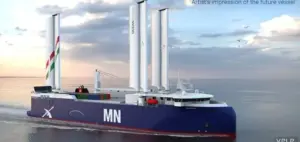
The vessel selected for this historic transit is the PanStar Acro, a 2,700-TEU (Twenty-foot Equivalent Unit) container ship. Originally part of the fleet operated by South Korea’s flagship carrier, HMM, the vessel was acquired by the PanStar Group specifically for this government-backed pilot program.
To withstand the structural demands of polar navigation, the vessel has undergone targeted modifications:
- Hull Reinforcement: Structural strengthening along the waterline to mitigate the risk of minor ice impacts.
- Winterization of Equipment: Upgrades to mechanical systems, lubricants, and deck machinery to ensure functionality in sub-zero temperatures.
- Specialized Crewing: The ship will be manned by a highly trained crew of 20 mariners, comprising South Korean and Indonesian nationals, including specialized ice navigators.
The Route and Transit Timeline
The PanStar Acro is scheduled to set sail from Busan on Saturday, embarking on a round-trip voyage projected to take between 40 and 45 days.
- Departure: Busan, South Korea.
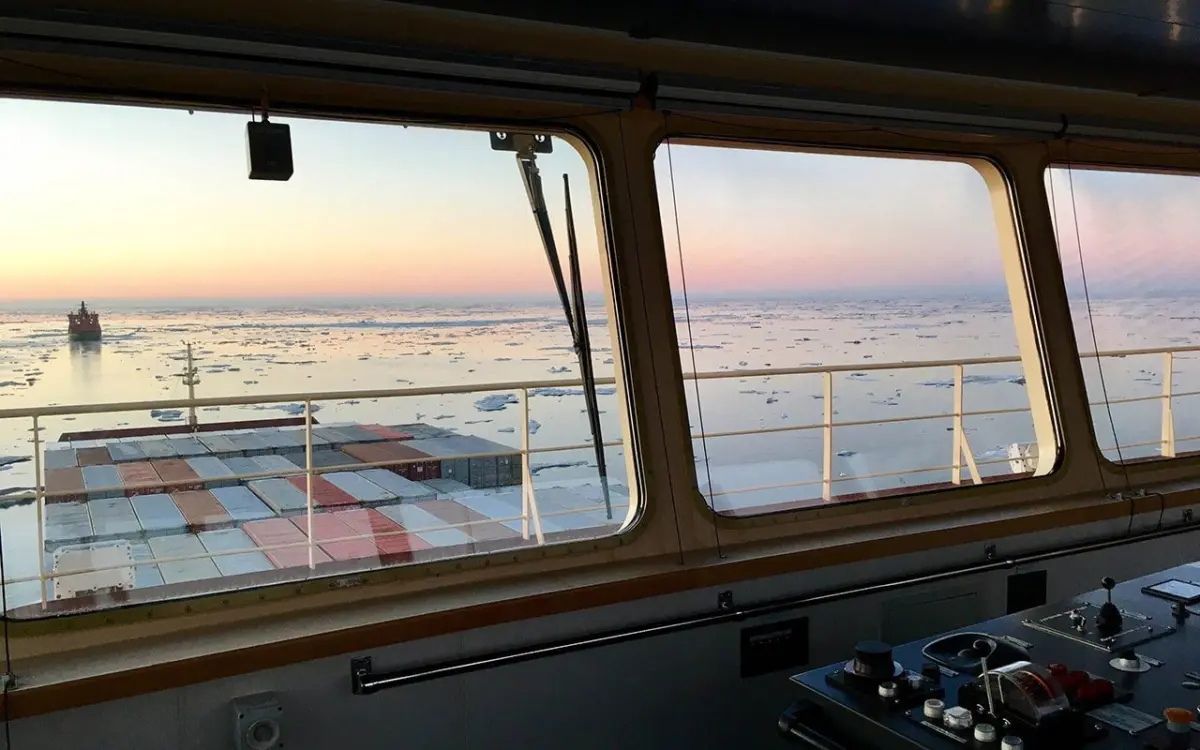
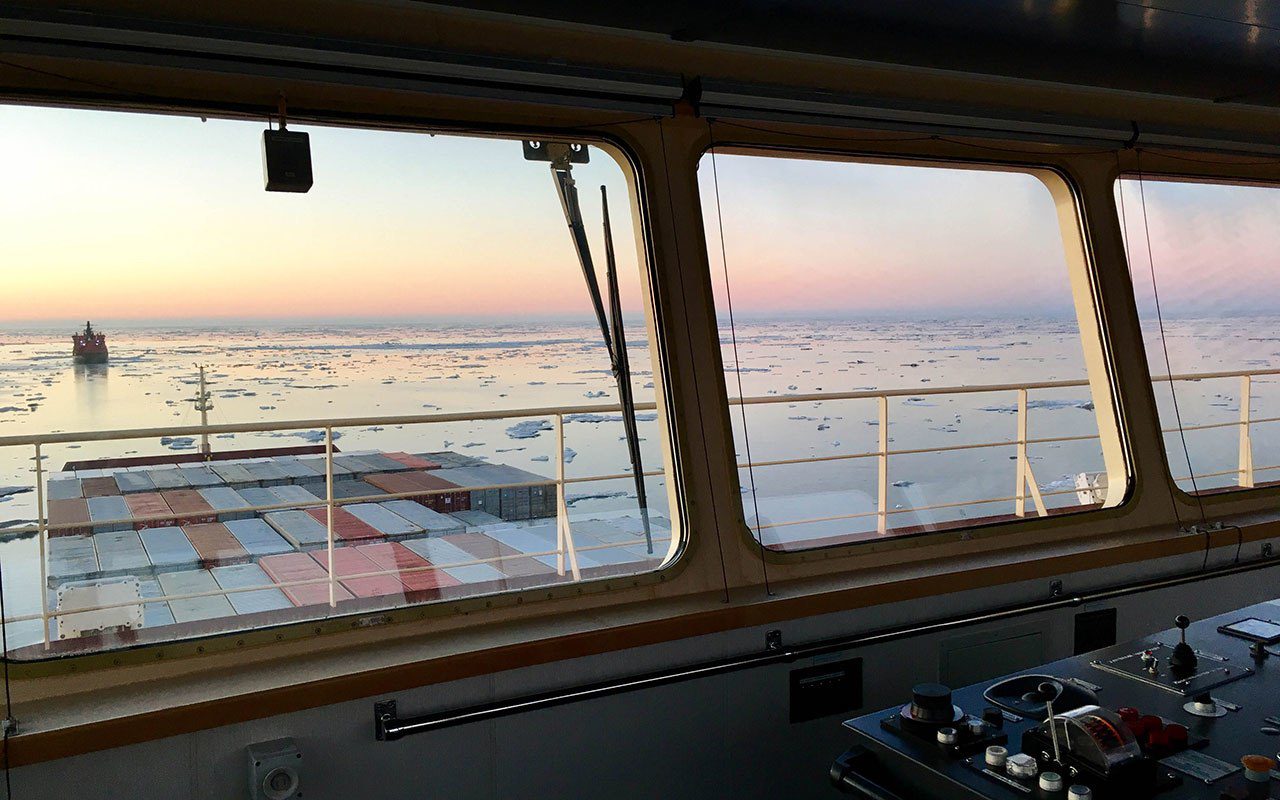
- NSR Transit: The vessel will head north, passing through the Bering Strait into the Chukchi Sea, transiting the Russian Arctic zone during late August and September—the period when Arctic sea ice reaches its annual minimum.
- European Port Calls:
- Felixstowe, United Kingdom: Serving as the initial entry point to the Western European market.
- Rotterdam, Netherlands: Europe’s largest maritime hub, where logistics networks will assess the condition and arrival precision of the cargo.
- Gdansk, Poland: A key Baltic gateway, highlighting the route’s potential to connect East Asia directly with Central and Eastern Europe.
- Return Transit: The vessel will return via the same polar corridor before the winter freeze-up begins in earnest.
Cargo Profile and Commercial Commitments
For this inaugural voyage, PanStar is seeking a minimum cargo load of 1,300 TEU. The cargo manifest is expected to feature high-value, time-sensitive manufacturing goods, including:
- Automotive Parts: Critical components for European assembly lines.
- Consumer Cosmetics and Foodstuffs: South Korean exports capitalizing on rapid transit times to preserve shelf-life and meet market demand.
- Third-Party Consignments: PanStar has actively solicited cargo from neighboring East Asian economies, securing commitments and expressions of interest from shippers in China and Japan.
Supporting Context and Metrics: The Economic and Environmental Equation
The opening of the Northern Sea Route is a direct consequence of global climate change. Rising global temperatures have caused the Arctic ice sheet to melt at unprecedented rates, transforming what was once an impassable frozen waste into a seasonal maritime highway.
The Distance and Fuel Advantage
The primary allure of the NSR lies in its geometry. For ports in Northeast Asia (such as Busan, Yokohama, and Shanghai) servicing Northern Europe, the Arctic route offers a dramatic reduction in distance compared to the southern route via the Malacca Strait, the Indian Ocean, and the Suez Canal.
| Route Metrics (Busan to Rotterdam) | Traditional Suez Canal Route | Northern Sea Route (NSR) | Percentage Reduction |
|---|---|---|---|
| Distance (Nautical Miles) | ~11,500 nm | ~7,500 nm | ~35% |
| Average Transit Time | 35–40 days | 22–25 days | ~35% |
| Fuel Consumption / Emissions | Baseline | Reduced by ~30–35% | ~30–35% |
In an era where the shipping industry is under intense regulatory pressure to decarbonize—driven by the International Maritime Organization’s (IMO) stringent greenhouse gas reduction targets—the prospect of cutting fuel burn by over 30% is highly attractive to commercial operators. Furthermore, ongoing geopolitical instability in the Red Sea, characterized by Houthi rebel attacks on commercial shipping, has forced many carriers to detour around the Cape of Good Hope, adding 10 to 14 days to Asia-Europe voyages. This has made the Arctic route look even more appealing as an alternative corridor.
The Limits of Commercial Viability
Despite the clear distance advantages, experts caution that the NSR is far from replacing the Suez Canal as a primary global trade artery. Several structural factors limit its economic competitiveness:
                  ┌─────────────────────────────────────────┐
                  │   Economic & Operational Constraints    │
                  └────────────────────┬────────────────────┘
                                       │
         ┌─────────────────────────────┼─────────────────────────────┐
         ▼                             ▼                             ▼
┌─────────────────┐           ┌─────────────────┐           ┌─────────────────┐
│ Seasonal Limits │           │ Scale Penalties │           │ Financial Risks │
│ Navigable only  │           │ Restricted to   │           │ High insurance  │
│ 3 months/year   │           │ smaller vessels │           │ & icebreaker    │
│ (July-Sept)     │           │ (under 5,000TEU)│           │ transit fees    │
└─────────────────┘ └─────────────────┘ └─────────────────┘- Seasonality: The route is reliably navigable for container vessels without specialized ice-breaking hulls for only three summer months (July through September).
- Diseconomies of Scale: Modern Asia-Europe trade relies on Ultra Large Container Vessels (ULCVs) carrying up to 24,000 TEU to achieve low unit costs. Due to shallow straits in the Russian Arctic (such as the Sannikov Strait, which limits draft to approximately 13 meters), the NSR cannot accommodate these giant ships. Operating a 2,700-TEU feeder vessel like the PanStar Acro significantly increases the transport cost per container.
- Operational Costs: Shippers must account for steep icebreaker escort fees levied by Russia’s state-owned nuclear agency, Rosatom, alongside exorbitant insurance premiums driven by the hazards of navigating poorly charted, remote waters.
Escalating Traffic Trends
Despite these challenges, traffic along the NSR is experiencing steady growth, dominated by Russian energy exports (Liquefied Natural Gas from the Yamal peninsula) and Chinese transit cargo.
Data compiled by the Norway-based Centre for High North Logistics (CHNL) highlights this upward trajectory:
- 2022: 43 transits recorded.
- 2024: 97 transits recorded.
- 2025 (Last Year): 103 transits executed by 88 unique vessels.
Geopolitical Friction: Navigating the Diplomatic Ice Field
The launch of the PanStar Acro is not merely a commercial test; it is a diplomatic flashpoint. Because the Northern Sea Route lies within Russia’s Exclusive Economic Zone (EEZ) and passes through territorial straits over which Moscow asserts regulatory control, any commercial voyage requires Russian authorization, permit acquisition, and potentially the paid services of Russian state-owned icebreakers.
       ┌─────────────────────────────────────────────────────────┐
       │             The Geopolitical Tightrope                  │
       └────────────────────────────┬────────────────────────────┘
                                    │
         ┌──────────────────────────┴──────────────────────────┐
         ▼                                                     ▼
┌────────────────────────────────┐                    ┌────────────────────────────────┐
│   South Korean Priorities      │                    │    Western Ally Objectives     │
├────────────────────────────────┤                    ├────────────────────────────────┤
│ • Secure 2030 Arctic dominance │                    │ • Isolate Russian economy      │
│ • Diversify supply chains      │        VS          │ • Limit Moscow's toll revenues │
│ • Compete with China/Russia    │                    │ • Strictly enforce sanctions   │
└────────────────────────────────┘                    └────────────────────────────────┘
Western Backlash and Sanctions Risks
Western diplomats have expressed strong reservations about South Korea’s initiative. A European diplomat, speaking on the condition of anonymity, summarized the prevailing sentiment in Brussels and Washington:
"We want to isolate Russia; we don’t want engagement with Russia. Permitting commercial voyages that pay transit fees to Russian state entities directly undermines the collective sanctions regime designed to starve Moscow of revenue for its war in Ukraine."
Arctic shipping analysts and legal experts have also warned that South Korea risks inadvertently breaching Western sanctions. If the PanStar Acro encounters mechanical failures, becomes trapped in pack ice, or requires emergency assistance, it would be forced to engage with Russian state-controlled maritime salvage services or Rosatomflot (the nuclear icebreaker fleet), both of which are subject to stringent Western sanctions.
While South Korea’s Oceans Ministry and Russia’s Foreign Ministry have declined to comment publicly on these concerns, the silence underscores the delicate diplomatic maneuvering occurring behind closed doors.
Official Statements and Stakeholder Perspectives
The debate surrounding the voyage reveals deeply divided priorities among state officials, corporate leaders, and maritime researchers.
The South Korean Government’s Vision
President Lee Jae Myung has positioned Arctic shipping at the center of the nation’s long-term economic strategy. Government officials view the development of the NSR as a transformative opportunity for the domestic maritime sector:
"Establishing a foothold in the Arctic is critical for the future of our maritime economy. It will help transform the southeastern port of Busan into a premier global logistics hub, positioning South Korea as a central player on a regular, year-round trade route by 2030."
The Operator’s Imperative
An official from the PanStar Group, speaking anonymously due to the political sensitivity of the voyage, emphasized the urgent competitive pressure South Korea faces:
"Around September, when this voyage will mainly take place, Arctic sea ice is at its lowest level of the year, making safer navigation possible. China is already moving aggressively to secure a first-mover advantage on this route. If South Korea does not begin accumulating operating experience and concrete navigation data now, our national goal of establishing scheduled commercial service by 2030 will slip out of reach."
Academic and Analytical Skepticism
Maritime researchers remain cautious about the near-term commercial viability of the route. Hyewon Choi, a former naval officer and author of a comprehensive study published in Ocean Policy Research, notes that the physical constraints of the Arctic cannot be easily overcome by political will:
"We cannot use the NSR year-round. The route is only navigable by standard container vessels during a narrow three-month summer window. When you factor in vessel size limitations, specialized crew costs, and high insurance premiums, the unit transport costs remain prohibitively high for routine commercial cargo."
Future Outlook: The Battle for the Polar Silk Road
The PanStar Acro‘s voyage is a opening gambit in a much larger geopolitical contest for control over the Arctic’s emerging trade corridors.
China’s "Polar Silk Road" Strategy
Beijing has officially integrated the Arctic into its Belt and Road Initiative under the banner of the "Polar Silk Road." Chinese shipping giant Cosco has already conducted dozens of transit voyages through the NSR, and Chinese container line Sea Legend Shipping is currently finalizing plans to launch the first regular, scheduled container service connecting Asia to Europe via the Arctic. By partnering closely with Russia, China seeks to establish a strategic trade corridor that is entirely immune to Western naval interdiction in traditional choke points like the Strait of Malacca.
       ┌────────────────────────────────────────────────────────┐
       │              The Arctic Strategic Landscape            │
       └───────────────────────────┬────────────────────────────┘
                                   │
         ┌─────────────────────────┼─────────────────────────┐
         ▼                         ▼                         ▼
┌─────────────────┐       ┌─────────────────┐       ┌─────────────────┐
│     Russia      │       │      China      │       │   South Korea   │
├─────────────────┤       ├─────────────────┤       ├─────────────────┤
│ Sovereign Toll  │       │ Polar Silk Road │       │ Balancing Act   │
│ Collector &     │       │ Integration &   │       │ Navigating West │
│ Ice Escort      │       │ Strategic Route │       │ Sanctions vs.   │
│ Provider        │       │ Diversification │       │ Trade Future    │
└─────────────────┘       └─────────────────┘       └─────────────────┘
South Korea’s 2030 Horizon
For South Korea, the success of the PanStar Acro pilot will determine whether the nation can establish itself as a viable third player in the high north, or if it will be squeezed out by the Sino-Russian partnership. If the voyage proceeds without maritime incident or severe diplomatic fallout, it could pave the way for expanded seasonal transits in the coming years.
However, the long-term future of the route hinges on factors beyond South Korea’s control:
- The Rate of Ice Melt: Climate models suggest that the Arctic could see ice-free summers as early as the 2030s, potentially extending the navigable season and allowing ships to bypass Russian territorial waters entirely by sailing directly over the North Pole (the Transpolar Sea Route).
- Geopolitical Realignment: Should relations between Russia and the West remain frozen, South Korean companies may find the reputational and legal risks of utilizing the NSR too high to justify the fuel savings.
The voyage of the PanStar Acro represents a calculated gamble. It is a test of whether a nation can leverage the environmental consequences of a warming planet to secure a commercial advantage, even as it navigates the highly volatile geopolitical currents of the 21st century.