



Executive Overview
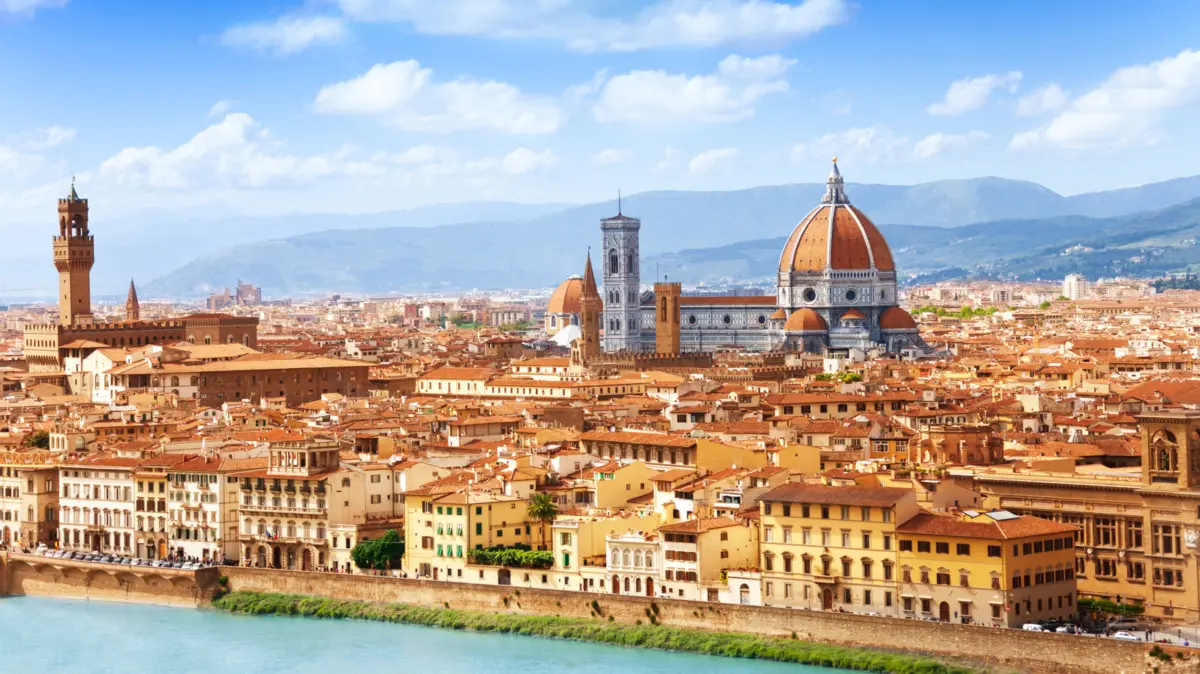
While perennial favorites like Prague—affectionately dubbed the "City of a Hundred Spires"—and Rome, the legendary "Eternal City," continue to dominate traditional European travel itineraries, a new champion has quietly ascended the throne. According to the rigorous metrics and discerning votes of Travel + Leisure readers in the prestigious annual World’s Best Awards, Florence, Italy, has officially been named the best city to visit in Europe for 2026. Securing an impressive 89.48 overall score, the Tuscan capital also clinched a formidable No. 13 ranking globally, outperforming numerous heavy-hitting metropolitan areas across the Americas, Asia, and Africa.
This designation is far more than a sentimental nod to past glories. It represents a confluence of infrastructural efficiency, unmatched pedestrian walkability, world-class culinary innovation, and the enduring allure of human history preserved in stone, marble, and canvas. As global travelers increasingly seek destinations that balance deep cultural immersion with modern accessibility, Florence has emerged as the definitive benchmark for European travel in 2026.
Detailed Chronology & Evolution: From Merchant Republic to 2026’s Modern Haven
To understand why Florence claims the top spot for 2026, one must appreciate how the city has carefully curated its physical and cultural landscape over centuries, culminating in recent targeted urban investments.
The Historical Fabric
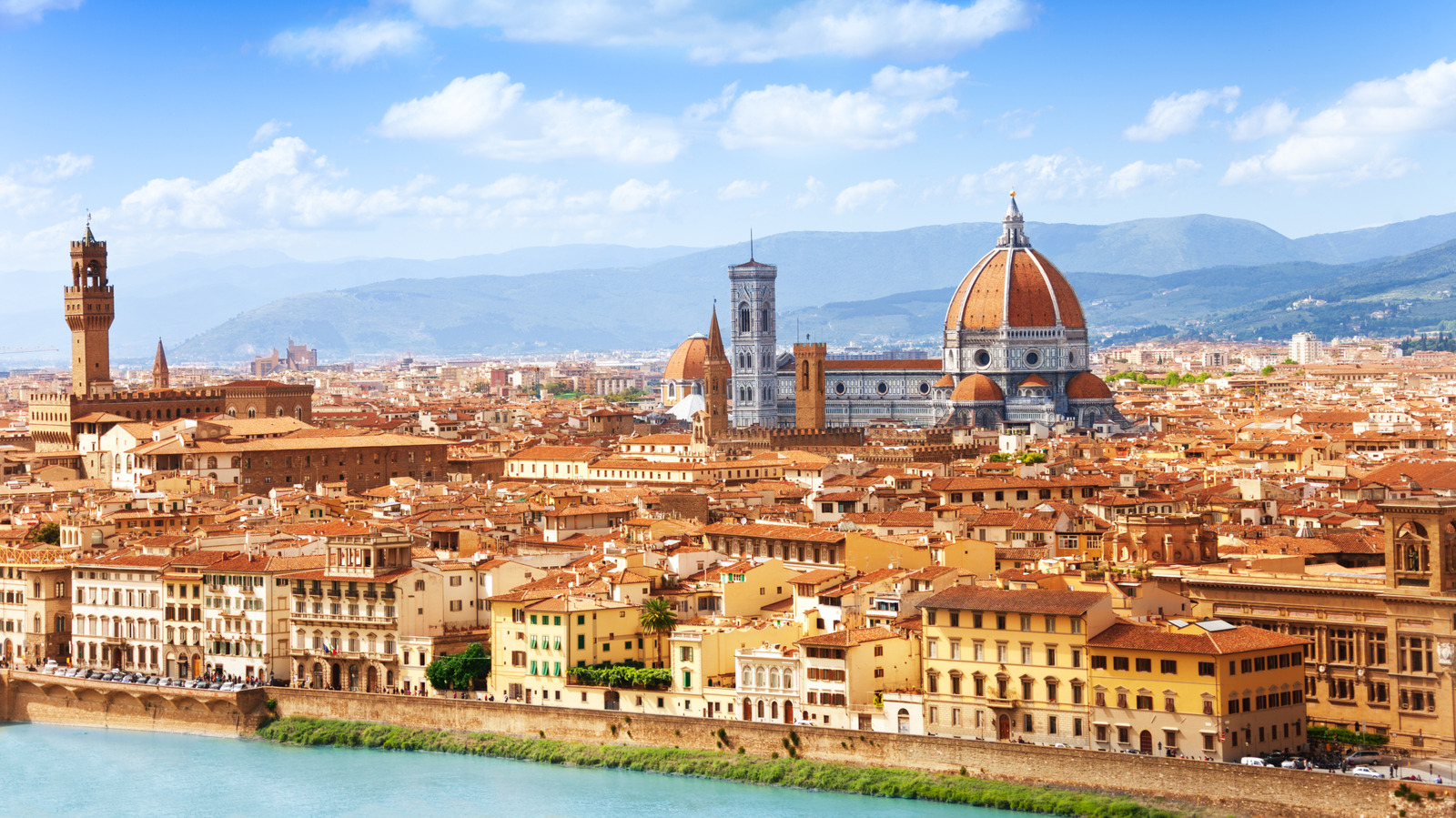
Long before it was a modern tourist hub, Florence was the beating heart of the Italian Renaissance. From the 14th to the 16th century, under the patronage of dynasties like the Medici, the city transformed into an incubator of art, science, and political philosophy. Masterminds like Leonardo da Vinci, Michelangelo Buonarroti, Sandro Botticelli, and Filippo Brunelleschi left an indelible physical footprint. The structural dominance of Brunelleschi’s monumental terracotta dome over the Santa Maria del Fiore cathedral (the Duomo) remains a testament to an era when engineering and art collided.
Modern Infrastructural Milestones
Fast-forward to the 21st century, and Florence has successfully transitioned from an overcrowded, vehicle-choked historic center into a model of modern European urban planning. Over the past decade, municipal leaders prioritized pedestrianization, transforming the UNESCO-listed core into a largely car-free sanctuary.
A pivotal milestone in this evolution was the expansion of the city’s light-rail transit system. The implementation of the T2 tram line bridged the gap between modern transit and ancient history, seamlessly connecting Florence Airport to the central Santa Maria Novella Station in roughly 20 minutes. This efficient transit link has drastically reduced congestion, lowering carbon emissions while drastically improving the visitor experience upon arrival. Furthermore, the city has fostered an environment where centuries-old artisan workshops sit shoulder-to-shoulder with cutting-edge boutiques and contemporary cocktail bars, ensuring the historic center remains a living, breathing community rather than a static museum.
Supporting Context & Metrics: Unpacking Florence’s Top-Tier Status
The Travelers’ Choice metrics that propelled Florence to the vanguard of European tourism are built upon several distinct pillars: walkability, artistic density, culinary dynamism, and regional connectivity.
1. Unrivaled Walkability
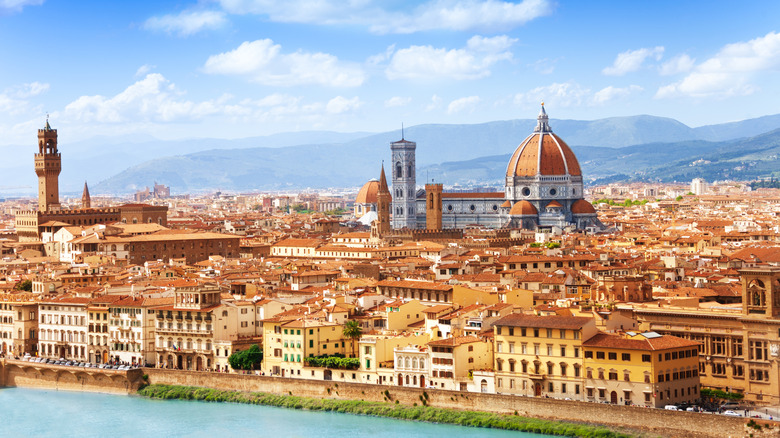
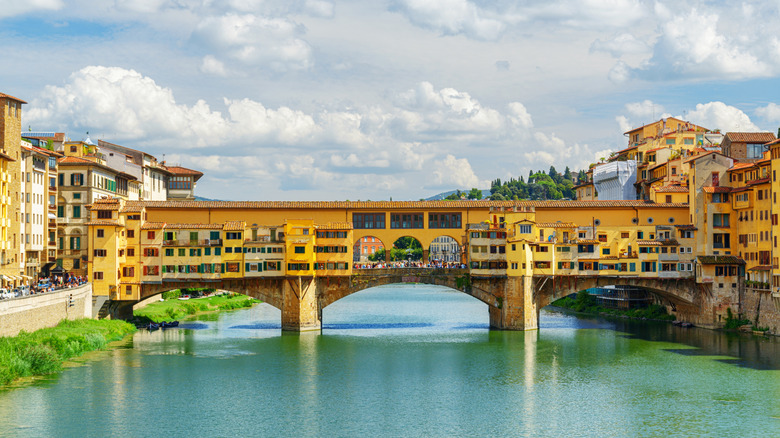
In various global urban studies, Florence frequently ranks as the world’s most walkable city. Because the historic center is compact and heavily pedestrianized, travelers can bypass the friction of complex transit systems. Navigating from the gothic grandeur of Santa Maria Novella to the banks of the Arno River, across the historic goldsmith-lined Ponte Vecchio, and up to the political majesty of Piazza della Signoria requires nothing more than a sturdy pair of shoes. This ease of movement encourages spontaneous exploration, allowing visitors to stumble upon quiet medieval alleyways, hidden artisan shops, and tucked-away coffee bars without the stress of navigating vehicular traffic.
2. Unmatched Artistic Density
No other city of its size packs such an immense concentration of cultural masterpieces.
- La Galleria dell’Accademia di Firenze: Houses Michelangelo’s pristine, imposing marble sculpture of David.
- The Uffizi Gallery: Holds the world’s premier collection of Renaissance paintings, including Botticelli’s The Birth of Venus and works by Raphael, Titian, and Caravaggio.
- The Duomo Complex: Encompassing Brunelleschi’s Dome, Giotto’s Campanile, and the Baptistery of San Giovanni, offering a masterclass in gothic and early renaissance architecture.
3. The Culinary and Aperitivo Landscape
Beyond visual art, Florence is a powerhouse of sensory experiences. The city’s culinary scene bridges rustic Tuscan tradition with modern gastronomy. Iconic food hubs like the bustling Mercato Centrale in the San Lorenzo district serve up legendary local staples—such as bistecca alla fiorentina (Florentine steak) and freshly made pasta—alongside contemporary culinary experimentation.
Moreover, Florence has perfected the art of the aperitivo. This Italian pre-dinner ritual of enjoying a carefully crafted cocktail (such as a Negroni, which was actually invented in Florence in 1919) accompanied by small bites has become an affordable, culturally immersive staple of the Florentine evening routine, bridging the gap between locals and visitors alike.
Official Statements & Expert Perspectives
Tourism boards, architectural historians, and travel analysts have weighed in on why Florence represents the pinnacle of 2026 European travel trends.
Dr. Elena Moretti, an urban historian specializing in Tuscan development, notes:
"Florence has achieved what few historic cities manage to do: it honors its past without becoming trapped in amber. By expanding pedestrian zones and encouraging the survival of historic artisans—from leather workers to paper-binders—the city maintains an authentic soul that resonates deeply with modern travelers looking for genuine human connections."
Hospitality analysts point out that the city’s rise in the Travel + Leisure rankings is also a reflection of its expanding luxury and boutique hotel sector. High-end properties have sensitively restored historical palazzos, offering accommodations that blend 16th-century frescoes with state-of-the-art modern amenities.
A spokesperson for regional tourism initiatives remarked:
"Our goal for 2026 is not merely to increase visitor volume, but to elevate the quality of the engagement. Florence offers a profound sense of place. When travelers spend their days wandering through Dante’s District, exploring the open-air sculpture galleries of the Loggia dei Lanzi, or viewing the sunset from Piazzale Michelangelo, they aren’t just ticking boxes on an itinerary; they are participating in a centuries-old cultural continuum."
Future Outlook: Florence as the Gateway to Tuscany and Beyond
Looking ahead past 2026, Florence’s strategic positioning makes it an indispensable hub for broader European and Italian exploration. While the city itself demands at least three to four days to truly absorb, its stellar rail connections transform it into the ultimate base camp for discovering the wider Tuscan landscape.
Within a two-hour train ride from Santa Maria Novella Station, travelers can access:
- Pisa: Home to the world-famous Leaning Tower and breathtaking Romanesque maritime architecture.
- Lucca: A remarkably preserved, tree-lined medieval walled city renowned for its relaxed pace and cycling culture.
- The Tuscan Coast & Countryside: Easy access to rolling vineyards in Chianti, historic hill towns like San Gimignano, and upscale coastal hideaways such as Porto Ercole on Monte Argentario.
As global tourism evolves to favor deeper, more meaningful, and accessible travel experiences, Florence stands out not just as a city of breathtaking beauty, but as a masterclass in how an ancient urban center can thrive in the modern era. For anyone planning a European escape in 2026, the data, the experts, and the travelers agree: all roads lead to Florence.