







Executive Overview
While international travelers frequently flock to the United Kingdom’s headline-grabbing metropolises—such as the historic avenues of London, the dramatic stonescapes of Edinburgh, and the musical heritage of Liverpool—a quieter, deeply authentic facet of British life thrives far away from the bustling tourist circuits. Nestled within the Metropolitan Borough of Bolton in Greater Manchester sits Horwich, a quintessential northern English town with a population of approximately 22,000.
Positioned almost equidistant between the vibrant urban sprawl of Manchester and the coastal amusement hub of Blackpool, Horwich occupies a unique geographical and cultural sweet spot. It successfully bridges the gap between rural tranquility and modern urban accessibility. Boasting an array of independent storefronts, centuries-old local pubs, a tight-knit community feel, and immediate proximity to the wild, heather-clad expanses of the West Pennine Moors, Horwich functions as both a peaceful residential enclave and an under-the-radar destination for travelers seeking a genuine slice of English heritage.
This comprehensive review explores Horwich’s transport logistics, its distinct village architecture, its culinary and retail landscape, and the compelling historical moorland trails that draw hikers and history enthusiasts alike.
Detailed Chronology and Historical Evolution
To truly appreciate Horwich today, one must understand the layers of history etched into its landscape, transforming it from a scattering of ancient agrarian settlements into a bustling industrial powerhouse, and finally into the desirable residential and recreational hub it is recognized as today.
From Ancient Roots to Industrial Revolution
Long before the red-brick terraces and stone cottages of modern Horwich were laid, the area was characterized by scattered farming communities, medieval manorial holdings, and open moorland. The name "Horwich" itself is derived from Old English roots, translating roughly to a grey witch-elm or a dirty/muddy stretch of land (horu and wīce), hinting at the damp, heavily wooded, and untamed nature of the early terrain.
For centuries, life moved at an agricultural pace, dictated by the harsh weather of the Lancashire moors and the agricultural yields of local estates. However, the landscape underwent a seismic transformation during the late 18th and 19th centuries. As the Industrial Revolution swept through northern England, Horwich evolved rapidly. The town became famously intertwined with the Lancashire cotton trade, featuring textile mills that harnessed the waterpower of local streams.
The Railway Era and the L&YR Works
Horwich’s most defining historical chapter arrived in the late 19th century with the establishment of the Lancashire and Yorkshire Railway (L&YR) Locomotive Works. Opened in 1886, this massive industrial complex fundamentally reshaped the town’s economy, demographics, and spatial layout.
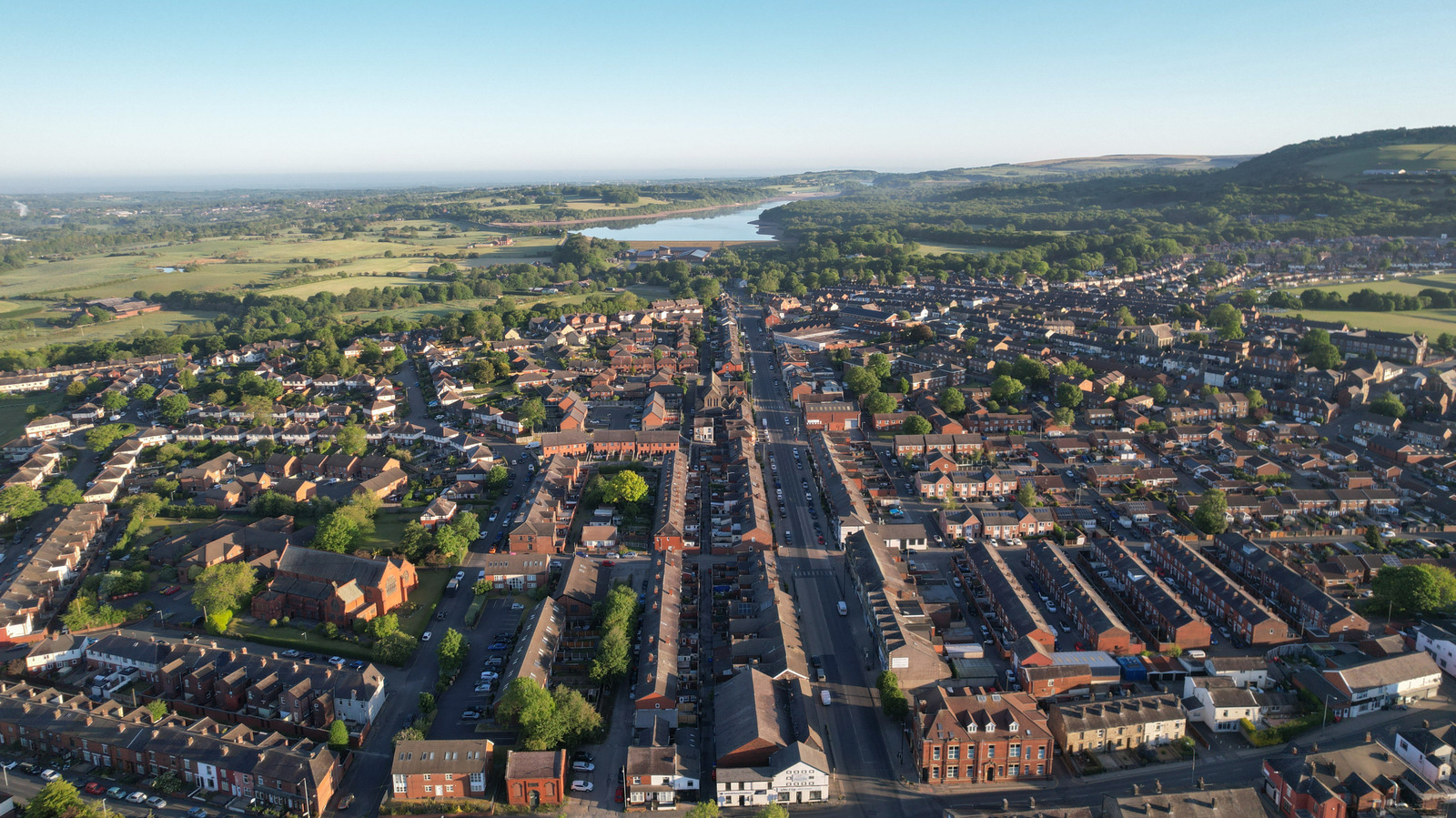
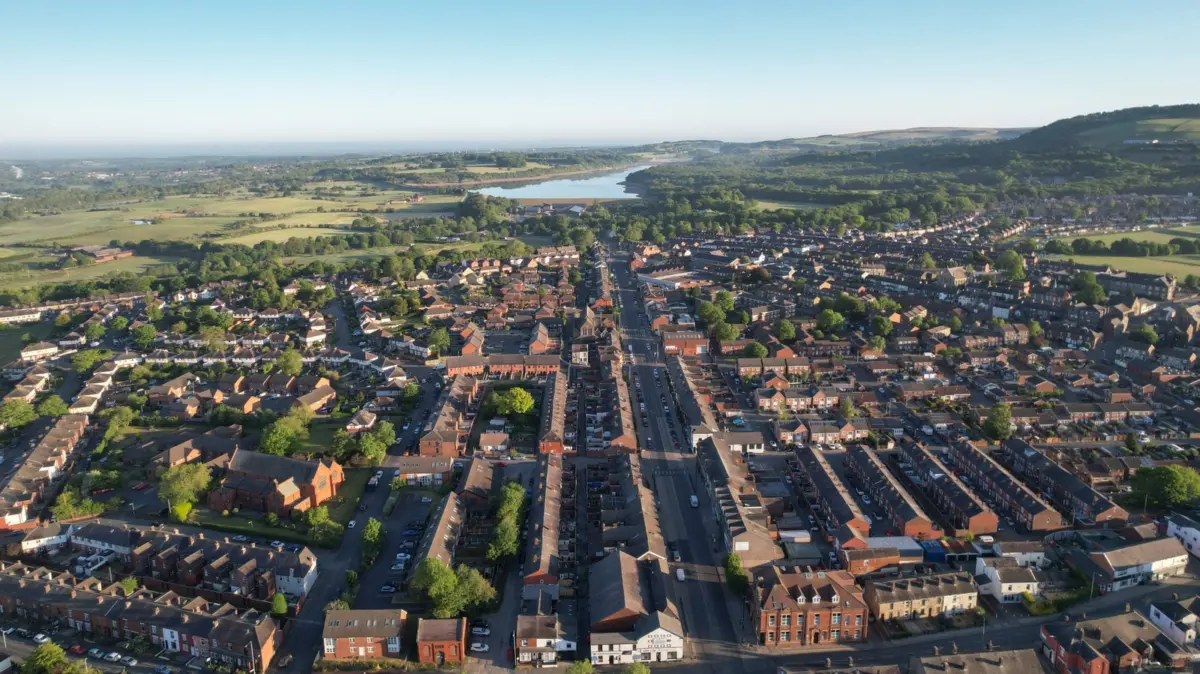
Under the visionary leadership of chief mechanical engineer John Aspinall, the Horwich Works became a state-of-the-art facility responsible for designing and manufacturing hundreds of locomotives that powered the region’s burgeoning transport network. To house the thousands of skilled engineers, metalworkers, and laborers flocking to the area, entire neighborhoods of uniform red-brick terraced housing were constructed. This rapid urbanization birthed the grid-like street patterns and enduring working-class community spirit that still define the historic core of Horwich today.
Although the locomotive works ultimately closed its doors in the latter half of the 20th century, the architectural legacy of this industrial boom remains starkly visible, lending the town its characteristic historic gravitas.
Supporting Context & Logistics: Getting There and Getting Around
Situated directly adjacent to the major M61 motorway, Horwich boasts exceptional connectivity that belies its quiet, village-like atmosphere.
Accessibility by Road and Rail
- By Car: Travelers driving from Manchester can reach Horwich in approximately 30 minutes under normal traffic conditions via the M61 motorway. Those journeying from the coastal resort of Blackpool will find a similarly straightforward 45-minute drive eastward.
- By Train: Rail commuters are exceptionally well-served by two distinct stations: Horwich Parkway and Blackrod Station. Direct rail services link Horwich to Manchester city centre and Blackpool in anywhere from 30 minutes to an hour.
Seamless Local Transit
Upon arriving at either Horwich Parkway or Blackrod Station, visitors do not need to immediately secure a private taxi or rideshare service. Regular, reliable local bus routes connect the transport hubs directly to Lee Lane, the bustling main thoroughfare of Horwich. This seamless integration of public infrastructure makes the town an accessible weekend getaway for travelers carrying luggage who prefer a car-free itinerary.
Seasonal Planning Recommendations
Like much of the United Kingdom, Horwich reveals different facets of its charm depending on the time of year:
- Shoulder Seasons (Spring and Autumn): Ideal for travelers seeking tranquility, lower accommodation rates, and empty moorland trails. The changing foliage in the surrounding woodlands is particularly striking in October.
- Summer Peak: While busier, British summers bring long daylight hours, vibrant pub gardens, and warm weather that is optimal for extended hiking excursions across the West Pennine Moors.
Local Commerce, Village Architecture, and Culinary Scene
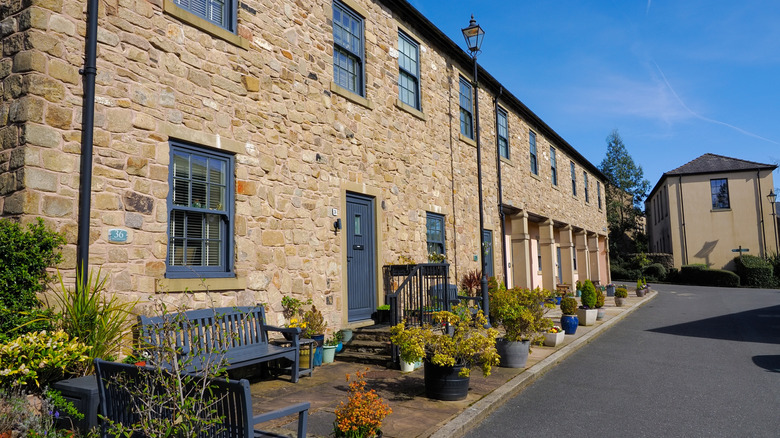
Stepping off the bus onto Lee Lane, visitors are immediately greeted by a streetscape dominated by traditional red-brick structures, warm brown-stone facades, and well-kept front gardens. While locals may view their town as entirely ordinary, international travelers frequently remark that walking through Horwich feels like stepping directly onto the set of a classic British television drama.
Independent Retail and Specialty Shopping
Horwich maintains a vibrant local high street that resists the sterile homogenization found in many modern suburbs:
- T Wright Wine: A beloved local institution specializing in rare and curated vintages, making it an ideal stop for connoisseurs looking to secure an exceptional bottle to take home.
- Francine Boutique: A trendy women’s apparel shop known for stocking unique, colorful, and contemporary clothing items that stand out from typical high-street chains.
- Middlebrook Retail and Leisure Park: Located nearby for more conventional or extensive shopping needs, housing major U.K. high-street mainstays such as TK Maxx and Boots.
Gastronomy, Pub Culture, and Nightlife
While Horwich is not a raucous nightlife capital, its dining and drinking establishments punch well above their weight class, offering cozy atmospheres and hearty fare:
- The Brewery Bar: A highly rated local brewery and taproom celebrated for its rotating selection of house-made ales and crisp lagers. It features a welcoming outdoor patio configured with long communal beer-garden tables.
- Sparrows Rum Bar: For those seeking an alternative to traditional pints, this specialty bar mixes up inventive, rum-centric craft cocktails.
- Ricordi Restaurant: A widely praised neighborhood Italian joint serving authentic wood-fired pizzas, handmade pasta dishes, and accommodating gluten-free options.
- The GOG House: A haven for meat lovers, offering sprawling grill platters stacked with seasoned chicken, succulent lamb skewers, and artisanal sausages.
Natural Splendor: Moorland Trails and Timeless Landmarks
Beyond the town center lies Horwich’s crown jewel: its immediate proximity to the sprawling wilderness of the West Pennine Moors. With nearly 40 interconnected trails weaving through the landscape, hikers are treated to a potent mix of natural beauty and historical ruins.
[Horwich Town Center]
       │
       ├──> Wilderswood Circular Loop (5 miles) ──> Rivington Pike Tower
       │
       └──> Rivington and Lower Loop (5.6 miles) ──> Liverpool Castle Replica & Arboretum
1. The Wilderswood Circular Loop
Stretching approximately 5 miles of moderate difficulty, the Wilderswood Circular takes walkers through the southwestern corner of the West Pennine Moors. The trail guides hikers toward the iconic Rivington Pike Tower. Perched atop a prominent hill, this well-preserved stone observation tower is reached via a meandering set of stone stairs. From the summit, visitors are rewarded with sweeping panoramic views of Horwich, framed by rolling hills blanketed in vibrant purple heather during the late summer months.
2. Rivington Pike and Lower Rivington Loop
With well over 1,300 glowing reviews on trail-mapping platforms like AllTrails, this 5.6-mile loop is arguably the region’s premier walking route. The path guides hikers past a series of captivating landmarks:
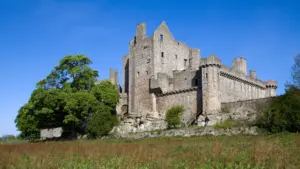
- Liverpool Castle Replica: A fascinating folly depicting picturesque medieval ruins, construction of which began in 1912 to mirror the historic Liverpool Castle demolished centuries prior.
- The Rivington Pinetum and Arboretum: Dense, emerald-green woodland forests populated by towering pine trees that create a secluded, almost mystical atmosphere.
3. The Café at Spring Cottage
No hike in the area is complete without a stop at the Café at Spring Cottage. Tucked deep within the woodland canopy, the café feels pulled straight from the pages of a fairytale. Constructed with rustic stone adornments, heavy wood furniture, and a sheltered outdoor patio, it offers a deeply cozy environment. Walkers frequently stop here before or after a trek to warm up with a pot of traditional English tea, freshly baked scones, and hearty country breakfasts.
Official Statements and Local Insights
Community stakeholders and residents emphasize that Horwich’s appeal lies precisely in its balance of unpretentious community life and geographic privilege.
Local resident and community forum contributor Sarah Jenkins noted in a recent regional urban planning discussion:
"Horwich has managed to retain a distinct village identity despite modern developments nearby. People move here for the community spirit and the immediate access to the moors, yet you can catch a train and be in the heart of Manchester in under half an hour. It’s the best of both worlds."
Tourism boards across Greater Manchester have increasingly highlighted towns like Horwich as vital components of "slow travel" itineraries, encouraging international visitors to venture beyond city limits to support regional independent economies.
Future Outlook
As urban housing pressures in Manchester continue to mount, Horwich is experiencing a steady influx of young professionals and families seeking greener pastures without sacrificing career connectivity. Infrastructure investments are currently being evaluated to improve cycling links between Horwich Parkway station and the surrounding West Pennine Moors trail networks, aiming to bolster eco-tourism.
Furthermore, local business associations are actively working to preserve the historic shopfronts along Lee Lane, ensuring that modernization efforts do not erode the distinct Victorian-era character that makes the town so visually compelling to visitors.
For travelers charting a course through northwest England, Horwich offers a rewarding detour—a place where industrial heritage, warm northern hospitality, and wild moorland vistas converge to tell the authentic story of contemporary British life.