





Executive Overview
In the shifting landscape of Caribbean tourism, few destinations have undergone a transformation as deliberate, nuanced, and compelling as St. Kitts. For years, travelers seeking the quintessential dual-season escape often gravitated toward the region’s larger, heavily commercialized hubs. Yet, a quiet revolution has been unfolding on this dual-island federation—one driven not by the rushed expansion of high-density mass tourism, but by a sophisticated maturation of its entire tourism ecosystem.
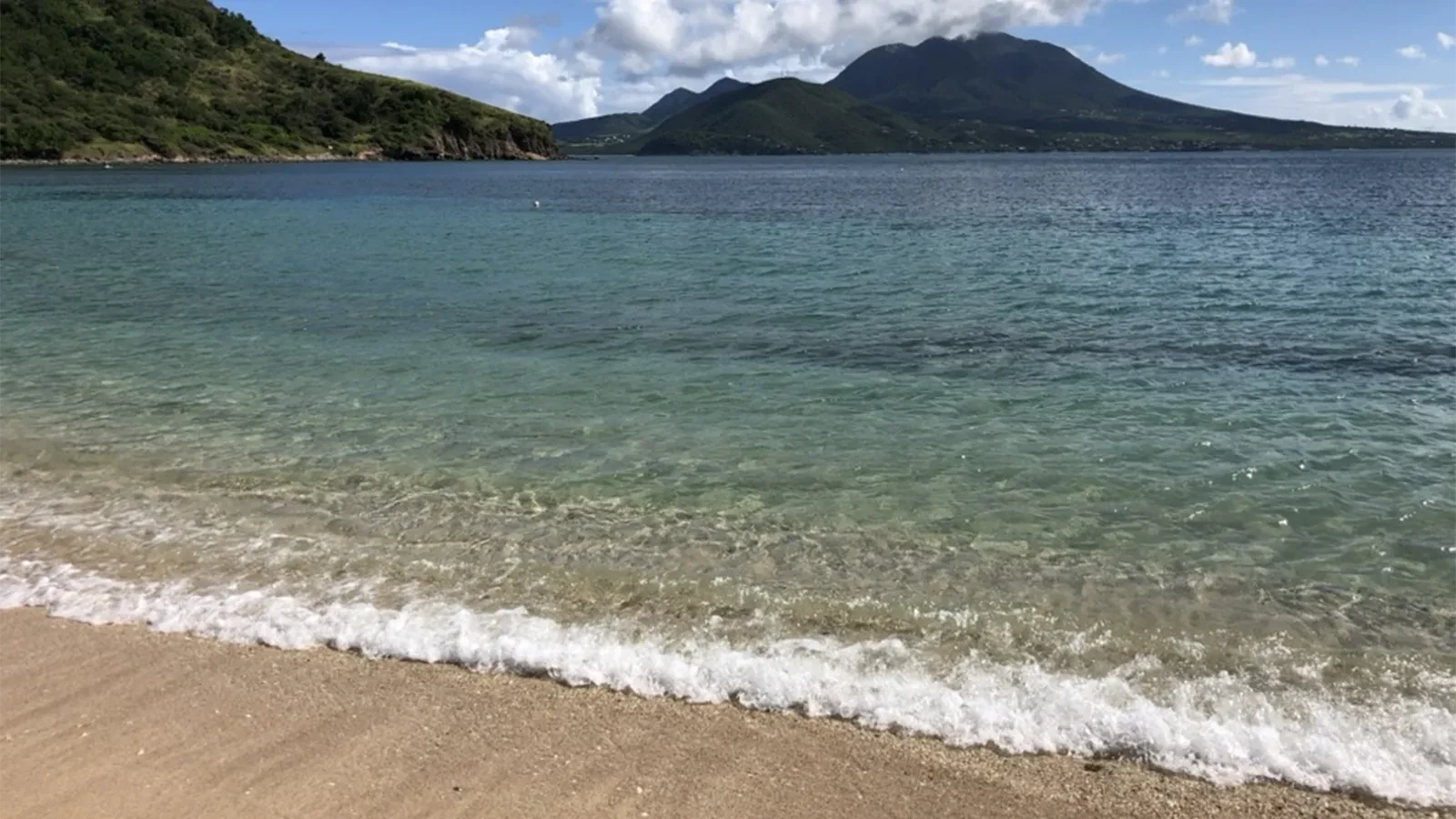
Today, St. Kitts offers a rare and harmonious paradox: it is a place where a guest can spend the morning knee-deep in volcanic mud, scaling the cloud-shrouded slopes of a dormant rainforest peak, and by mid-afternoon be lounging poolside at a world-class, five-star international luxury resort. As day turns to dusk, the island presents an unhurried culinary identity rooted deeply in the volcanic soil of nearby organic farms, paired with craft cocktails enjoyed within sight of neighboring Nevis across the shimmering waters of The Narrows.
This is not the arrival of a single anchor attraction; rather, it is the comprehensive maturation of an entire destination. St. Kitts has successfully elevated its hospitality standards, cultivated a distinct farm-to-table culinary movement, embedded cutting-edge environmental sustainability into its core infrastructure, and amplified its formidable natural topography—particularly its rich network of hiking trails and eco-tourism offerings.
For the modern traveler seeking authenticity without sacrificing modern comforts, St. Kitts has emerged as the definitive Caribbean blueprint for how an island can modernize intelligently while staying fiercely loyal to its natural character.
Detailed Chronology: The Evolution of a Modern Caribbean Destination
To understand the current buzz surrounding St. Kitts, one must trace the deliberate steps the island has taken over the past decade to redefine its position in the global travel market.
Phase One: The Luxury Catalyst (The Mid-2010s)
For generations, St. Kitts was celebrated for its historic sugar heritage, pristine beaches, and relaxed, off-the-beaten-path charm. However, the island lacked a definitive international luxury anchor that could capture the attention of high-net-worth global travelers.
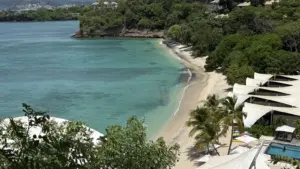
The turning point arrived with the opening of the Park Hyatt St. Kitts on the secluded shores of Banana Bay. Nestled on the island’s picturesque Southeast Peninsula, the resort immediately altered global perceptions of St. Kitts. Offering unobstructed views across the channel to Nevis, the property introduced a standard of refined international luxury previously unseen on the island. Rather than resting on its initial success, the resort has continued to evolve, recently undertaking extensive enhancements to its premier villa accommodations—including the introduction of exclusive rooftop-pool units designed for the most discerning travelers.
Phase Two: Diversification and the Boutique Movement (Late 2010s to Early 2020s)
As the Park Hyatt proved that high-end travelers would embrace St. Kitts, the island avoided the trap of becoming a one-resort wonder. Instead, a complementary wave of boutique hospitality began to ripple across the coastlines and hillsides.
Enter properties like Sunset Reef, a tiny, design-forward boutique hotel hugging the rugged Caribbean coast. Representing a radical departure from sprawling mega-resorts, Sunset Reef introduced an intimate, high-tech, and deeply sustainable vision of hospitality. This diversification proved crucial: it established that St. Kitts could cater to travelers looking for polished, large-scale luxury as well as those seeking micro-resort intimacy and personalized service.
Phase Three: The Culinary Awakening and Eco-Integration (2023–Present)
With a diverse accommodation landscape firmly in place, the destination’s culinary and eco-tourism sectors experienced a synchronized boom. Traditional beachside dining—typified by beloved institutions like the Spice Mill on Cockleshell Bay, where diners enjoy gourmet Caribbean fare with their toes steps from the sand—was soon matched by an agrarian movement taking root in the hills.
Farms such as Fari Organic Farm emerged as the poster children for a burgeoning farm-to-table revolution. By integrating locally sourced, volcanic-soil produce directly into the island’s finest restaurant kitchens, St. Kitts began building a culinary identity that was distinctly its own, rather than relying on imported models of luxury dining. Concurrently, the island’s breathtaking natural terrain—spearheaded by the iconic Mount Liamuiga—was formalized as a premier year-round eco-tourism draw, blending wellness, active adventure, and environmental consciousness.
Supporting Context & Metrics: The Pillars of Modern Kittitian Tourism
To fully appreciate why St. Kitts is outperforming regional peers in traveler satisfaction and repeat visitation, one must examine the specific pillars supporting its modern tourism framework.
1. Dual-Tiered Hospitality: From Mega-Resort to Micro-Boutique
The coexistence of properties like the Park Hyatt St. Kitts and Sunset Reef highlights a masterclass in market balance.
- The Scale: The Park Hyatt offers expansive luxury, multi-bedroom villas, world-class spa facilities, and meticulously manicured beachfront access.
- The Intimacy: Sunset Reef counters with a hyper-personalized, cliffside boutique experience featuring fewer than a dozen suites, cutting-edge architectural design, and localized service protocols.
This bifurcated model ensures that travelers do not have to compromise on scale or intimacy; St. Kitts provides both within a 30-minute drive of one another.
2. The Agrarian and Culinary Renaissance
The transition of Kittitian cuisine from imported resort menus to hyper-local farm-to-table fare has been a game-changer.
- Volcanic Soil Advantages: The mineral-rich volcanic earth of St. Kitts yields exceptionally flavorful produce, herbs, and root vegetables.
- Direct Farmer-Chef Pipelines: Establishments on Cockleshell Bay and Frigate Bay increasingly source directly from agrarian innovators like Fari Organic Farm.
- Cocktail Culture: Beyond food, local mixologists have elevated craft cocktails by incorporating indigenous botanicals, local rums, and freshly harvested island fruits, offering a complete sensory snapshot of the federation.
3. Topography as Tourism: The Hiking and Eco-Adventure Economy
While the Caribbean is historically pigeonholed as a "sun, sand, and sea" destination, St. Kitts aggressively markets its interior wilderness.
- Mount Liamuiga: Rising nearly 4,000 feet into the clouds, the dormant volcano features a challenging, muddy, and wildly rewarding trek through dense tropical rainforests down into its crater.
- Year-Round Appeal: Historically a seasonal winter hotspot, St. Kitts has successfully pivoted to a year-round destination by capitalizing on eco-tourism, guided rainforest hikes, historic sugar estate tours, and wellness retreats that appeal to active travelers throughout the summer and shoulder months.
4. Engineering Sustainability
Sustainability in St. Kitts is not merely a marketing buzzword printed on a hotel brochure; it is built into the physical mechanics of operations. Properties like Sunset Reef utilize advanced geothermal technology to regulate energy consumption and reduce their carbon footprint. Coupled with the island’s naturally low-density tourism footprint—which prevents the overcrowding seen in other Caribbean islands—St. Kitts maintains a delicate equilibrium between welcoming guests and preserving its fragile ecosystems.
Official Statements and Industry Insights
Tourism authorities and hospitality leaders have noted that the unique synergy defining modern St. Kitts is the result of years of intentional planning rather than accidental growth.
"What we are witnessing in St. Kitts is the realization of a long-term vision," notes a senior regional tourism consultant. "For a long time, islands felt they had to choose between becoming mass-market cruise ports or exclusive, ultra-private bubbles. St. Kitts has charted a third path: a balanced ecosystem where high-end luxury, grassroots agriculture, and rugged eco-adventure reinforce one another rather than compete."
Hospitality executives on the ground echo this sentiment, emphasizing that the modern traveler is looking for holistic experiences.
"When a guest checks into our villas, they no longer just want a beautiful room with a view," shares a resort operations director on the Southeast Peninsula. "They want to know where their dinner came from. They want to know that the hotel is conscious of its energy usage. And they want to be able to hike an ancient volcano in the morning and relax in a cabana by afternoon. St. Kitts delivers that seamless transition better than almost anywhere else in the Caribbean."
Furthermore, travel industry analysts point out that the island’s strategic pivot toward wellness and year-round eco-tourism has insulated it against traditional seasonal slumps, creating a resilient economy driven by experiential explorers, wellness seekers, and conscious consumers.
Future Outlook: What Lies Ahead for St. Kitts
As the global travel sector moves deeper into an era that prioritizes sustainability, authenticity, and wellness, St. Kitts is uniquely positioned to lead the conversation in the Lesser Antilles.
Expanding Green Infrastructure
Looking forward, the federation is expected to double down on its renewable energy initiatives, with broader explorations into geothermal and solar power integration across commercial and hospitality sectors. The goal set by local planners is clear: to establish St. Kitts as one of the most environmentally self-sufficient luxury destinations in the Western Hemisphere.
Deepening the Farm-to-Table Pipeline
The success of early agrarian pioneers has inspired a new generation of local entrepreneurs to invest in organic agriculture and aquaculture. In the coming years, travelers can expect an even deeper integration of farm tours, cooking masterclasses, and indigenous culinary workshops embedded directly into high-end resort itineraries.
Managing Low-Density Growth
Perhaps the most critical objective for the future of St. Kitts is the preservation of its low-density tourism footprint. By resisting the urge to over-develop its coastlines and interior rainforests, the destination ensures that its primary assets—peace, space, and untamed natural beauty—remain intact for generations of travelers to come.
The Ultimate Caribbean Paradox Solved
Ultimately, the future of St. Kitts looks bright because it has successfully solved the ultimate Caribbean paradox: how to offer world-class luxury and sophisticated infrastructure without losing the soul, warmth, and raw majesty of the island itself. Whether you are scaling the misty heights of Mount Liamuiga, savoring an organic harvest overlooking Nevis, or unwinding in a rooftop pool at sunset, St. Kitts proves that the future of travel belongs to destinations that dare to be whole.