







Executive Overview
In an era defined by mass-produced itineraries and homogenized resort complexes, a seismic shift is underway in global tourism. Today’s travelers are no longer content with passive sightseeing or packaged clichés; they are actively hunting for raw authenticity, cultural immersion, and deep-rooted memory-making. They yearn to hike the emerald-green foothills of mist-shrouded volcanoes, savor farm-to-table cuisine harvested just feet from their dining tables, and touch centuries of living history. Yet, this demand comes with a caveat: the experience must be organic, unscripted, and delivered with genuine hospitality.
Enter St. Kitts. Nestled within the Leeward Islands of the West Indies, this dramatic volcanic island has quietly emerged as one of the most compelling, dynamic destinations in the wider Caribbean. Under the visionary leadership of St. Kitts Tourism Authority CEO Kelly Fontenelle, the destination has successfully navigated the post-pandemic travel landscape by leaning heavily into its greatest assets: natural diversity, unpretentious charm, and a fierce commitment to sustainable, community-first growth.
Far from resting on the laurels of its pristine shorelines—which boast sand ranging from striking black volcanic basalt to sun-bleached gold and powder white—St. Kitts is executing a multi-faceted master plan. From pioneering farm-to-table culinary movements and expanding year-round event calendars like the legendary St. Kitts Music Festival, to forging strategic partnerships with travel advisors and upgrading critical infrastructure, the island is setting a new benchmark for what a modern, conscious Caribbean destination can achieve. This is the story of how St. Kitts is balancing the delicate tightrope of growth and preservation, carving out a permanent place as a premier sustainable powerhouse in the Western Hemisphere.
Detailed Chronology: The Transformation of St. Kitts Tourism
To understand where St. Kitts stands today, one must examine the deliberate, strategic steps taken over recent years to pivot the island’s tourism narrative. For decades, the island was celebrated primarily as a tranquil, under-the-radar port of call. However, the changing demands of the global traveler necessitated a transformation from a passive getaway into an active, multifaceted ecosystem of adventure and culture.
The Turn Toward Experiential Travel (2021–2022)
When Kelly Fontenelle assumed the role of CEO at the St. Kitts Tourism Authority roughly two years ago, the global travel industry was aggressively reimagining itself. Travelers were emerging from years of confinement with an unprecedented hunger for nature, open spaces, and meaningful connections. Fontenelle and her team recognized that St. Kitts—with its towering central volcano, dense rainforests, and rich agricultural heritage—was uniquely positioned to capture this shift.
Rather than fast-tracking large-scale, high-density resort developments that threatened to dilute the island’s character, the Tourism Authority pivoted toward amplifying existing indigenous assets. The focus shifted toward eco-tourism, highlighting the island’s rich plantation history repurposed for modern sustainability, and showcasing the burgeoning farm-to-table culinary scene. Eateries like Alfredo’s began gaining recognition not for imported luxuries, but for delivering the soul-stirring, comforting flavors of local heritage—food that tasted, as Fontenelle famously noted, "like what my grandmother would create."
Infrastructure and Accessibility Expansion (2023–2024)
An authentic destination is only as strong as its accessibility. Recognizing that long-haul and regional travelers require seamless transit, St. Kitts embarked on a comprehensive upgrade of its tourism arteries. The Robert L Bradshaw International Airport (SKB) became the focal point for expanding airlift networks, with strategic outreach targeting emerging source markets across North America, including potential new routes from cities like Baltimore.
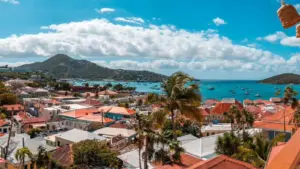
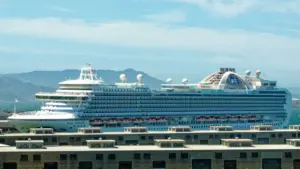
Simultaneously, the island cemented its status as an elite maritime hub. St. Kitts earned acclaim as arguably the premier cruise destination in the Eastern Caribbean, culminating in visionary plans for a state-of-the-art cruise terminal project designed to enhance visitor flow while protecting the historic downtown core of Basseterre.
The B2B Pivot and Travel Trade Integration (2024–Present)
Understanding that modern tourism promotion requires robust partnerships, Fontenelle’s administration spearheaded a massive re-engagement with the travel trade community. This era marked the launch of the highly successful SKY program (St. Kitts Specialist Program), designed to educate and empower travel advisors globally.
This strategic emphasis on the trade culminated in a historic coup for the destination: hosting the prestigious ASTA (American Society of Travel Advisors) Caribbean Showcase for the very first time. By welcoming hundreds of top-tier travel advisors and industry leaders to its shores, St. Kitts ensured that the people who shape global travel itineraries experienced firsthand the magic of the island’s authentic offerings.
Supporting Context & Metrics: Diversity, Sustainability, and Economic Impact
Pound for pound, St. Kitts offers a diversity of landscape and experience that is exceedingly rare in the Caribbean. This high-density optionality allows the destination to flex dynamically to meet the needs of vastly different travelers without compromising its core identity.
The Geography of Contrast
The island’s topography reads like an adventurer’s checklist:
- Volcanic Rainforests: The lush, emerald slopes of Mount Liamuiga offer challenging, rewarding hikes through dense tropical canopies, home to vervet monkeys, exotic bird species, and ancient petroglyphs.
- Trinary Shorelines: Within minutes, visitors can transition from the moody, dramatic black-sand beaches born of volcanic activity to the classic golden stretches of the southeast peninsula, or the tranquil, white-sand waters framed by the Atlantic and the Caribbean Sea.
- Industrial Heritage & Artisanal Craft: The St. Kitts Scenic Railway—originally built to transport sugarcane from the fields to the processing plant in Basseterre—now offers a leisurely, narrative-driven rail journey around the island’s perimeter. Complementing this is the rising prominence of locally crafted, aged rums, such as those produced by Old Road Rum Company, anchoring the island in historical distillation traditions.
Beyond the Winter Season: Diversification and the Calendar Economy
Historically, Caribbean tourism has suffered from acute seasonality, with staggering visitor volumes during the winter months followed by a sharp summer and autumn lull. St. Kitts has systematically dismantled this cyclical vulnerability by expanding its events calendar and championing niche markets such as wellness tourism.
The crown jewel of this year-round strategy is the St. Kitts Music Festival, held annually in June. Over the course of several days, the festival attracts top-tier international recording artists alongside regional superstars and thousands of music tourists, turning what was traditionally a quiet shoulder-month into a high-occupancy economic driver.
Furthermore, the island’s growing wellness sector—incorporating yoga retreats, holistic spa therapies rooted in local botanicals, and meditative rainforest immersions—appeals to travelers seeking mental and physical rejuvenation throughout the calendar year.
Community-Centric Sustainability
True sustainability cannot exist in an ecological vacuum; it must encompass the socioeconomic well-being of the local population. St. Kitts has embraced a model of growth where tourism serves as an engine of broad-based community enrichment rather than an enclave industry.
As Fontenelle frequently emphasizes, the success of the destination must translate directly to the grassroots level:
- Taxi Drivers & Tour Guides: Ensuring fair livelihoods and continuous professional development for the frontline ambassadors of the island.
- Farmers & Vendors: Sourcing produce directly from local agriculturalists to supply the booming hotel and restaurant sectors, minimizing carbon footprints while maximizing local economic retention.
This philosophy anchors St. Kitts’ ambition to become a leading "sustainable island state," proving that rapid development and cultural preservation are not mutually exclusive, but mutually dependent.
Official Statements and Leadership Vision
The strategic direction of St. Kitts is guided by a clear, uncompromising vision articulated by its tourism leadership. In exclusive insights shared with industry publications, Kelly Fontenelle has consistently underscored the philosophy driving the island’s recent triumphs.
"Our destination is real," Kelly Fontenelle, CEO of the St. Kitts Tourism Authority, told Caribbean Journal. "That’s what the island offers when you come to St. Kitts. You have the real thing."
Elaborating on the emotional resonance of the island’s cultural offerings, Fontenelle recalled a poignant dining experience at Alfredo’s, a local culinary hotspot:
"It was a meal like what my grandmother would create. In St. Kitts, we still have that."
Addressing the delicate balance between aggressive expansion and the preservation of local character, Fontenelle articulated a mandate that resonates deeply with the local community:
"We have so much to offer. We have to ensure that the growth impacts our taxi drivers, our tour guides, our farmers, our vendors. We want to be central to our sustainable island state. We want to expand, we want to build, but we don’t want to lose what makes us unique for the destination."
This leadership ethos ensures that every infrastructural upgrade, airline partnership, and marketing campaign remains tethered to the authentic spirit of the Kittitian people.
Future Outlook: The Road Ahead for St. Kitts
As the global tourism market continues to evolve, St. Kitts stands at a pivotal and enviable crossroads. The destination has successfully graduated from being a hidden gem to a recognized leader in authentic, sustainable Caribbean travel.
Looking forward, the strategic roadmap for St. Kitts is focused on several key expansion pillars:
- Deepening Travel Trade Relations: Building upon the monumental success of hosting the ASTA Caribbean Showcase and the proliferation of the SKY specialist program, St. Kitts will continue to cultivate deep, symbiotic relationships with travel advisors globally, ensuring that agents are equipped to sell the destination’s nuanced offerings accurately.
- Infrastructure Modernization: The completion of the state-of-the-art cruise terminal project will further cement the island’s maritime dominance, providing an upgraded arrival experience that seamlessly connects maritime visitors to the cultural heart of Basseterre.
- Airlift Diversification: By actively pursuing routes from emerging North American and regional hubs (such as upcoming discussions regarding Baltimore), the island aims to reduce friction for travelers seeking direct access to Robert L Bradshaw International Airport.
- Amplifying Niche Tourism Verticals: Continued investment in wellness tourism, eco-adventures, and cultural heritage trails will ensure that the island remains attractive to high-value, low-impact travelers looking for meaningful engagements throughout all twelve months of the year.
Ultimately, St. Kitts is proving that the future of Caribbean tourism does not lie in building bigger resorts or manufacturing artificial attractions. Instead, it lies in honoring the past, protecting the environment, empowering local communities, and offering travelers something increasingly priceless: the unvarnished truth of a magnificent island.