









Executive Overview
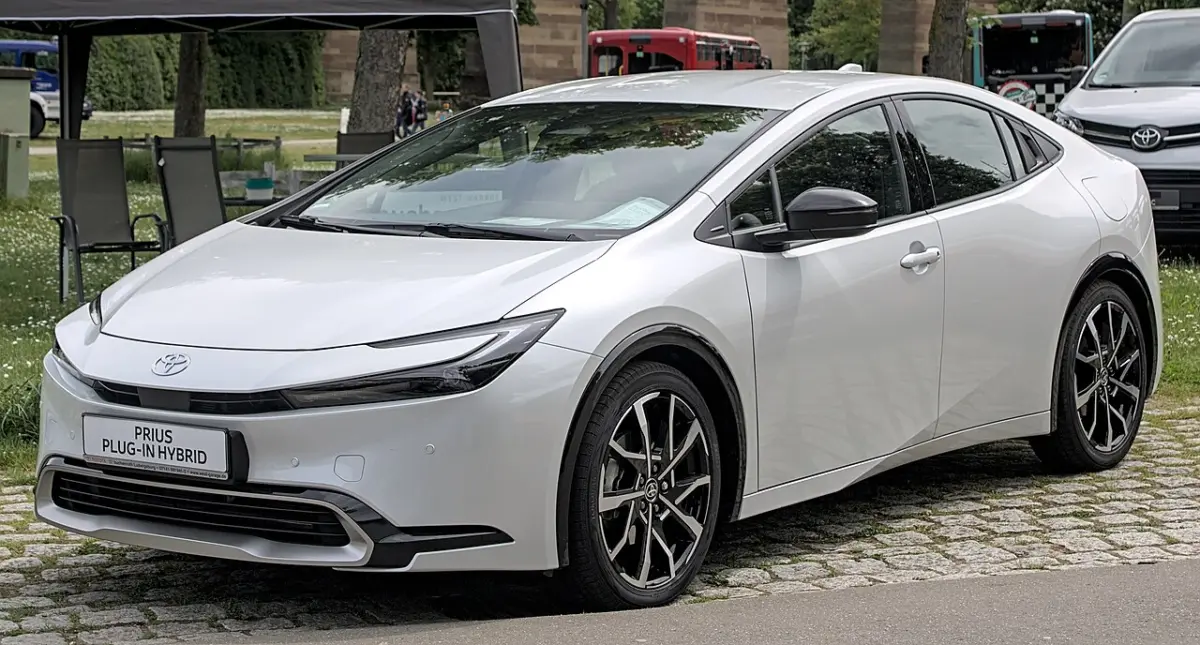
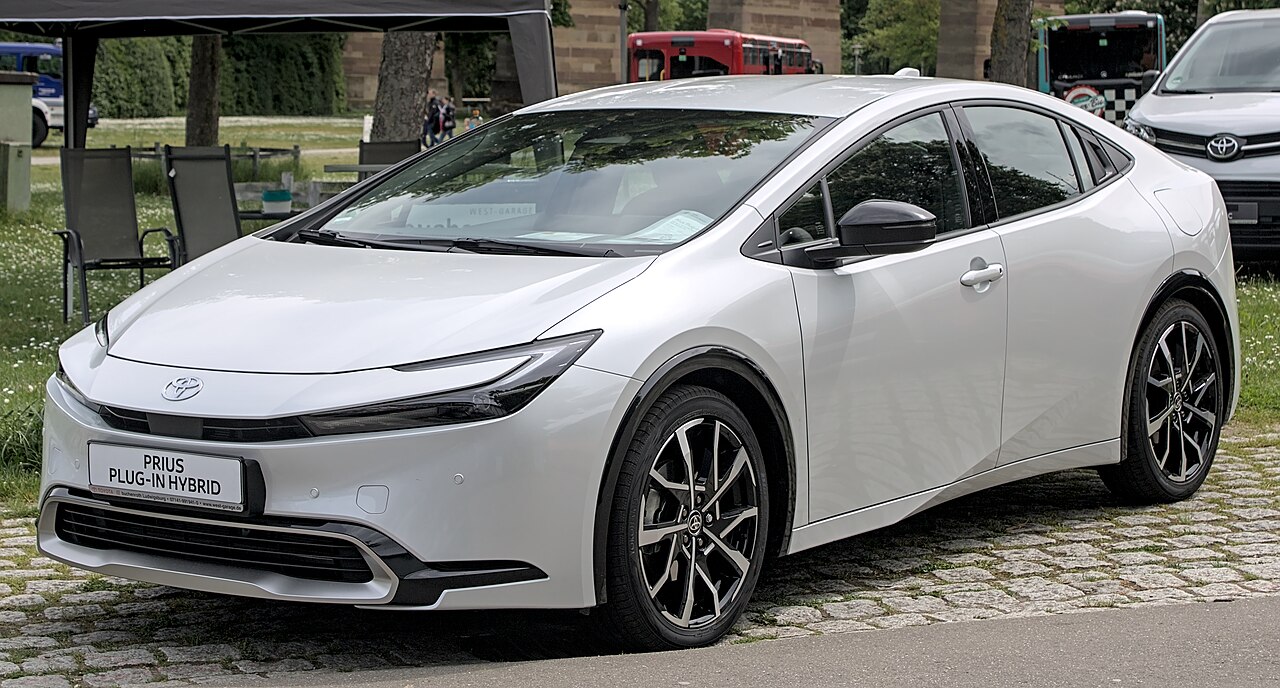
For over a decade, plug-in hybrid electric vehicles (PHEVs) have been marketed by traditional automakers as the ultimate "bridge" technology. Positioned as the pragmatic compromise for drivers not yet ready to take the leap into a fully battery-electric vehicle (BEV), these dual-fuel machines promised the best of both worlds: zero-emission electric driving for daily commutes, paired with a traditional internal combustion engine (ICE) for long-distance road trips.
However, a scathing assessment from the clean transport campaigning organization Transport & Environment (T&E) has shattered that carefully curated marketing illusion. According to their latest findings, plug-in hybrids are little more than a "greenwashing stunt," offering real-world fuel efficiency and carbon emissions reductions that barely outpace conventional, fully gas-powered vehicles.
Rather than serving as an environmentally friendly stepping stone toward total decarbonization, the modern PHEV market has increasingly become an exercise in regulatory compliance gymnastics. Automakers utilize these vehicles to lower their corporate average fleet emissions on paper, while real-world usage—frequently dictated by infrequent charging habits, heavy vehicle frames, and reliance on fossil fuels—tells a vastly different story.
This comprehensive report explores the mechanics of the PHEV controversy, examining the data behind T&E’s assertions, the systemic failures in real-world emissions testing, the implications for global climate policy, and what the future holds for a transport sector desperately seeking genuine sustainability.
Detailed Chronology: The Rise, Fall, and Real-World Reckoning of PHEVs
To understand how plug-in hybrids reached this precarious juncture, it is necessary to trace their trajectory through the shifting landscape of automotive engineering and global environmental regulation.
Phase 1: The Promise of the Bridge (Early 2010s)
When the modern wave of plug-in hybrids entered the commercial market in the early 2010s, they were heralded as a masterstroke of design. Early adopters could commute entirely on electricity drawn from home chargers, theoretically cutting urban air pollution to zero. When venturing beyond the modest 20- to 30-mile electric range of the era, the gasoline engine would seamlessly engage, eliminating the "range anxiety" that paralyzed early BEV adoption. Governments worldwide, eager to incentivize low-emission technologies, rushed to subsidize PHEVs with generous tax credits, rebates, and exemptions from urban congestion pricing.
Phase 2: The Regulatory Loophole (Mid-to-Late 2010s)
As strict fleet-wide emissions targets—such as the European Union’s 95g CO2/km standards—began to loom over automakers, the industry found a golden goose in the PHEV. Under standardized laboratory testing protocols (such as the outdated New European Driving Cycle, or NEDC, and later the Worldwide Harmonized Light Vehicles Test Procedure, or WLTP), PHEVs posted astonishingly low carbon dioxide figures.

These tests assumed a utopian "utility factor"—the proportion of miles driven on electricity versus gasoline. For years, regulatory frameworks assumed that drivers would plug in their vehicles religiously every night, resulting in theoretical electric driving shares exceeding 70% to 80%. Automakers designed their compliance strategies around these glowing paper metrics, flooding the market with heavy, high-horsepower luxury SUVs equipped with plug-in hybrid powertrains.
Phase 3: The Empirical Reality Check (2020–Present)
As independent researchers, environmental watchdogs, and governmental bodies began analyzing telematics data from actual vehicles on the road, the discrepancy between laboratory theory and real-world practice became impossible to ignore.
Studies by the International Council on Clean Transportation (ICCT) and Transport & Environment repeatedly demonstrated that real-world emissions from PHEVs were often two to four times higher than their type-approval ratings. Fleet operators, company car drivers (who enjoyed tax incentives without footing the fuel bill), and private owners alike were found to plug in far less frequently than anticipated. In many cases, company-issued PHEVs were being driven thousands of miles exclusively on gasoline, with the charging cables left perpetually wrapped up in their original factory plastic packaging in the trunk.
By September 2026, organizations like T&E formally cast aside any remaining diplomatic ambiguity, branding the entire class of vehicles as a regulatory loophole and a greenwashing exercise designed to protect the profitability of combustion engine manufacturing.
Supporting Context & Metrics: Unpacking the Data Behind the Claim
The core of Transport & Environment’s critique rests on hard metrics, physical limitations, and systemic human behavior patterns that laboratory tests consistently fail to capture.
1. The Weight Penalty of Dual Powertrains
A fundamental law of physics dictates that adding mass increases energy consumption. A plug-in hybrid is, by definition, an engineering compromise that carries the worst of both structural worlds:
- A heavy internal combustion engine, fuel tank, exhaust system, and multi-speed transmission.
- A secondary heavy electric drive system, including an onboard charger, inverter, electric motor, and a high-voltage lithium-ion battery pack.
When a PHEV’s battery is depleted, the vehicle must haul around hundreds of pounds of dead electric weight powered solely by a gasoline engine. In many models, this results in worse fuel economy on long highway stretches than a comparable, lighter non-hybrid gas vehicle designed from the ground up for efficiency.

2. The Charging Deficit
Laboratory testing assumes optimal user behavior. Reality is vastly different:
- The Company Car Effect: In numerous European and North American markets, PHEVs dominate corporate fleet sales because of tax breaks. Because employers often pay for fuel cards while employees bear electricity costs at home, drivers have zero financial incentive to plug the vehicles in.
- Lack of Infrastructure: Millions of urban apartment dwellers and street-parking residents lack home-charging access. Buying a PHEV without a dedicated charger reduces the vehicle to an inefficient, heavy gas car that relies entirely on regenerative braking for meager electrical recovery.
3. Real-World Emissions Discrepancies
According to comprehensive fleet tracking data analyzed by environmental agencies:
- Official laboratory ratings for modern luxury PHEV SUVs often claim emissions of 30 to 50 grams of CO2 per kilometer.
- On-road telematics reveal that actual emissions frequently surge past 120 to 150 grams of CO2 per kilometer once real-world driving cycles and charging frequencies are factored in—putting them on par with, or even exceeding, efficient conventional hybrids (HEVs) that never need to be plugged in.
Official Statements and Industry Reactions
The declaration by Transport & Environment has ignited a fierce debate across the global automotive ecosystem, drawing sharp contrasts between environmental advocates, legacy automakers, and policy regulators.
Transport & Environment’s Stance
In their policy briefings, representatives for T&E have been unequivocal. They argue that the continued promotion of plug-in hybrids acts as a life-support system for the dying fossil-fuel supply chain.
"Plug-in hybrids are not a bridge to zero emissions; they are a bridge to continued regulatory non-compliance and climate stagnation," noted a senior T&E analyst. "Automakers have weaponized the PHEV category to create a facade of green transformation while locking consumers into vehicles that burn fossil fuels for the vast majority of their operational lives. It is time for governments to strip away subsidies for these vehicles and direct capital exclusively toward true zero-emission battery electrics."
The Legacy Automaker Defense
Automotive manufacturers and trade associations have fiercely defended the technology, arguing that prematurely banning or disincentivizing PHEVs risks consumer backlash and economic disruption. Industry defenders emphasize that:
- PHEVs remain an essential stepping stone for regions lacking robust, nationwide ultra-fast charging infrastructure.
- For drivers living in rural areas with long commutes, a PHEV provides a practical hedge against range anxiety.
- Automakers have invested tens of billions of dollars into retooling factories for hybrid architectures, and abrupt regulatory shifts threaten thousands of manufacturing jobs.
Regulatory Shifts on the Horizon
Governments are slowly beginning to acknowledge the gap between paper metrics and asphalt reality. Regulatory bodies in Europe and North America have begun tightening their "utility factor" assumptions for type-approval testing, forcing automakers to report more realistic emissions figures. However, critics argue these regulatory adjustments are too little, too late, and fail to rectify the damage already done to fleet carbon budgets over the past decade.

Future Outlook: The Death of the Compromise?
As the global automotive market accelerates toward the 2030s, the long-term viability of the plug-in hybrid looks increasingly grim. Several critical trends are reshaping the debate:
1. Falling Battery Costs and Expanding Infrastructure
The primary justifications for PHEVs—high battery costs and sparse charging networks—are rapidly evaporating. As lithium-ion chemistry evolves, manufacturing costs continue to decline, narrowing the upfront price gap between BEVs and ICE/PHEV alternatives. Simultaneously, public fast-charging networks are expanding exponentially across major metropolitan corridors and interstate systems, significantly mitigating range anxiety.
2. The Rise of the Conventional Hybrid (HEV) as a True Stopgap
Ironically, while PHEVs face intense scrutiny, non-plug-in full hybrids (like those pioneered by Toyota and refined across the industry) are experiencing a renaissance. Because HEVs do not rely on user behavior to achieve their efficiency—their batteries are self-charging via regenerative braking and the internal combustion engine—they consistently deliver their promised fuel savings without requiring a single plug. For markets not yet ready for full electrification, efficient HEVs offer genuine, uncompromised efficiency gains without the greenwashing baggage of the PHEV.
3. Policy Exits and Subsidy Phase-Outs
Forward-thinking municipal and national governments are beginning to phase out financial incentives for plug-in hybrids. As tax credits and preferential parking schemes restrict eligibility strictly to zero-emission vehicles (BEVs and fuel-cell vehicles), the financial business case for purchasing a PHEV will steadily erode for both commercial fleets and private consumers.
Conclusion
The verdict delivered by Transport & Environment serves as a wake-up call to the automotive industry and policymakers alike. The era of masking continued fossil-fuel dependency behind clever regulatory accounting and misleading laboratory tests is drawing to a close.
Plug-in hybrids, once envisioned as the pragmatic heroes of the green transition, stand exposed as a costly technological detour—a greenwashing stunt that prioritized corporate compliance over real-world atmospheric protection. As the climate crisis deepens and true zero-emission alternatives mature, the transport sector can no longer afford half-measures. The road ahead demands absolute transparency, uncompromising standards, and a definitive commitment to genuine, zero-emission mobility.