









Executive Overview
The shifting topography of American migration patterns continues to reveal fascinating demographic currents, none more telling than the subtle yet steady exodus of baby boomers from major urban centers to more manageable, economically viable mid-sized cities. According to recent mobility metrics—specifically highlighted in the U-Haul Midyear Migration Trends report tracking movement through mid-2026—a significant demographic pivot is underway in the American Midwest.
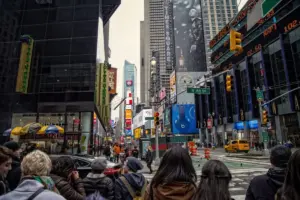
Chicago, the cultural and economic titan of the region, is experiencing a steady outflow of residents. While retirees and late-career professionals are scattering across the Sun Belt and mountain West, a notable contingency of Chicago baby boomers is staying close to home, relocating just three hours northeast to Grand Rapids, Michigan.
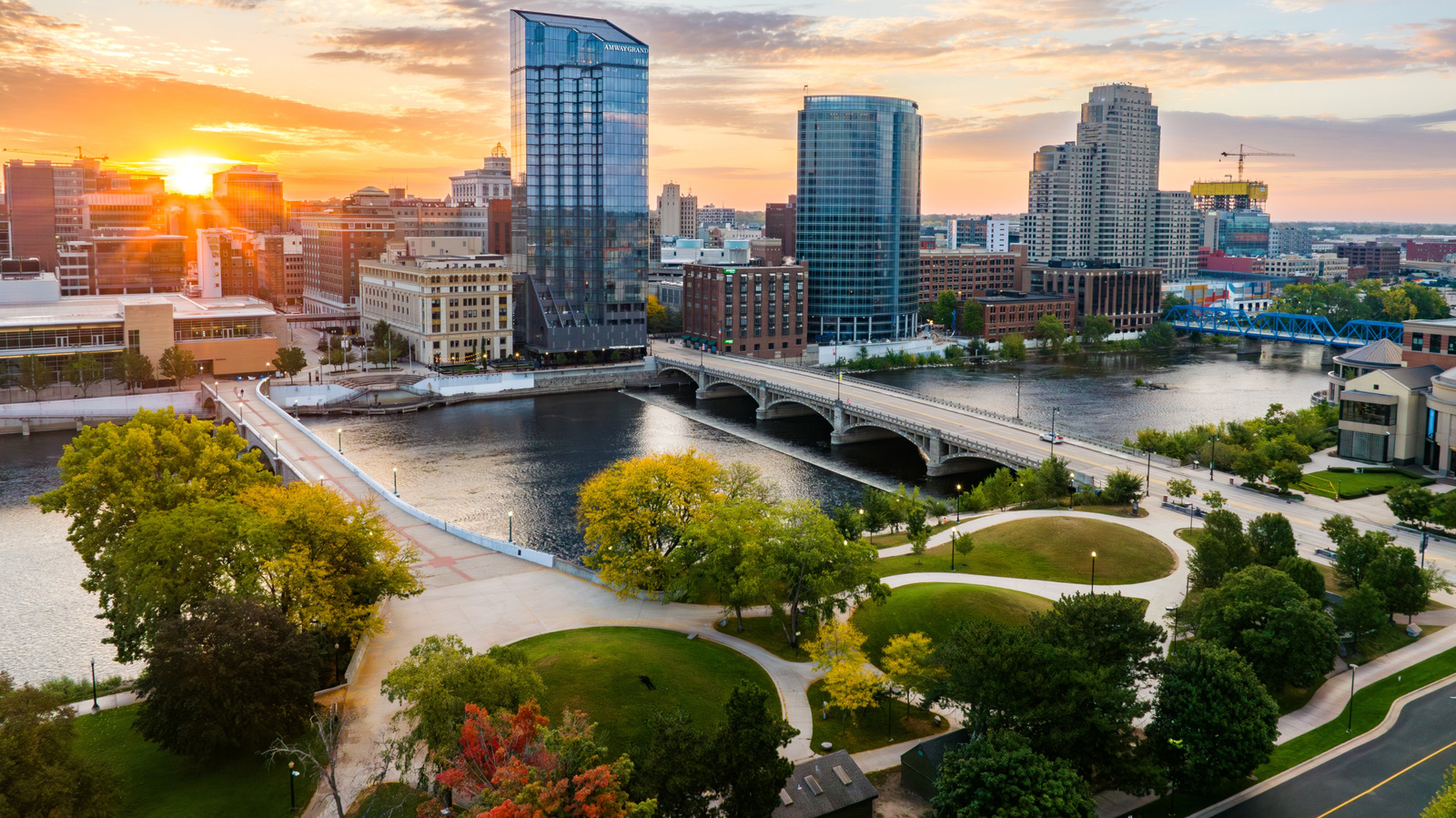
This migration stream is more than a simple lifestyle change; it represents a calculated financial and social recalibration. Driven by soaring property taxes, cost-of-living pressures, and an urban environment increasingly viewed as financially demanding, Chicagoans are seeking out Michigan’s second-largest city for its unique blend of big-city cultural amenities and accessible small-town charm. Often lauded as a "mini-Chicago," Grand Rapids offers an enticing package: a booming craft beverage scene, robust employment opportunities for semi-retirees, enhanced proximity to natural landscapes, and a cost of living that sits comfortably below the national average.
Detailed Chronology of a Regional Shift
To understand the current movement of Chicago boomers to West Michigan, it is necessary to examine the compounding socioeconomic pressures that have built up over the past decade in Illinois, culminating in the distinct migration waves recorded between 2025 and 2026.
2020–2024: The Accumulation of Economic Pressures
For years, the Chicago-Naperville-Schaumburg metropolitan area has grappled with high state and local tax burdens, pension liabilities, and rising property assessments. While younger generations often cite housing costs and job mobility as primary catalysts for leaving Illinois, older demographics—particularly those approaching or entering retirement—have faced acute vulnerability regarding fixed-income planning. Data from advocacy groups like the Illinois Policy Institute underscore a persistent outmigration trend, with tens of thousands of residents abandoning the region annually. Safety concerns and urban congestion further eroded the appeal of continuous residency for older adults seeking a quieter, more secure chapter of life.
July 2025 – June 2026: The U-Haul Migration Data Point
The inflection point for quantifying this specific generational shift arrived with the release of U-Haul’s Midyear Migration Trends data. Tracking customer moves across major metropolitan statistical areas (MSAs) with populations exceeding one million, the data isolated baby boomers (individuals born between 1946 and 1964) as a distinct cohort.
Within this demographic filter, Grand Rapids emerged as the top net-gain metropolitan destination for departing Chicago boomers. Furthermore, the state of Michigan positioned itself at No. 3 among the preferred net-gain states for Chicagoans of this generation. What was once an anecdotal trickle of retirees seeking lake effect breezes and affordable housing crystallized into an identifiable, measurable migration corridor.

Supporting Context & Metrics: The Numbers Behind the Move
The decision to relocate from the nation’s third-largest city to a mid-sized Midwestern hub is fundamentally rooted in economics, lifestyle infrastructure, and environmental factors.
Cost of Living and Financial Sustainability
The financial disparity between Chicago and Grand Rapids is stark, providing an immediate incentive for boomers on fixed incomes or those orchestrating downsized retirement portfolios.
- Chicago: According to data from PayScale, the cost of living in Chicago is approximately 18% higher than the national average, driven largely by steep housing costs, utilities, and taxation.
- Grand Rapids: Conversely, PayScale notes that the cost of living in Grand Rapids sits at just 4% higher than the national average, offering retirees and pre-retirees significantly greater purchasing power. Housing inventory, healthcare costs, and everyday consumer goods scale far more reasonably in West Michigan.
Employment and Economic Vitality
Unlike traditional retirement havens that cater solely to the idle lifestyle, Grand Rapids possesses a dynamic, diversified economy. While many relocating boomers have transitioned out of the full-time workforce, a significant percentage are engaging in bridge careers, consulting, or part-time employment. Grand Rapids has previously earned national accolades as one of the nation’s premier cities for job seekers, boasting low unemployment rates and thriving healthcare, manufacturing, and tech sectors.
Environmental Access and the "Nature Deficit"
Urban planning metrics increasingly measure a city’s livability through its residents’ access to green spaces and outdoor recreation. A study by Kühl evaluating the "Nature Deficit Index" ranked Chicago as the third most nature-starved city in the United States.
Grand Rapids presents a direct antidote to this urban confinement. Situated within a short drive of the pristine shores of Lake Michigan—including iconic day-trip destinations like Saugatuck—residents enjoy immediate access to hiking trails, freshwater beaches, and expansive park systems. This environmental permeability satisfies the lifestyle demands of active boomers who prioritize outdoor recreation in their post-career years.
Cultural Parallels: Welcome to "Beer City, USA"
One of the primary anxieties associated with relocating from a global metropolis like Chicago is the fear of cultural deprivation. However, Chicago boomers settling in Grand Rapids quickly realize they are trading the high-stress density of the Windy City for an enclave that mirrors Chicago’s appreciation for the arts, culinary excellence, and community spaces—all wrapped in a welcoming Midwestern aesthetic.
The Craft Beer Revolution
Grand Rapids earned its moniker as "Beer City, USA" thanks to a craft beverage renaissance that began in the 1990s with pioneers like Founders Brewing Co. For baby boomers—statistically documented as consumers who favor beer over other alcoholic beverages—the city’s vast network of independent breweries offers a vibrant social infrastructure.
The local "Ale Trail" maps out dozens of distinct brewing establishments, including award-winning venues like The Mitten Brewing Co. Housed in a historic 19th-century engine house, The Mitten marries local heritage with culinary innovation, serving up renowned Detroit-style specialty pizzas alongside handcrafted ales. Furthermore, national accolades, such as top rankings from USA Today 10Best, regularly highlight Grand Rapids for hosting some of the most comprehensive and engaging brewery tours in the country.
Art, Architecture, and Cosmopolitan Energy
Beyond its brewing culture, Grand Rapids punches well above its weight class culturally. The city famously hosts ArtPrize, one of the world’s largest open art competitions, drawing international artists and enthusiasts annually. World-class museums, symphony orchestras, and a burgeoning culinary scene ensure that former Chicagoans do not feel they are sacrificing sophistication for serenity. At the same time, the city’s manageable scale eliminates the traffic gridlock and logistical friction characteristic of bigger cities.
Future Outlook: A Sustained Midwestern Trend
As municipal planners, real estate developers, and demographers look toward the remainder of the decade, the Chicago-to-Grand Rapids migration corridor is projected to remain active. Several macro-trends suggest this is not a temporary anomaly, but a permanent structural shift in how Midwestern baby boomers choose to age in place.
- Remote Work and Hybrid Retirement: The normalization of flexible work arrangements enables older professionals to transition into retirement gradually. Grand Rapids provides the ideal hybrid landscape—sophisticated enough to support professional connectivity, yet relaxed enough to facilitate a seamless transition into leisure.
- Housing Market Resilience: As suburban and urban housing markets in Illinois remain burdened by high property tax projections, West Michigan offers stable, appreciating real estate assets that appeal to downsizers seeking to maximize their equity.
- Proximity Maintenance: For many Chicago expatriates, cutting ties entirely with family and lifelong social networks in Illinois is unappealing. Grand Rapids’ geographic sweet spot—precisely three hours away by car or train—allows boomers to maintain close familial bonds, attend Chicago sporting events, or host visiting relatives without enduring the constant daily stressors of metropolitan residency.
Ultimately, the migration of Chicago boomers to Grand Rapids is a testament to the evolving priorities of an aging generation. By trading the high-cost, high-stress environment of America’s third-largest city for the award-winning craft brews, cultural vibrancy, and economic breathing room of West Michigan, these travelers are not running away from home—they are simply redefining what home looks like for their next great chapter.