







Executive Overview
The modern travel booking journey no longer begins on a search engine, an online travel agency (OTA) homepage, or a brand’s loyalty app. It begins on a vertical screen, sandwiched between a 15-second comedy skit and a tutorial, sparked by a cinematic, highly curated POV video of a hidden cliffside cove in Mallorca or a boutique ryokan in Kyoto. Creator-led demand is no longer an experimental top-of-funnel marketing tactic; it is a primary macroeconomic driver of global tourism. Yet, an extraordinary systemic paradox plagues the travel industry: while every major airline, hotel conglomerate, cruise line, and OTA can clearly see creator-driven demand working on their balance sheets, no single corporate department owns the customer journey from end to end.
The brand tracks the ad spend; the social media platform logs the view and the click; the affiliate network calculates the commission payout; and the content creator commands the audience and the trust. Crucially, however, no single corporate seat possesses a unified view of the entire path from an initial video impression to a finalized, high-value booking.
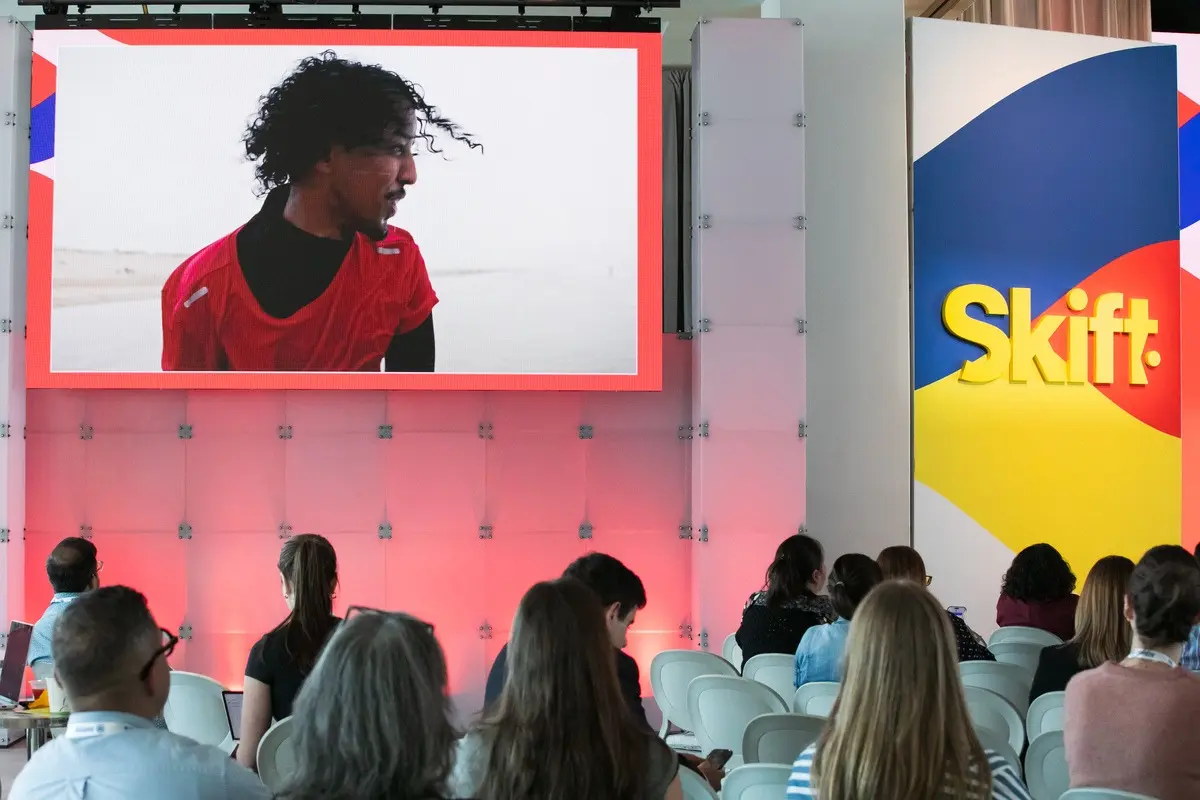
To confront and dismantle this operational fragmentation, the upcoming Skift Creator Summit, presented by Meta, has been engineered as a high-stakes, closed-door working session. Scheduled for September 22, the summit is explicitly designed not for passive observers or theorists, but for the hard-nosed operators who actually own budgets, direct platforms, and dictate outcomes. By gathering the disparate gatekeepers of the creator economy into a single room, the event aims to bridge the chasms between brands, platforms, affiliate rails, and creators—paving the way for a unified infrastructure in creator-led travel marketing.
Detailed Chronology: The Evolution of Creator-Led Travel
To understand why a closed-door summit is urgently required today, one must trace the rapid, often chaotic evolution of how the travel industry interacts with digital content creators.
Phase 1: The Era of the Free Trip (Pre-2018)
In the early days of travel blogging and Instagram, the monetization model was remarkably rudimentary. Hospitality brands and tourism boards treated content creators as cheap public relations tools. Hotels traded empty rooms and complimentary breakfast buffets in exchange for grid posts and vague promises of "exposure." There was no attribution modeling, no performance marketing metrics, and minimal oversight. Brand executives viewed influencer marketing as a discretionary PR line item rather than a measurable customer acquisition channel.
Phase 2: The Rise of the Influencer Agency and Vanity Metrics (2018–2021)
As social platforms matured and user attention decisively shifted toward visual media, influencer marketing professionalized. Dedicated talent agencies emerged, and brands began allocating actual media dollars to creators. However, this era was dominated by vanity metrics: follower counts, aggregate likes, and raw impressions. Travel brands struggled to tie a creator’s million-view Reel to actual hotel bookings or flight reservations. The disconnect between top-of-funnel brand awareness and bottom-of-funnel conversion created widespread skepticism among Chief Financial Officers (CFOs) regarding the true ROI of creator partnerships.

Phase 3: The Performance-Driven Social Commerce Boom (2022–Present)
Today, the paradigm has fundamentally shifted. The rise of short-form video algorithms (TikTok, Instagram Reels, YouTube Shorts) combined with sophisticated native shopping features, deep-link capabilities, and robust affiliate tracking technologies has transformed creators into direct-response performance drivers. Creators are no longer just digital glossy magazines; they are decentralized distribution networks, booking engines, and travel advisors rolled into one.
Despite this sophistication, the operational infrastructure has failed to keep pace. As influencer marketing evolved into a powerhouse of performance marketing, it fractured across corporate silos. A hotel chain’s PR team might contract the creator, the performance marketing team might manage the paid amplification code, the e-commerce team tracks the affiliate link, and the data analytics department tries to stitch the fragmented attribution data together. The Skift Creator Summit arrives at a historical inflection point where this siloed approach is no longer sustainable.
Supporting Context & Metrics: The Anatomy of Creator-Led Demand
The economic imperative driving the Skift Creator Summit is underscored by compelling shifts in consumer behavior and digital ad spending.
The Trust Deficit and the Ascent of Peer Validation
Traditional travel advertising—slick, highly produced commercials broadcast on television or banner ads on desktop browsers—suffers from a severe trust deficit. Modern consumers, particularly Millennials and Generation Z, place significantly higher trust in peer recommendations than in corporate messaging.
- The Inspiration Engine: According to recent travel industry benchmarks, over 70% of younger travelers report discovering new destinations and properties via short-form video content on social media platforms.
- The Conversion Catalyst: Consumers are up to four times more likely to book a travel experience if it is recommended by a creator they follow and trust, compared to a standard digital display ad.
- The Attribution Gap: Despite these impressive engagement metrics, industry surveys reveal that nearly 65% of travel marketing executives admit they cannot accurately attribute a direct booking back to a specific creator’s piece of content past the initial 7-day cookie window.
The Multi-Seat Ownership Dilemma
The central friction point in creator marketing is the "ownership vacuum." Consider the modern lifecycle of a creator-driven travel booking:
- The Creator produces an authentic, beautifully shot video highlighting a unique boutique hotel experience in Costa Rica.
- The Platform (e.g., Meta, TikTok) delivers the content to millions of targeted users via algorithmic recommendation engines, capturing user attention and generating initial clicks.
- The Brand (the hotel’s in-house social media or paid acquisition team) drops paid media budget behind the organic post to maximize reach, optimizing for click-through rates.
- The Affiliate Rail (the booking technology or OTA affiliate network) processes the user transaction via a trackable affiliate link embedded in the creator’s bio or description.
Because these four pillars operate on entirely different technical stacks, key performance indicators (KPIs), and corporate incentive structures, the data refuses to speak a common language. The brand sees the spend, the platform sees the click, the affiliate rail sees the payout, and the creator sees the audience. No single executive in the corporate hierarchy has a panoramic view of the entire customer journey. This fragmentation leads to wasted ad spend, misallocated budgets, and friction-filled negotiations between brands and top-tier creators.
Official Statements and Industry Perspectives
The urgency of breaking down these silos has transformed how travel industry leaders view gatherings like the Skift Creator Summit. By curating a strictly vetted, closed-door working session, organizers are prioritizing high-level operational problem-solving over high-level keynote speeches and superficial networking.
Industry analysts emphasize that the traditional conference format—where attendees sit passively in rows listening to panel discussions—fails to address the granular, mechanical challenges of modern digital marketing. Creator-led demand requires cross-functional engineering, legal restructuring of contracts, and the integration of disparate software stacks.
"Every travel company can now see creator-led demand working, and still no single team owns it end to end," notes the foundational thesis of the Skift Creator Summit. "The brand sees the spend, the platform sees the click, the affiliate rail sees the payout, the creator sees the audience, and no one seat sees the whole path from a video to a booking. The Summit brings those vantage points onto one stage, and that is the reason to be in the room."
Presented in partnership with Meta, the summit is intentionally designed as an exclusive working group. Attendance is strictly restricted and rigorously vetted based on role and budget authority. The objective is to ensure that every participant sitting at the roundtables holds direct operational control over creator spend and outcome measurement.
The confirmed roster brings together the definitive architects of this ecosystem:
- In-House Brand Leaders: Executives running paid social, creator acquisition, influencer partnerships, and content strategies at major OTAs, global hotel chains, cruise lines, and legacy airlines.
- Agency Powerhouses: The media planners and buyers who allocate multi-million-dollar digital budgets on behalf of massive travel brands.
- Platform Technologists: Representatives from leading social platforms who are building the native infrastructure that bridges inspiration and transaction.
- Elite Creators: The digital entrepreneurs who have evolved from independent artists into sophisticated media companies and booking catalysts.
By bringing these entities into a closed-room environment, the summit bypasses public relations talking points, enabling participants to tackle real-world pain points: attribution modeling, data-sharing protocols, dynamic commission structures, and multi-channel campaign optimization.
Future Outlook: What Lies Ahead for Creator-Led Travel
As we look toward the remainder of the decade and beyond, the intersection of creator culture and travel booking will undergo a radical structural transformation. Several key trends will dictate how travel brands and creators collaborate, largely shaped by the collaborative solutions forged in exclusive forums like the Skift Creator Summit.
1. The Death of the Attribution Black Box
The era of guessing at influencer ROI is drawing to a close. Over the next 24 to 36 months, travel brands and platforms will deploy sophisticated closed-loop attribution models. By integrating native checkout APIs directly into social media ecosystems (such as Instagram’s native booking features and TikTok’s commerce integrations), the industry will finally bridge the gap between video view and room reservation. Brands will be able to track a consumer from an initial Reels impression through to checkout without losing data integrity across third-party cookies or fragmented affiliate links.
2. Fractional Ownership and Revenue-Sharing Models
As creators professionalize further, flat-fee sponsorships are increasingly giving way to performance-based revenue-sharing agreements. Rather than receiving a static fee for a post, top-tier travel creators will act essentially as decentralized affiliate partners, earning a percentage of every booking generated through their unique tracking infrastructure. This aligns incentives perfectly: creators are rewarded for driving actual commerce, and brands pay strictly for guaranteed business outcomes.
3. AI-Driven Personalization and Hyper-Targeting
Artificial intelligence will fundamentally alter how creator content is matched with high-intent travel consumers. Generative AI tools will allow brands to dynamically repurpose creator content across programmatic advertising channels, scaling winning organic videos into hyper-targeted paid acquisition campaigns across global markets. Furthermore, AI-powered travel planning interfaces will integrate creator video recommendations directly into conversational itinerary builders, allowing users to book an entire trip directly from a creator’s curated video feed.
4. The Consolidation of Corporate Oversight
Ultimately, travel organizations are beginning to realize that creator-led demand cannot remain an orphaned asset floating between the marketing, PR, and e-commerce departments. Forward-thinking travel companies are establishing dedicated "Creator Economy" or "Social Commerce" divisions. These unified teams report directly to Chief Marketing Officers (CMOs) or Chief Commercial Officers (CCOs), bringing end-to-end oversight to budgets, content creation, platform partnerships, and conversion analytics.
Conclusion
The Skift Creator Summit represents a vital stepping stone in this industry-wide maturation process. By locking the key operators in a room together—the brand owners, the platform architects, the affiliate executives, and the creators themselves—the travel sector is finally building the collaborative plumbing required to capture the full economic potential of the digital creator economy. For the operators who secure a seat at the table, the half-day spent comparing notes and mapping out shared infrastructure will not just define their marketing strategy for the upcoming fiscal year; it will establish the blueprint for how the entire global travel industry acquires customers in the digital age.