



Executive Overview
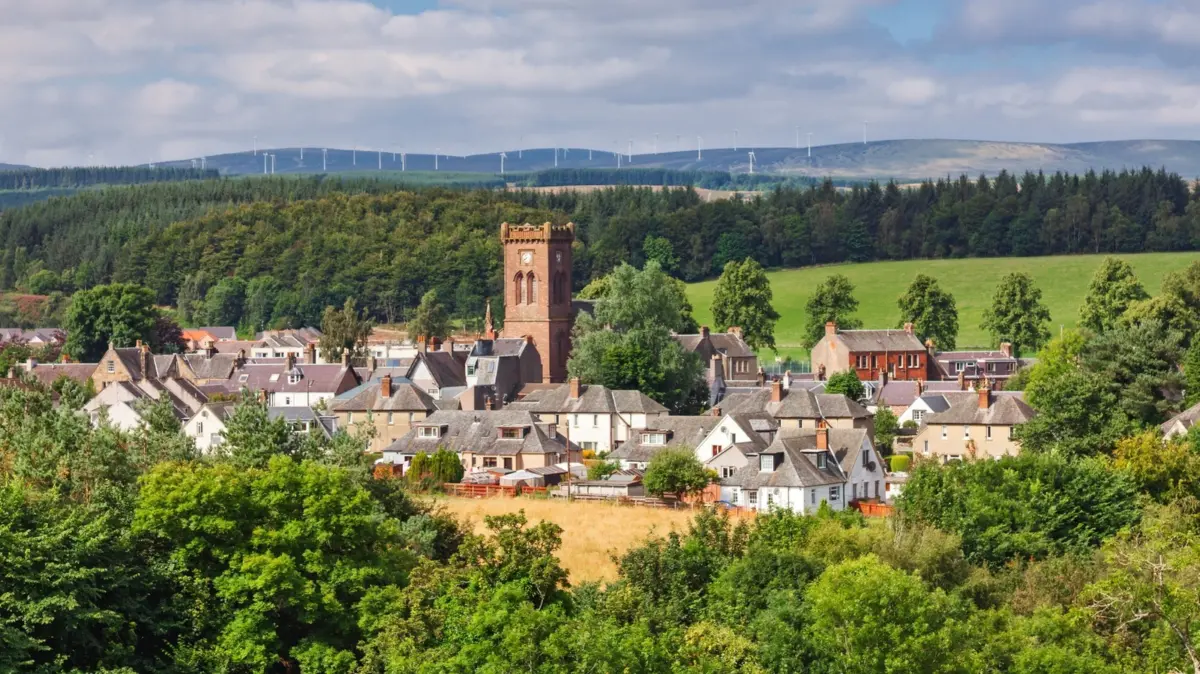
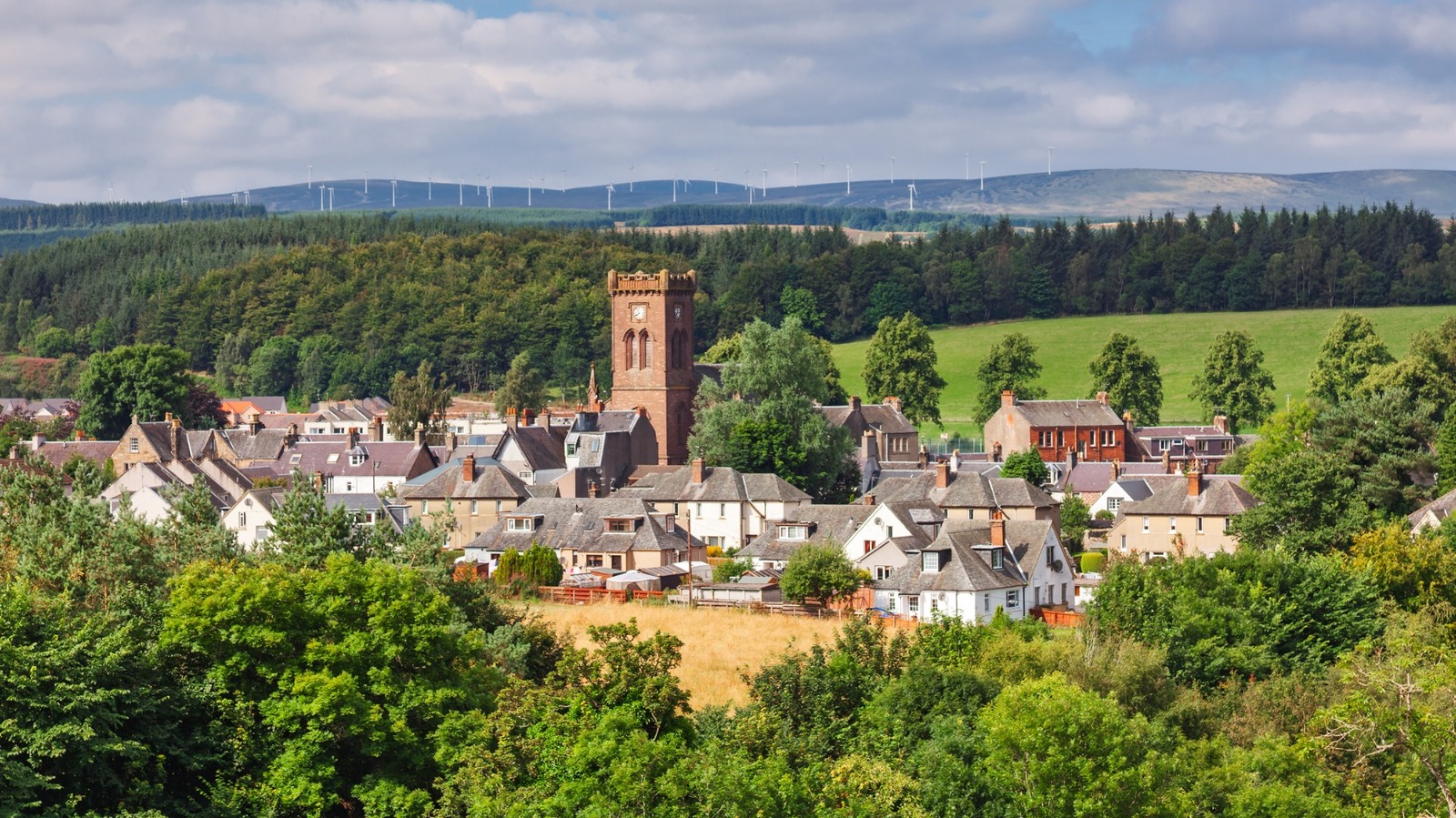
Nestled within the lush, rolling landscapes of central Scotland lies Doune, a picturesque village that punches well above its weight in both historical significance and global pop-culture footprint. Located a mere 45-minute drive from Edinburgh Airport, this charming community offers travelers an idyllic escape characterized by traditional stone architecture, vibrant floral displays, and a welcoming local ambiance. Yet, despite its tranquil village appeal, Doune is home to one of the most recognizable and frequently filmed fortresses in the United Kingdom: Doune Castle.
Perched dramatically on a wooded headland beside the meandering River Teith, Doune Castle is far more than a crumbling medieval relic. It is a cinematic titan that has captured the imaginations of millions worldwide. From serving as the fictional seat of the Starks in Game of Thrones and the ancestral home of Clan MacKenzie in Outlander, to functioning as nearly every stronghold in Monty Python and the Holy Grail, this 13th-century fortification anchors the village’s thriving tourism economy.
This comprehensive report explores Doune’s multifaceted appeal—tracing its journey from a medieval stronghold built by "Scotland’s uncrowned king" to a modern pop-culture mecca. We examine the logistics of traveling to the region, highlight local culinary and retail gems like the Auld Kirk House and Buttercup Cafe, detail the architectural and historical evolution of Doune Castle, and outline future initiatives designed to preserve this irreplaceable monument for generations to come.
Detailed Chronology: From Medieval Stronghold to Modern Landmark
To truly appreciate Doune, one must journey backward through the centuries to understand how a modest riverside settlement transformed into a theater of war, politics, and ultimately, cinematic magic.
The 14th Century: The Rise of Robert Stewart
The definitive history of Doune begins in earnest during the late 14th century. Following the Scottish Wars of Independence, the site of the current castle was chosen for its strategic defensive positioning along the River Teith. Construction of the imposing courtyard castle was spearheaded by Robert Stewart, Duke of Albany, who has gone down in history as "Scotland’s uncrowned king."
As a son of King Robert II and the younger brother of Robert III, Stewart served as Regent of Scotland for much of his life, wielding near-absolute royal power. He envisioned Doune Castle not merely as a military outpost, but as a lavish ducal residence that reflected his immense political stature. The fortress was designed with a massive gatehouse tower, a magnificent lord’s hall, and thick stone walls meant to project authority and withstand regional skirmishes. However, Stewart’s death in 1420 and the subsequent political instability surrounding the return of King James I from English captivity left portions of the castle’s grand design incomplete or altered over succeeding generations.
The Centuries In-Between: Sieges, Royalty, and Decay
Over the ensuing centuries, Doune Castle transitioned through various royal and noble hands. It served as a dower house for several Scottish queens, including Mary of Gueldres. The castle saw military action during the "Rough Wooing" of the 16th century, the Wars of the Three Kingdoms in the 17th century, and the Jacobite risings of the 18th century, when government and rebel forces successively occupied its drafty halls.
As weaponry advanced and the era of the private fortified manor house faded, the castle gradually fell into a state of roofless ruin. By the Victorian era, its picturesque decay had begun to attract early tourists and romantic poets, setting the stage for its eventual rescue by the state.
The 20th Century to Present: Preservation and Pop Culture Stardom
In the 20th century, stewardship of Doune Castle was transferred to the care of the nation (now managed by Historic Environment Scotland). Preservation efforts stabilized the ancient masonry, transforming the ruin into a premier heritage site.
Simultaneously, the mid-to-late 20th century marked Doune’s unlikely entry into the global entertainment industry. In 1974, the cast and crew of Monty Python and the Holy Grail descended upon the castle, forever altering its legacy. Subsequent decades brought high-definition television crews from HBO’s Game OF Thrones and Starz’s Outlander, cementing Doune’s status as a pop-culture pilgrimage site and driving unprecedented international tourism to the surrounding village.
Supporting Context & Metrics: Accessibility, Economy, and Tourism
Geographic Accessibility and Regional Transit
Doune’s accessibility is a major factor in its growing popularity among international travelers arriving in Scotland. Situated approximately 43 miles northwest of Scotland’s capital, the village can be reached by a convenient 45-minute drive from Edinburgh Airport (EDI).
For travelers preferring public transportation, a robust network of buses, trains, and private airport transfer services connects Edinburgh and Glasgow to the Stirlingshire region. The scenic drive itself serves as an appetizer for the trip, winding past serene Scottish farms, emerald-green forests, and historic hedgerows. A notable local landmark signaling motorists that they are nearing the village is a striking bronze statue dedicated to Colonel David Stirling, erected on the north side of the road. Stirling famously founded the Special Air Service (SAS) during World War II, playing a pivotal role in covert operations behind enemy lines before being knighted in 1990.
The Village Experience: Architecture, Commerce, and Hospitality
Upon entering Doune, visitors are immediately struck by its authentic Scottish character. Traditional stone houses feature brightly painted doors and window trimmings, offset by cascading floral window boxes that add vibrant splashes of color to the streetscape.
Accommodations in the area blend historical preservation with modern luxury. A prime example is the Auld Kirk House, a meticulously maintained stone building that once served as a church. It now operates as a boutique lodging option, offering guests an atmospheric basecamp from which to explore both the village and the adjacent castle grounds.
For retail therapy, visitors frequent The Desirable Curio, an upscale antique shop known for curating high-class, beautiful artifacts rather than cluttered bric-a-brac. Culinary needs are expertly met by local establishments such as the Buttercup Cafe, which offers healthy, beautifully plated meals served in a cozy, welcoming environment that reflects the warmth of the local community.
Tourism Metrics and Economic Impact
Heritage tourism serves as the primary economic driver for Doune and the broader Stirling council area. According to regional tourism boards:
- Annual Footfall: Doune Castle routinely attracts tens of thousands of visitors annually, with peak tourism seasons running from May through September.
- International Reach: Over 60% of international visitors cite television and film appearances (Outlander and Game of Thrones) as their primary motivation for adding Doune to their Scottish itineraries.
- Economic Ripple Effect: For every pound spent on castle admission, regional studies indicate that multiple pounds are injected into local cafes, bed-and-breakfasts, and specialty shops, sustaining year-round employment in a village of just over 2,000 residents.
Official Statements & Expert Insights
Preserving a structure that has stood for over 700 years requires a delicate balance between public access and rigorous conservation science. Cultural authorities and historians have frequently commented on the unique nature of managing a site that functions simultaneously as a fragile historical monument and an active cinematic celebrity.
Historic Environment Scotland on Conservation
Representatives from Historic Environment Scotland (HES), the lead public body charged with investigating, caring for, and promoting Scotland’s historic environment, emphasize the challenges of maintaining medieval masonry in an era of shifting climate patterns and high visitor volumes.
"Doune Castle is an architectural marvel that survived the turbulent centuries of Scottish dynastic conflict. Today, our primary mandate is ensuring that its structural integrity is maintained without stripping away the authentic, weathered character that visitors fall in love with. Balancing open public access with sustainable heritage management requires innovative technological partnerships."
The Monty Python Legacy: Terry Jones’s Perspective
The castle’s quirky architectural layout—marked by winding stone staircases, unexpected dead ends, and cavernous chambers—proved to be an ideal canvas for absurdist comedy. The late Terry Jones, co-director and star of Monty Python and the Holy Grail, frequently remarked on how the building’s eccentricities directly inspired the comedic timing of the film.
In archival interviews discussing the 1974 shoot, Jones noted:
"We didn’t have the budget to rent multiple castles, so we used Doune for virtually every castle scene in the movie. The building itself is so wonderfully bizarre with its twisty corridors and imposing gatehouse that it practically forced us to write jokes around its architecture. It wasn’t just a backdrop; it was practically a cast member."
Future Outlook: Preservation, Sustainability, and the Next Era of Tourism
As Doune looks toward the future, heritage managers and community leaders are actively implementing strategies to ensure that the village’s historic charm and economic vitality are preserved in the face of modern pressures.
The Monument Monitor Initiative
To combat wear-and-tear caused by increased foot traffic, Historic Environment Scotland has integrated Doune Castle into cutting-edge citizen-science programs such as Monument Monitor. This digital initiative encourages visitors to photograph specific architectural features of the castle and upload their images to an online portal.
By analyzing these crowdsourced photos using change-detection software, conservation experts can monitor weathering patterns, stone degradation, and structural shifts in real-time. This proactive approach allows maintenance teams to intervene early, preserving the fabric of the castle while actively engaging tourists in the stewardship of the site.
Sustainable Tourism and Community Growth
Looking ahead, the local council and tourism operators are prioritizing sustainable growth models to prevent over-tourism. Efforts are underway to improve cycling and walking trails connecting Doune to neighboring Stirlingshire attractions, encouraging visitors to leave their cars behind and reduce their carbon footprint.
Furthermore, local businesses are increasingly sourcing ingredients and goods regionally, strengthening the circular economy within the village. As global interest in screen tourism shows no signs of waning—fueled by ongoing syndication and streaming of Outlander, Game of Thrones, and classic cinema—Doune stands as a shining example of how a historic community can honor its medieval past while successfully embracing the modern global stage.