






Executive Overview
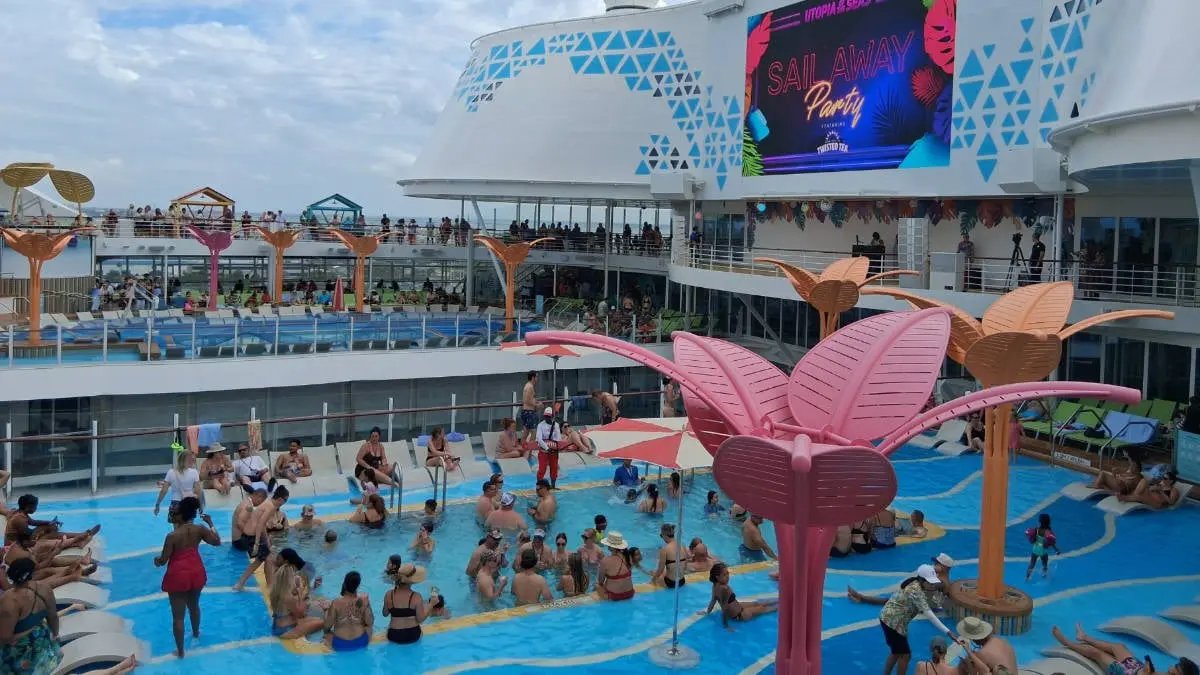
In the highly competitive and frequently booked-out world of modern cruising, cruise lines occasionally find themselves navigating the delicate math of inventory management. For thousands of eager vacationers, the anticipation of a weekend getaway is usually the highlight of their year. However, a select group of travelers booked on Royal Caribbean’s mega-ship Utopia of the Seas recently received an unexpected proposal from the cruise line: a proposition that essentially offered them a fully refunded vacation paired with a complimentary luxury upgrade—if they were willing to delay their holiday by a matter of days or weeks.
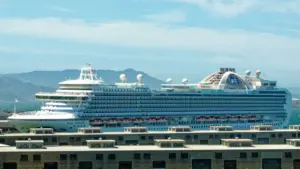
The offer targeted guests booked on a 3-night Bahamas voyage aboard the 5,668-passenger Utopia of the Seas, scheduled to depart from Port Canaveral, Florida, on September 4, 2026. Rather than heading down to the terminal as planned, recipients of this exclusive email were given the opportunity to voluntarily relinquish their cabins in exchange for an impressive suite of perks: a 100% refund of their cruise fare and a free upgrade to an Ocean View Balcony stateroom on one of three alternative sailings.
While cruise lines routinely deploy targeted compensation strategies to manage capacity, the generosity of this particular offer—coupled with cross-fleet shuffling involving sister ships like Harmony of the Seas—has sparked intense curiosity and widespread discussion across online cruise communities. This comprehensive report explores the mechanics behind Royal Caribbean’s latest inventory adjustment, analyzes consumer reactions, investigates the operational reasons behind these rare buyback initiatives, and provides a broader look at how the cruise industry handles over-capacity and logistical shifts.
Detailed Chronology: The Offer and the Response
The sequence of events began unfolding just days before the scheduled departure of the 3-night Bahamas itinerary aboard Utopia of the Seas. The voyage, designed to whisk travelers away to Nassau and Royal Caribbean’s immensely popular private island destination, Perfect Day CocoCay, before returning to Port Canaveral on September 7, 2026, was operating under peak demand conditions.
The Pitch from Royal Caribbean
Realizing that inventory constraints or operational adjustments were looming, Royal Caribbean’s revenue management and guest services teams initiated contact with select passengers. The outreach began with an email blast bearing a straightforward inquiry regarding schedule flexibility.
"Ahead of our Utopia of the Seas September 4, 2026, sailing, we are looking to see if you and your travel party have flexible travel arrangements," the email stated.
Rather than forcing cancellations or issuing unilateral bumps—a common practice in the heavily regulated airline industry, but far rarer and heavily compensated in the cruise sector—Royal Caribbean turned the situation into an opt-in proposition. Passengers who chose to participate were offered three specific alternative departure dates, all aboard the exact same ship (Utopia of the Seas) and departing from the exact same homeport (Port Canaveral):
- September 11, 2026
- September 18, 2026
- October 2, 2026
The incentive package attached to these alternative dates was remarkably attractive. Guests would receive a full, 100% refund of the cruise fare they had already paid, meaning their original financial outlay was entirely erased. Furthermore, to sweeten the deal, Royal Caribbean promised a complimentary upgrade to an Ocean View Balcony stateroom on the replacement sailing, a significant step up for passengers who may have initially booked interior or ocean-view rooms without private verandas. Because all replacement dates fell within a tight window of one month from the original departure, travelers did not have to significantly alter their long-term calendar planning to reap the benefits of a virtually free, upgraded vacation.
Social Media Buzz and Consumer Reaction
As is typical in the digital age, news of the email spread like wildfire across social media platforms, dedicated cruise forums, and private Facebook groups.
On Reddit’s popular r/royalcaribbean community, a thread quickly gained traction as stunned passengers compared notes. One traveler who had scrambled to secure the deal detailed their experience:
"Did anyone else get this offer for Utopia this weekend? We are booked in an inside room and submitted our ‘yes’ to this about an hour after getting the email," the user wrote. "Haven’t heard back yet and don’t think we will at this point."
The response highlighted a key operational reality of these promotional windows: demand from passengers willing to take the deal often outstrips the actual number of slots the cruise line needs to clear. Because cruise lines only require a specific number of cabins to be freed up to balance their manifest, submissions are often handled on a first-come, first-served basis or restricted once capacity thresholds are safely met. Consequently, many hopeful cruisers who eagerly clicked "yes" found themselves shut out, while others lamented that they never received the email in the first place.
Cross-Fleet Complexities: The Harmony of the Seas Connection
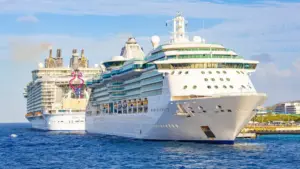
Adding an intriguing layer of investigative complexity to the incident, reports surfaced from passengers booked on entirely different vessels. A traveler scheduled for a 2-night sailing aboard Harmony of the Seas—departing from Port Canaveral on September 3, 2026—received a strikingly similar solicitation, but with a twist. Instead of being offered a refund to stay home, they were actively nudged toward the exact same September 4 Utopia of the Seas sailing.
"I got one for Harmony for tomorrow’s sailing. Interestingly it was pushing me to this September 4th sailing," the confused cruiser noted on a public forum. "Why do they send these? Is the ship overbooked or something?"
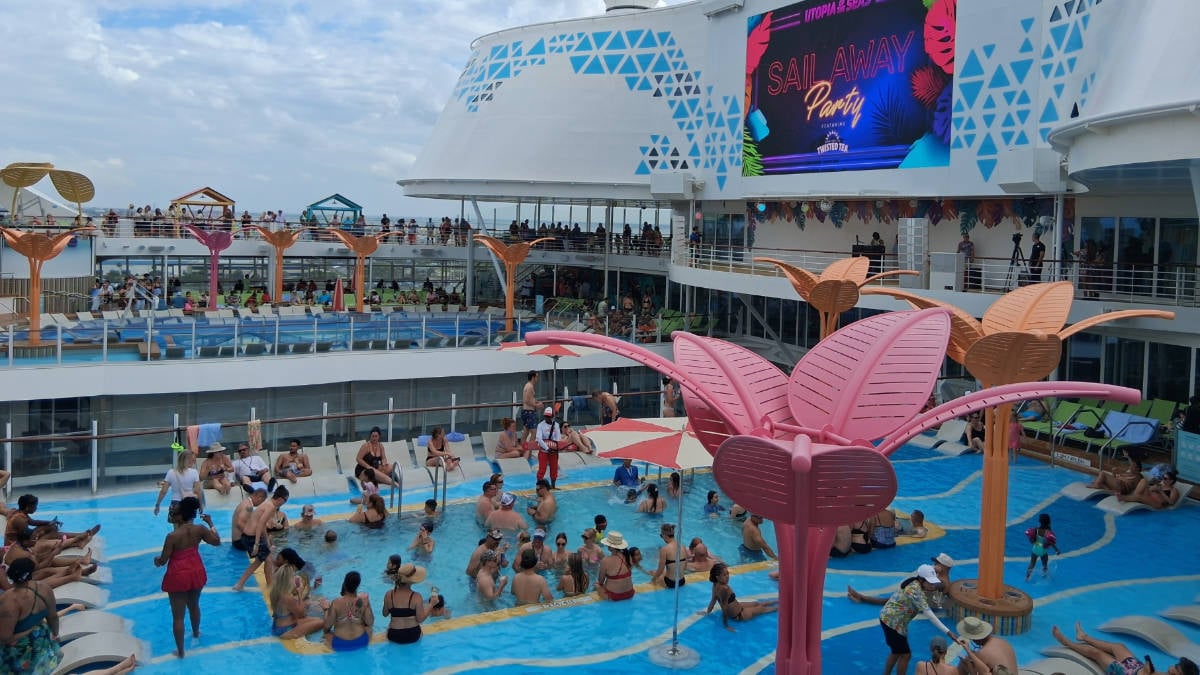
This cross-ship maneuvering suggests that the adjustments were not merely isolated instances of cabin overbooking on a single vessel, but rather part of a broader, highly calculated yield-management strategy spanning multiple mega-ships operating out of Central Florida.
Supporting Context & Metrics: Understanding Cruise Line Yield Management
To fully comprehend why a multi-billion-dollar corporation would voluntarily hand out full refunds and expensive cabin upgrades, one must examine the complex science of cruise line revenue management.
The Economics of Ship Capacity
Cruise ships operate under strict regulatory and operational caps. Unlike hotels, which can occasionally squeeze an extra cot into a room or manage minor overbooking through local property relocations, cruise ships face absolute legal passenger limits dictated by Coast Guard safety regulations, life-raft capacities, and customs clearances.
Furthermore, mega-ships like Utopia of the Seas—an Oasis-class vessel boasting a double-occupancy capacity of 5,668 guests (and a maximum capacity exceeding 6,500)—rely heavily on ancillary onboard spending to hit their profit margins. Casinos, specialty restaurants, shore excursions, spa treatments, and beverage packages generate immense revenue streams once guests are onboard.
However, revenue management teams utilize sophisticated predictive analytics to account for "phantom booking" loss: the historical percentage of passengers who cancel at the last minute due to illness, family emergencies, or unexpected life events. Occasionally, these mathematical models miscalculate, or external marketing pushes result in a lower-than-anticipated cancellation rate. When zero-cancellation anomalies occur, ships find themselves mathematically over capacity just days before embarkation.
The Cost of Overselling vs. The Cost of Compensation
When a ship is overbooked, cruise lines face a difficult choice:
- Deny Boarding at the Pier: Forcibly turning away passengers at the cruise terminal creates catastrophic public relations disasters, ruins vacations, and results in massive regulatory fines, legal liabilities, and mandatory compensation packages under passenger bill-of-rights guidelines.
- Voluntary Buyouts: Proactively identifying flexible travelers ahead of time and incentivizing them to move mitigates terminal chaos entirely. By offering a full refund paired with a high-value, low-marginal-cost upgrade (such as an empty balcony cabin that would otherwise sail completely empty and generate zero revenue), the cruise line turns a logistical nightmare into a customer loyalty win.
Industry analysts note that upgrading a passenger to an Ocean View Balcony costs the cruise line very little in direct operational expenditure—food and beverage costs scale with occupancy, but the physical infrastructure of the room is already paid for. By securing the voluntary release of an interior or obstructed-view cabin, Royal Caribbean frees up space to accommodate higher-tier bookings or resolves group-block miscalculations while building immense goodwill with the flexible travelers who snap up the deal.
Comparative Analysis: Recent Trends in Voluntary Rescheduling
Royal Caribbean is not alone in deploying these flexible buyout strategies. Over the past several cycles, major cruise corporations have increasingly leaned into pre-departure incentive emails as a smoother alternative to rigid penalty enforcement or last-minute denials of boarding.
| Vessel | Itinerary / Region | Original Date | Proposed Alternatives | Incentive Structure |
|---|---|---|---|---|
| Utopia of the Seas | Bahamas (Nassau / CocoCay) | September 4, 2026 | Sept 11, Sept 18, Oct 2, 2026 | Full cash refund + Free Ocean View Balcony upgrade |
| Voyager of the Seas | Alaska | September 4, 2026 | Alternate Alaska / Future Sailings | Full refund + Future Cruise Credit (FCC) |
| Harmony of the Seas | Bahamas / Short Getaway | September 3, 2026 | Shift to Utopia of the Seas (Sept 4) | Promotional re-accommodation & incentives |
In the case of the Voyager of the Seas Alaska sailing—which shared the exact same September 4, 2026 departure date—similar outreach letters were dispatched to booked guests. That particular deployment utilized a combination of full refunds and Future Cruise Credits (FCCs), illustrating that cruise lines tailor their incentive packages based on regional demand dynamics, seasonality, and inventory velocity. While Alaska cruises have highly constrained seasonal windows, short Bahamas getaways on mega-ships enjoy year-round frequency, making same-ship, near-date re-accommodation an easy win-win for both parties.
Future Outlook: What This Means for Future Cruisers
As the cruise industry continues its historic expansion, with mega-ships continually entering service and pushing passenger volumes to unprecedented heights, inventory optimization will remain a top priority for corporate revenue officers.
For everyday consumers, these emerging trends highlight several important takeaways:
- Flexibility Pays Off: Travelers whose schedules are adaptable are increasingly finding themselves in the catbird seat. By maintaining open lines of communication with cruise lines and opting into promotional surveys or flexibility databases, passengers open themselves up to lucrative upgrade and refund opportunities.
- The Rise of Proactive Yield Management: Expect cruise lines to automate and refine these voluntary buyout programs further. Rather than handling overbooking crises reactively at the port, algorithmic early-warning systems will likely trigger these targeted email campaigns weeks or days in advance, turning potential logistical crises into seamless marketing exercises.
- Community Vigilance: As seen with the rapid sharing of information on Reddit and Facebook, cruise travel communities have become vital information networks. Travelers are increasingly empowered to spot these trends, evaluate offers collectively, and make informed decisions about whether a delayed vacation is worth a free upgrade and cash in hand.
Ultimately, Royal Caribbean’s handling of the Utopia of the Seas schedule adjustment demonstrates a mature, customer-centric approach to modern logistical challenges. By treating passengers as partners in schedule management rather than adversaries in a zero-sum game, the cruise line ensures that even those who stay home walk away feeling like winners—primed and ready to step aboard when their newly upgraded floating palace finally sets sail.