




Executive Overview
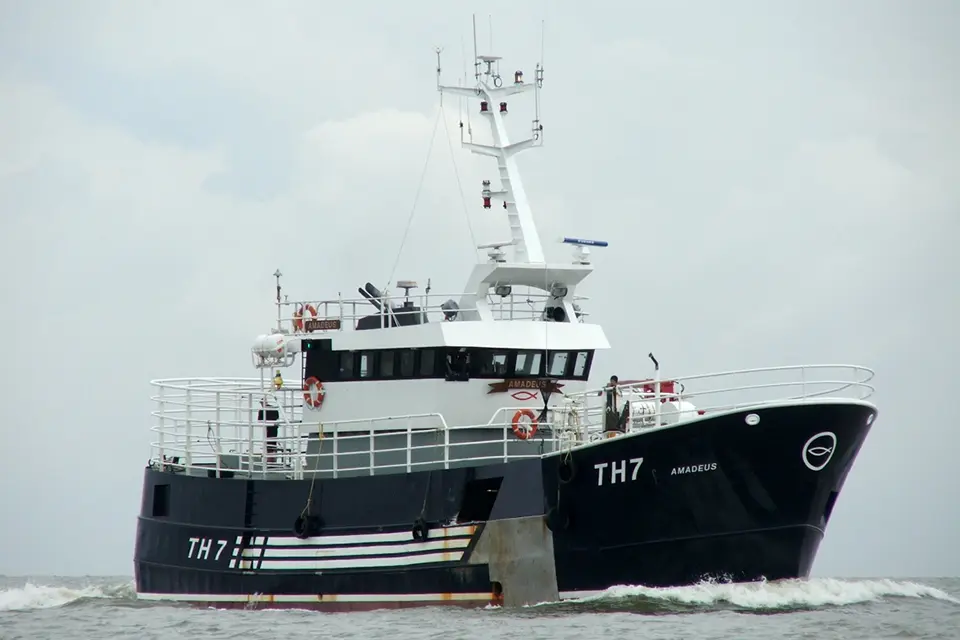
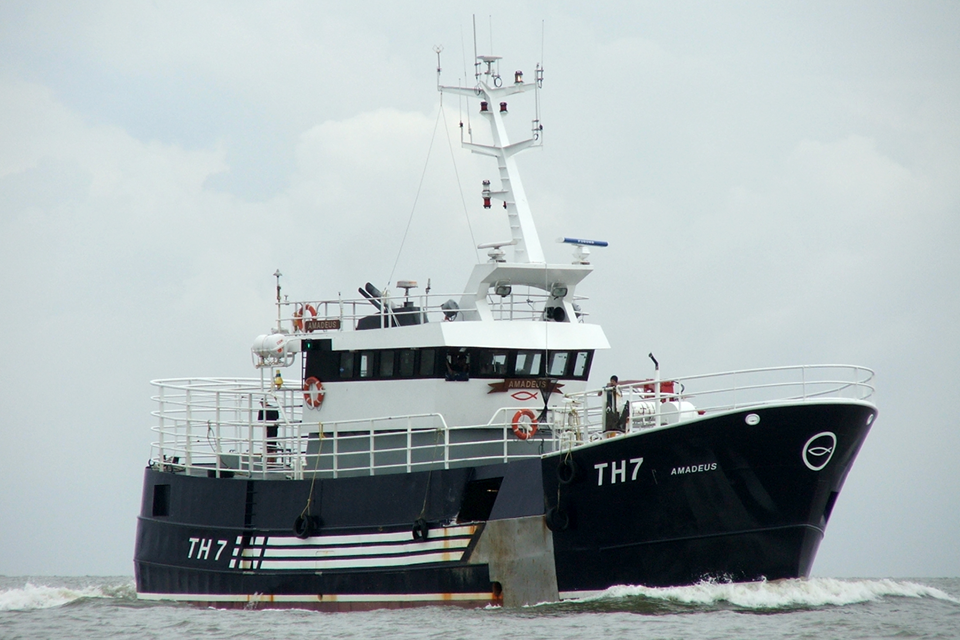
The release of the Marine Accident Investigation Branch (MAIB) report into the fatal loss of a young deckhand from the crab potting vessel Amadeus (TH7) lays bare an enduring and grim reality within the commercial fishing sector: the normalization of exhaustion, physical overload, and systemic safety vulnerabilities in some of the world’s most perilous waters.
The incident, which occurred on December 13, 2023, in the volatile waters of the German Bight within the North Sea, claimed the life of a crew member who slipped overboard during what the industry routinely categorizes as standard operational procedure. However, as maritime authorities emphasize, there was nothing routine about the environmental conditions, the physical toll, or the cumulative sleep deprivation that preceded the accident.
This comprehensive investigation report transcends the immediate boundaries of a localized maritime mishap, serving as a profound indictment of operating models that push commercial fishers past their biological limits. Chief Inspector of Marine Accidents Rob Loder has issued an uncompromising warning to the global maritime community: fatigue must no longer be treated as an unavoidable cost of doing business.
The Amadeus tragedy serves as a critical junction for regulatory oversight, vessel operators, and deck crews alike. By dissecting the causal chain—from grueling multi-week shift rotations and punishing physical labor in high-sea environments to the absence of targeted man-overboard safeguards—the MAIB report urges an urgent cultural shift across the commercial fishing industry. The findings underscore that without rigorous, institutionalized fatigue management and enhanced personal protective equipment (PPE), young lives will continue to be sacrificed to the daily routine of commercial harvesting.
Detailed Chronology of the Incident
The Setting: The German Bight and Winter Conditions
The German Bight, situated in the southeastern corner of the North Sea, is notoriously unforgiving during the winter months. Characterized by shallow waters that rapidly whip up steep, breaking seas under gale-force winds, the region presents immense navigational and physical challenges for commercial vessels. On December 13, 2023, the Amadeus, a specialized crab potting vessel, was operating in these exact hostile conditions.
Crab potting is an intrinsically strenuous method of fishing. It requires the continuous handling of heavy, water-logged steel and mesh pots, hauling lines under immense tension, and working on low-freeboard decks that are routinely washed over by freezing seawater. On the day of the accident, the Amadeus was pitching and rolling heavily as it navigated the choppy swells of the North Sea.
The Buildup to the Event
According to findings detailed in the MAIB investigation, the fatal accident was not the result of a single isolated failure of judgment, but rather the culmination of weeks of relentless physical strain. The deckhand who lost his life had endured prolonged periods of demanding labor with inadequate restorative rest. In the high-stakes environment of commercial shellfishing, economic pressures often compel crews to maximize fishing time during favorable weather windows or to meet strict supply chain quotas, frequently at the direct expense of sleep and biological recovery.

By December 13, the cumulative effects of chronic fatigue had severely compromised the deckhand’s reaction times, spatial awareness, and physical stability. Operating in freezing temperatures while wearing heavy, cumbersome foul-weather gear, the crew member was trapped in a cycle of heavy exertion.
The Fatal Moment
The accident itself occurred in the blink of an eye, mirroring the sudden and violent nature of maritime hazards. While engaged in the physical task of hauling heavy pots, the deckhand was repeatedly forced to lean out over the vessel’s open side—an inherently unstable posture made exponentially more hazardous by the vessel’s movement.
As the Amadeus crested a swell and lurched violently to port in response to an unpredictable wave, the deckhand lost his footing and balance. Without adequate physical barriers, toe rails, or a securely tethered safety harness to arrest his movement, the lurch of the vessel was more than enough to pitch him over the side and into the freezing, turbulent waters of the North Sea. Despite immediate efforts by the crew to initiate recovery protocols, the combination of thermal shock, heavy clothing, and the harsh sea state proved insurmountable.
Supporting Context & Metrics: The Crisis of Fatigue in Commercial Fishing
The Anatomy of Maritime Fatigue
Fatigue in the commercial fishing sector is an insidious hazard. Unlike navigational errors or mechanical failures, which often leave tangible physical evidence, cognitive and physical exhaustion degrades a seafarer’s capabilities invisibly. Chronic sleep deprivation impairs decision-making, reduces grip strength, slows vestibular responses necessary for maintaining balance on a moving deck, and dulls situational awareness.
In the case of the Amadeus, the deckhand was engaged in work that demands intense muscular output. Hauling heavy crab pots requires the activation of the core and posterior chain under unstable conditions, where the deck acts as a dynamic, shifting platform. When a human body is pushed past its threshold of recovery, muscle failure becomes rapid and unpredictable. A momentary lapse in grip or a fraction-of-a-second delay in bracing against a roll can prove fatal.
A Sector-Wide Safety Deficit
Commercial fishing consistently ranks as one of the most hazardous occupations globally. According to international labor and maritime safety organizations, the fatality rate among commercial fishers is exponentially higher than that of standard land-based industrial workers.
- The Man Overboard (MOB) Epidemic: Falls overboard represent one of the leading causes of death in the fishing industry.
- The Thermal Shock Factor: In waters like the North Sea during December, water temperatures hover near single digits. Unprotected immersion leads to cold water shock within minutes, rapidly causing hyperventilation, cardiac arrest, or the loss of motor control required to activate life-saving equipment or climb back aboard.
- The Rest Deficit: Regulatory frameworks governing rest hours—such as the STCW (Standards of Training, Certification and Watchkeeping) or ILO Work in Fishing Convention (C188)—frequently face enforcement challenges in the smaller-scale commercial fishing fleets, where economic margins are tight and crew complements are kept to a minimum.
The MAIB report on the Amadeus brings these systemic failures into sharp relief, illustrating that structural reforms are desperately needed to address not just how vessels are built, but how human resources are managed at sea.
Official Statements and Industry Response
The MAIB Perspective
The release of the accident investigation report was accompanied by a pointed and emotional statement from the Chief Inspector of Marine Accidents, Rob Loder. Eschewing dry bureaucratic language, Loder’s statement serves as a moral and operational wake-up call to the entire maritime community.
"This accident must not be dismissed as yet another fatal man overboard from a fishing vessel. In the blink of an eye, a young man lost his life doing a task many in the industry would consider routine—but there was nothing routine about the physical toll it took. After weeks of demanding work and inadequate rest, he was hauling heavy pots in rough winter seas, repeatedly leaning over the vessel’s side in an exhausting and unstable task, until one violent lurch was enough to send him overboard."
— Rob Loder, Chief Inspector of Marine Accidents
Loder’s words dismantle the traditional defense used by operators who write off such deaths as unfortunate accidents born of the sea’s inherent danger. By explicitly calling out the "physical toll" and "inadequate rest," the MAIB places accountability squarely on the operational realities that permitted a fatigued worker to be placed in an untenable position.
Furthermore, Loder delivered a direct warning regarding the cultural acceptance of exhaustion within the trade:
"Exhaustion must not become simply part of the job. This accident is a stark reminder that, without effective safeguards, this could happen to any crew member."
Accompanying Regulatory Tools
Recognizing that publishing a post-mortem report is insufficient to drive meaningful change, the MAIB, in conjunction with maritime safety authorities, has released an explicit safety flyer to the fishing industry. This targeted publication distills the lessons learned from the Amadeus tragedy into actionable guidance for vessel owners, skippers, and deckhands.
The safety flyer emphasizes:
- Active Fatigue Management: Implementing strict watchkeeping and rest schedules, even during peak fishing seasons when the temptation to work around the clock is highest.
- Environmental Risk Assessment: Re-evaluating operations when sea states deteriorate, establishing clear thresholds where manual deck operations must be paused or modified.
- Physical Safeguards: Enhancing the deployment of safety lines, harnesses, secure toe rails, and higher bulwarks or netting to prevent personnel from going over the side during heavy rolls.
- Personal Flotation Devices (PFDs): Ensuring that all crew members wear inherently buoyant or auto-inflating PFDs fitted with personal locator beacons (PLBs) at all times while on deck.
Future Outlook: Navigating Toward a Safer Horizon
The Need for Cultural and Regulatory Transformation
The tragic loss of life on the Amadeus must act as a catalyst for permanent change. For decades, the commercial fishing industry has operated under a culture of stoicism, where enduring extreme fatigue, cold, and physical pain was viewed as a rite of passage. Modern maritime safety science, however, proves that such conditions are precursors to catastrophe.
To prevent future tragedies in the German Bight and across global fishing grounds, a multi-tiered approach is required:
- Stricter Enforcement of Rest Regulations: Port state control officers and maritime labor inspectors must scrutinize logbooks not just for paperwork compliance, but for the actual physiological wellbeing of crews returning from extended voyages.
- Technological Innovation in Deck Operations: The mechanization and automation of pot-hauling systems must become an industry standard. Minimizing the need for deckhands to manually lean over unsecured vessel sides during heavy seas will drastically reduce man-overboard vulnerabilities.
- Mandatory Safety Harness Protocols: Just as harness use is non-negotiable in construction and wind energy sectors, the maritime industry must transition toward mandatory tethering systems for crew members working on open decks in adverse weather.
- Psychological Safety and Reporting: Crews must feel empowered to voice concerns regarding fatigue and unsafe working conditions without fear of economic retaliation or social ostracization within tight-knit fishing communities.
Conclusion
The MAIB report on the Amadeus (TH7) is more than an analysis of a single December day in the North Sea; it is a mirror reflecting the hidden human costs of commercial harvesting. When a young deckhand lost his life due to a combination of cumulative exhaustion and environmental volatility, the industry lost a valued life, and society was reminded of the profound sacrifices made to supply seafood to our markets.
By heeding the warnings of Chief Inspector Rob Loder, embracing the recommendations laid out in the MAIB investigation, and actively utilizing the accompanying safety flyers, the commercial fishing sector has an opportunity to rewrite its safety paradigm. Exhaustion can no longer be accepted as "just part of the job." Only through uncompromising safety protocols, mandatory fatigue management, and robust physical safeguards can the industry honor the memory of those lost at sea and ensure that going to work does not mean risking one’s life.