











Executive Overview
For mariners navigating coastal waters, inland lakes, and open oceans, visual distress signals—most notably marine flares—represent a critical lifeline during an emergency. These pyrotechnic devices are engineered to ignite instantly and burn at extraordinarily high temperatures, cutting through darkness, fog, and rain to signal distress to passing vessels and rescue authorities. However, the very chemical properties that make flares effective life-saving tools also render them hazardous materials.
Managing marine flares extends far beyond simply tossing a kit into a cabin locker and forgetting it until an emergency arises. Because they rely on volatile chemical compositions, marine flares require rigorous storage protocols, routine multi-point inspections, and strict adherence to environmental regulations when they reach the end of their lifecycle. Improper handling, neglect, or casual disposal can lead to catastrophic fires, severe personal injuries, or the unnecessary mobilization of search and rescue (SAR) resources.
This comprehensive guide examines the multifaceted responsibilities boaters face regarding marine flares. Drawing on safety standards and recommendations from marine assistance leaders such as Sea Tow, this report explores the anatomy of flare maintenance, the hazards of expired pyrotechnics, legal and ecological disposal pathways, and the growing viability of electronic visual distress signals as modern alternatives.
Detailed Chronology: The Lifecycle of a Marine Flare
Understanding the lifecycle of a marine flare—from acquisition and active onboard service to expiration and ultimate disposal—is essential for maintaining vessel safety compliance. The operational timeline of a typical pyrotechnic distress signal spans several distinct phases.
Phase 1: Acquisition and Initial Staging
The lifecycle begins the moment a boater purchases a Coast Guard-approved visual distress signal kit. Upon bringing the kit aboard, the captain or owner must immediately verify compliance with federal or local carriage requirements. Crucially, this phase involves identifying a designated storage location that balances environmental protection (shielding the flares from moisture and excessive heat) with immediate accessibility during a crisis.
Phase 2: Active Onboard Service and Routine Surveillance
During its active service window—typically lasting between 36 to 42 months from the date of manufacture—a marine flare must undergo regular evaluations. Vessel operators are advised to perform comprehensive inspections at least once per boating season, prior to undertaking extended offshore voyages, and immediately following any heavy weather event or exposure to moisture. This phase is characterized by diligent tracking of expiration dates and checking for structural integrity, corrosion, and label legibility.
Phase 3: Expiration and Secondary Backups
Once a flare passes its stamped expiration date, its legal status under marine safety regulations changes: it no longer counts toward mandatory U.S. Coast Guard carriage requirements. At this juncture, a decision must be made. While some mariners choose to retain expired flares as secondary backups, doing so introduces management challenges. Expired units must be segregated from active inventory, clearly marked to avoid confusion, and treated with the exact same caution as live pyrotechnics.

Phase 4: Decommissioning and Safe Transport
When expired or damaged flares are finally retired from service, they enter the decommissioning phase. This requires identifying an authorized local acceptance agency—such as a hazardous waste facility or municipal fire department—and coordinating secure transport. Flares must be kept in original packaging, shielded from heat, and secured against physical shock.
Phase 5: Professional Disposal
The final step in the lifecycle is professional disposal. Because pyrotechnics cannot be landfilled, incinerated casually, or detonated recreationally, disposal must be handled by certified waste management professionals or public safety agencies trained in hazardous material neutralization.
Supporting Context & Metrics: The Science and Hazards of Pyrotechnics
To appreciate why marine flares demand such rigorous protocols, one must examine the engineering and chemistry behind them.
Why Marine Flares Demand Special Handling
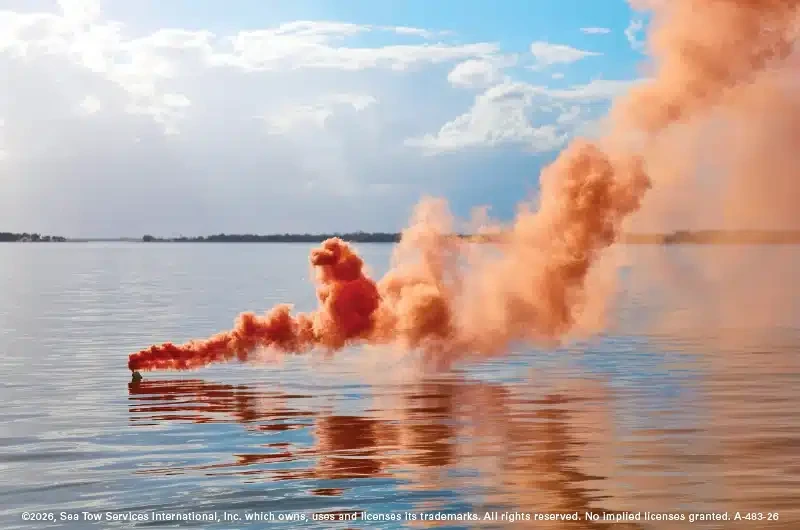
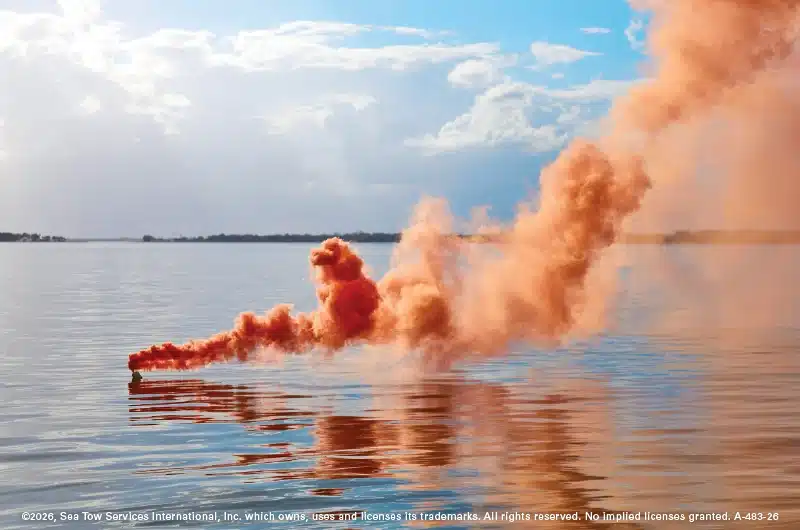
Marine flares are essentially high-output pyrotechnic devices designed to perform under extreme environmental duress. Depending on the specific variety—handheld red flares, red aerial meteor signals, or floating orange smoke canisters—these devices burn at temperatures ranging from 1,500°F to over 3,000°F (815°C to 1,650°C).
This intense thermal output is necessary to ensure visibility over long distances, but it introduces severe risks:
- Thermal Burns: Active flares project blinding light accompanied by blistering heat and cascading slag or hot residue.
- Unpredictable Ballistics: Aerial flares launch projectiles into the atmosphere, creating potential fire hazards if deployed near rigging, canvas, or fuel vapors.
- Chemical Instability: Over time, exposure to marine humidity, salt spray, and thermal cycling can degrade the chemical compounds inside the casing, rendering the flare unpredictable. Crucially, an expired flare is not a "dead" flare; the chemical composition remains highly volatile and potentially more sensitive to friction, heat, or impact.
Storage Best Practices: Avoiding Environmental Compromise
The ideal storage environment for marine flares must solve a paradox: it must shield the pyrotechnics from destructive elements while remaining instantly retrievable.
+-----------------------------------------------------------------+
                    OPTIMAL FLARE STORAGE CRITERIA
+-----------------------------------------------------------------+
  [ Moisture Protection ] -> Keep dry; use water-resistant cases.
  [ Physical Isolation ]  -> Store away from tools, batteries,
                             and cleaning chemicals.
  [ Thermal Stability ]   -> Avoid direct sunlight and extreme heat.
  [ Accessibility ]       -> Ensure immediate reach in an emergency.
+-----------------------------------------------------------------+
When selecting a storage location, boaters should adhere to the following principles:
- Water-Resistant Containment: Utilizing a dedicated, water-resistant container helps mitigate the corrosive effects of marine air and incidental splash exposure. However, the container must be tailored to the specific dimensions and quantities of the flares.
- Physical Separation: Flares must never share space with loose hand tools, heavy gear, automotive or marine batteries, or chemical cleaning supplies. A shifting wrench or a corroding battery terminal can puncture or crush a flare casing, leading to catastrophic ignition.
- Accessibility over Obscurity: Even the highest-grade waterproof canister is useless if buried beneath spare anchors, fenders, and extra lines. Every crew member aboard must know the exact location of the distress kit.
The Inspection Checklist
A structured inspection regimen ensures that compromised units are identified long before they are needed in an emergency. Boaters should evaluate their kits against four primary criteria:
- Expiration Dating: Every pyrotechnic device is stamped with an expiration date, calculated precisely from its manufacturing date (usually valid for 3 years plus a few months). Once this date passes, chemical degradation begins to compromise reliability.
- Structural Integrity: Inspect casings for hairline cracks, swelling, dents, punctures, missing end caps, or loose friction-striking mechanisms. Any physical deformation warrants immediate retirement.
- Moisture and Corrosion: Look for rust around metal caps, white salt buildup, staining, or damp, peeling labels. Moisture ingress is the primary vector for pyrotechnic failure.
- Legibility: If instructions for use or expiration data have faded beyond recognition, the flare must be replaced. In a high-stress emergency, operators cannot waste precious seconds deciphering faded text.
Official Statements and Regulatory Guidance
Navigating the regulatory landscape surrounding marine safety equipment requires strict adherence to federal and local directives.
U.S. Coast Guard and Waste Authority Recommendations
The U.S. Coast Guard mandates that recreational vessels operating on coastal waters, the Great Lakes, and territorial seas—as well as those connected waters up to a point where the waterway is less than two miles wide—must carry unexpired, approved visual distress signals for both day and night use.
When dealing with expired signals, the U.S. Coast Guard explicitly advises boaters to consult state and local environmental authorities rather than attempting informal disposal methods. Because federal environmental laws govern hazardous waste differently across state and municipal jurisdictions, there is no single nationwide drop-off program.
According to marine safety experts and environmental protection agencies, boaters must never:
- Toss flares into household trash or municipal recycling streams: Pyrotechnics pose severe fire risks to waste compaction trucks and sorting facilities.
- Burn or dismantle flares: Attempting to open, crush, soak, or burn a flare exposes individuals to toxic chemical releases, severe flash burns, and explosions.
- Throw flares into open water: Sinking pyrotechnics pollutes marine ecosystems with heavy metals and chemical residues.
- Fire flares recreationally: Launching a distress flare as a novelty or disposal method is illegal in most jurisdictions. It wastes critical safety equipment and frequently triggers false alarms that mobilize Coast Guard cutters, rescue helicopters, and volunteer marine rescue units.
Future Outlook: The Rise of Electronic Visual Distress Signals
As environmental regulations tighten and the challenges of pyrotechnic disposal grow more complex, the marine industry is experiencing a profound shift toward modern alternatives. Chief among these innovations is the electronic visual distress signal (eVDSD).
+-----------------------------------------------------------------+
                 TRADITIONAL VS. ELECTRONIC SIGNALS
+-----------------------------------------------------------------+
  Feature            Pyrotechnic Flares    Electronic Signals (eVDSD)
  -----------------------------------------------------------------
  Lifespan           3-4 Years (Fixed)     Indefinite (Battery dependent)
  Hazard Risk        High (Fire/Heat)      None (Cold LED/Laser light)
  Reusability        Single-use            Reusable / Multi-mission
  Disposal           Hazardous Waste       Standard Electronics / Battery Recycle
  Day/Night Req.     Varies by type        May require day flag supplement
+-----------------------------------------------------------------+
Advantages of Electronic Distress Signals
Approved electronic visual distress signals offer several distinct advantages over traditional pyrotechnics:
- Indefinite Reusability: Unlike chemical flares that expire within a few years, eVDSD units are powered by batteries and can be tested repeatedly without degradation.
- Zero Thermal Hazard: Operating via high-intensity LED or laser technology, electronic signals produce no open flame, smoke, or hot residue, drastically reducing the risk of onboard fires or accidental burns.
- Simplified Disposal: While batteries eventually require replacement or recycling, the unit itself does not carry the complex hazardous waste liabilities associated with expired chemical explosives.
Regulatory Integration and Limitations
While electronic distress signals are increasingly recognized by the U.S. Coast Guard as meeting carriage requirements (provided they flash the international SOS distress pattern and comply with RTCM standards), mariners must remain aware of their limitations. Many eVDSD units are optimized specifically for nighttime signaling. To remain fully compliant with day-and-night carriage laws, vessels utilizing electronic signals must often pair them with an approved daytime visual distress signal, such as an orange distress flag emblazoned with a black square and circle.
Frequently Asked Questions
Can I put expired boat flares in the regular household trash?
No. Marine flares contain volatile pyrotechnic compounds and should never be placed in household trash, curbside bins, or recycling streams. Doing so creates an extreme fire hazard for sanitation workers and waste processing facilities. Always utilize local household hazardous waste programs or designated municipal collection sites.
Is it legal to fire expired flares to get rid of them?
Never. Firing a flare simply to dispose of it is illegal in most jurisdictions. It wastes essential safety gear, risks starting accidental brush or vessel fires, and frequently triggers false alarms that draw emergency response teams away from real emergencies.
What immediate steps should I take if I discover a wet, swollen, or corroded flare?
Do not attempt to touch, clean, open, or test a compromised flare. Avoid unnecessary handling, keep it physically isolated from heat and ignition sources, move it to an open, stable location outdoors if safe to do so, and contact your local fire department, hazardous-waste authority, or the manufacturer for professional guidance.
Do expired flares count toward U.S. Coast Guard carriage requirements?
No. Expired flares do not fulfill legal safety mandates. While some boaters retain them as secondary backups, they must be stored separately and clearly labeled as expired to prevent confusion during a high-stress emergency. Vessels must always carry the full complement of unexpired, approved distress signals required for their specific operating area.
How frequently should I inspect my vessel’s flare inventory?
Boaters should conduct a thorough inspection of their visual distress signal kit at least once per boating season, prior to undertaking extended open-water voyages, and immediately following any heavy weather event, rough passage, or suspected exposure of the storage container to water or extreme temperatures.


