











Executive Overview
For mariners navigating coastal waters, open oceans, or expansive inland lakes, visual distress signals (VDS) represent an indispensable line of defense. Among these life-saving devices, pyrotechnic marine flares remain the industry standard required by regulatory bodies such as the U.S. Coast Guard. Designed to ignite rapidly and burn at searing temperatures—often exceeding 3,000°F—these devices pierce through darkness, fog, and inclement weather to signal distress to passing vessels and rescue personnel.
However, the very chemical composition that makes marine flares extraordinarily effective also renders them inherently hazardous. Because they contain volatile pyrotechnic materials, propellants, and chemical oxidizers, marine flares demand meticulous management throughout their lifecycle. From the moment they are purchased and stowed aboard a vessel to their eventual retirement and disposal, these devices require strict adherence to safety protocols.
Improper storage can compromise their structural integrity, leading to moisture degradation, corrosion, and accidental ignition. Furthermore, the retirement of expired flares presents a persistent logistical challenge for boaters. Tossing pyrotechnics into standard household garbage, firing them off recreationally, soaking them in water, or attempting to dismantle them poses severe risks, ranging from environmental contamination and devastating fires to false alarms that tax emergency response networks.
This comprehensive report examines the critical protocols governing marine flares. Drawing upon expert maritime safety guidance, regulatory frameworks, and waste-management best practices, we explore how boaters can effectively maintain their onboard safety equipment, inspect for critical degradation markers, navigate complex local disposal channels, and weigh modern alternatives such as electronic visual distress signals.
Detailed Chronology: The Lifecycle of a Marine Flare
Understanding the proper handling of marine flares requires tracing their lifespan from manufacture to retirement. Each phase demands specific behavioral interventions by the vessel owner or operator to ensure safety remains uncompromised.
Phase 1: Procurement and Initial Stowage
The lifecycle begins at the marine supply retailer. Boaters must ensure they purchase Coast Guard-approved flares that match the specific tonnage, operational range, and classification of their vessel. Once aboard, immediate stowing is required.
- The Environmental Shield: Flares must be kept in a dedicated, water-resistant container or locker. Exposure to ambient humidity, bilge water, or direct sea spray degrades cardboard casings and chemical compositions.
- Accessibility vs. Protection: While protected from the elements, flares must remain instantly accessible. Stowing them deep within the hull under heavy gear defeats their purpose during a rapid-onset emergency, such as a sudden fire or vessel sinking.
Phase 2: Active Service and Routine Maintenance
Throughout their service life—which typically spans 36 to 42 months from the date of manufacture, depending on regulatory standards—flares must undergo continuous evaluation.

- Seasonal Audits: Boaters are advised to conduct rigorous physical inspections at the onset of every boating season, prior to undertaking extended offshore passages, and immediately following any heavy weather event or rough handling that compromises storage lockers.
- Segregation of Retired Units: The exact moment a flare reaches its stamped expiration date, its status changes from an active life-saving asset to a regulated hazardous material. It must be immediately removed from the primary distress kit and placed in a secondary, clearly marked container to prevent panic-driven mistakes during an emergency.
Phase 3: Retirement and Interim Holding
Once expired, a flare enters its holding phase. Because immediate disposal options are rarely available on-demand, boaters often accumulate expired units over several seasons.
- Safe Containment: During this holding period, expired flares must be treated with the exact same caution as active units. They should be stored away from excessive heat sources, engine rooms, battery banks, and loose tools that could puncture their casings.
- Clear Labeling: Containers holding retired pyrotechnics must feature unmistakable warning labels denoting their expired and potentially unstable status.
Phase 4: Approved Disposal or Deactivation
The final phase involves transferring the hazardous material to a certified entity. This requires coordination with local waste authorities, hazardous waste collection events, or specialized municipal programs. Transporting these items demands secure packaging, strict temperature control (avoiding hot vehicles), and adherence to limits established by the receiving facility.
Supporting Context & Metrics: The Anatomy of Pyrotechnic Risk
To fully appreciate why marine flares require such stringent handling, one must examine the physics and chemistry of pyrotechnic signaling devices.
Chemical Composition and Burn Characteristics
Most marine flares utilize a combination of chemical oxidizers (such as potassium perchlorate or nitrates), metallic fuels (like magnesium or aluminum), and specialized binders. When ignited, these compounds generate intense heat and colored light—typically brilliant red or orange—designed to maximize visibility against natural backgrounds.
- Thermal Intensity: Red aerial and handheld flares burn at temperatures ranging from 1,800°F to well over 3,000°F. At these levels, the flame can instantly melt aluminum, ignite fiberglass, and cause catastrophic third-degree burns upon minimal contact.
- Residue Hazards: Handheld flares frequently drip molten, burning slag during combustion. Without adequate protective gear (such as heavy leather gloves and eye protection), operators risk severe injury when deploying them.
- Chemical Stability: Over time, exposure to fluctuating temperatures, freeze-thaw cycles, and microscopic moisture intrusion causes chemical separation within the pyrotechnic compound. This degradation can result in erratic burning speeds, premature explosion, or structural failure of the casing during activation.
The Regulatory Landscape and Carriage Requirements
Maritime authorities enforce strict carriage requirements based on vessel size and operating areas. In the United States, vessels operating on coastal waters, the Great Sea, and territorial seas must carry unexpired visual distress signals for both day and night use.
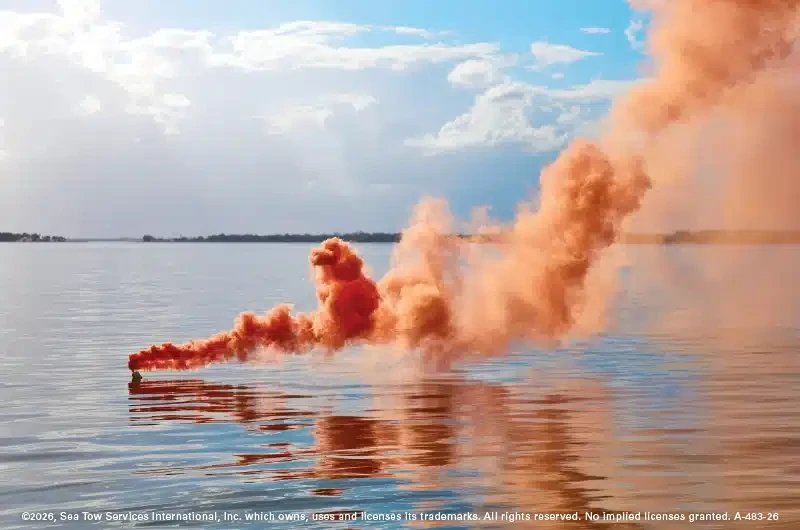
- Day vs. Night Distinction: Orange smoke signals (canister or handheld) are primarily classified for daytime use, producing dense clouds of orange smoke. Parachute meteors, red aerial rockets, and red handheld flares satisfy both day and night requirements due to their intense luminosity and trajectory.
- The Expiration Imperative: Regulatory compliance mandates that carriage requirements must be met using unexpired, fully functional devices. An expired flare, while potentially useful as an improvised secondary backup, legally does not satisfy Coast Guard carriage requirements. Vessel operators caught without current, approved VDS during a safety boarding face significant civil penalties and voyage termination orders.
Official Statements and Expert Guidance
Maritime safety agencies, search and rescue organizations, and environmental protection bureaus maintain a unified stance regarding the handling and disposal of marine flares.
The U.S. Coast Guard Position
The United States Coast Guard issues continuous advisories warning recreational boaters against the improper disposal of pyrotechnic devices. According to Coast Guard safety literature:
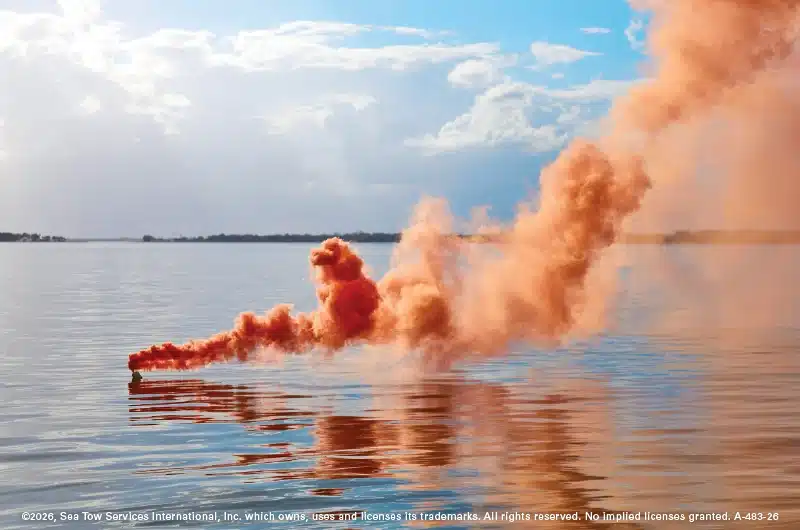
"Flares contain hazardous materials and must be handled with extreme care. Under no circumstances should expired pyrotechnic signals be discharged into the waterways as a method of disposal. Doing so constitutes a misuse of emergency channels, diverts life-saving resources away from genuine distress situations, and creates severe environmental and safety hazards."
Furthermore, the Coast Guard emphasizes that municipal solid waste streams (standard curbside trash pickup) cannot process pyrotechnics safely. Compactor trucks utilize heavy hydraulic pressure; if a discarded flare is crushed in a standard garbage truck, the friction and spark generation can immediately ignite the compound, causing destructive refuse fires and endangering sanitation workers.
Environmental Protection and Municipal Waste Authorities
Local hazardous waste management agencies echo these warnings. Because pyrotechnics do not break down cleanly and contain heavy metals, oxidizers, and chemical residues, landfill disposal is strictly prohibited in numerous jurisdictions unless managed through specialized hazardous waste protocols. Environmental agencies stress that municipal household hazardous waste (HHW) collection facilities represent the primary legal pathway for civilian disposal—provided those facilities have explicitly coordinated with pyrotechnic disposal contractors.
Best Practices: Inspection, Storage, and Mitigation
Mitigating the risks associated with marine flares requires a disciplined, proactive maintenance routine. Boat owners should integrate the following protocols into their standard vessel management checklists.
+-------------------------------------------------------------------+
<div>                        FLARE MANAGEMENT MATRIX                    </div>
+----------------------------+--------------------------------------+
| ACTION                     | BEST PRACTICE REQUIREMENT            |
+----------------------------+--------------------------------------+
| Initial Stowage            | Water-resistant container; quick     |
|                            | access; isolated from tools/batteries|
+----------------------------+--------------------------------------+
| Seasonal Inspection        | Check expiry dates, cracks, dents,   |
|                            | corrosion, and label legibility.     |
+----------------------------+--------------------------------------+
| Expired Unit Handling      | Immediately segregate; label clearly;|
|                            | do NOT use for routine disposal.     |
+----------------------------+--------------------------------------+
| Transportation             | Original packaging; secured against  |
|                            | shifting; never leave in hot cars.   |
+----------------------------+--------------------------------------+
Conducting a Rigorous Visual Inspection
Every flare in your inventory deserves careful scrutiny. Mariners should systematically check for the following red flags:
- Expiration Date Verification: Examine the stamped manufacture or expiration date. If the date has passed—or is fast approaching within the current boating season—retire the unit immediately.
- Casing Structural Integrity: Inspect the outer body for cracks, swelling, dents, or deep scratches. Plastic and cardboard casings weaken over time when exposed to marine environments.
- Moisture and Corrosion Markers: Look for rust around metal caps, white or green salt encrustation, damp labels, or soft spots in cardboard tubes. Moisture compromise renders pyrotechnics completely unreliable.
- Legibility of Instructions: Operating a flare in an emergency leaves no room for guesswork. If pictograms, text instructions, or safety warnings have faded beyond recognition, replace the unit instantly.
Safe Transportation Guidelines for Disposal
When a local hazardous waste facility or fire department agrees to accept your expired flares, transporting them safely is paramount:
- Maintain Original Packaging: Keep flares in their original manufacturer sleeves or container compartments to cushion them against vehicular vibrations.
- Secure and Anchor: Place the transport container in a stable part of the vehicle (such as the trunk or truck bed) where it cannot slide, roll, or be crushed by heavier cargo.
- Thermal Management: Never leave flares unattended in a vehicle exposed to direct, intense sunlight. High interior temperatures can destabilize aging chemical compounds.
- Pre-Authorization Limits: Only transport the exact quantity pre-approved by the receiving facility. Dumping unannounced hazardous materials creates regulatory and safety crises for municipal workers.
Future Outlook: The Rise of Electronic Visual Distress Signals
As maritime technology evolves, the industry is experiencing a significant shift toward sustainable, reusable safety equipment. One of the most promising advancements in recent years is the introduction of Electronic Visual Distress Signals (eVDSS).
Advantages of Electronic Signaling
Approved by regulatory bodies as a valid alternative (or supplement) to traditional pyrotechnic flares, electronic devices offer distinct operational advantages:
- Zero Pyrotechnic Risk: eVDSS units utilize high-intensity LED arrays or xenon flash tubes to emit the mandatory international distress signal (SOS in Morse code) across visible and infrared spectra. They contain no explosive materials, burn at safe temperatures, and produce zero toxic smoke or hot residue.
- Infinite Reusability: Unlike single-use flares that burn out within minutes, electronic devices operate continuously for hours on standard or rechargeable batteries, making them exceptionally cost-effective over their operational lifespan.
- Simplified Disposal: Because they do not rely on volatile chemicals, retiring an electronic distress signal does not require hazardous waste disposal protocols; owners simply recycle or discard them according to standard electronic waste (e-waste) guidelines.
Limitations and Regulatory Nuances
Despite their growing popularity, electronic signals do not completely replace pyrotechnics in every scenario:
- Daytime Limitations: While highly visible at night, electronic flashing lights lack the dense smoke required for effective daytime signaling under certain regulatory classifications. Consequently, operators utilizing eVDSS often must carry an approved daytime distress flag (orange flag with black square and circle) to maintain full legal compliance.
- Power Dependency: Electronic devices rely entirely on battery power. Mariners must institute rigorous battery-testing routines, ensuring fresh alkaline or lithium batteries are installed before every voyage.
Frequently Asked Questions
Can I throw expired boat flares into my household trash or recycling bin?
No. Discarding marine flares into standard household refuse or recycling bins is strictly prohibited. Pyrotechnic materials can easily ignite under the pressure of garbage truck compactors or municipal sorting facilities, triggering dangerous fires and threatening sanitation workers.
Is it legal or safe to fire expired flares just to get rid of them?
Never. Firing expired flares recreationally is illegal in most jurisdictions. Doing so wastes vital emergency signaling resources, risks starting brush or structural fires, causes severe personal injury due to degraded chemical stability, and can trigger unnecessary Coast Guard search and rescue responses resulting in heavy fines.
What should I do if I discover a wet, swollen, or heavily corroded flare?
Do not attempt to touch, clean, or dismantle a compromised flare. Avoid unnecessary handling, keep it isolated from all heat and ignition sources in a well-ventilated outdoor area, and contact your local fire department, hazardous waste authority, or the manufacturer immediately for professional guidance.
Do expired flares count toward meeting U.S. Coast Guard carriage requirements?
No. Expired flares do not satisfy regulatory carriage requirements. Even if they appear physically intact, their chemical reliability cannot be guaranteed. Vessel operators must maintain a full complement of unexpired, Coast Guard-approved visual distress signals onboard at all times.
How can I find a local facility that accepts marine flares for disposal?
Start by contacting your municipal or county household hazardous-waste (HHW) program, local fire department, or non-emergency law enforcement agency. Because disposal options vary significantly by region, always call ahead to confirm whether specialized pyrotechnic collection events or permanent drop-off locations are active in your area.


