










Executive Overview
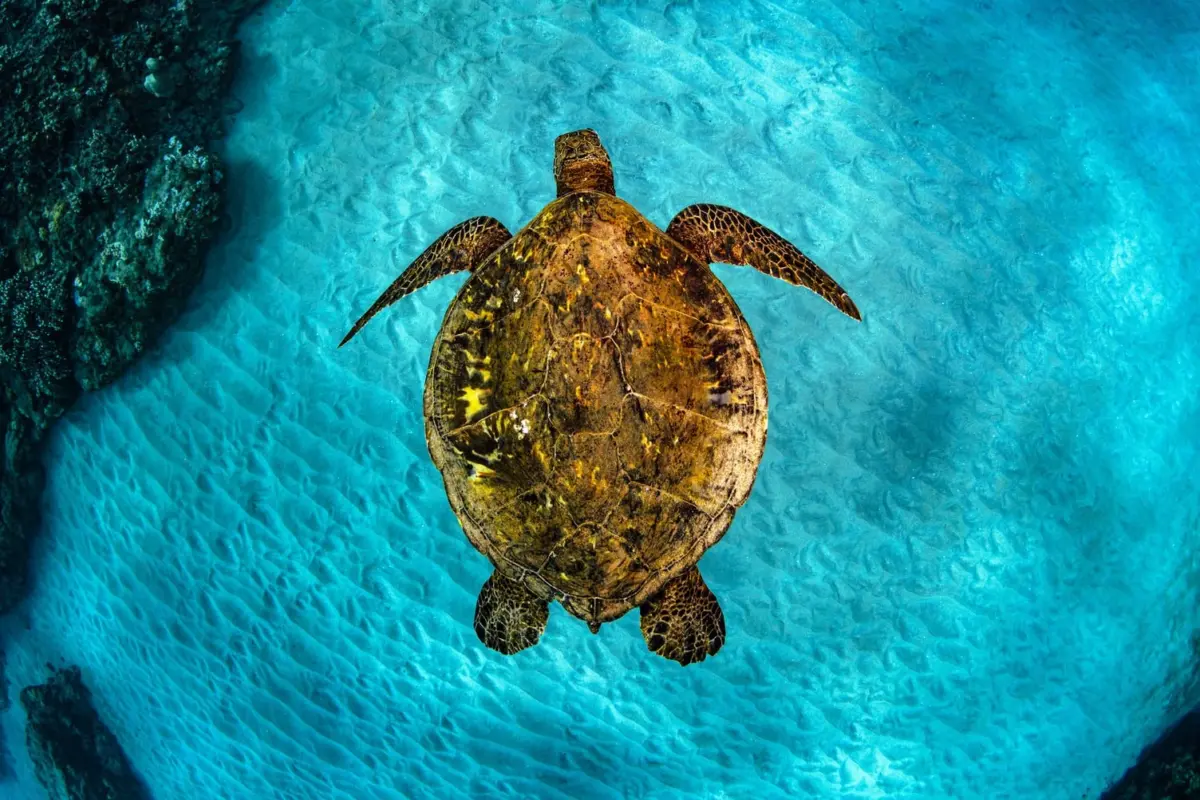
For over 100 million years, sea turtles have maintained a silent vigil over the world’s oceans, outlasting cataclysms that wiped out dinosaurs and enduring the drifting of continents. Among the most awe-inspiring traits of these ancient mariners is their mastery of transoceanic navigation. Female sea turtles routinely embark on marathon migrations across vast, featureless expanses of open water, swimming thousands of miles before returning with uncanny precision to nest on or near the exact beaches where they hatched.
Consider the Pacific leatherback (Dermochelys coriacea), the ultimate long-distance traveler of the marine reptile world. Nesting populations in Indonesia have been tracked migrating more than 10,000 kilometers (approx. 6,200 miles) across the ferocious currents of the Pacific Ocean to reach the West Coast of the United States. Accomplishing such feats without modern instrumentation has long fascinated biologists. Recent scientific breakthroughs reveal that these animals read the Earth’s invisible geomagnetic architecture, utilizing an innate biological compass to traverse oceans with pinpoint accuracy.

Yet, this evolutionary masterpiece of navigation is increasingly mismatched with the speed of human-driven planetary change. While sea turtles possess an extraordinary internal map, they are entirely unequipped to navigate the anthropogenic obstacles currently choking their migration routes and nesting habitats. From the blinding glare of coastal light pollution and the acoustic degradation of marine ecosystems to the ubiquitous hazard of micro and macro-plastics, modern threats are intercepting these ancient travelers. As conservation biologists warn that evolution never prepared these creatures for the sudden onslaught of modern pollution, a critical question arises: while sea turtles may know the way home, will there be a habitable home left for them when they arrive?
Detailed Chronology: From Hatchling to Open Ocean Pathfinder
To truly understand the navigational genius of sea turtles, one must trace their journey from the very moment of emergence.
Phase 1: The Frantic Sprint and Light Orientation (Day One)
For generations, sea turtle hatchlings have broken free from their sandy incubation chambers under the cloak of night. Historically, their survival depended on an immediate, hardwired behavioral response: crawling toward the brightest horizon. On pristine, undeveloped coastlines, the brightest horizon is reliably the open sea, reflecting starlight and moonlight off the water’s surface.
Once they reach the surf, hatchlings enter a phase known as "frenzy swimming," an uninterrupted, high-energy swim lasting 24 to 48 hours that propels them away from the treacherous, predator-dense nearshore waters and out into the pelagic zone.

Phase 2: Riding the Conveyor Belts of the Open Ocean
Once in the open ocean, young turtles often find sanctuary in floating mats of Sargassum seaweed or dynamic ocean gyres. During this developmental phase, which can last for years or even decades depending on the species, turtles drift with major ocean currents. However, they are not passive drifters. As they grow, they begin actively swimming, driven by a deeply ingrained sensory map that tells them where they are relative to the globe.
Phase 3: The Magnetic Map and Natal Homing
How do adult turtles successfully locate their birthplace years later—a phenomenon known as natal homing? Decades of research have confirmed that sea turtles possess magnetoreception. The Earth functions as a giant spherical magnet, producing a magnetic field characterized by unique intensities and inclination angles (the angle at which magnetic field lines intersect the Earth’s surface) that vary predictably by latitude and longitude.
Scientists have demonstrated that sea turtles possess tiny, magnetite-based crystals in their heads and tissues that act as cellular compasses. As juveniles drift across ocean basins, they experience and "imprint" upon the unique magnetic signature of their natal region. When it is time to reproduce, adult females trace these magnetic coordinates backward, effectively following an invisible geological highway back to their specific nesting grounds.
Phase 4: The Epilogue of the Migratory Loop
Upon reaching their ancestral shores, the female hauls herself onto the sand, digs her nest, deposits a clutch of leathery eggs, and returns to the sea. The cycle repeats—a testament to millions of years of evolutionary refinement. Unfortunately, the modern world has introduced variables that no amount of magnetic navigation can overcome.
Supporting Context & Metrics: The Anthropocene Confronts Ancient Biology
While sea turtles have conquered the physics of the open ocean, the coastal zones and pelagic highways they rely on are undergoing rapid, destructive transformations.
Light Pollution: Scrambling the First Instinct
Coastal development has transformed once-dark coastlines into glowing strips of urban illumination. Artificial lighting from streetlamps, beachfront properties, and vehicle headlights completely upends hatchling orientation. Instead of crawling toward the ocean, disoriented hatchlings often scramble inland toward parking lots and highways, where they face dehydration, exhaustion, and predation. Similarly, adult females seeking dark, quiet stretches of sand to nest are frequently deterred by illuminated beaches, abandoning their nesting attempts and wasting vital metabolic energy.
Acoustic Pollution: A Noisy Underwater World
The open ocean and coastal corridors are getting progressively louder. Sea turtles possess internal ears capable of detecting low-frequency underwater sounds. The proliferation of commercial vessel traffic, seismic airgun surveys for oil and gas exploration, offshore construction, and military sonar have radically altered the acoustic landscape of the sea. NOAA and academic researchers note that human-generated marine noise induces chronic physiological stress, disrupts foraging and mating behaviors, and forces turtles to abandon preferred habitats or veer off their historical migratory routes.
The Plastic Crisis: An Evolutionary Trap
Perhaps no modern threat is as pervasive or lethal as plastic pollution. Marine animals have evolved over millions of years to visually identify drifting prey items like jellyfish, salps, and floating macro-algae. However, mass commercial plastic production only accelerated over the last 60 years—a literal blink of an eye in evolutionary terms.
To a hungry sea turtle, a drifting plastic grocery bag, a deflated balloon, or a fragment of soft plastic packaging is visually indistinguishable from a jellyfish.
- The Ingestion Epidemic: A landmark Ocean Conservancy study analyzing more than 10,000 marine animal autopsies revealed that nearly half of all sea turtles studied had ingested plastic debris.
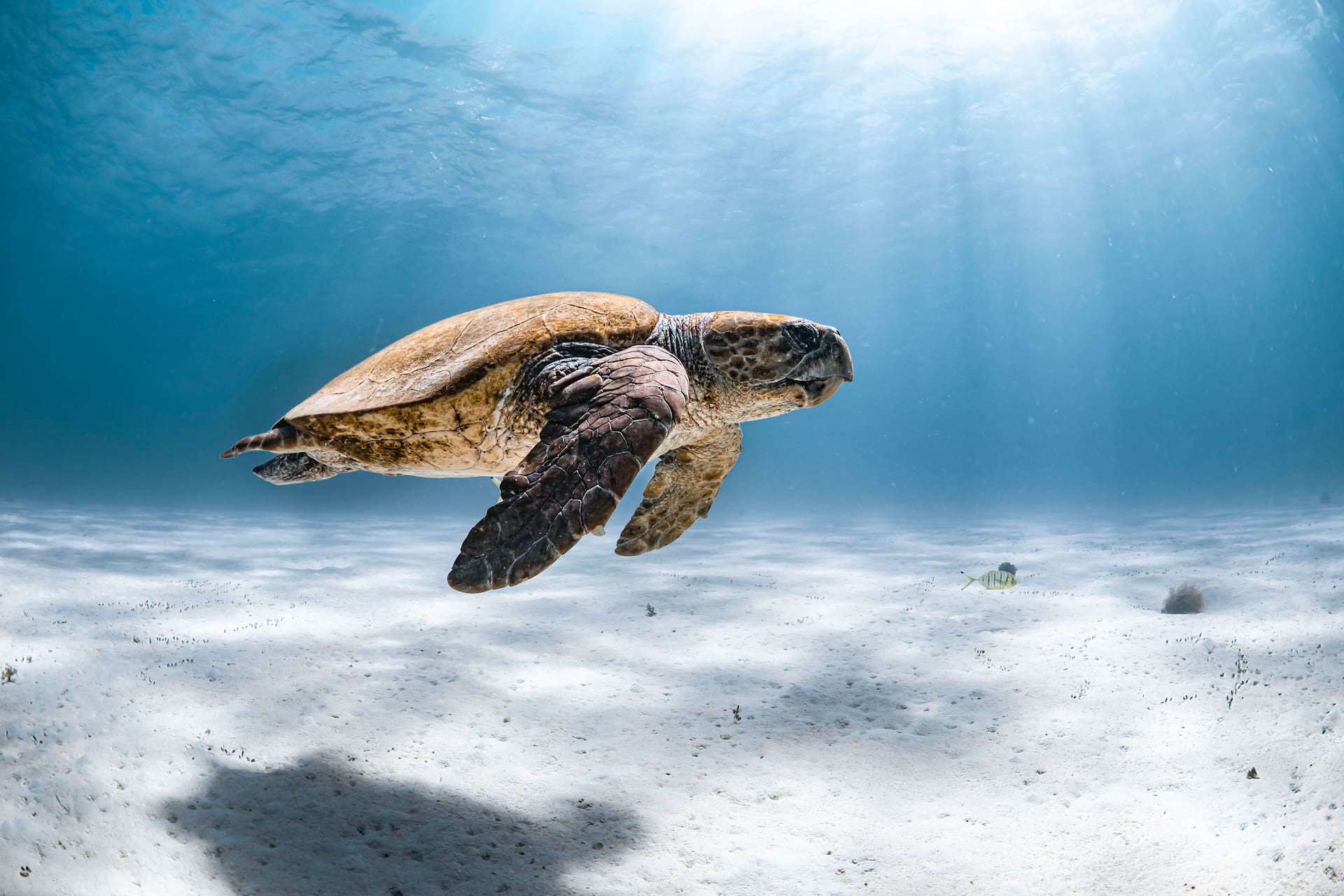
- Lethal Doses: The study underscored a terrifying statistic for adult loggerhead turtles (Caretta caretta): swallowing a volume of plastic equivalent to just one and a half times the size of a golf ball is enough to cause mortality in 50% of the population. Once ingested, these materials cause internal blockages, pierce digestive tracts, or create a false sense of fullness that leads to starvation.
Official Statements and Expert Perspectives
Conservation leaders and marine biologists emphasize that while the challenges facing sea turtles are severe, they are fundamentally anthropogenic—meaning they are entirely within human power to fix.
"Sea turtles survived the extinction event that wiped out the dinosaurs and outlasted shifting continents. But surviving millions of years does not make them invincible. Today, they are facing threats that appeared in the blink of an evolutionary eye: plastic pollution, habitat loss, vessel strikes, fishing gear entanglement, and climate change."
— Ocean Conservancy Research and Policy Briefing
Marine policy experts stress that saving sea turtles requires a dual-track approach: local, boots-on-the-ground habitat protection, and sweeping systemic reforms.
- Enacting Dark-Sky Ordinances: Municipalities along major nesting beaches are increasingly adopting lighting ordinances that mandate turtle-safe, low-wavelength amber or red LED lighting during nesting seasons to prevent hatchling disorientation.
- Redefining Coastal Development: Conservation groups are actively pushing back against environmentally destructive shoreline armoring, such as seawalls, which starve beaches of dry sand and eliminate viable nesting real estate.
- Stemming the Tide of Plastics: From local bag bans to international treaties targeting single-use plastics, scientists argue that cutting off the source of plastic pollution is the only long-term solution to safeguard pelagic species.
Future Outlook: Securing the Way Home
The survival of sea turtles hangs in a delicate balance between their extraordinary biological resilience and humanity’s stewardship of the planet. These animals represent a living bridge to Earth’s deep history, embodying navigational adaptations that continue to astound the scientific community.
Yet, acknowledging their resilience should not translate to complacency. Sea turtles may possess the innate biological map to cross oceans, but it is our collective responsibility to ensure that the ocean and coastlines they depend on are safe, clean, and habitable when they arrive.
Achieving this future requires sustained engagement from global citizens, policymakers, and conservation organizations alike. Through targeted actions—such as reducing single-use plastics, supporting dark-sky initiatives, protecting critical nesting habitats, and advocating for ocean-friendly policies—we can tilt the scales back in favor of marine life.
The next time a Pacific leatherback completes its 10,000-kilometer odyssey across the ocean, or a tiny green sea turtle hatchling steps off the sand and into the surf, their survival should not be a gamble against our trash and our noise. By transforming our relationship with the ocean, we can ensure that these ancient mariners always find their way home.


