






Executive Overview
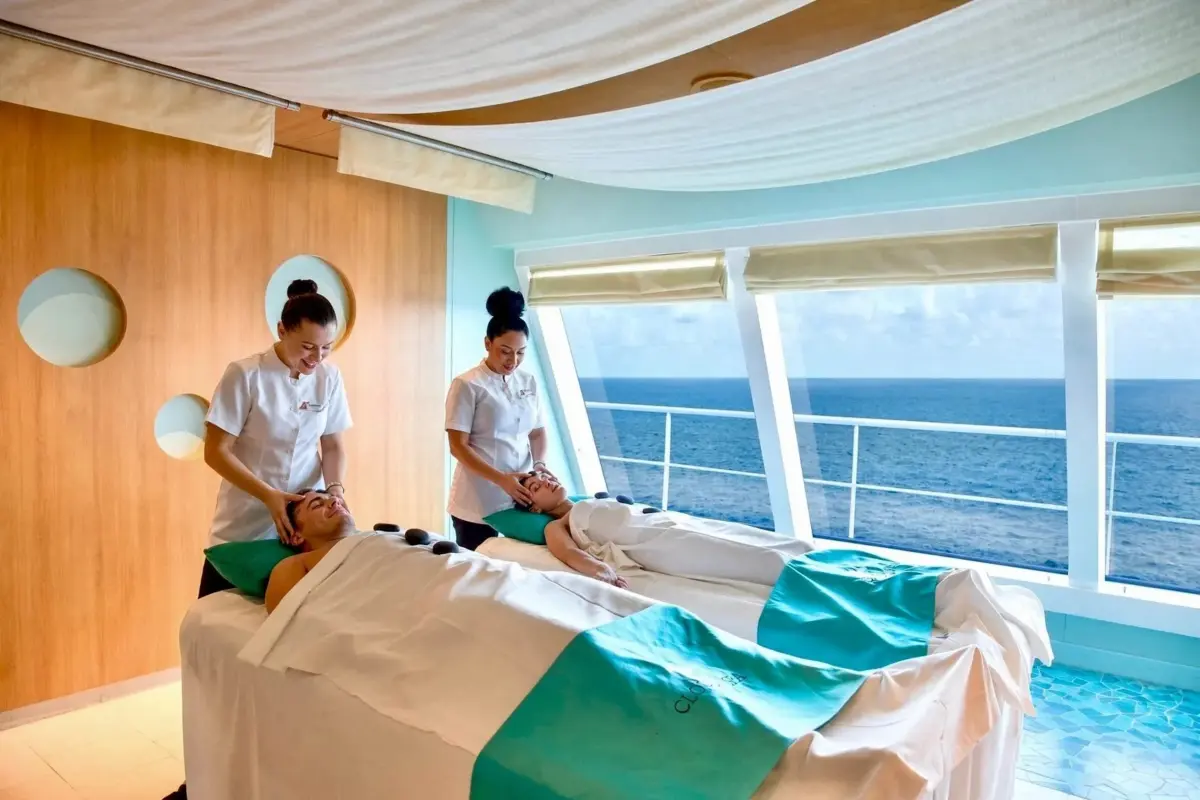
In the sprawling, trillion-dollar global tourism ecosystem, few phenomena rival the sheer financial velocity of the modern cruise industry. Floating cities capable of housing upwards of 6,000 vacationers at sea operate around the clock, generating billions of dollars in ticket sales, beverage packages, shore excursions, and onboard retail. Yet, beneath the glitz of mega-ships and billion-dollar marketing campaigns lies a sophisticated network of specialized third-party operators that quietly orchestrate the passenger experience—and capture a staggering share of the profits.
Chief among these invisible giants is OneSpaWorld, a company on the precipice of crossing a historic milestone: $1 billion in annual revenue.
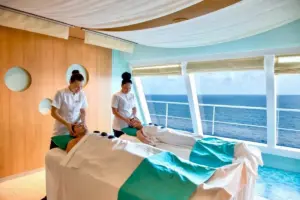
Despite operating spas and wellness centers across a fleet of more than 200 cruise ships—serving virtually every major household name in the industry, including Carnival, Royal Caribbean, Norwegian Cruise Line, Princess, Celebrity, Disney, and Virgin Voyages—OneSpaWorld remains largely unknown to the general public and even to many casual travel industry observers. With an estimated 90% market share of the outsourced maritime wellness sector, it dwarfs its nearest competitors by a factor of 17. More than 28 million passengers sail annually on the vessels where OneSpaWorld runs the relaxation, grooming, and medical-spa facilities.
The trajectory of OneSpaWorld offers an unusually clear, unfiltered look at the anatomy of modern travel economics. It is a masterclass in a foundational business truth: in the contemporary travel economy, controlling the customer relationship and the point-of-sale ecosystem matters far more than merely owning the physical hardware.
This investigative feature explores the mechanics of OneSpaWorld’s ascent, the structural dynamics of outsourcing within the cruise industry, the financial architecture driving its push toward a billion-dollar valuation, and what this quiet titan reveals about the future of luxury travel at sea.
Detailed Chronology: From Maritime Monopoly Roots to Billion-Dollar Scale
To understand how OneSpaWorld achieved its near-monopolistic grip on the cruise spa market, one must trace the evolution of cruising itself—from floating transport vessels to hyper-optimized, high-density resorts designed to maximize onboard spend.
Phase 1: The Fragmented Beginnings of Shipboard Wellness (Late 20th Century)
In the early days of modern cruising, shipboard amenities were largely managed directly by the cruise lines themselves or fragmented across small, independent concessionaires. Spas were viewed as minor, secondary perks—an afterthought tucked away near the forward decks, staffed by basic wellness practitioners, and treated as a cost center rather than a primary profit driver.

As ships grew larger through the 1980s and 1990s, cruise executives realized they lacked the specialized expertise required to scale, market, and optimize high-end wellness operations. Managing global talent pipelines of massage therapists, acupuncturists, aestheticians, and salon professionals across dozens of moving jurisdictions presented massive human resources, regulatory, and supply chain hurdles.
Phase 2: Consolidation and the Birth of Steiner Leisure
Enter the early market consolidators, most notably Steiner Leisure Limited, a historic name in maritime beauty and wellness. Through decades of quiet acquisitions, exclusive contracting, and deep partnership-building with emerging cruise lines, Steiner laid the groundwork for centralized maritime wellness.
Over time, this operational framework was refined, streamlined, and eventually spun out and rebranded to reflect a modern, multi-brand corporate identity. OneSpaWorld emerged from this lineage, inheriting decades-long exclusive master service agreements with the world’s largest cruise conglomerates.
Phase 3: The Pandemic Test and Post-COVID Resurgence (2020–2022)
Few sectors were hit as hard by the global COVID-19 pandemic as the cruise industry. With global fleets brought to a dead stop for over a year, outsourced operators like OneSpaWorld faced an existential crisis. Revenue plummeted to near-zero while fixed overhead and corporate obligations persisted.
However, the company’s navigation of the post-pandemic travel boom proved to be its masterstroke. As soon as ports reopened and travelers unleashed pent-up demand for leisure and wellness, OneSpaWorld capitalized on a structural shift in consumer behavior: travelers were prioritizing health, self-care, and experiential spending over traditional material goods.
While cruise lines struggled with debt restructuring and restarting operations, OneSpaWorld rapidly remobilized its workforce, deploying thousands of wellness professionals back to sea. By fiscal year 2023, the company generated $961 million in revenue and posted an adjusted EBITDA of $123 million.
Phase 4: Crossing the Billion-Dollar Threshold (2023–Present)
Today, OneSpaWorld stands at the zenith of its operational maturity. Having successfully moved past pandemic-era headwinds, the company is on track to officially cross the $1 billion revenue mark. Its strategy moving forward relies not just on adding more ships to its roster, but on transforming standard shipboard spa visits into integrated, high-ticket wellness journeys that leverage advanced medical-aesthetics, proprietary product lines, and data-driven customer personalization.
Supporting Context & Metrics: The Anatomy of Maritime Economics
To fully appreciate OneSpaWorld’s dominance, one must analyze the unique financial metrics that govern the cruise economy.
The Power of the Outsourced Monopsony
In economic terms, cruise lines act as gatekeepers to a captive audience. Passengers boarding a seven-day Caribbean or Mediterranean cruise are isolated within a floating resort ecosystem where alternative choices are limited. Cruise lines recognize that running a specialized spa requires intense regulatory compliance, rigorous recruitment, and complex inventory management.
Instead of building these capabilities in-house, cruise operators outsource the entire operation to OneSpaWorld. In exchange, OneSpaWorld pays the cruise lines a percentage of its revenues (often structured as guaranteed minimum payments or sliding-scale commissions). This creates a symbiotic, high-barrier-to-entry ecosystem:
- Exclusive Access: OneSpaWorld holds multi-year, exclusive operating contracts across more than 200 vessels.
- Scale Advantage: Being 17 times larger than its closest competitor allows OneSpaWorld to secure favorable bulk-purchasing agreements for high-end skincare products, medical devices, and wellness technology.
- Global Talent Pipeline: Through dedicated training academies and recruitment hubs across multiple continents, the company maintains a steady influx of licensed professionals, a feat independent operators cannot replicate.
Key Financial Indicators
- Revenue Trajectory: Scaled from pre-pandemic baselines to $961 million in FY 2023, with current projections clearing the $1 billion milestone.
- Profitability: Adjusted EBITDA sitting comfortably at over $123 million, underscoring high profit margins inherent in service-based maritime concessions.
- Market Penetration: Over 90% of the outsourced maritime wellness market.
- Volume: Servicing a recurring addressable market of more than 28 million annual cruise passengers across premier global fleets (Carnival, Royal Caribbean, Norwegian, Disney, Virgin Voyages, etc.).
Official Statements and Industry Insights
While publicly traded companies must report their financials with clinical precision, corporate commentary from OneSpaWorld executives reveals a clear strategic vision centered on consumer psychology and experiential upsells.
In recent earnings calls and investor communications, OneSpaWorld leadership has emphasized that the modern cruiser views wellness not as a vacation indulgence, but as an essential component of personal health.
"The consumer mindset has fundamentally shifted," notes industry analysis stemming from financial disclosures and stakeholder reports. "Vacationers are no longer looking simply for a basic Swedish massage on a sea day. They are seeking transformative wellness experiences, advanced dermatology treatments, customized nutritional consultations, and high-performance beauty regimens that they can continue long after they disembark."
Cruise line executives, speaking anonymously regarding vendor relationships, frequently cite reliability as OneSpaWorld’s greatest asset.
"When you operate a ship worth a billion dollars, you cannot afford friction in the passenger experience," one senior cruise operations director noted. "OneSpaWorld delivers turnkey luxury. They bring the staff, the products, the training, and the insurance. For us, it is a seamless revenue-sharing engine that enhances guest satisfaction scores without operational overhead."
Future Outlook: Where Do Floating Spas Go From Here?
As OneSpaWorld crosses the billion-dollar revenue threshold, the company’s leadership faces both extraordinary opportunities and unique structural challenges. What does the next decade hold for the undisputed king of maritime wellness?
1. The Medicalization of Cruise Wellness
The fastest-growing segment within shipboard wellness is no longer traditional relaxation massage; it is advanced medical aesthetics. Consumers are increasingly willing to spend heavily on non-surgical cosmetic procedures, specialized skin-tightening treatments, acupuncture, cryotherapy, and customized metabolic testing while on vacation. Because cruise passengers have uninterrupted leisure time, they represent the ideal demographic for treatments that require multi-day recovery or follow-up consultations.
2. Digital Personalization and Pre-Booking Ecosystems
OneSpaWorld is aggressively integrating its booking infrastructure with cruise line apps. By capturing customer preference data months before a voyage begins, the company can deploy targeted pre-cruise digital marketing—reserving high-value treatments before the passenger even steps foot on the gangway. This minimizes empty treatment rooms and maximizes revenue per available square foot.
3. Expansion into Niche and Ultra-Luxury Vessels
While the mega-ship fleets of Carnival and Royal Caribbean provide massive volume, the ultra-luxury and expedition cruising sectors represent high-margin growth frontiers. Brands focusing on remote destinations (such as polar expeditions or luxury yacht-style cruising) cater to ultra-high-net-worth individuals who demand bespoke, ultra-exclusive wellness protocols. OneSpaWorld’s scalable operating model allows it to tailor spa footprints ranging from multi-deck mega-sanctuaries to intimate boutique wellness suites.
4. Macroeconomic Resilience
As global economic pressures fluctuate, the travel sector frequently watches for signs of consumer fatigue. However, historical data indicates that cruise passengers—particularly those who invest in premium and luxury tier cabins—demonstrate remarkable resilience in onboard discretionary spending. Even in uncertain economic climates, consumers often refuse to compromise on experiential wellness during their hard-earned vacations.
Conclusion
OneSpaWorld’s quiet march to a billion dollars in revenue is more than just a corporate success story; it is a revealing window into the hidden architecture of modern tourism. It proves that dominance in the travel industry does not always belong to the entity that owns the physical asset—the steel, the engines, or the hull.
Instead, true economic capture belongs to the enterprise that successfully masters the psychological touchpoints of the consumer. By embedding itself invisibly yet indispensably within the floating cities of the world’s largest cruise lines, OneSpaWorld has transformed a simple shipboard amenity into a billion-dollar empire—proving that relaxation, when scaled with precision, is one of the most lucrative businesses on earth.