





Executive Overview
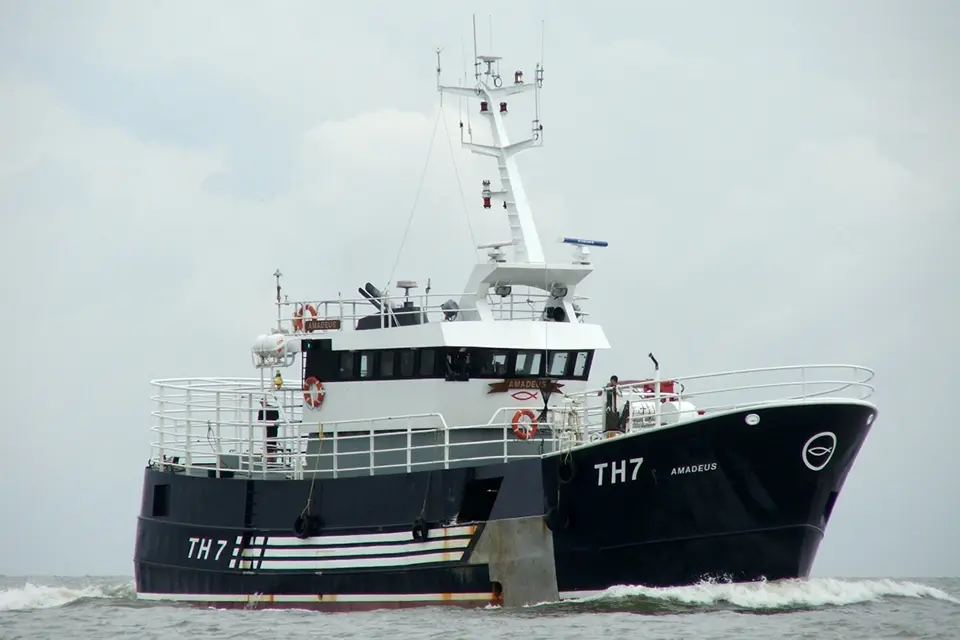
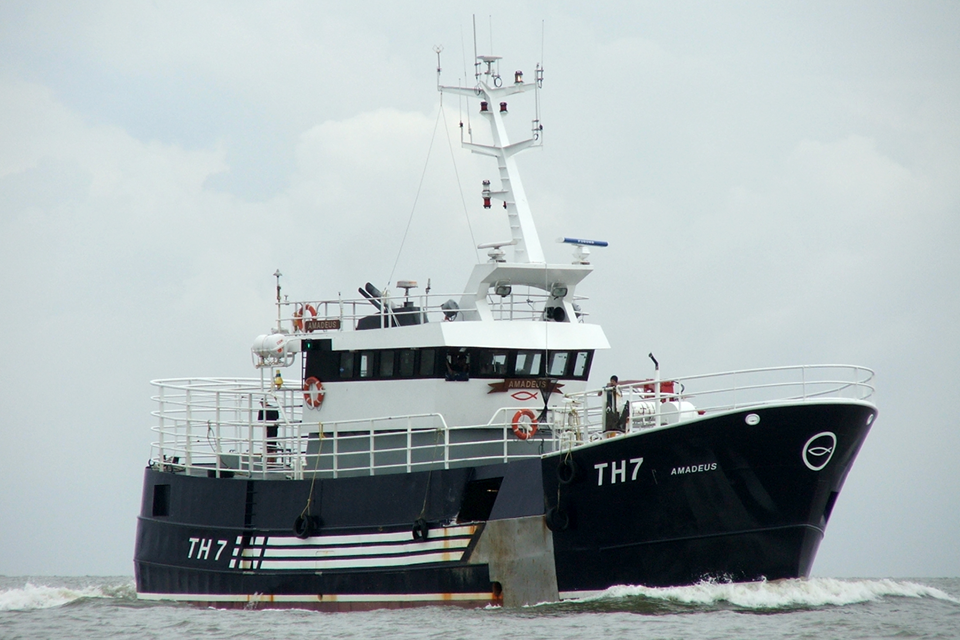
On December 13, 2023, the North Sea exacted its familiar, unforgiving toll on the commercial fishing industry. Operating in the notoriously volatile waters of the German Bight, the crab potting vessel Amadeus (registered under the port letters TH7) became the site of a preventable tragedy when a young deckhand lost his footing and fell overboard. Despite immediate efforts and the inherent resilience demanded of those who make their living on the water, the crew member did not survive.
Months after the incident, the Marine Accident Investigation Branch (MAIB) released its comprehensive accident report, thrusting a harsh spotlight onto an issue that continues to plague maritime operations across the globe: the systemic underestimation of fatigue and the lethal complacency surrounding routine tasks.
While public attention often fixates on catastrophic maritime disasters—such as groundings, major collisions, or structural sinkings—the daily reality of commercial fishing remains quietly perilous. According to maritime safety advocates, man-overboard (MOB) incidents represent one of the leading causes of occupational fatalities in the global fishing sector. Yet, investigators argue that treating these incidents as isolated strokes of bad luck or unavoidable occupational hazards is a dangerous mistake.

The findings released by Chief Inspector of Marine Accidents Rob Loder paint a disturbing picture of a system that stretches human endurance past its breaking point. The deckhand aboard the Amadeus was not performing an exotic or untested maneuver; he was doing what thousands of fishermen do every day to supply seafood markets. He was hauling heavy crab pots in freezing, turbulent winter seas. However, beneath the veneer of "routine operations" lay a compounding cocktail of acute physical exhaustion, chronic sleep deprivation, inadequate rest cycles, and an unstable, violent working environment.
This report examines the intricate sequence of events leading up to the tragedy, explores the broader socioeconomic and operational pressures facing modern fishing crews, reviews the official statements from maritime authorities, and outlines the urgent industry-wide reforms necessary to ensure that exhaustion is never again accepted simply as "part of the job."
Detailed Chronology: The Final Hours Aboard the Amadeus
To fully grasp how a routine operation transforms into a fatal emergency, investigators must reconstruct the timeline of events leading up to the crisis. While the complete operational history of the Amadeus spans weeks of grueling labor, the final twenty-four hours provide crucial insight into the physical and mental state of the crew.
The Backdrop of the German Bight
The German Bight—a southeastern bight of the North Sea, bordered by the coasts of the Netherlands, Germany, and Denmark—is characterized by shallow waters, shifting sandbanks, and notoriously unpredictable weather patterns. In mid-December, the environment deteriorates rapidly. Daylight hours are severely curtailed, temperatures plummet near or below freezing, and winds whip the sea into steep, chaotic swells.
Operating a crab potting vessel in these conditions requires unrelenting physical exertion. Unlike larger trawlers where machinery does the heavy lifting, crab and lobster potting relies heavily on manual labor. Pots must be hauled up from the seabed, cleared of catch, baited, stacked, and redeployed, often at a relentless pace dictated by economic necessity and weather windows.
Weeks of Cumulative Strain
The deckhand who lost his life had not boarded the Amadeus fresh; he entered that final day carrying the invisible, heavy burden of weeks of demanding, high-intensity labor. Commercial fishing trips in the North Sea often involve grueling shifts with minimal downtime. The pressure to maximize catches during open seasons frequently overrides basic human biological needs for sleep and physical recovery.
By December 13, the deckhand was suffering from severe, cumulative fatigue. Sleep deprivation impairs cognitive function, slows reaction times, degrades balance and coordination, and diminishes situational awareness—all critical attributes when working on a wet, moving deck surrounded by heavy rigging and freezing water.
The Fatal Moment
On the morning of December 13, the Amadeus was actively working its string of pots in the German Bight. The sea state was rough, causing the vessel to pitch, roll, and lurch unpredictably.
The deckhand was stationed near the vessel’s side, engaged in the repetitive, physically punishing task of hauling heavy pots. This action required him to repeatedly lean over the vessel’s gunwale—exposing his center of gravity to the shifting motion of the sea while applying significant muscular force.
There was no margin for error, yet the operating environment offered no stability. According to the MAIB investigation, as the deckhand leaned over the side during one particularly strenuous heave, the vessel was struck by a violent lurch—a sudden, uncoordinated wave action that destabilized the deck. Caught off balance mid-motion, with his energy reserves depleted by weeks of inadequate rest, the deckhand lacked the reflexive strength and stability to catch himself.
In a fraction of a second, he slipped over the side and into the icy expanse of the North Sea.
The alarm was raised immediately, and the crew scrambled to execute recovery protocols. However, the realities of man-overboard situations in winter waters are stark. Cold water shock sets in almost instantly, restricting breathing and inducing panic, while heavy clothing and gear rapidly become weighted anchors. Despite the crew’s best efforts, the operation transitioned from a rescue to a recovery mission, culminating in the tragic loss of a young life.
Supporting Context & Metrics: The Crisis of Fatigue in Commercial Fishing
The sinking or capsizing of a fishing vessel makes headlines, but the slow attrition of fishermen lost overboard is an ongoing, structural crisis that demands deeper statistical and operational analysis.
The Scale of Man Overboard (MOB) Fatalities
Maritime safety databases consistently show that falling overboard is one of the leading causes of death in the commercial fishing industry worldwide. Organizations such as the Food and Agriculture Organization (FAO), the International Maritime Organization (IMO), and national bodies like the UK’s MAIB have tracked these metrics for decades. Despite advancements in Personal Protective Equipment (PPE), vessel design, and communication technology, the rate of MOB fatalities has proven stubbornly resistant to change.
Several factors contribute to this high mortality rate:
- Low Compliance with PFDs (Personal Flotation Devices): While lifejackets and buoyant worksuits have evolved to be less cumbersome, many fishermen still resist wearing them continuously while on deck, citing restrictions on movement and discomfort during heavy labor.
- The "Solo" Factor: A significant percentage of smaller fishing vessels operate with minimal crew sizes. If a crew member goes overboard and is not immediately witnessed, the chances of survival diminish exponentially before the vessel can be turned around.
- The Thermal Barrier: Falling into northern European waters in December means confronting water temperatures that can cause hypothermia within minutes, drastically reducing the window for a successful rescue.
The Physiology of Exhaustion
The MAIB report on the Amadeus places heavy emphasis on an element that is frequently overlooked in accident investigations: fatigue.
In many high-risk industries—such as aviation and commercial shipping—strict regulations govern maximum working hours and mandatory rest periods (e.g., the STCW conventions). However, small-scale commercial fishing has historically enjoyed exemptions or a lack of rigorous enforcement regarding working hours.
When a fisherman is subjected to chronic sleep deprivation, several physiological changes occur:
- Neuromuscular Degradation: Micro-tears in muscle tissue combined with central nervous system fatigue reduce the body’s ability to make micro-adjustments in balance. On a rolling deck, where every step requires dynamic equilibrium, an exhausted worker is significantly more prone to tripping, slipping, or losing their grip.
- Cognitive Tunneling: Fatigue narrows attention span and slows hazard recognition. A worker may fail to notice a shifting warp line, an unsecured hatch, or a deteriorating weather pattern.
- Compromised Decision-Making: Exhausted crews are more likely to take shortcuts, push through worsening weather windows, or neglect standard safety checks simply to finish the job and get much-needed rest.
The narrative that "tiredness is just part of the job" has become culturally embedded within fishing communities. Generations of fishermen have worn exhaustion as a badge of honor, a testament to their toughness. Investigators argue that this cultural normalization of danger is precisely what makes incidents like the one aboard the Amadeus so insidious.
Official Statements: Confronting the "Routine" Tragedy
The release of the MAIB accident report was accompanied by strong, uncompromising words from maritime safety leadership. Chief Inspector of Marine Accidents Rob Loder issued a statement that cuts straight to the heart of the industry’s cultural malaise.
"This accident must not be dismissed as yet another fatal man overboard from a fishing vessel. In the blink of an eye, a young man lost his life doing a task many in the industry would consider routine — but there was nothing routine about the physical toll it took. After weeks of demanding work and inadequate rest, he was hauling heavy pots in rough winter seas, repeatedly leaning over the vessel’s side in an exhausting and unstable task, until one violent lurch was enough to send him overboard."
Loder’s statement serves as a direct rebuke of the apathy that often surrounds maritime fatalities. When an accident occurs in heavy weather during routine fishing operations, it is easy for observers—and sometimes regulatory bodies—to categorize it as an "act of God" or an inevitable occupational hazard. Loder forcefully rejects this framing, insisting that human factors, operational pressures, and systemic fatigue management failures are the true culprits.
Crucially, the Chief Inspector targeted the systemic normalization of exhaustion:
"Exhaustion must not become simply part of the job. This accident is a stark reminder that, without effective safeguards, this could happen to any crew member."
Actionable Outputs from the Investigation
In conjunction with the publication of the full investigative report, the MAIB has taken proactive steps to ensure that the lessons learned from the Amadeus tragedy are disseminated across the maritime sector.
- The Investigation Report: Available via official government portals, the document provides a transparent, step-by-step breakdown of the mechanical, environmental, and human factors that aligned on December 13, 2023. It includes targeted recommendations for vessel owners, skippers, and regulatory agencies.
- Industry Safety Flyer: Recognizing that formal investigative reports can be dense and time-consuming to read, the MAIB produced a concise, highly accessible safety flyer directed specifically at the fishing industry. This flyer focuses on practical risk management strategies for falling overboard, urging skippers and crew members to re-evaluate how they manage fatigue, deck safety, and operational pacing in adverse weather.
Future Outlook: Reforming Safety Culture in Commercial Fisheries
Preventing future tragedies like the loss of the deckhand aboard the Amadeus requires more than just distributing safety flyers; it demands a fundamental transformation in how commercial fishing operations are managed, regulated, and culturally perceived.
1. Shifting the Regulatory Paradigm
While large commercial vessels face stringent oversight regarding hours of rest, the smaller-vessel sector—where potting, gillnetting, and line fishing predominate—often operates in a regulatory grey area. Governments and maritime authorities must work toward practical, enforceable frameworks that limit continuous working hours and mandate adequate rest periods, even during peak fishing seasons. Regulations must account for the physical intensity of the labor, recognizing that hauling heavy gear in winter seas is vastly more taxing than passive monitoring tasks.
2. Engineering Out the Risk
Vessel design and deck layout must evolve to minimize the need for crew members to expose themselves to open water. Innovation in crab potting operations should focus on:
- Mechanized Hauling Systems: Reducing the need for manual lifting and leaning over gunwales through the adoption of automated or semi-automated pot tipping and sorting tables.
- Physical Barriers: Installing enhanced guardrails, collapsible safety gates, and specialized harness attachment points that allow crew members to remain securely tethered while working near the vessel’s edge without unduly restricting mobility.
3. Cultivating a Just and Safe Culture
Perhaps the most difficult challenge is cultural. Within tightly knit fishing communities, questioning a skipper’s decision, demanding rest, or refusing to work in dangerous conditions can be perceived as letting down the team or risking financial viability.
Industry associations, training providers, and safety organizations must foster an environment where crew members feel empowered to speak up about fatigue. Skippers must be trained to recognize the signs of cognitive and physical burnout among their crew and treated as safety leaders responsible for the holistic wellbeing of their workers. Safety management systems must ensure that no catch is valued higher than a human life.
Conclusion
The loss of the deckhand from the Amadeus on December 13, 2023, is a solemn reminder of the price paid for the seafood that reaches our markets. It exposes the fragility of human endurance when pitted against the relentless winter sea and an industry culture that has long romanticized exhaustion.
By honoring the memory of this young man through rigorous investigation, candid public statements, and actionable safety reforms, the maritime community has an opportunity to draw a line in the sand. Exhaustion must no longer be accepted as "part of the job," and the safety of every crew member must become the absolute priority on every deck, in every sea state, across every fishing fleet.