




Executive Overview
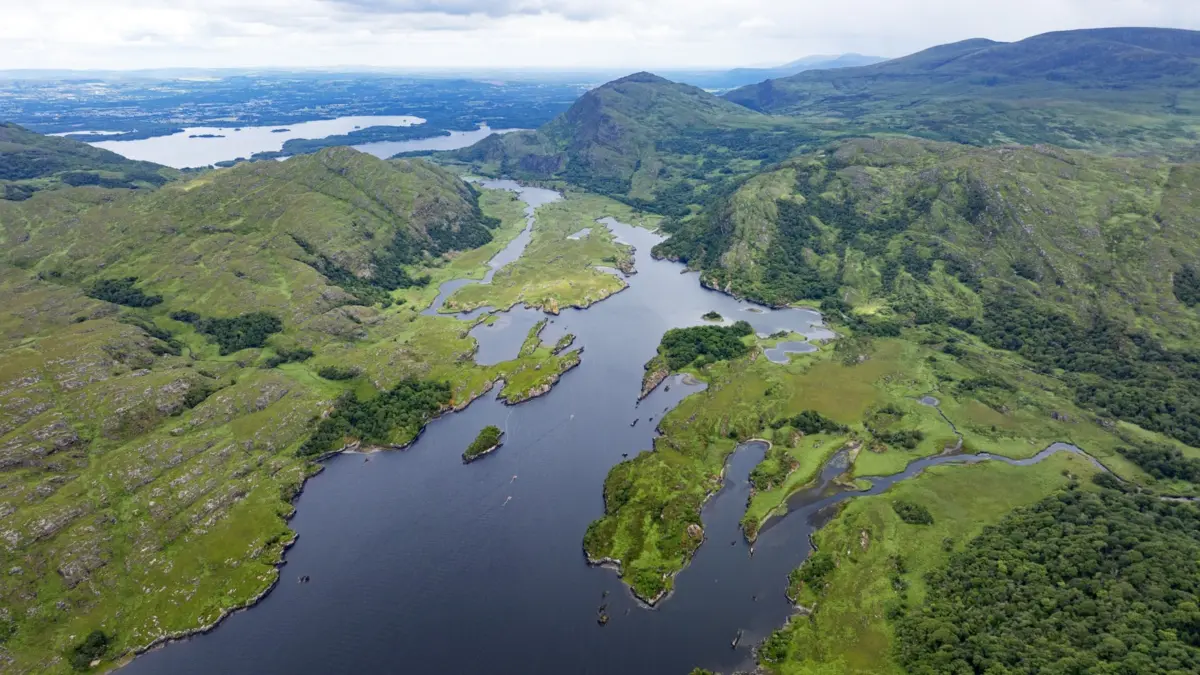
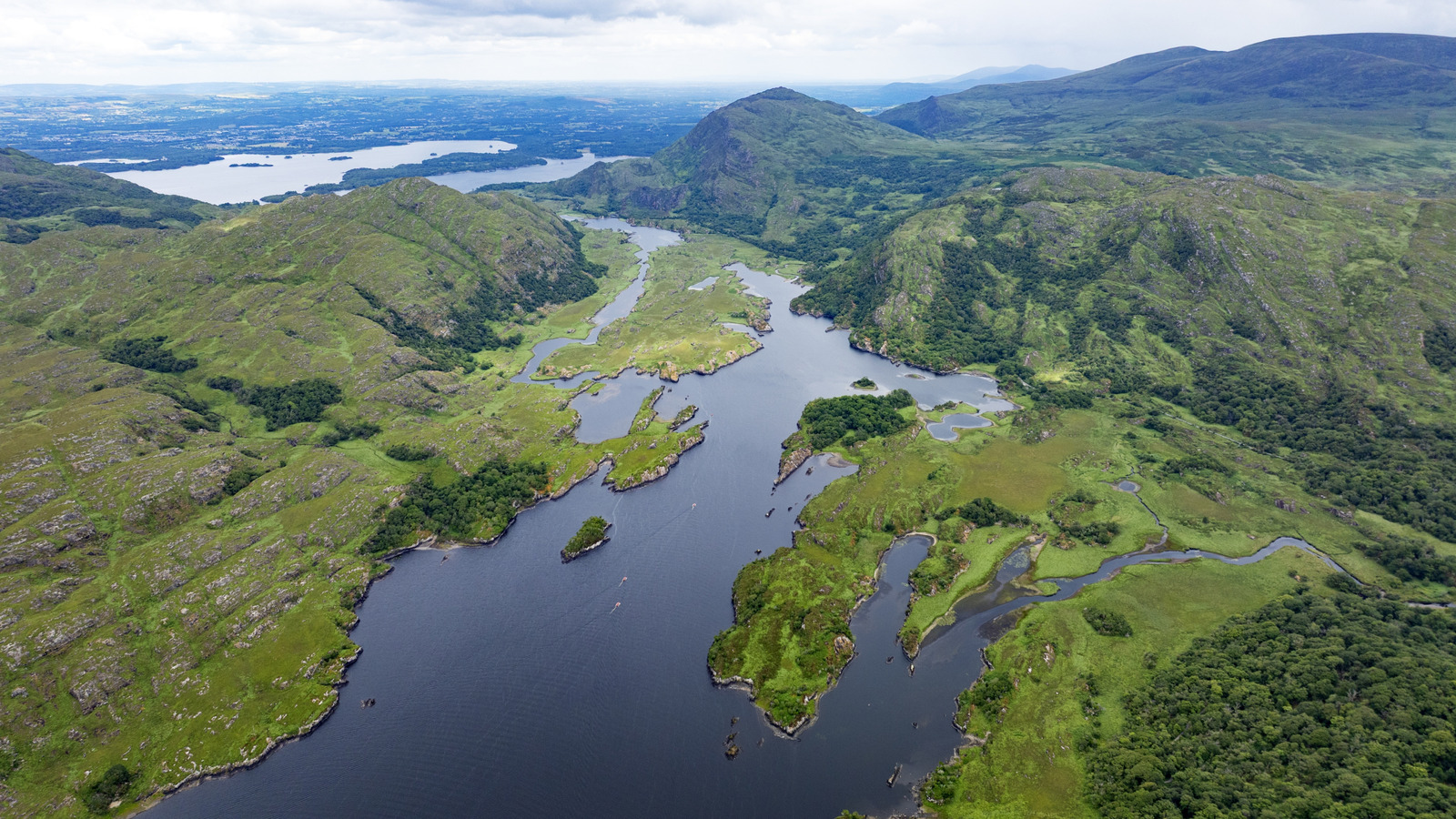
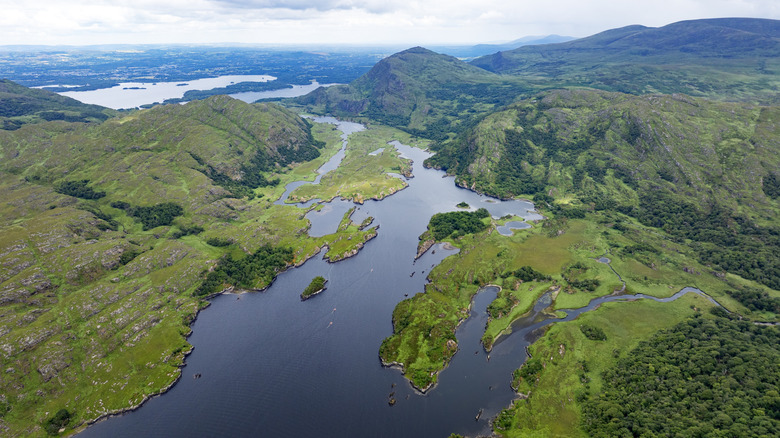
Nestled gracefully on the threshold of County Kerry’s breathtaking wilderness sits Killarney, a destination where untamed natural beauty converges seamlessly with the pulsating heart of traditional Irish culture. Encompassing nearly 25,000 acres of misty lakes, ancient oak forests, and the dramatic, myth-drenched peaks of the MacGillycuddy’s Reeks, Killarney National Park serves as the dramatic backdrop for one of Ireland’s most culturally rich and visually captivating towns.
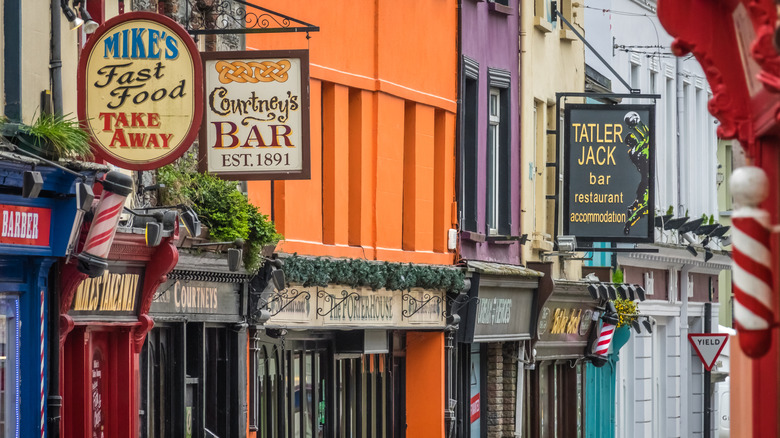
Drawing roughly two million international and domestic visitors annually, the region strikes a rare balance: it acts as a tranquil sanctuary for outdoor enthusiasts, hikers, and kayakers, while simultaneously offering the bustling, charismatic energy of a classic Irish settlement. Characterized by narrow streets, brightly painted wooden shopfronts, and legendary public houses echoing with live traditional music, Killarney is far more than a mere gateway to the national park—it is a vital cultural capital of Ireland’s deep south.
Strategically positioned less than a four-hour drive from Dublin and a mere 90 minutes from Cork, Killarney functions as an essential anchor for travelers navigating the southern stretches of the world-famous Wild Atlantic Way. This comprehensive report examines the history, commercial landscape, outdoor adventures, and future outlook of a destination where Ireland’s natural heritage and modern tourism thrive in harmonious tandem.
Detailed Chronology and Historical Evolution
The story of Killarney is inextricably bound to the landscape that cradles it, evolving from ancient monastic settlements and Celtic mythologies into a cornerstone of modern European ecotourism.
[6th Century] ➔ [15th Century] ➔ [1932] ➔ [Modern Era]
Innisfallen     Ross Castle     National Park   Global Tourism
Monastery       & O'Donoghue    Established     Hub & Cultural
Foundation      Mór Legend      (Vincent Gift)  Stronghold
From Monastic Outposts to Celtic Mythology
Long before tourists traversed its misty waters, the landscape around Killarney was a sacred and strategic stronghold. The region’s deep historical roots are vividly displayed on Innisfallen Island, nestled within Lough Leane, where the ruins of a sixth-century abbey still stand. Founded by Saint Finian the Leper, the monastery became a renowned center of learning and scholarship, producing documents such as the Annals of Innisfallen, which chronicled the early history of Ireland.
Concurrently, the shores and islands of Killarney’s lakes became fertile ground for Gaelic folklore. The most enduring myth centers upon the 15th-century Ross Castle, a fortified tower house built by the O’Donoghue clan. Local lore maintains that the castle’s original chieftain, O’Donoghue Mór, did not die but instead slumbers beneath the waters of Lough Leane. According to the legend, every seven years on a May morning, he rises from the depths on a magnificent white horse, galloping across the lake; those fortunate enough to catch a glimpse of him are supposedly granted good fortune for the remainder of their days.
The Birth of Ireland’s First National Park
For centuries, the pristine woodlands and dramatic mountain estates surrounding Killarney were private domains, largely managed by wealthy Anglo-Irish aristocracy, most notably the Herbert family of Muckross House. However, a profound shift occurred in the early 20th century that would permanently alter the destiny of the region.
In 1932, Arthur Rose Vincent, a wealthy New Zealand-born politician and resident of Muckross Estate, made a transformative philanthropic gesture. Following the tragic death of his wife, Maud Blake, Vincent—along with his father-in-law, Senator William Bowers Bourn—donated the sprawling Muckross Estate to the Irish State as a memorial. This act of profound generosity established Ireland’s very first national park.
Over the decades, successive government acquisitions expanded the protected acreage. Today, the park encompasses 24,710 acres, safeguarding unique ecosystems, including the last remaining native oakwoods in Ireland and the country’s only indigenous herd of red deer.
Supporting Context, Geography, and Metrics
Understanding Killarney’s enduring appeal requires an examination of the geographical scale, logistical connectivity, and economic metrics that define the region.
Geographical Layout and Natural Metrics
Killarney National Park is dominated by a majestic chain of interconnected freshwater lakes—Lough Leane (the largest at 4,700 acres), Muckross Lake, and the Upper Lake—which together account for a significant portion of the park’s total surface area. These bodies of water are fed by rushing mountain streams, such as the famous Torc Waterfall, which cascades 66 feet through a dense, fern-choked forest canopy.
Surrounding the lakes are the MacGillycuddy’s Reeks, Ireland’s highest mountain range, featuring Carrauntoohil, a towering peak that ascends to 3,406 feet. While the high peaks test the endurance of serious mountaineers, the lower elevations offer accessible topography, including the famous Ross Island loop—a nearly 4-mile trail weaving past ancient copper mines, limestone formations like Library Point, and historic ruins.
Logistical Accessibility and Travel Metrics
Despite feeling worlds away from urban centers, Killarney boasts robust infrastructure designed to accommodate millions of global travelers annually:
- Dublin to Killarney: Approximately 3 hours and 45 minutes by car via the M7 and N21 highways, or roughly 3 hours by direct rail service operated by Irish Rail.
- Cork to Killarney: A convenient 90-minute drive westward via the N22, making it an ideal day trip or weekend getaway for visitors based in Ireland’s second-largest city.
- Shannon Airport: Located roughly two hours to the north, offering transatlantic connectivity that feeds a steady stream of North American visitors directly into Ireland’s southwest.
- The Wild Atlantic Way: Killarney serves as a vital inland cultural and geographical detour for road trippers traversing the southern sections of this 1,600-mile coastal tourism corridor.
The Commercial Heart: Shopping, Socializing, and Pub Culture
While the natural wonders draw visitors to the edge of the town, Killarney’s urban center provides the warmth, character, and social fabric that compel travelers to linger.
Market Cross and Independent Retail
The commercial pulse of Killarney beats strongly through Market Cross, a vibrant district linking Main Street, High Street, and New Street. Unlike generic modern commercial developments, Killarney’s town center retains its historic architectural footprint, featuring narrow, winding lanes lined with brightly painted wooden shopfronts in shades of emerald green, canary yellow, and ruby red.
Independent boutiques and gift emporiums dominate the retail landscape, offering locally crafted goods deeply rooted in Irish heritage:
- Christy’s Gift Store: Renowned for exquisite Killarney Crystal, bespoke Celtic jewelry, hand-woven Irish woolens, and landscape art.
- Serendipity: A treasure trove for unique artifacts, including decorative items carved from ancient bog turf, utensils fashioned from rare Connemara marble, and framed sheets of hand-painted paper inscribed with sayings in the ancient Ogham script—Ireland’s earliest known alphabet.
- The Blackthorn Souvenir & Gift Shop: Stocks traditional memorabilia alongside authentic Irish merchandise, including traditional wooden smoking pipes, Guinness glassware, and official Kerry GAA (Gaelic Athletic Association) sports jerseys and kit.
The Institution of the Irish Pub
Travel writer Rick Steves and international guidebooks frequently remind visitors to pack reliable rain gear when visiting County Kerry, as the region’s lush greenery is sustained by frequent, unpredictable showers. When inclement weather rolls in, locals and tourists alike retreat to what truly defines Killarney’s social architecture: its public houses.
In Ireland, the term "pub" is an abbreviation for "public house," a linguistic distinction that emphasizes their role as communal living rooms rather than mere drinking establishments. Killarney features a remarkable density of historic pubs, each with its own distinct personality:
- J.M. Reidy’s: A labyrinthine establishment sprawling across a historic bakery and hardware store, featuring multiple rooms, open peat fires, and cozy nooks.
- Jimmy Brien’s and The Laurels: Renowned institutions where patrons can enjoy a perfectly poured pint of Guinness—affectionately known locally as the "Black Stuff"—while listening to world-class live traditional Irish music sessions featuring fiddles, bodhráns, and tin whistles.
Outdoor Adventures and Ecotourism Initiatives
For active travelers, Killarney functions as an outdoor playground offering diverse ways to engage with the landscape, ranging from rigorous mountain ascents to serene aquatic excursions.
Conquering Torc Mountain and Exploring Waterfalls
For those seeking panoramic vistas, the trail up Torc Mountain offers a rewarding challenge. Rising 1,755 feet, the well-maintained path combines natural stone steps, wooden sleepers, and rugged terrain. Upon reaching the summit, hikers are treated to an expansive 360-degree vista: wind-beaten grassy slopes rolling down toward island-dotted lakes, framed in the distance by the jagged peaks of the MacGillycuddy’s Reeks.
A short distance away lies the Torc Waterfall. Cascading over massive, moss-covered limestone boulders amidst towering ferns and ancient trees, the waterfall evokes the imagery of an authentic Celtic fairytale. Accessible via a short, five-minute walk from the designated car park, it remains one of the region’s most photographed natural landmarks.
Kayaking Lough Leane and Wildlife Conservation
Water-based exploration offers an entirely different perspective of the national park. Guided kayaking excursions on Lough Leane—conducted by specialist outfitters like Outdoors Ireland—allow visitors to glide past sixth-century monastic ruins on Innisfallen Island and approach the stone battlements of Ross Castle from the water.
These aquatic safaris also provide exceptional wildlife viewing opportunities. Paddlers frequently encounter:
- Mute swans gliding gracefully across mirror-like bays.
- Majestic white-tailed sea eagles soaring above the lake ridges (following successful reintroduction programs).
- Herds of native red deer swimming between islands or grazing quietly along the wooded shoreline.
To preserve the delicate ecological balance of the lakes, independent watercraft users are required to obtain permits from the National Parks and Wildlife Service Ranger Base in Killarney, ensuring that recreational tourism remains sustainable and protective of local habitats.
Future Outlook and Sustainable Tourism Strategy
As global tourism rebounds and accelerates toward unprecedented figures, Killarney faces both economic opportunity and environmental challenge. Managing the influx of two million annual visitors while preserving the delicate ecosystems of Ireland’s oldest national park is a paramount priority for local authorities and conservationists.
Balancing Growth with Conservation
The National Parks and Wildlife Service (NPWS), in collaboration with Kerry County Council, has increasingly prioritized sustainable tourism initiatives. Key strategic areas for the coming decade include:
- Visitor Dispersion: Encouraging travelers to explore lesser-known trails and outlying regions of County Kerry to reduce foot traffic congestion around primary honeypots like Torc Waterfall and Muckross House.
- Green Infrastructure: Upgrading public transport links, expanding electric vehicle charging stations, and promoting cycling infrastructure to minimize carbon emissions within the park boundaries.
- Habitat Restoration: Ongoing conservation projects aimed at eradicating invasive plant species, such as Rhododendron ponticum, which threatens the survival of native oak woodlands and indigenous flora.
The Enduring Appeal of Killarney
Killarney has successfully navigated the tides of modernization without losing the historic soul that first drew travelers to its shores centuries ago. Whether it is the resonance of a fiddle echoing from a warmly lit pub on High Street, the mist rolling off the MacGillycuddy’s Reeks at dawn, or the whispered legend of O’Donoghue Mór sleeping beneath the tranquil waters of Lough Leane, Killarney remains an essential, vibrant expression of the Irish spirit—bridging deep history, untamed wilderness, and warm community hospitality for generations to come.